Best Bed Bug Vacuums in 2026: Which Type Is Right for You?
Disclosure: We may earn a commission when you buy through links on this page, at no extra cost to you. As an Amazon Associate I earn from qualifying purchases. Learn more
Best bed bug vacuums compared by type, with pros and cons, ideal users and price ranges, plus filtration and tool tips for cleaning mattress seams.
Faced with bed bugs, most people grab whatever vacuum is closest, then wonder why the problem keeps coming back. The type of vacuum matters, because seams, mattresses, and baseboards demand strong suction, tight filtration, and tools that reach into cracks. Understanding best bed bug vacuums by type helps you clean thoroughly without spreading the problem to new rooms.
This guide compares handheld, robot, and upright models by job fit, then covers runtime, capacity, and suction in plain terms. The sections below explain which type suits your home and habits.
Types of Bed Bug Vacuums Compared
Think of the three main types as tools for different moments in a cleanup plan. Handheld models handle targeted work on the bed itself, uprights handle whole rooms, and robots handle routine upkeep between deep cleans. Typical prices run from around $40 for basic handhelds to around $250 to $500 for full featured uprights and robots.
Handheld Vacuums
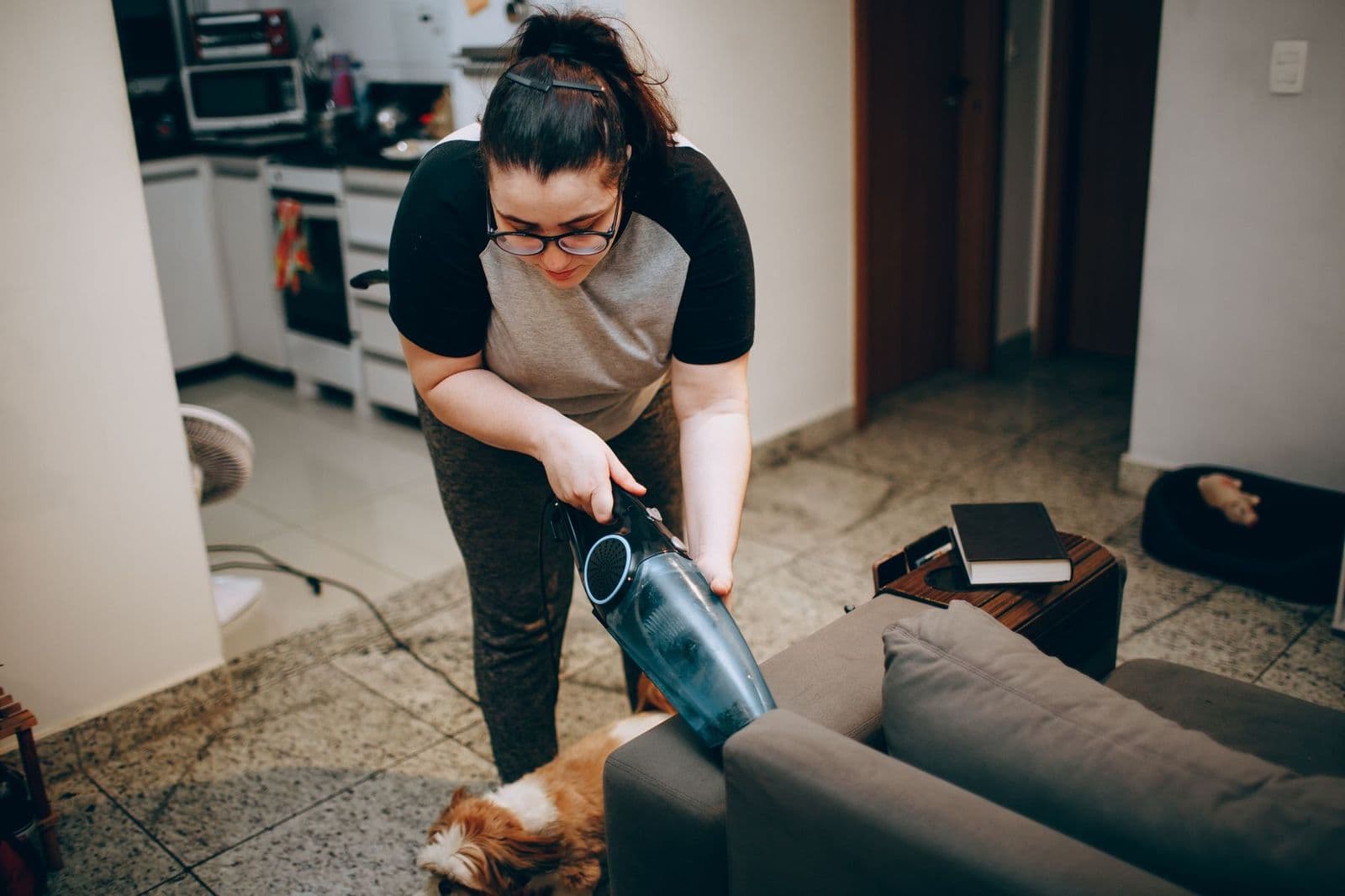
Handheld vacuums are the most direct tool for mattresses, bed frames, sofas, and luggage. A crevice tool lets you work slowly along seams and tufts where bed bugs hide, and a small bin is easy to empty outdoors into a sealed bag. Most handhelds cost around $40 to $120 and store in a closet or under the bed. The limits are short runtime on cordless models, small capacity, and weak performance on large carpeted areas.
Robot Vacuums
Robot vacuums suit maintenance, not emergency response. They can run often under beds and furniture, picking up dust and debris that support pest problems, and they help you keep floors clear between deep cleans. Prices usually fall around $180 to $500. Their suction and tools cannot work mattress seams or vertical surfaces, and brushes can tangle on fringe or cords. Treat a robot as a helper in a wider plan, never as your only response to an active infestation.
Upright Vacuums
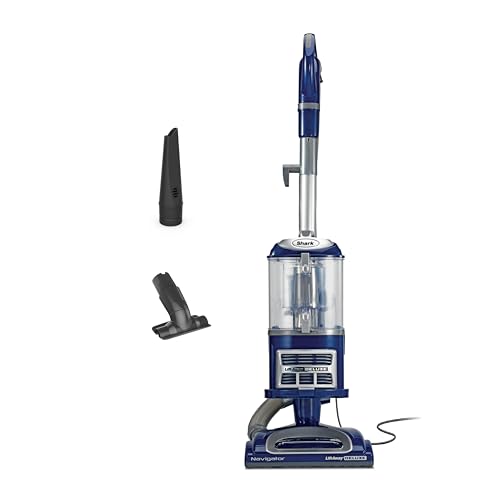
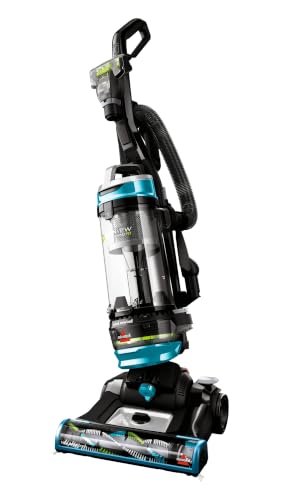
Upright vacuums bring the strongest sustained suction and the largest bins, which suits whole room cleanups across carpet and hard floors. A hose with a crevice tool extends their reach to baseboards, bed frames, and upholstered furniture. Prices commonly run around $120 to $350. They are bulky on stairs and in small bedrooms, and a full size bin needs careful emptying. For most homes facing a serious cleanup, an upright plus a handheld covers nearly every task.
Handheld Vacuums vs Robot Vacuums: Which Should You Choose?
Choose a handheld if your priority is direct work on the bed, sofa, and suitcase, because control and tool fit matter more than raw power in seams and folds. Choose a robot if your priority is frequent floor upkeep with little effort, especially under furniture you rarely move. On suction, a good handheld beats a robot at point of contact, while the robot wins on coverage per week. On cost, handhelds are far cheaper to buy and maintain. On limits, a handheld tires your arm on whole rooms, while a robot cannot touch the surfaces where bed bugs actually hide.
For an active problem, the handheld is the clear first purchase, and the robot is an optional extra later. If you want wider background on pest focused models, our guide to the best bug vacuums compares machines built for insects beyond the bedroom.
How to Choose the Right Bed Bug Vacuum
Once you know your type, four specs decide whether a model will do the job well or frustrate you. Judge them in this order, because filtration and tools matter more than headline power claims.
Corded vs Cordless Runtime
Corded models give unlimited runtime and steady suction, which suits long, slow passes over mattresses and carpets during a deep clean. Cordless models trade that stamina for freedom on stairs, cars, and travel gear, with most running about 15 to 40 minutes per charge. A removable battery extends cordless work if you buy a spare. For bed bug work, where slow and thorough beats fast, corded power or a charged spare battery prevents a half finished room.
Bin and Bag Capacity
Bagged models seal debris inside a closed bag, which reduces your contact with allergens and pests during disposal, but bags add ongoing cost. Bagless models use a bin you must empty carefully, ideally outdoors, into a sealed trash bag right away. Capacity from about 0.4 to 1 liter suits handhelds, while uprights hold far more. Whichever style you choose, empty or change it after every infested room, and wipe the bin or housing before the machine returns to storage.
Suction Power and Airflow
Suction figures appear as air watts or pascals, but the practical test is whether the tool pulls debris from a seam at slow speed. Strong airflow matters on carpet, while a tight sealing tool head matters more on mattresses and upholstery. Ignore peak numbers quoted without a tool attached, because real work happens through a crevice nozzle. A vacuum that keeps steady suction as the bin fills will clean more evenly than one with a high starting figure that fades fast.
Vacuum Type and Home Fit
Match the type to your floors and storage. Small apartments with hard floors do well with a stick or handheld plus a compact canister. Larger homes with carpet and stairs benefit from an upright for rooms and a handheld for beds and steps. Think about weight if you will carry the machine often, and about noise if you clean while others sleep. The right fit is the machine you will actually use slowly and often.
Setup and Care Tips
Vacuum slowly along every seam, tuft, and frame joint, because speed is the enemy of pickup in hiding places. Empty the bin before it is full, wash or replace filters on schedule, and cut hair off the brush roll so suction stays strong. After cleaning an infested area, seal the waste bag and take it outside at once, then wipe tools with hot soapy water. Pair vacuuming with hot washing of bedding, since our guide to the best bed sheets can help you replace worn bedding after treatment, and consider encasements from our guide to the best bed bug covers for mattresses to seal the mattress itself.
Vacuuming reduces numbers but rarely ends an infestation alone. If bites continue, you find bugs in several rooms, or you rent your home, contact a licensed pest professional and your landlord promptly. Monitoring tools from our guide to the best bed bug monitors help confirm whether activity is falling, and targeted products in our guide to the best bed bug sprays should be used only as labels direct, away from children and pets.
One more practical point is order of work. Start with the bed, then move outward to nightstands, baseboards, and finally open floor, so debris and disturbed bugs move away from the sleeping area rather than toward it. Work one room fully before starting the next, and keep the vacuum in that room until you have emptied and wiped it. This contained routine makes each session count and helps you notice exactly where activity is strongest.
FAQs
What type of bed bug vacuum is best for my home?
A handheld is best for most homes as a first purchase, because it handles mattresses, frames, sofas, and luggage directly. Add an upright if you have large carpeted rooms to clean in the same session. Renters in small flats can often manage with a strong handheld alone, as long as filtration is sealed and tools include a narrow crevice nozzle for seams.
Is HEPA filtration necessary?
Sealed HEPA filtration is strongly recommended, because it traps fine particles and allergens instead of blowing them back into the room. The word sealed matters as much as the filter itself, since leaks around a cheap housing defeat a good filter. If anyone at home has asthma or allergies, treat sealed HEPA as a requirement and ask a clinician about extra precautions during cleanup.
Are cordless vacuums strong enough for carpet?
Many cordless models are strong enough for low pile carpet and short cleanup sessions, but they fade as batteries drain and bins fill. For thick carpet or a whole home deep clean, a corded upright keeps full power for hours. A smart compromise is cordless for beds and stairs, corded for floors, which gives you stamina and freedom where each matters most.
How often should I replace the filter?
Replace or wash the filter on the schedule in your manual, commonly every three to six months for washable filters under normal use. During an active bed bug cleanup, check the filter after each session, because fine dust loads it far faster than weekly cleaning does. A clogged filter cuts suction sharply, so a spare filter you can rotate in is a cheap and useful backup.
Our Verdict
Prioritize sealed filtration, a good crevice tool, and a type that fits your rooms, and you will clean more thoroughly with less effort. Chosen carefully, best bed bug vacuums become a reliable part of a complete plan that also includes hot washing, monitoring, and professional help when activity continues.