
The Best Bed Bug Sprays: Buying Guide and Top Picks
Disclosure: We may earn a commission when you buy through links on this page, at no extra cost to you. As an Amazon Associate I earn from qualifying purchases. Learn more

The best bed bug sprays: Harris, Ortho and MGK picks plus how to use sprays safely in a full treatment plan.
Finding bed bugs is stressful, and the urge to grab the strongest spray is understandable. But bed bugs are hard to eliminate: they hide in seams, cracks and furniture, their eggs resist many treatments and some populations resist common insecticides. The right spray is one part of a plan that also includes vacuuming, laundering, encasements and, often, professional help. This guide to the best bed bug sprays explains what to look for and shares three picks for different situations.
We start with our top picks, then cover how to choose a spray, the main types, tips to make sprays more effective and answers to common questions. Every product in the table above is sold new on Amazon US. Always read and follow the label, which is the law for pesticides; keep children and pets away from treated areas until dry and consider a licensed pest control professional for heavy or recurring infestations.





Our Top 3 Picks at a Glance
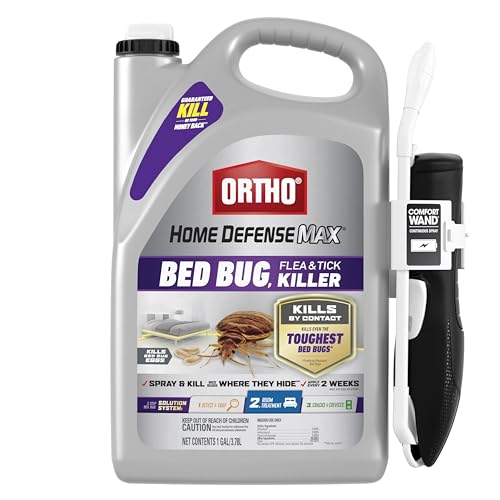
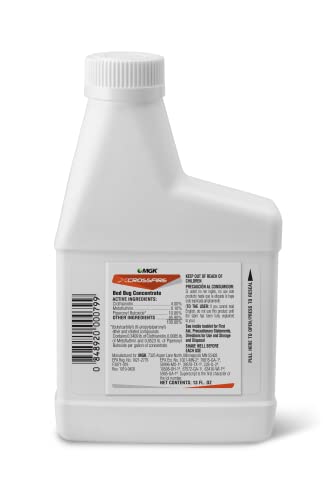
Our picks are Harris Toughest Bed Bug Killer for most homes, Ortho Home Defense Max Bed Bug, Flea and Tick Killer for value and MGK CrossFire Bed Bug Concentrate as an upgrade pick for stubborn, resistant infestations.
We compared active approach, effectiveness claims on eggs and resistant strains, residual protection, application method, staining and odor, EPA registration and price, along with the overall pattern in owner feedback. We did not apply these products ourselves; the notes reflect maker label claims.
Best Overall: Harris Toughest Bed Bug Killer (Gallon)
Harris Toughest suits households that want a strong, long lasting ready to use spray, at around $60 per gallon. Harris says it kills bed bugs at all life stages, including eggs and pyrethroid resistant strains, and provides residual protection for up to 16 weeks after application.
Two strengths stand out: an odorless, non staining formula for bedrooms, baseboards, cracks and crevices, and EPA registration for indoor residential use (Reg. No. 1021-2597-3). Harris notes it has made pest products since 1922.
The limitation is that, like all sprays, it must contact hidden bugs and be combined with other steps. Skip it if you prefer plant based products.

It makes the most sense for a bedroom where you have confirmed bed bugs and want both quick kills and a lasting barrier along bed frames, baseboards and furniture joints. Spray the hiding spots, let them dry fully before anyone returns and repeat as the label directs.
Best Value: Ortho Home Defense Max Bed Bug, Flea and Tick Killer
Ortho Home Defense Max is for budget conscious homes, at around $16 per gallon. Ortho says it kills bed bugs, bed bug eggs, fleas and ticks, including pyrethroid resistant bed bugs, and it comes with a Comfort Wand applicator to reach tight spots.
Its strengths are low price and an applicator that targets bed frames, baseboards and mattress seams, tufts and folds. Ortho positions it as step 2 in a system with detection traps and crack treatments. The trade off is less emphasis on long residual protection than premium sprays. Skip it if you want a concentrate for large areas.

The low price per gallon makes it practical for repeat treatments, which most infestations need. It is also useful in homes dealing with fleas from pets at the same time, though pets themselves need vet approved flea treatments rather than household sprays.
Best Upgrade Pick: MGK CrossFire Bed Bug Concentrate
MGK CrossFire suits stubborn infestations and people comfortable mixing concentrates, at around $39 for a 13 ounce bottle that makes one gallon. MGK says its patented formula with two active ingredients and a synergist kills pyrethroid resistant bed bugs at all life stages, including eggs.
The appeal is professional strength, quick knockdown and a non staining formula approved for direct application to mattresses according to the label. The limitation is mixing and careful handling. Skip it if you prefer ready to use sprays.

MGK has made pest control products since 1902 and supplies many professional pest control companies. Mix only the amount you need in a dedicated sprayer, label the sprayer clearly and wear gloves and eye protection while mixing, as the label directs.
How to Choose the Best Bed Bug Sprays: Buying Guide
The best bed bug sprays kill all life stages, work on resistant bugs and suit where you need to treat. Here is what to compare.
First, confirm you have bed bugs. Look for small reddish brown insects about the size of an apple seed, dark spots on mattress seams, shed skins and tiny white eggs. Bites alone are not proof, since many things cause similar marks. Bed bug monitors under bed legs help confirm activity.
Effectiveness on Eggs and Resistant Bed Bugs
Many bed bug populations resist pyrethroids, so look for labels that claim effectiveness on pyrethroid resistant strains, like Harris Toughest, Ortho Home Defense Max and MGK CrossFire. Egg kill matters too, since eggs hatch and restart infestations.
Repeat treatments as the label directs to catch newly hatched bugs.
Residual vs Contact Action
Contact sprays kill bugs they touch directly, while residual sprays keep working on treated surfaces for weeks. Harris lists up to 16 weeks of residual protection. Combining contact kills with residual barriers along hiding spots works best.
Residuals belong in cracks, crevices and bed frames, not on bedding where you sleep unless the label allows.
Cost per Use and Value
Gallon ready to use sprays, like Ortho and Harris, cover a bedroom or two. Concentrates, like MGK CrossFire, make a gallon from a small bottle and suit larger treatments. Factor in the multiple treatments most infestations need.
Budget for encasements and laundry too, since spraying alone rarely solves the problem.
Odor and Staining
Odorless, non staining formulas, like Harris and MGK, suit bedrooms and fabrics. Some plant based sprays have strong smells. Spot check fabrics in a hidden area first.
Ventilate the room during and after application.
Surface Compatibility
Labels specify where products can be used: mattress seams, bed frames, baseboards, carpets, upholstered furniture or cracks. MGK CrossFire states approval for direct mattress application. Never apply products to surfaces the label does not list.
Avoid spraying electronics and outlets.
Format (Spray, Concentrate, Aerosol, Powder)
Ready to use liquid sprays are easiest. Concentrates offer value for large areas. Aerosols, like EcoLogic, reach into cracks quickly. Dust powders, not sprays, work in wall voids and outlets and are often used by professionals.
Choose ready to use for small treatments and concentrates for larger ones. Aerosols with narrow straws suit bed frame joints, headboard gaps and the edges of carpet, while trigger sprays and wands cover baseboards and long seams faster. Whatever the format, apply a light, even coat to hiding spots rather than soaking surfaces, which wastes product and lengthens drying time.
Ingredients and Safety
Conventional sprays use insecticides like pyrethroids and neonicotinoids, often with synergists. Plant based products, like EcoVenger and Bed Bug Patrol, use botanical ingredients and may be marketed as minimum risk. EPA registration numbers indicate products reviewed for use as labeled.
Wear gloves, keep kids and pets away and wash hands after use.
Never apply outdoor or agricultural pesticides indoors, and never use more product than the label says. Overuse does not kill more bugs and can make rooms unsafe. If anyone in the home has asthma, is pregnant or has a chronic health condition, ask a doctor before treating and consider having a professional do the work.
Types of Bed Bug Sprays
Bed bug sprays fall into three groups. Here is who each suits.
Heavy Duty Formulas
Heavy duty sprays and concentrates, like Harris Toughest and MGK CrossFire, target resistant bugs and eggs with residual action. They suit established infestations alongside other treatments.
Everyday Ready to Use Sprays
Ready to use sprays, like Ortho Home Defense Max, HOT SHOT and Harris 5 Minute, are convenient for spot treatments and early infestations.
Natural and Plant Based Options
Plant based sprays, like EcoVenger, Bed Bug Patrol and BugMD, appeal to households avoiding conventional insecticides. Results can vary, and they often require direct contact and repeated use.
Plant based products can be a good fit for a light problem caught early, for travel bags or for treating around sensitive areas, but they should not replace a full treatment plan. Diatomaceous earth and heat treatments are other non spray options often used alongside sprays.
How to Make Your Bed Bug Spray More Effective
Vacuum mattresses, seams, furniture and floors thoroughly, then seal and discard the vacuum contents outdoors. Wash bedding and clothing in hot water and dry on high heat for at least 30 minutes. Encase mattresses and box springs in bed bug proof covers.
Reduce clutter where bugs hide, then apply sprays to seams, cracks, frames and baseboards as the label directs. Repeat inspections and treatments over several weeks.
Heat and Steam Treatments
Heat kills bed bugs and eggs. A clothes dryer on high heat for at least 30 minutes treats clothes, shoes and stuffed toys. Handheld steamers treat mattress seams, furniture and carpet edges, though steam must be applied slowly to penetrate. Professional whole room heat treatments raise room temperatures high enough to kill bugs throughout.
Prevent Bed Bugs from Coming Back
Inspect hotel beds and luggage racks when traveling, keep luggage off the floor and wash travel clothes in hot water when you get home. Check secondhand furniture carefully before bringing it inside. Keep mattress encasements on for at least a year, since bed bugs can survive months without feeding.
Frequently Asked Questions
How often should I use it?
Follow the label. Many products recommend repeating treatment every 7 to 14 days to catch newly hatched bed bugs, while residual products may last weeks. Continue inspections for several weeks after you stop seeing bugs.
What should never be mixed together?
Never mix different pesticides or combine pesticides with cleaners or bleach, which can cause dangerous reactions and violate labels. Use one product at a time and follow the label exactly, including dilution for concentrates.
Is it safe to use around kids and pets?
Pesticides can be harmful if misused. Keep children and pets out of treated areas until surfaces dry or as long as the label requires, store products locked away and choose products labeled for the areas you treat. Ask your veterinarian or doctor if you have concerns.
Are natural sprays as effective?
Some plant based sprays kill bed bugs on contact, but results vary, and they may lack residual action. For heavy or resistant infestations, conventional products and professional treatment are often more reliable.
When should I call a professional?
Call a licensed pest control professional if bed bugs persist after several weeks of treatment, appear in multiple rooms, or if you live in an apartment where they may spread between units. Professionals may use heat treatments and other methods unavailable to consumers.
Can I sleep in my bed after spraying?
Follow the label. Most products require surfaces to dry completely before people return, and many should not be applied to bedding or sleeping surfaces. Keep sleeping in your bed if possible, since moving to the couch can spread bed bugs to new areas.
How long does it take to get rid of bed bugs?
It often takes several weeks to a few months of repeated treatments, inspections and laundering to eliminate bed bugs, depending on the size of the infestation. Continue monitoring for several weeks after you stop seeing signs.
Our Verdict
The best bed bug sprays kill resistant bugs and eggs and fit into a full treatment plan. Harris Toughest is our best overall pick with long residual protection, Ortho Home Defense Max offers strong value with a handy applicator and MGK CrossFire is a professional strength upgrade for stubborn infestations. Follow labels exactly, combine sprays with vacuuming, laundering and encasements and call a professional for severe cases.
For related guides, see the best mattress protectors, the best bed bug protectors for mattresses, the best bed bug monitors and the best bed bug vacuums. Then compare current prices in the product table above.


