Best Bargain Vacuums: Matching the Right Model to Your Routine for 2026
Disclosure: We may earn a commission when you buy through links on this page, at no extra cost to you. As an Amazon Associate I earn from qualifying purchases. Learn more
Match the best bargain vacuums to your floors and routine so you pay for cleaning power you will use, not features you will not.
There is no single vacuum that is right for every home. A studio apartment with hardwood needs quick, light cleaning, while a two story house with pets and carpet needs strong suction, a bigger bin, and tools that actually reach stairs. This guide helps you find the best bargain vacuums for your floors, your household, and your routine, so you pay for cleaning power you will use rather than features that sound good in a listing.
The comparison table below shows type, runtime or cord details, bin size, and weight at a glance. Use the sections that follow to match those specs to your rooms, then check the product table above again before you decide.


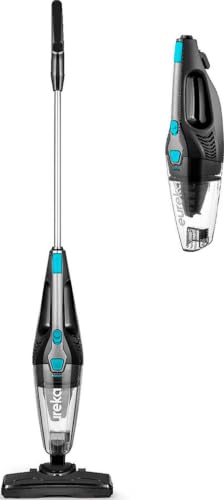

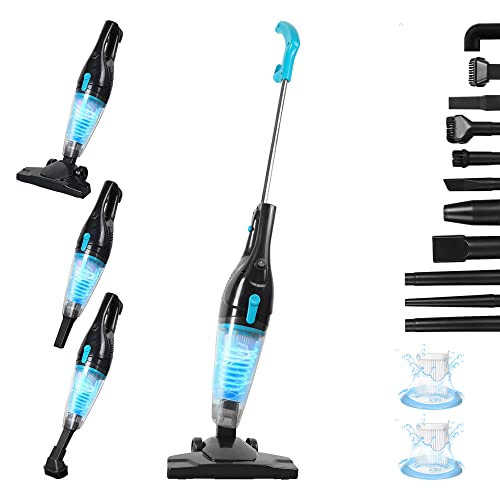

Who Should Buy Which Vacuums?
For Value Seekers
Value seekers should balance price with durability, because a vacuum that fails in a year is no bargain. Look for a simple design with widely available filters and belts, a motor warranty of at least a year, and a bin or bag system that is cheap to maintain. Around $100 to $200 buys a dependable corded upright or a basic cordless stick for small homes. Spend on suction and build quality first, and skip smart extras that add cost without adding cleaning power.
For People Who Want the Best Performance
If you want top cleaning results on a budget, focus on sealed filtration, strong air watts, and a motorized brush roll that adjusts to carpet height. Premium bargain models around $250 to $400 often add anti tangle brush designs and better edge cleaning along baseboards. These gains matter in homes with deep pile carpet, multiple pets, or allergy concerns. You still save versus flagship lines by giving up app controls, laser lights, and self empty docks.
For Gift Shoppers
A vacuum makes a practical gift for a first apartment, a new home, or a dorm move, as long as you match the type to the space. Lightweight cordless sticks are the safest gift for small homes because they store easily and handle daily crumbs and dust. Choose a model with a clear warranty and easy returns, and avoid very heavy uprights for recipients with stairs or limited strength. When in doubt, a mid weight stick around $150 to $250 fits the widest range of homes.
Key Features to Compare
What You Can Realistically Get on a Budget
On a bargain budget you can realistically get strong suction for hard floors and low pile carpet, a washable filter, and useful basic attachments for around $100 to $250. You will give up long cordless runtime, self empty stations, and the quietest motors. Do not accept a vacuum with no height adjustment for thick carpet or with filters that are hard to find, because upkeep costs erase the savings. A clear parts and support page from the maker is a good sign.
Vacuum Type (Upright, Canister, Stick, Robot, Handheld)
Uprights deliver the strongest deep cleaning for carpeted homes at the lowest cost per unit of power. Canisters follow easily and work well on stairs and mixed floors. Cordless sticks excel at daily quick cleans in apartments; see the options in the best battery powered vacuums guide if cord free use matters most.
Robots maintain floors between deep cleans, and handhelds handle cars and spills. Most homes do best with one full size type plus a cheap handheld.
Noise and Maintenance
Bargain vacuums are rarely quiet, but design choices help. Models with insulated motor housings and no beater bar rattle are easier to live with, especially in apartments. Maintenance drives real cost: washable filters save money, while bagged models need a steady supply of bags.
Check how easily the brush roll removes for cleaning, because hair wrap is the most common cause of lost suction. A vacuum you can service in five minutes with no tools will stay in service far longer.
Bin/Bag Capacity
Bagless bins around 0.5 to 1 liter suit apartments and weekly cleaning, while larger homes fill them fast and may prefer bagged models that hold a month of dust. Bagged systems cost more over time but release less dust when emptied, which helps allergy sufferers. Consider who empties the vacuum and where: a small bin that needs emptying mid clean in an outdoor bin loses its convenience quickly. For rug heavy homes, compare capacities alongside the models in the best vacuums for rugs guide.
Pet Hair Tools and Attachments
Pet homes need an anti tangle brush roll, a mini motorized tool for upholstery and stairs, and a crevice tool for litter and kibble in corners. Rubber pet tools pull hair from fabric better than plain suction nozzles. If shedding is heavy, prioritize models known for hair pickup, like those compared in the best vacuums for animal hair guide. Check that attachments store on board, because tools left in a closet rarely get used.
A final know how check before you buy: weigh the vacuum or check its listed weight, and picture carrying it on your stairs and lifting it into storage. A powerful model that feels awkward will get used less, and skipped cleaning shows up fast in homes with kids and pets. Also measure your storage closet or corner. A stick that hangs on a wall mount stays ready, while an upright that must be dragged from a packed closet quietly discourages quick daily cleans.
Common Mistakes to Avoid When Buying Vacuums
- Choosing on price alone and ending up with weak suction that needs two passes on every room.
- Ignoring what you can realistically get on a budget, then expecting flagship runtime from an entry cordless model.
- Buying too much vacuum for a small apartment or too little for a large carpeted house.
- Skipping the filter and bag cost, which can add up to a large share of the purchase price over three years.
- Forgetting to check warranty length and local service options before buying.
Care and Maintenance Tips
- Empty the bin before it is full, ideally at the max line or sooner, to protect suction.
- Wash or replace filters on the maker schedule; a clogged filter strains the motor and cuts cleaning power.
- Cut hair off the brush roll monthly, and check the ends for melted or stuck debris.
- Inspect the hose and seals for cracks when suction drops, since small leaks cause big losses.
- Store cordless batteries indoors at room temperature and avoid leaving them fully drained for weeks.
- Wipe sensors and wheels on robot models so navigation and edge cleaning stay accurate.
If you want automated daily upkeep, the combined guide to the best robot vacuums and mops explains where robots fit beside a full size vacuum. Rankings focused shoppers can also compare the best ranked vacuums across types before narrowing by price.
Frequently Asked Questions
How often should I replace the filter on a bargain vacuum?
Replace or wash the filter as often as the maker schedule states, commonly every 3 to 6 months for foam filters and yearly for HEPA filters. Homes with pets or heavy dust may need shorter intervals. A gray, stiff filter that no longer rinses clean is due even if the calendar says otherwise. Keeping a spare lets the washed filter dry fully for a day before reuse.
Are cordless vacuums strong enough for carpet?
Yes, many current cordless models clean low and medium pile carpet well, especially on their higher power settings. The limit is runtime: max power may last only 10 to 15 minutes, while standard modes run 30 to 60 minutes. For large carpeted homes, a corded upright still gives unlimited strong cleaning for less money. Match the choice to your square footage, not to the headline suction number.
Is HEPA filtration necessary in a vacuum?
HEPA filtration is necessary if someone at home has asthma or serious dust allergies, because it traps very fine particles that basic filters release. For other homes, a sealed system with a good standard filter is usually enough. Note that a HEPA filter in an unsealed body still leaks, so look for the words sealed system. When in doubt about allergy needs, ask your clinician what level of filtration suits your household.
What type of vacuum is best for my home?
The best type depends on your floors and layout. Mostly carpet points to an upright, mixed floors and stairs point to a canister or a stick with a motorized head, and hard floors in a small space point to a light cordless stick. Robot models maintain clean floors but rarely replace deep cleaning. Start with your largest floor type and your storage space, and the right type usually becomes clear.
Wrapping Up
Match the type to your floors, protect suction with easy maintenance, and count filter and bag costs before you call a vacuum a bargain. Use the comparison table above to check weight, capacity, and runtime against your routine. Chosen with those habits in mind, the best bargain vacuums keep a home clean for years without flagship prices or flagship upkeep.