Best Bed Bug Covers for Mattresses: Which One Fits the Way You Use It 2026
Disclosure: We may earn a commission when you buy through links on this page, at no extra cost to you. As an Amazon Associate I earn from qualifying purchases. Learn more

Find a bed bug cover that seals your mattress fully and stays quiet daily. Learn about zipper locks, fabric, depth, and washing before you buy.
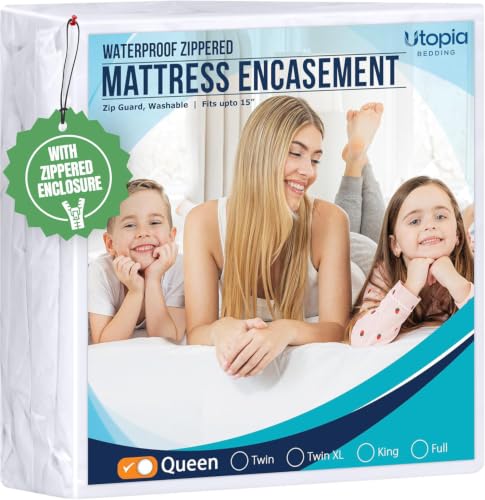
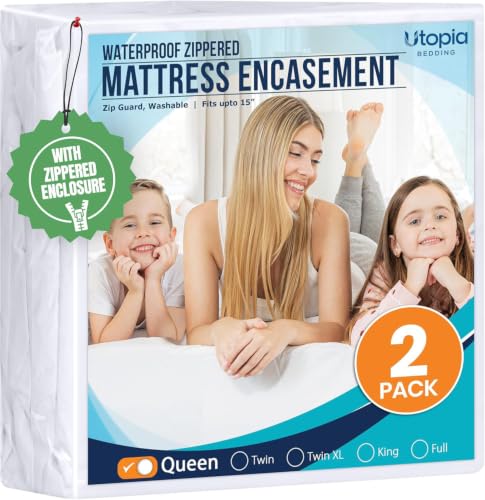
A bed bug cover is a zippered encasement that wraps the whole mattress, so insects already inside cannot get out and new ones cannot get in. The best bed bug covers for mattresses are defined by one thing above all: a sealed, fully closing zipper on a fabric that bugs cannot bite through or squeeze past. Softness and price matter, but they come second.
The product table lists encasements in a range of sizes and prices, and this guide explains the features that decide whether a cover actually does its job.
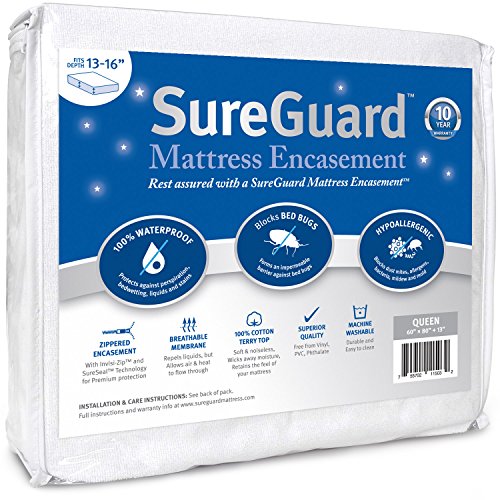
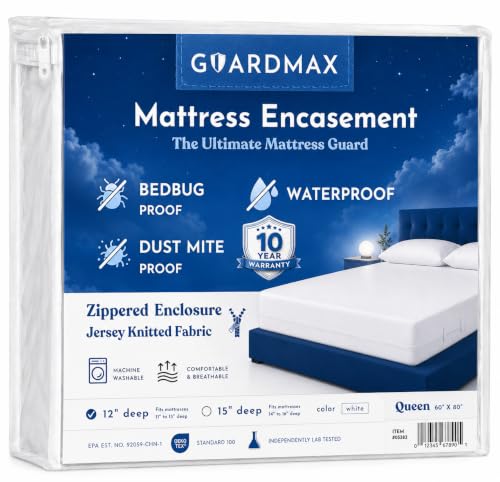

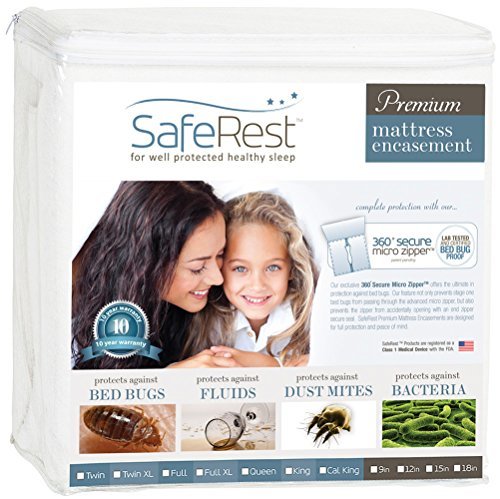

What a Bed Bug Cover Does and Does Not Do
An encasement turns the mattress into a sealed bag. Bugs hiding in seams and tufts are trapped, and the smooth outer surface leaves nowhere to hide on the bed itself. That makes it far easier to spot and treat any problem in the room, and it protects a clean mattress from becoming a permanent hideout.
It is not a treatment. A cover will not remove bugs that live in the headboard, the bed frame, curtains, or nearby furniture. If you suspect an infestation, call a licensed pest professional and use the cover as one part of a wider plan, alongside monitors and careful cleaning.
Who Needs a Bed Bug Mattress Cover
Homes With a Known Problem
Choose a full six sided encasement with a lockable zipper, and cover the box spring too if you use one. Leave the cover on for a long stretch, often a year or more, because removing it early can undo the protection.
Rentals, Dorms, and Guest Rooms
Prevention is the goal here. A durable cover that is easy to wipe or wash gives peace of mind in shared spaces, and it also protects the mattress if you move often. Pick a thin, quiet fabric so the bed still feels normal for guests.
Allergy Sensitive Sleepers
Many bed bug covers also block dust mites, thanks to the same tight weave. If you wake up congested, a zippered cover can help, but ask your doctor about persistent symptoms.
How to Choose the Best Bed Bug Covers for Mattresses
Zipper and Seal
This is the make or break feature. Look for fine teeth, a locking pull tab, and a fabric flap or stop that closes the end of the zipper so no gap remains. Check the zipper along its full length after fitting, and keep it closed at all times.
Fabric and Weave
A tight weave with a waterproof or laminated layer keeps bugs from slipping through and also guards against spills. Stretch knit tops feel softer, while vinyl feels louder. A quiet, breathable top matters more than extra padding.
Depth and Fit
Measure the mattress height, including any topper you plan to keep inside the cover, and choose a model made for that depth. A cover that is too tight strains the seams, and one that is too loose bunches and creates folds where bugs can hide.
Noise and Feel
Plastic backed covers can crinkle. Look for a soft, cloth faced surface and a thin profile, which keep the bed comfortable while still sealing completely.
Price Ranges
Basic covers around $20 to $35 suit prevention and spare rooms. Mid range covers around $35 to $60 often add stronger zippers and quieter fabric. Premium covers above that range tend to use thicker fabric and sealed seams, which helps long term use. Compare the price of covering both mattress and box spring, because sets often cost less than buying pieces one at a time.
Fitting and Care
- Strip the bed and vacuum the mattress seams before you start.
- Slide the cover on slowly and keep the zipper clear of fabric edges.
- Close the zipper fully and tape or clip the pull tab if the design allows.
- Check seams and the zipper after each wash and replace a cover with any tear.
Wash the cover only as the label allows, and dry it fully before you refit it. Add sheets, a mattress pad, and pillow protectors on top, because the cover works best as the base layer of a clean bed. Pillows can carry bugs too, so protect them in the same way.
To watch for activity around the bed, pair the cover with bed bug monitors under the legs, and see our guide to the best bed bug sprays for treatment options to discuss with a pest professional.
Box Springs, Pillows, and Other Furniture
Bed bugs hide in any dark seam, so the mattress is only part of the picture. Box springs have fabric undersides with many folds, which makes them a favorite hiding place, and many brands sell matching box spring encasements. Pillow protectors with the same zipper style do the same job for pillows. Platform beds and slat frames need a close look too: check the joints, screw holes, and the underside of the headboard, and keep the bed a few inches from the wall so the legs are easy to inspect.
When you travel, check the hotel mattress seams and keep luggage off the bed. A quick look at the piping along the edge of the mattress takes less than a minute and can save you from bringing a problem home.
Common Mistakes
- Leaving the box spring uncovered, which gives bugs a ready hiding place.
- Buying the wrong depth, then forcing the zipper and tearing the seam.
- Taking the cover off too early, before enough time has passed.
- Treating the cover as the only step, instead of checking the frame and room.
- Ignoring small rips, which break the seal completely.
FAQs
Do bed bug covers really seal a mattress?
A full encasement with a locking zipper seals the mattress on all sides. Any gap, tear, or open zipper end breaks that seal, so check it often.
How do I measure for a cover?
Measure the length, width, and depth of the mattress, then choose a cover made for your depth range. Do not guess from the bed size name alone.
Can I wash a bed bug cover?
Most can be washed, but follow the label for water temperature and drying. Dry the cover completely before fitting it again.
Will a cover change how my mattress feels?
A thin, quiet cover changes the feel very little, while thick padded or plastic backed covers can feel firmer or noisier.
How long should a cover stay on?
Keep it on for a long period, usually a year or more, since removing it early can let trapped insects out.
Final Thoughts
Pick a full encasement with a locking zipper, confirm the depth, and cover the box spring as well. The product table helps you compare sizes and prices quickly. With a careful fit, the best bed bug covers for mattresses keep your bed protected while you deal with the rest of the room.