
Best Bed Sheets by Budget: Smart Picks for 2026
Disclosure: We may earn a commission when you buy through links on this page, at no extra cost to you. As an Amazon Associate I earn from qualifying purchases. Learn more

The best bed sheets by budget: what $40, $50 and $110 sets deliver, which fibers and weaves matter, and how long each lasts.
You can spend $17 or $170 on a queen sheet set, and the difference is not always where the marketing says it is. Thread count claims, "hotel luxury" labels and exotic fibers make it hard to tell what you are paying for. This guide to the best bed sheets sorts the options by budget, so you can see exactly what each price tier delivers and where extra money truly improves your sleep.
We cover the three main tiers, the features worth paying for, and the long term costs most shoppers forget, such as replacement cycles and care. If you only remember one thing, make it this: fiber and weave affect comfort far more than a big thread count number.
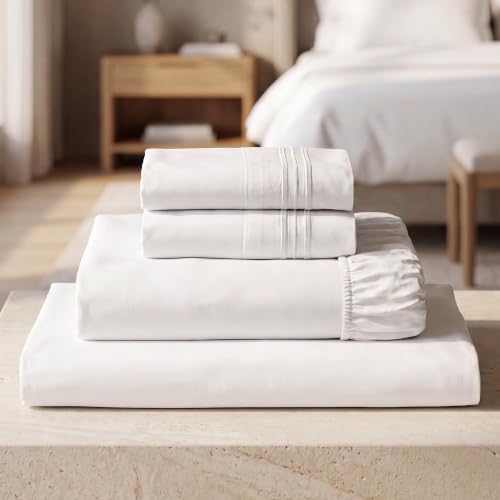


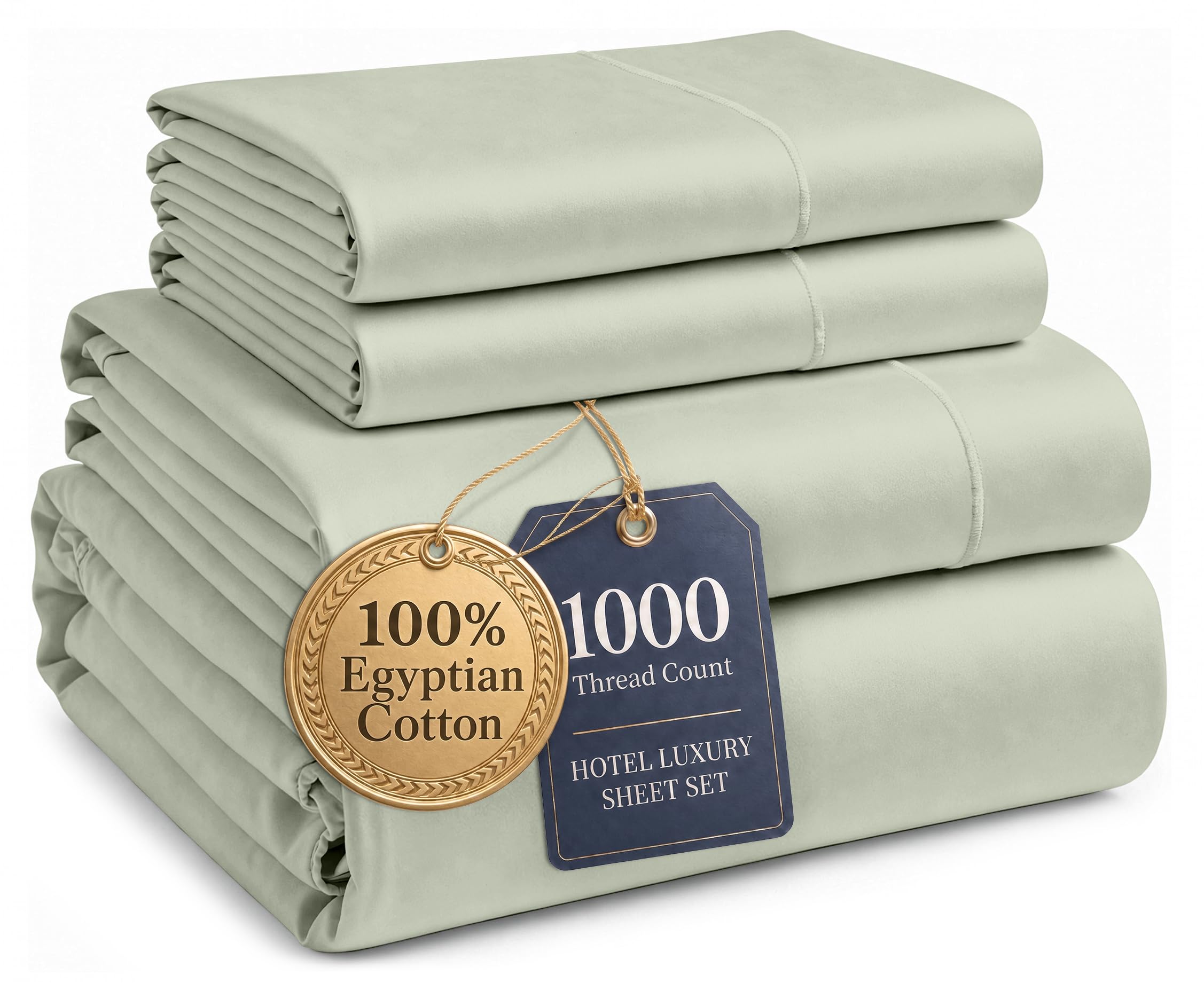


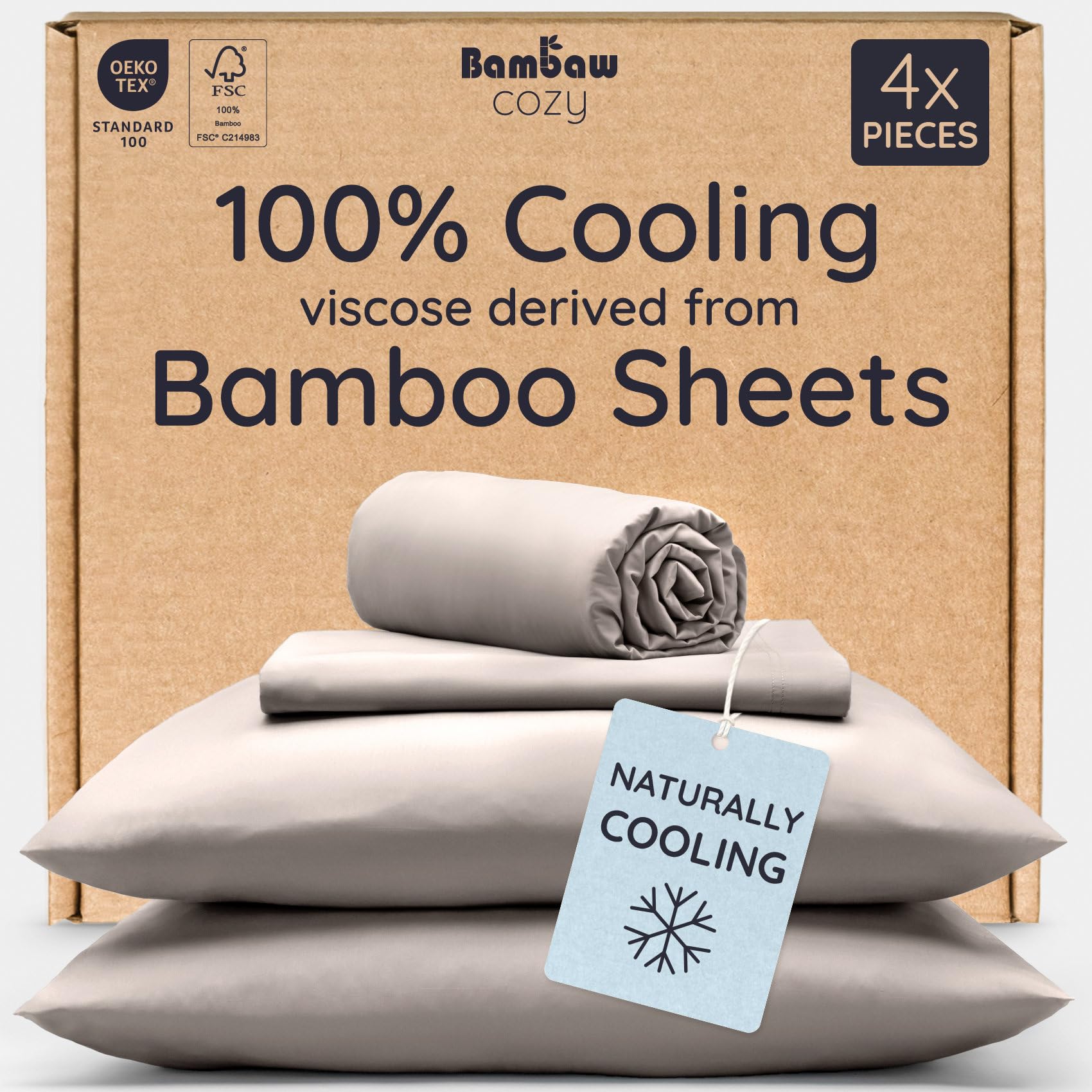
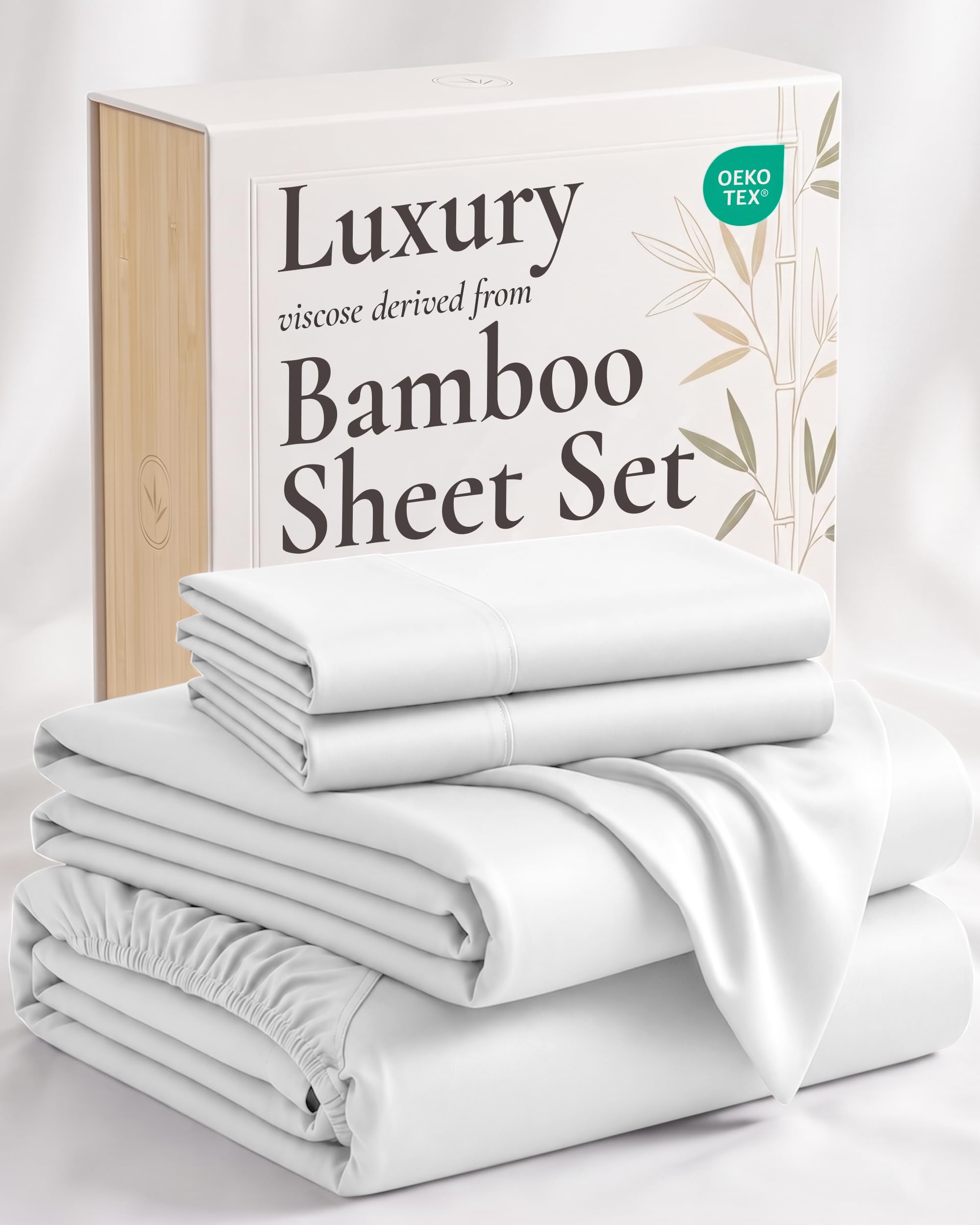


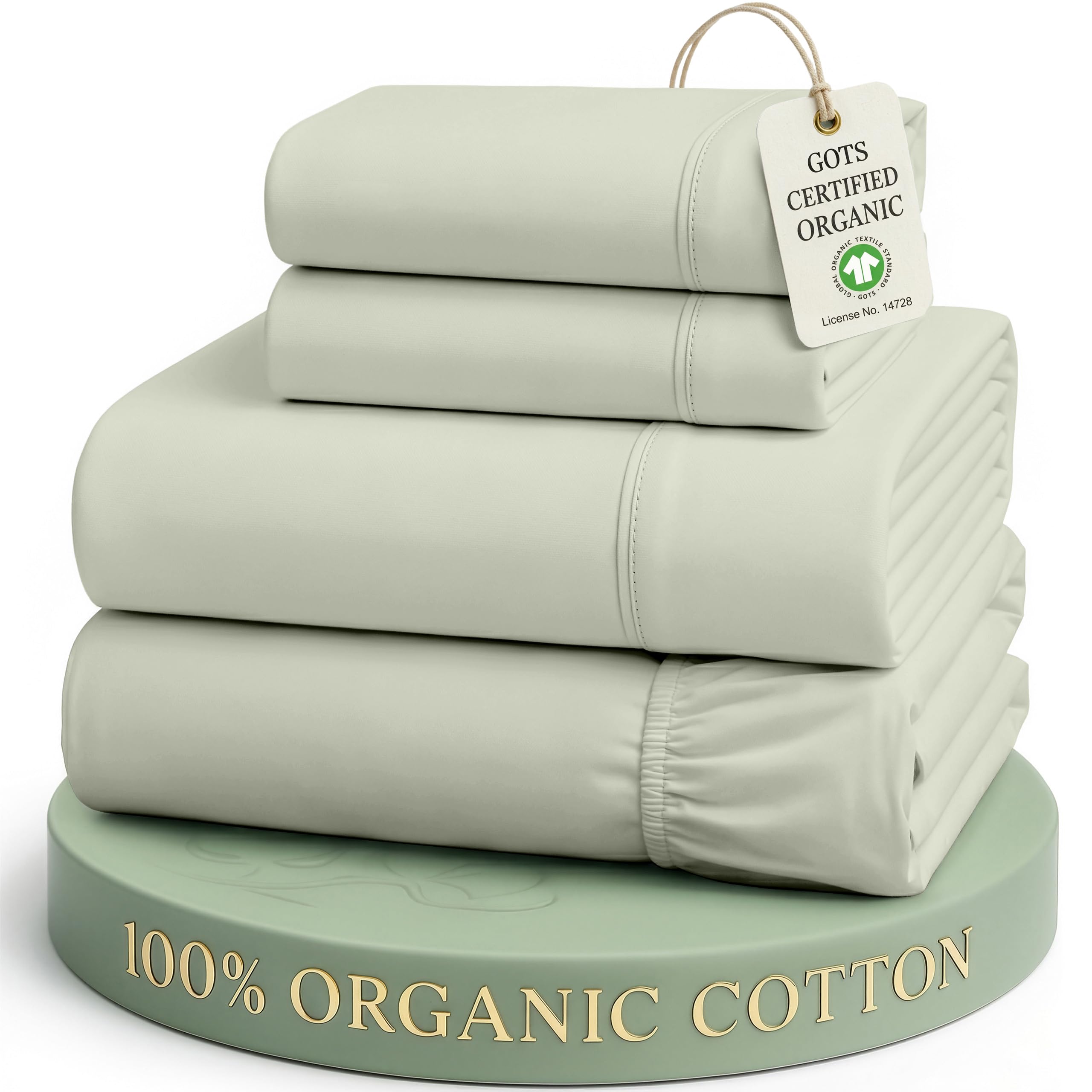
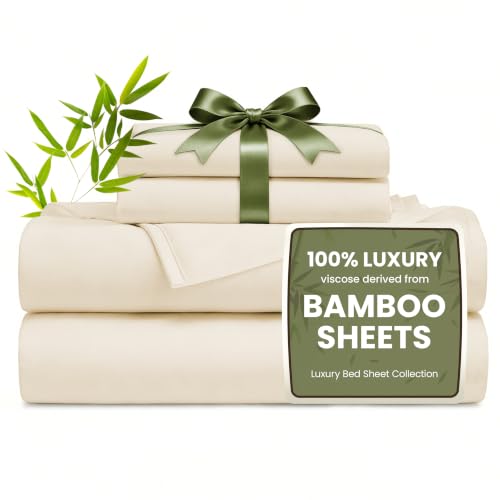
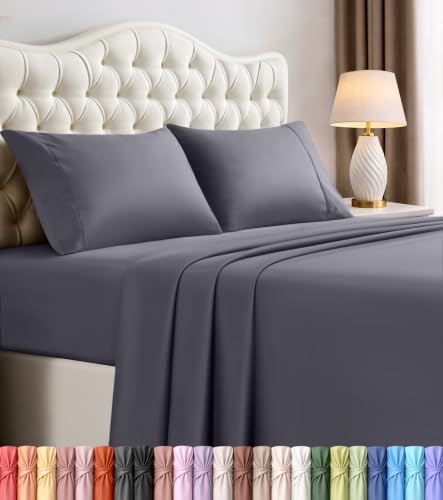
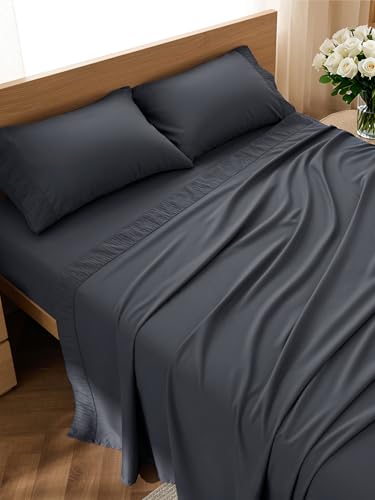
Top 3 Picks by Budget
These three sets come from the product table above and represent the strongest value in each price band. All are current listings sold new on Amazon US, with clear fabric details from the maker. Prices are for the queen or king sizes noted, and other sizes cost a little more or less.
We chose them by comparing fiber content, weave, pocket depth, care instructions and warranty terms, along with the overall pattern in buyer feedback. Each pick suits a different kind of sleeper, so read the "who it suits" notes before you buy.
Best Budget Pick: Mellanni Iconic Microfiber Sheet Set
The Mellanni Iconic queen set suits shoppers who want soft, wrinkle resistant sheets for around $37, and it is a smart choice for guest rooms, kids' beds and dorms. The fabric is a double brushed microfiber, and the fitted sheet has 16 inch deep pockets with all around elastic.
Two points stand out. Mellanni says the fabric kept its smooth finish after 50 wash and dry cycles in outside lab checks, and it resists pilling and fading, so it holds up to frequent laundering. The limitation is breathability: microfiber traps more heat than cotton or bamboo viscose, so hot sleepers may wake up warm. Skip it if you sleep hot or prefer the crisp feel of natural fibers.

Best Midrange Pick: California Design Den Cotton Sateen
The California Design Den queen set is for sleepers who want real cotton at a fair price, around $50. It uses single ply, 100 percent long staple cotton in a 400 thread count sateen weave, and the deep pocket fitted sheet fits mattresses from 8 to 16 inches.
Its strengths are a smooth, slightly lustrous feel that softens with each wash and a thread count the maker says is verified by independent labs. It is also a Good Housekeeping Best Bedding award winner for this year. The trade off is wrinkling: sateen cotton creases more than microfiber, so expect a relaxed look unless you remove it from the dryer promptly. Skip it if you want a crisp, matte percale feel.

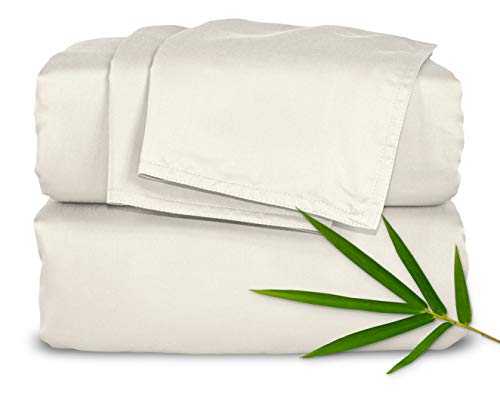
Best Premium Pick: Pure Bamboo Sheet Set
The Pure Bamboo king set suits hot sleepers and anyone who wants a silky, cool feel, at around $110 for a king. It is made from viscose derived from bamboo in a 300 thread count sateen weave, carries OEKO-TEX Standard 100 certification and fits mattresses up to 16 inches deep.
The appeal is temperature control and softness: bamboo viscose wicks moisture and feels cool to the touch, and the set includes envelope style pillowcases with double stitching. Pure Bamboo backs it with a two year guarantee against defects. The limitation is care: viscose needs gentle washing and lower dryer heat to last. Skip it if you want sheets you can wash hot and dry on high without thinking.
What Your Money Gets You at Each Price Tier
Sheet prices on Amazon US cluster in three bands. The figures below refer to queen sets; king and California king sets typically cost 15 to 30 percent more.
Budget Tier: What to Expect
Under around $40 you mostly find brushed microfiber and polyester blends, plus a few basic cotton blends. These sets are soft from the first night, resist wrinkles and dry quickly, which makes them practical for kids, guest rooms and anyone who hates ironing.
What you give up is breathability and longevity. Microfiber can feel warm and slightly slick, and lower quality sets may pill after months of washing. Seams and elastic are thinner, so fitted sheets can pop off deep mattresses. Still, the best budget sets offer good value, especially if you plan to replace them every couple of years anyway.
A few budget cotton blends exist, usually mixing cotton with polyester to cut cost and wrinkles. They breathe a little better than pure microfiber but rarely feel as soft. If you shop this tier, look for double brushed fabric, deep pockets with full elastic and a clear return policy, since quality varies more here than in any other band.
Midrange Tier: The Sweet Spot for Most Buyers
Between around $45 and $100, real cotton takes over. You can choose percale for a crisp, cool feel or sateen for a smoother, warmer drape, usually made from long staple cotton that resists pilling. Bamboo viscose and Tencel lyocell sets also start in this range.
This tier is the sweet spot because natural fibers breathe better and soften with each wash. Deep pocket fitted sheets with full elastic become standard, and many brands offer longer guarantees. For most sleepers, a well made cotton set here feels nearly as nice as premium options at half the price.
Midrange is also where you can start building a proper rotation: two good cotton sets cost about the same as one premium linen set, and rotating them doubles their lifespan. Many midrange brands sell extra pillowcases separately, which helps if you change pillowcases more often than sheets.
Premium Tier: When Spending More Pays Off
Above around $100 you pay for premium fibers such as Egyptian or Giza cotton, linen and higher grade bamboo viscose, along with better finishing details. Linen sets from brands like SONORO KATE and high thread count Egyptian cotton from LANE LINEN sit here.
Spending more pays off if you sleep hot, have sensitive skin, or want sheets that last many years. Linen gets softer over time and handles heat well, while long staple Egyptian cotton feels smooth and resists pilling. If you just want comfortable sheets for a guest room, though, premium prices rarely make sense.
At this level, check certifications and origin claims carefully. Terms such as Egyptian cotton or Giza cotton should come with fiber details, and linen should state whether it is French or European flax. Thread count claims above about 800 deserve skepticism unless the maker explains the yarn construction.
Best Bed Sheets: Features Worth Paying For (and Ones to Skip)
Some features change how you sleep. Others only change the price. Here is how to tell them apart and where each one usually appears.
Weave, Feel and Sleep Temperature
Weave affects how sheets feel and how warm they sleep. Percale is a one over, one under weave that feels crisp and matte, like a cool hotel sheet, and it suits hot sleepers. Sateen uses a one under, three over pattern that feels silky and drapes closely, so it sleeps a little warmer.
Your sleep temperature should drive this choice more than anything else. Hot sleepers do best with percale cotton, linen or bamboo viscose. Cold sleepers often prefer sateen or brushed microfiber, and flannel in winter. Weave is worth paying attention to at every price tier because it costs nothing extra.
Finish matters too. Garment washed or stonewashed sheets feel broken in from day one, while mercerized cotton has a subtle sheen and holds dye well. Brushed finishes add softness at the cost of some breathability.
Fit, Pocket Depth and Noise
A fitted sheet that slips off at 3 a.m. ruins even the softest fabric. Measure your mattress height, including any topper, and choose a pocket depth that is at least 1 to 2 inches deeper. Standard sets fit about 14 to 16 inches; thick pillow top mattresses may need 18 inch or deeper pockets.
All around elastic grips better than elastic only at the corners. Fabric noise matters too: crisp percale makes a light rustle, while microfiber and sateen are quiet. Sheet straps or suspenders help on adjustable bases. Fit is worth paying for; decorative extras such as embroidered hems are not.
Material and Fiber
Cotton is the most versatile choice, breathable and easy to care for, with long staple Egyptian, Pima and Supima varieties feeling smoother and lasting longer. Linen is the coolest and most durable natural fiber, though it feels textured at first. Bamboo viscose and lyocell feel silky and cool but need gentler care.
Microfiber is the budget champion for softness and wrinkle resistance, but it traps more heat. Certifications such as OEKO-TEX Standard 100 show the fabric was screened for harmful substances, which matters for sensitive skin and children's beds. Pay for fiber quality; skip claims like "1800 thread count microfiber," which use inflated numbers.
Durability and Care
Durable sheets use long staple fibers, single ply yarns, tight stitching and strong elastic. Double stitched hems and reinforced pillowcase seams last longer. A clear guarantee, such as a one or two year promise against defects, shows a maker stands behind its product.
Care also determines lifespan. Cotton and linen tolerate warmer washes, while viscose prefers cold water and low heat. Avoid fabric softener on moisture wicking fabrics, since it coats fibers and reduces breathability. Durability is worth paying for, because one set that lasts five years beats two cheap sets that pill in a year.
Long Term Costs to Factor In
The real cost of sheets includes how many sets you buy over time. Most households need two sets per bed so one can be washed while the other is in use. Budget microfiber may need replacing every one to two years, quality cotton lasts three to five years and linen can last even longer with care.
Laundry costs also add up. Heavier fabrics such as linen take longer to dry, and some delicate fibers need line drying or low heat. Add matching pillowcases and a mattress protector, which keeps sheets and mattress cleaner and extends the life of both. Over five years, a $100 set that lasts can cost less per night than repeatedly replacing a $30 set.
Finally, factor in returns and guarantees. Brands that offer a trial period or a multi year guarantee reduce the risk of being stuck with sheets that feel wrong, which is worth a few extra dollars when you are trying a new fabric for the first time.
FAQs
How often should I replace my bed sheet set?
Replace sheets every two to three years on average, or sooner if they pill, thin out, tear or lose their elastic grip. Quality cotton and linen sets often last longer, especially when rotated with a second set. Signs it is time include fabric that feels rough after washing, stains that will not lift and fitted sheets that no longer stay put.
How do I wash bed sheets safely?
Wash sheets weekly in warm water for cotton or cold water for bamboo viscose and microfiber, using a mild detergent. Avoid overloading the machine so sheets rinse fully. Skip bleach on colors and fabric softener on moisture wicking fabrics. Tumble dry on low or medium and remove promptly to reduce wrinkles. Always follow the care label first.
Are cooling bed sheets worth it for hot sleepers?
Yes, cooling sheets are worth it if you often wake up sweaty. Percale cotton, linen and bamboo viscose breathe better and wick moisture away from your skin, so they feel cooler through the night. They will not replace good airflow or a cooler bedroom, but they make a noticeable difference compared with microfiber or flannel.
What size sheets fit a deep mattress?
Measure your mattress height, including any topper, then choose a fitted sheet with pockets at least an inch or two deeper. Mattresses up to 16 inches fit most standard deep pocket sets. Thicker mattresses or mattress plus topper combinations over 16 inches need extra deep pocket sheets, often labeled 18 to 22 inches.
Do bed sheets shrink in the wash?
Natural fiber sheets can shrink slightly, usually in the first few washes. Cotton may shrink a few percent, especially if washed hot and dried on high heat, while linen and bamboo viscose prefer gentler care. Choose a pocket depth with a little extra room, wash in cool or warm water and dry on low to keep shrinkage to a minimum.
Is a higher thread count always better?
No, a higher thread count is not always better. Quality depends more on fiber length and ply. A 300 to 500 thread count set made from long staple, single ply cotton often feels better and lasts longer than a 1,000 thread count set using thin multi ply yarns. Very high numbers on microfiber are usually marketing rather than a real measure of quality.
Wrapping Up
The best bed sheets for you depend on three things: the fiber and weave that match your sleep temperature, a fitted sheet deep enough for your mattress, and construction that survives frequent washing. The Mellanni Iconic set is a great budget pick, the California Design Den cotton sateen offers the best everyday value, and the Pure Bamboo set is worth the upgrade for hot sleepers.
For more bedding help, see our guides to the best cooling bed sheets, the best bed sheets for thick mattresses and the best percale sheets, plus our picks for the best cooling pillows and the best affordable duvet covers. Then compare current prices in the product table above.


