Best Bagless Vacuums 2026 Cleaning Guide
Disclosure: We may earn a commission when you buy through links on this page, at no extra cost to you. As an Amazon Associate I earn from qualifying purchases. Learn more
Compare bagless vacuums for homes and pet hair. Learn about dust bins, filters, suction, and easy emptying before you buy a new model. Shop smart.
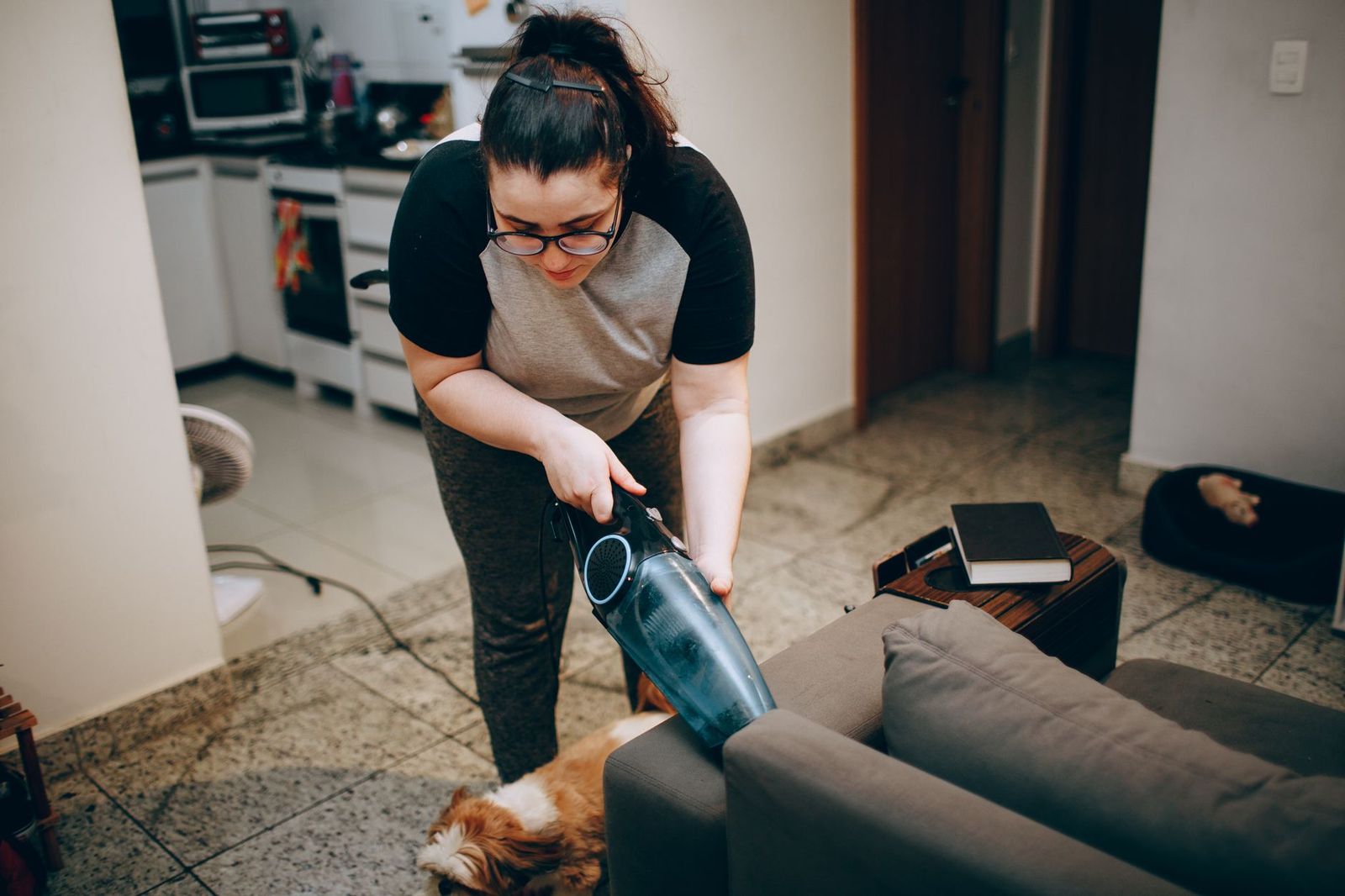
Choosing the best bagless vacuums means weighing convenience against dust exposure and filter care. Bagless models save the recurring cost of bags and let you see when the bin fills, but emptying releases a puff of dust unless you handle it carefully. For many households, that trade off is worth it, especially with pets or large areas to clean.
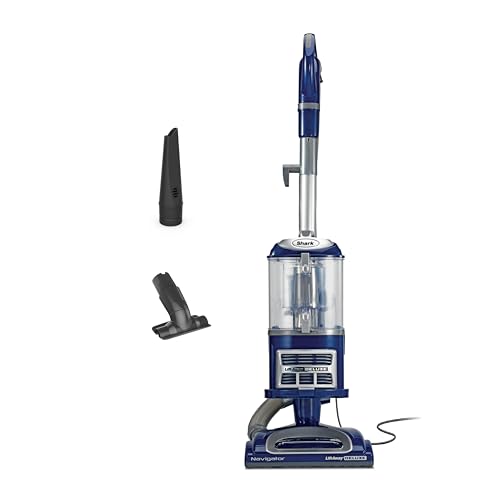
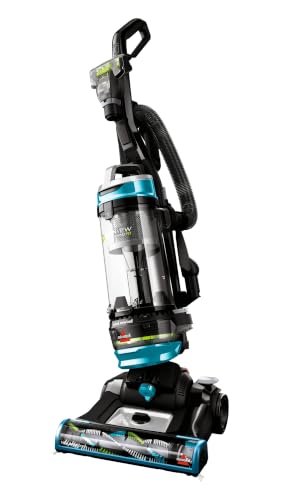
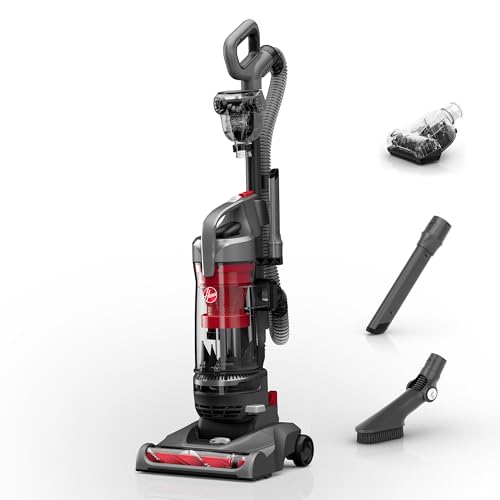
The comparison table below compares the main types, and this guide explains bin capacity, filtration, suction, and maintenance. Read it before buying, so the vacuum suits your home, your floors, and your tolerance for dust.




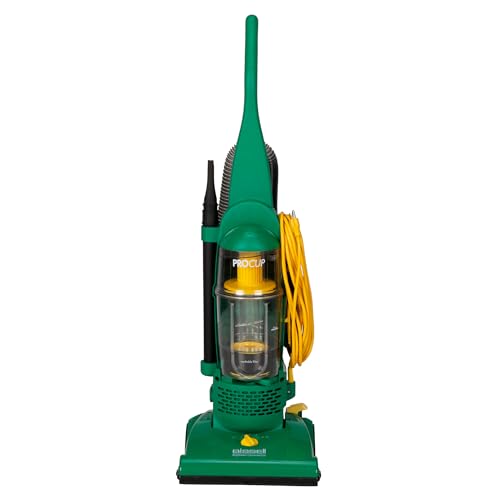

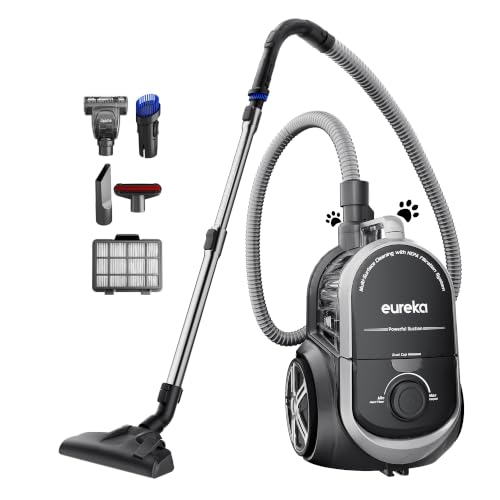
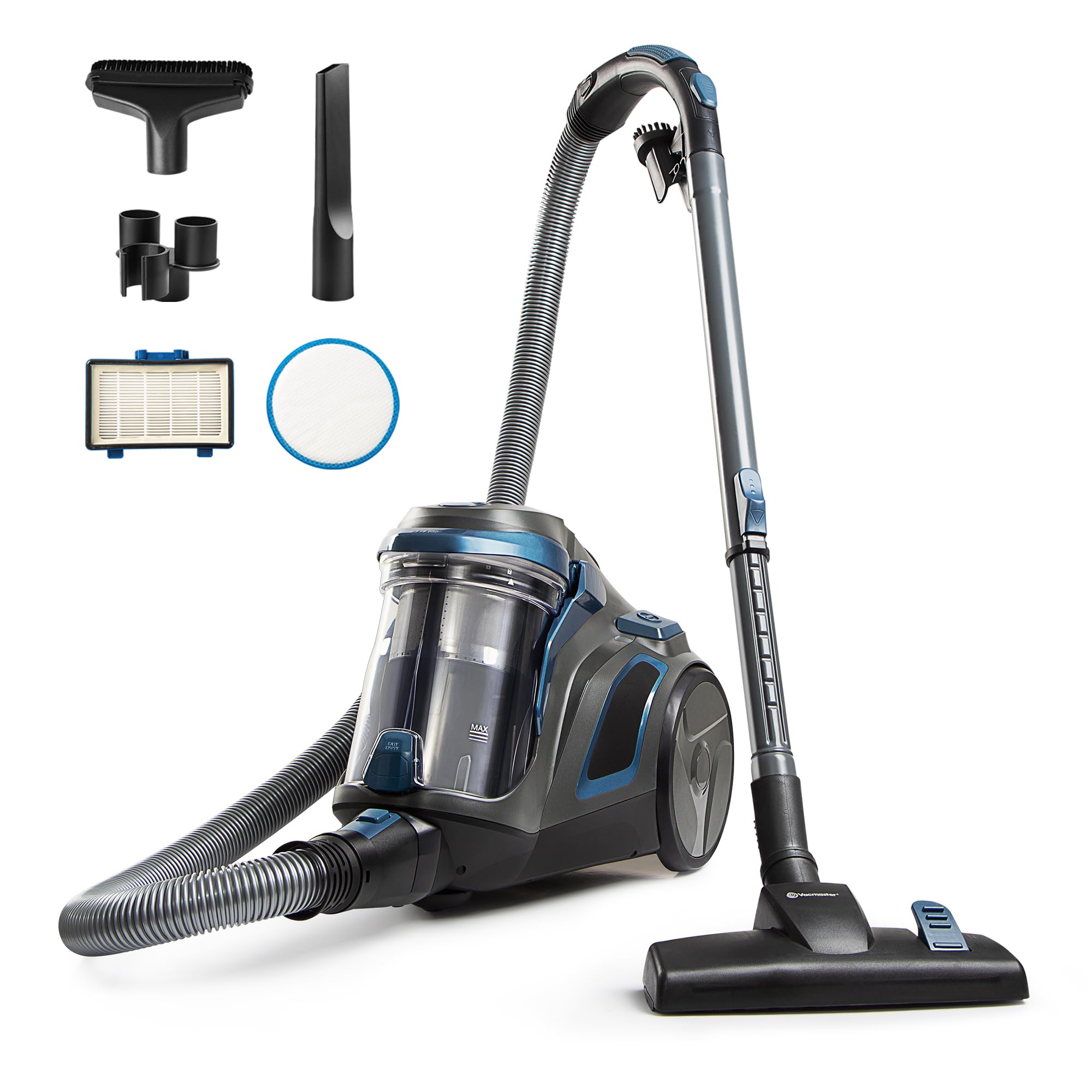
Dust Bin Capacity and Emptying
Bin capacity decides how often you stop to empty. A larger bin suits big homes and pet hair, while a small bin is fine for apartments but needs emptying mid clean in larger spaces. Check whether the bin empties from the bottom with one button, which keeps hands cleaner than a bin you must shake out.
Empty the bin outdoors or over a bin, and tap it gently rather than shaking hard, which releases dust. Wash the bin occasionally with warm water and dry it fully before refitting, since damp bins develop odors. A bin that empties cleanly, without dust clinging to corners, saves time and mess.
Filtration and Allergy Considerations
Filtration matters most for allergy households. A sealed system with a washable high efficiency filter traps fine dust, while a leaky system lets dust escape around seals. Check filter type and replacement cost, and whether filters wash or need replacing.
Bagless emptying inevitably releases some dust, so allergy sufferers should empty outdoors and wear a mask if sensitive. Bagged models contain dust better at emptying, so weigh that against bag costs. For mild allergies, a good sealed bagless model with regular filter care works well.
Suction, Brush Heads, and Floor Types
Suction power matters, but brush head design matters more on carpet. A motorized brush head lifts pet hair and deep dirt, while a hard floor head with soft bristles protects wood and tile. A vacuum that switches heads easily saves time in mixed floor homes.
Check suction adjustment, since high suction can make a head hard to push on rugs or lift lightweight mats. A vacuum with adjustable power handles both deep carpet and delicate rugs. Test the vacuum on your own floors if possible, since shop floors do not reflect home conditions.
Corded Versus Cordless Bagless Models
Corded bagless vacuums offer unlimited runtime and stronger sustained suction, which suits large homes and deep cleaning. Cordless stick models offer speed and convenience for quick cleans, but battery life limits session length and suction may drop as the battery fades.
Many households use both: a corded model for weekly deep cleans and a cordless stick for daily spills and pet hair. If you choose one only, match it to your main job: large homes favor corded, small apartments favor cordless. Check battery runtime at the power level you actually use.
Maintenance That Keeps Suction Strong
Bagless vacuums need regular filter washing and brush head cleaning to hold suction. Hair wraps around brush rollers and reduces cleaning, so cut it away regularly with scissors, taking care not to cut bristles. Check hoses for blockages when suction drops, since a hidden blockage mimics motor wear.
Wash filters as the maker directs and dry them fully before refitting, since a damp filter restricts airflow and can smell. Replace filters on schedule, even if they look clean, since fine pores clog invisibly. Short regular maintenance beats occasional deep cleaning.
A Final Check Before You Order
Before ordering, note your home size, floor types, pet situation, and allergy needs. Compare those details with the product table above, and choose bin size and filtration to match. A vacuum that empties easily and holds suction will get used properly, while a fiddly one gets avoided.
Check parts availability for filters and brush heads before committing, since consumable costs add up. With the right bagless model, cleaning stays quick, visible, and bag free, which suits many busy households well.
For related vacuum options, see our guides to best bagless canister vacuums, best lightweight bagless vacuums, best vacuums for animal hair and best battery powered vacuums, covering bagless canister models, lightweight picks, pet hair, and battery powered cleaning.
Bagless Vacuums for Allergy Households
Allergy households need to weigh bagless convenience against dust exposure at emptying. A sealed bagless system with a high efficiency filter performs well during cleaning, trapping fine particles that cheaper models recirculate. The weak point is emptying, so empty outdoors, downwind, and away from open windows to keep dust out of the house.
Consider a bagless model with a hygienic emptying mechanism that seals the bin base or uses a dust cup that empties without shaking. Wash filters on schedule, since a clogged filter lets dust bypass and reduces suction. Keep a spare filter so washing never leaves you without a working vacuum.
If allergies are severe, a bagged model may still suit better, since sealed bag disposal contains dust completely. Talk with your clinician about dust exposure if symptoms persist despite good vacuum maintenance. The right choice balances convenience, filtration, and how sensitive your household actually is.
Choosing Brush Heads for Mixed Floors
Mixed floor homes need a vacuum that transitions smoothly between carpet, wood, and tile. A motorized brush head excels on carpet but can scatter debris on hard floors, while a hard floor head glides on wood but struggles with deep carpet. A vacuum with an easily switched head, or a head that adjusts automatically, saves time and improves results.
Check whether the brush roller can be switched off for hard floors, since a spinning roller on wood can fling dust and scratch delicate finishes. Soft bristle strips on hard floor heads protect surfaces while guiding debris into suction. Test the vacuum on each floor type in your home before committing, since shop floors rarely match.
Pet hair adds another factor: a brush head with anti tangle features reduces hair wrap and maintenance. If you have pets and mixed floors, prioritize a head that handles both hair and hard surfaces well. The right head matters more than headline suction for everyday cleaning results.
Pet odor in bagless vacuums usually comes from a dirty bin, filter, or brush head rather than the motor itself. Wash the bin and filters regularly, clean hair and debris from the brush roller, and let all parts dry fully before refitting. A vacuum that smells fresh after cleaning is simply a vacuum maintained on schedule, while one that smells stale usually needs a filter wash and a bin clean, not replacement.
Empty the dust bin after every large clean rather than waiting until it is completely full, since suction drops as the bin fills and fine dust compacts into corners. Frequent emptying keeps performance steady and makes the task quicker and cleaner overall.
Frequently Asked Questions
Are bagless vacuums good for pet hair?
Yes, especially models with a motorized brush head and a large bin, since pet hair fills small bins quickly. Empty the bin often during pet heavy cleans, and clean the brush roller regularly to prevent hair wrap. A sealed filtration system also helps contain dander and fine dust.
Do bagless vacuums release more dust?
Emptying a bagless bin releases more dust than disposing of a sealed bag, but careful emptying outdoors minimizes exposure. Washable filters and sealed systems reduce dust during cleaning itself. Allergy sufferers who are highly sensitive may prefer bagged models for cleaner disposal.
How often should I wash vacuum filters?
Wash filters every one to three months, depending on use and maker guidance, and dry them fully before refitting. Homes with pets or heavy dust need more frequent washing. Replace filters on the maker schedule, since washing cannot restore a filter whose fine pores have clogged permanently.
Why has my bagless vacuum lost suction?
Common causes are a full bin, a dirty filter, a blocked hose, or hair wrapped around the brush roller. Empty the bin, wash or replace filters, check hoses, and clear the brush head. If suction stays low after those steps, check seals and the motor filter, or seek service advice.
Corded or cordless bagless vacuum: which is better?
Corded models suit large homes and deep cleaning with unlimited runtime and stronger suction. Cordless sticks suit small homes and quick daily cleans with speed and convenience. Many households benefit from both, using corded for weekly cleans and cordless for spills and pet hair between them.
Final Thoughts
The best bagless vacuums for your home balance bin size, filtration, and suction for your floors and lifestyle. Use the product table above to compare types, and keep filters clean to hold performance. Bag free cleaning works best when maintenance stays simple.