Best Battery Operated Push Lawn Mowers in 2026: A Clear Guide for First Time Buyers
Disclosure: We may earn a commission when you buy through links on this page, at no extra cost to you. As an Amazon Associate I earn from qualifying purchases. Learn more

The best battery operated push lawn mowers cut quietly with no gas or cord. Compare deck size, runtime and weight for your yard.
Buying your first mower can feel confusing because voltage, deck width and runtime all sound technical at once. The best battery operated push lawn mowers are walk behind mowers that run on rechargeable batteries and move forward because you push them. This guide explains each term in plain language so you can use the product table with confidence.
You need no gas, oil or power cord with this type of mower. You charge a battery, click it into place and mow, then recharge it for the next cut. The sections below cover yard size, battery needs, cutting choices and care.


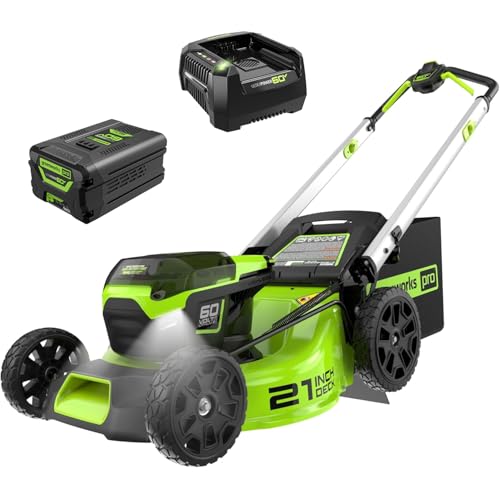
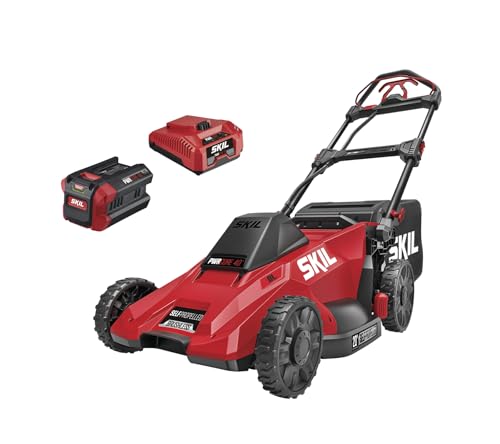
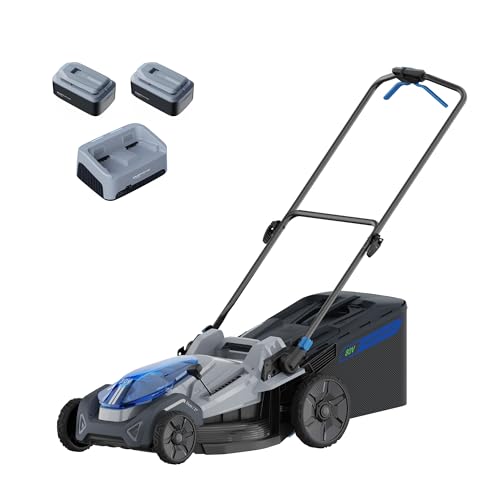
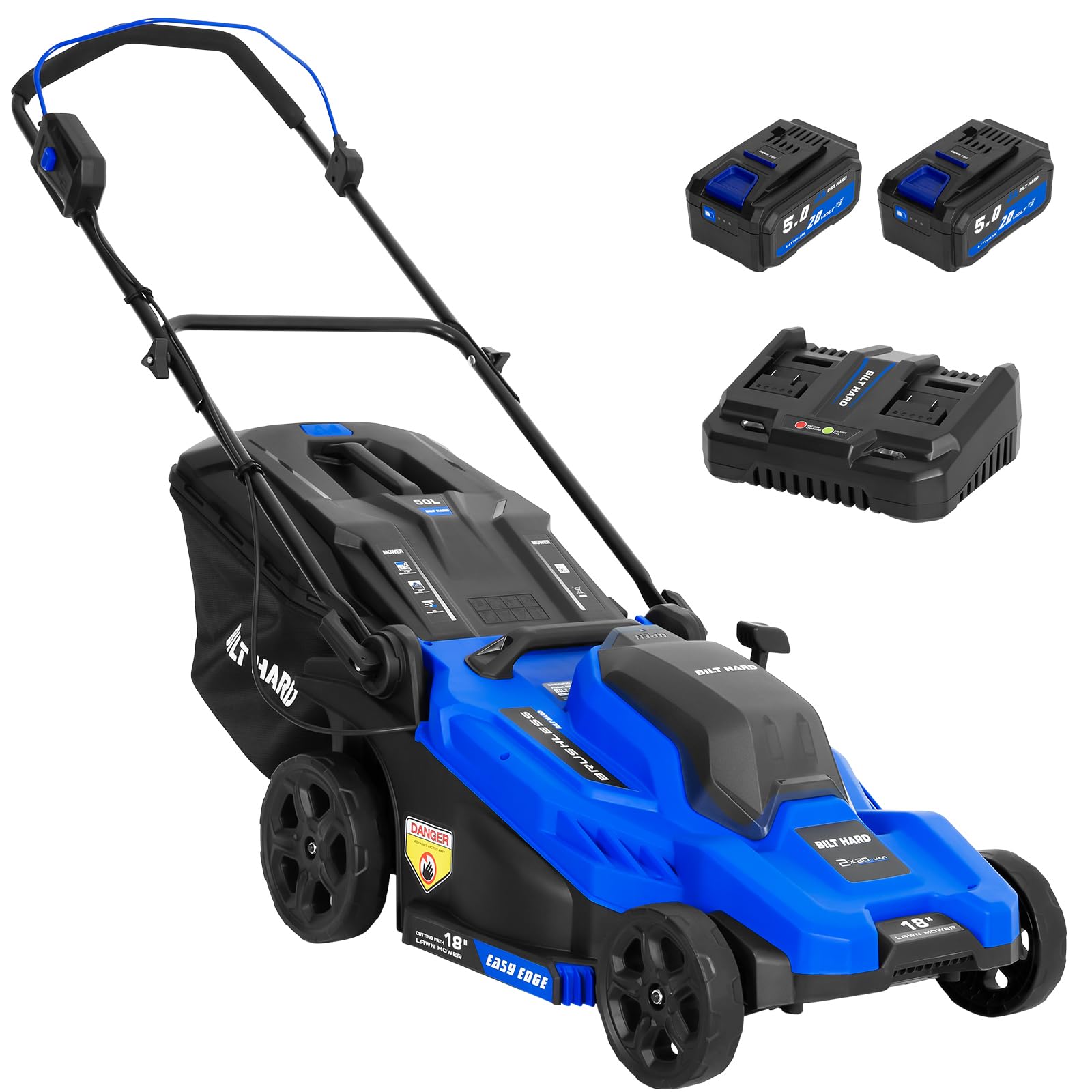
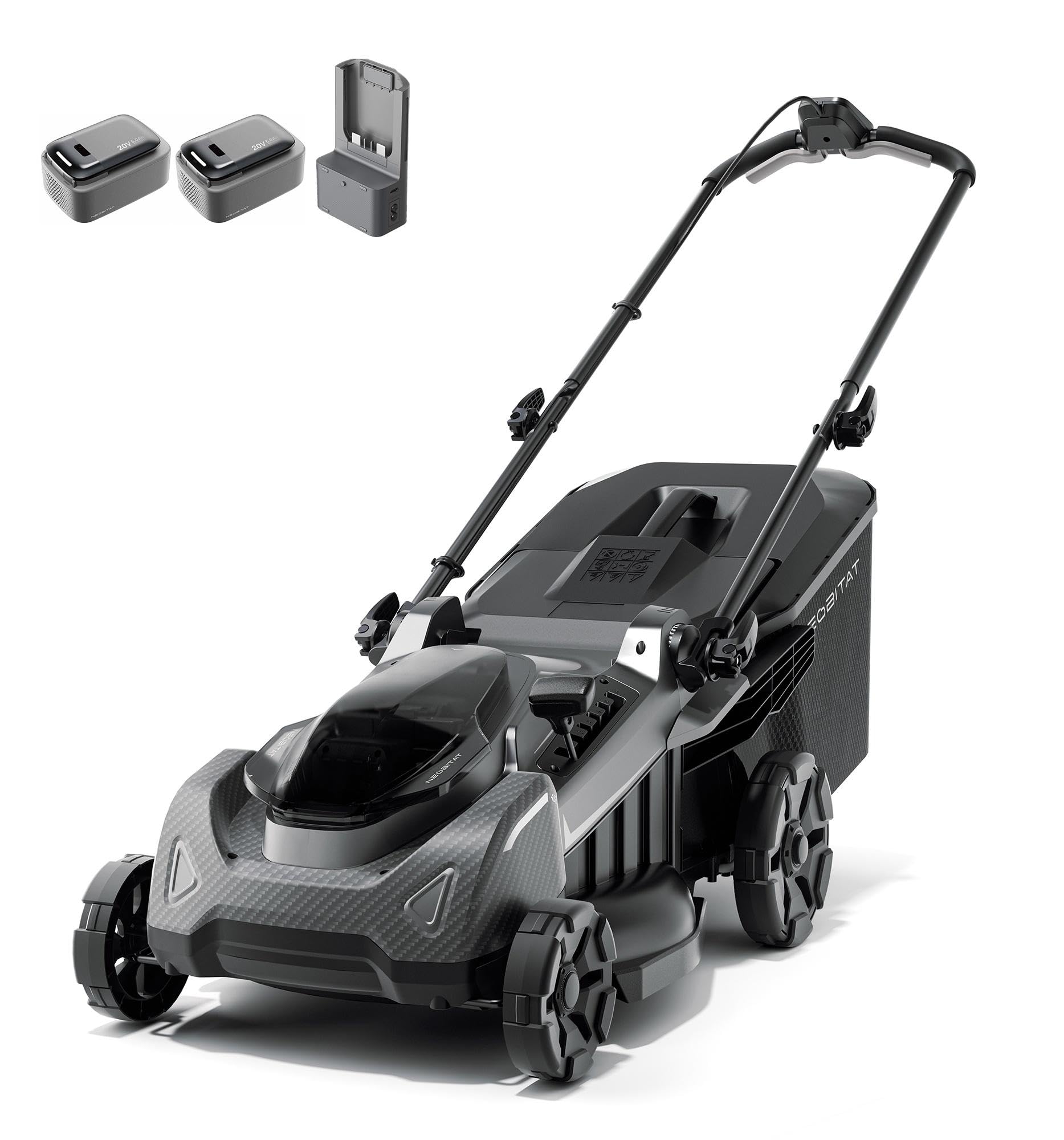


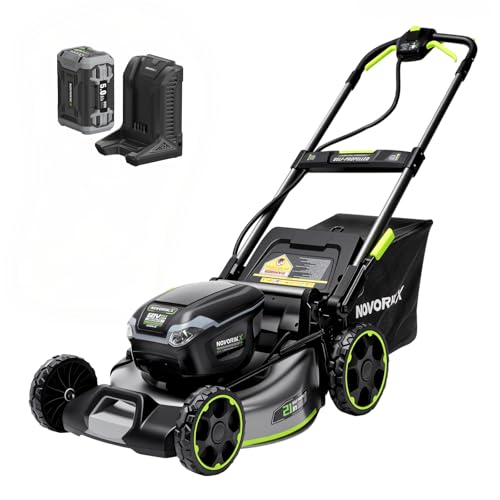
Battery Operated Push Lawn Mowers 101: The Basics
A battery operated push mower uses an electric motor powered by a removable lithium ion battery pack. The motor spins a single blade under a housing called the cutting deck, and the blade cuts grass as you walk at your own pace. There is no pull cord, no fuel and no engine oil, and the mower starts with a button and runs much more quietly than a gas model.
Push is an important word here. A true push mower has no drive system, so your walking provides all forward motion and the mower stays light and simple. A self propelled model uses power to turn the wheels and costs more. For the wider category view, see our guide to the best battery operated mowers.
Who Should Buy a Battery Operated Push Mower?
Your yard size, slope and grass type matter more than any single spec. Match your situation below first, then check the specs that fit it.
Owners of Small and Mostly Flat Yards
You are the ideal buyer if your lawn is under about one quarter acre and mostly level. A lighter mower with a deck of about 14 to 18 inches and one battery will usually finish in one session, and storage is easy in a garage corner.
Homeowners with Medium Yards and Close Neighbors
You suit a mid size deck and a larger battery or a second battery if your lawn is about one quarter to one half acre. Quiet running matters when homes sit close, because you can mow earlier without disturbing the street. A shared battery platform lowers total cost too.
New Homeowners Replacing a Gas or Corded Mower
You will notice the change most in routine care. There is no fuel to store and no cord to drag around trees and beds. In return, you must plan around charge time and keep grass from growing too long, because tall and wet grass drains a battery far faster.
Battery Mower Specs Decoded: Voltage, Runtime and Deck Size
Read each spec for what it changes in your hands and on your lawn, because the best battery operated push lawn mowers for one yard can be a poor match for another. Start with runtime and deck width, then work down the list.
Battery Voltage, Amp Hours and Runtime
Voltage describes the power level of the battery system, and most push mowers use systems from 20 to 80 volts. Amp hours describe how much energy the pack holds, so a higher rating generally means a longer run before you recharge or swap packs. Makers often quote about 30 to 60 minutes per charge, but thick grass shortens that time. For a medium yard, choose two batteries or one high capacity pack, and see our guide to the best batteries for lawn mowers.
Cutting Deck Width and Yard Size
The cutting deck sets how wide a strip the blade cuts on each pass, and common widths run from about 14 to 21 inches. A wider deck finishes an open lawn in fewer passes, while a narrower deck turns more easily around beds and fences and weighs less to push. Measure your narrowest gate first, because a deck that cannot pass it creates a problem on every mowing day.
Cutting Height Adjustment
Cutting height is how high the blade sits above the ground, and most mowers adjust from about 1 to 4 inches. A single lever that moves all wheels at once is easiest for a new buyer, while levers at each wheel cost less but can end up uneven if you miscount. Taller settings suit summer heat, and lower settings suit a short spring finish.
Deck Material and Build Quality
Most decks are steel or a tough composite material. Steel feels solid and holds up well to bumps, but it weighs more and can rust if paint chips and wet clippings sit against the metal. Composite decks weigh less and do not rust, which helps if you push uphill or lift the mower into storage. Check handles and folding joints for flex and loose play.
Mulch, Bag and Side Discharge Options
Many mowers offer three ways to handle clippings. Mulching cuts clippings finely and drops them back onto the lawn, where they break down and return moisture to the soil. Bagging collects clippings in a rear bag for a clean finish when grass grew too long. Side discharge throws clippings out of a side chute and suits tall areas where a bag would fill too fast.
Wheels, Weight and Mowing on Slopes
Larger rear wheels roll more easily over bumps and roots and make turning smoother. Total weight matters because you supply the pushing force, so a lighter mower will feel better across a full session than a heavier model. On slopes, mow across the slope rather than up and down, keep your footing firm and stop if the ground is wet. Push mowers suit gentle slopes best.
Rookie Mistakes to Avoid
Most first time problems come from sizing and habits, not from the mower itself.
- Buying by voltage alone leaves you with strong power but too little runtime to finish your yard.
- Choosing a deck that is too wide for your gate or shed makes storage a struggle every week.
- Letting grass grow too long before cutting forces the motor to work harder and drains the battery faster.
- Mowing wet grass causes clippings to clump under the deck and leaves an uneven finish.
- Storing a battery fully drained or in a hot shed shortens its life and reduces runtime.
Unboxing and Assembling Your Battery Push Mower for the First Mow
Unfold the handle and lock it at a height that lets your arms bend slightly as you walk. Charge the battery fully before the first cut, click it in until it latches and check that the bag or mulch plug sits firmly. Walk the yard first and remove sticks, stones and toys, because the blade can throw small objects.
Set the height in the upper part of the range and mow in straight and slightly overlapping rows. Never cut more than one third of the grass blade at once, because removing more stresses the lawn and leaves it pale. If grass is very long, raise the deck for a first pass and lower it for a second pass on another day.
Care and Maintenance for a Battery Push Mower
After each use, remove the battery and brush dried clippings from under the deck so airflow stays clear. Keep the blade sharp and have it sharpened each season, or sooner if you see torn and white grass tips, because a dull blade tears grass instead of cutting it. For related styles, see our guide to the best electric battery push lawn mowers and our guide to the best battery push mowers.
Store batteries indoors at room temperature, partly charged if the maker advises it, and away from water and extreme heat. Charge after use rather than leaving a pack empty for weeks. Replace a bent or cracked blade at once rather than trying to straighten it.
Your Questions About Battery Push Mowers Answered
What size battery operated push lawn mower do I need for my yard?
Choose deck width and battery size together based on your lawn area. A deck of about 14 to 18 inches with one battery suits most lawns under one quarter acre, while a deck of about 19 to 21 inches and two batteries suit lawns up to about one half acre. Beds and trees add turns and time too.
Are battery operated push lawn mowers as good as gas push mowers?
For most small and medium home lawns, yes, a battery push mower cuts just as neatly as a gas model. Gas still holds an edge for very tall or wet grass and for long sessions, because you can refuel in minutes. Battery models win on quiet running, simple starting and far less routine care.
How long does a battery operated push lawn mower last?
A battery operated push lawn mower often lasts about 5 to 10 years with basic care, while the batteries usually need replacement sooner. Battery life depends on how often you charge, how deeply you drain each pack and where you store it. Check replacement prices before you buy.
How often should I sharpen battery operated push lawn mower blades?
Sharpen the blade at least once each mowing season for a typical home lawn. Sharpen sooner if you mow sandy soil, strike sticks often or notice ragged grass tips that turn light a day after cutting. A sharp blade also helps runtime in a small way, because clean cutting takes less motor effort than tearing grass with a dull edge.
Can a battery operated push lawn mower handle one acre on one charge?
One acre is a stretch for a single charge on most push mowers. A full acre can take well over an hour of walking, and most single battery kits run for about 30 to 60 minutes in real conditions. Owners of an acre usually swap in extra batteries or split the lawn into two sessions.
Final Thoughts
For a first purchase, put runtime and deck width first, then cutting height control and clipping options. A mower that finishes your yard on one charge, fits through your gate and feels light to turn will satisfy you more than the highest voltage number. Use the product table to compare deck size, battery count and weight.
When you choose best battery operated push lawn mowers with those basics in mind, you get quiet and simple cutting without fuel or cords. Pick the size that fits your lawn, keep the blade sharp and the battery stored well.