
Best Bedding Plants for Planters: What Actually Matters Before You Buy for 2026
Disclosure: We may earn a commission when you buy through links on this page, at no extra cost to you. As an Amazon Associate I earn from qualifying purchases. Learn more
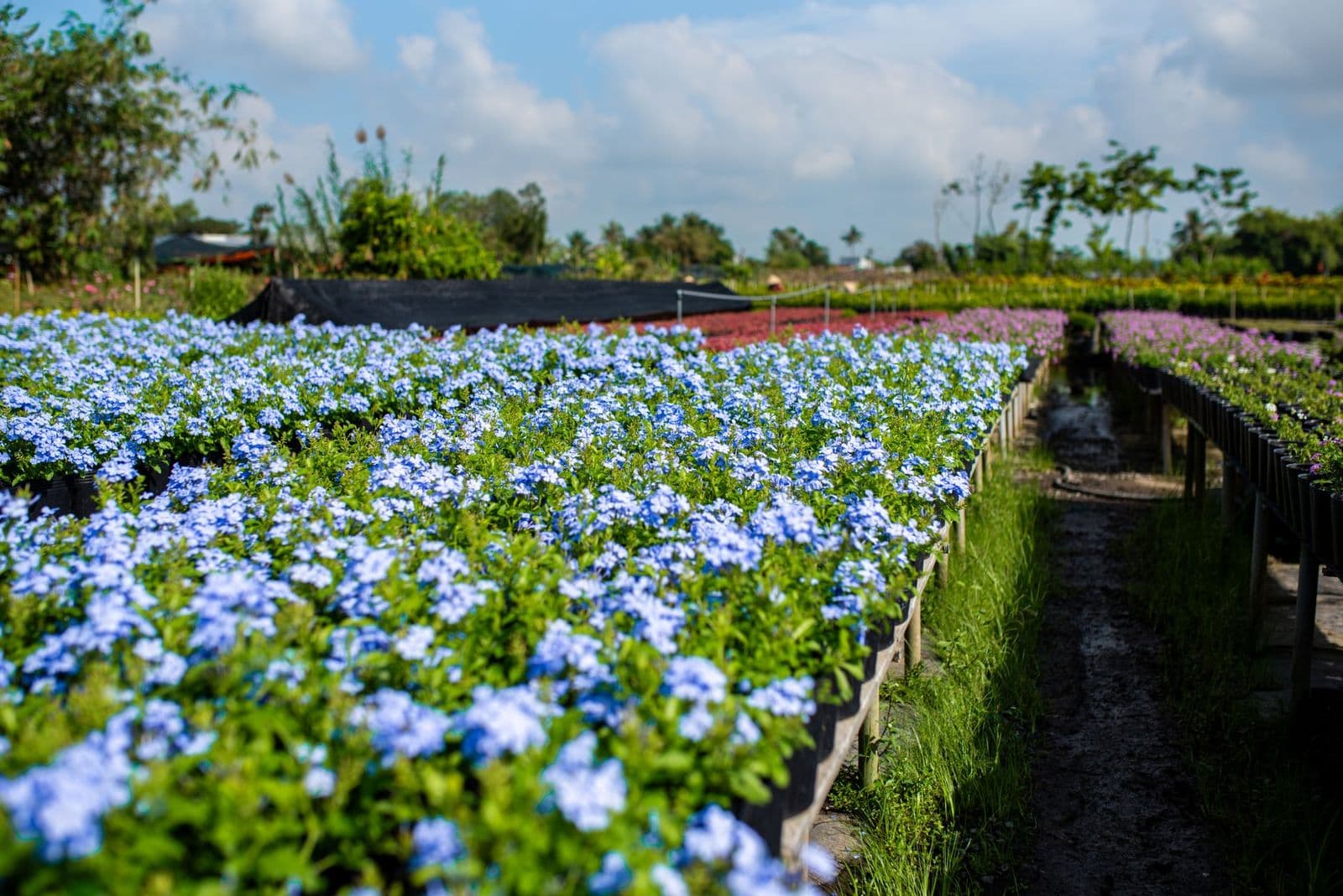
Learn how to choose the best bedding plants for planters with a clear checklist on sun, soil, drainage, spacing, feeding, and lasting color.
Bedding plants can fill a planter with color in weeks, or they can fade, stretch, and stall if the match is wrong. This guide gives you a simple checklist for judging plant health, sun needs, soil, and spacing before money leaves your pocket. When you shop for best bedding plants for planters, use the criteria below first, then compare what is on offer at your garden center or online.
A planter is a small, exposed growing space. Roots heat up faster, dry out faster, and run out of food sooner than roots in open ground, so choices that work in a border may fail in a container.
How to Judge Bedding Plants for Planters
Think of evaluation as a scorecard you can use at a garden center or online. A strong plant should pass on health at purchase, fit your light, suit your planter size, and keep growing without constant rescue work. Weak roots, crowded trays, and vague labels are early warnings you can spot in minutes.
Features That Matter for Planters
Compact growth matters most in containers. Look for plants described as compact, mounding, or trailing in a controlled way, with a mature width that fits your pot. Short stems between leaf joints signal that the plant grew in good light and is not stretched. Dense foliage, many buds, and roots that hold the plug together without circling tightly are all good signs of a plant ready to settle in fast.
Match the Product to Your Garden Size and Layout
Count your planters and measure their width before you buy a single tray. A 12 inch pot usually holds three to five small bedding plants, while a long window box needs enough plants to cover the soil without crowding. Leave room for growth, because plants packed edge to edge compete for water and air. If your layout mixes sun and shade, sort planters by light first, then choose plants for each group.
Shaded containers need a different shortlist, so if your porch receives little direct sun, see our guide to the best shade plants for planters for ideas that suit low light spots. Grouping plants by light and water needs also makes daily care far simpler through the season.
Durability and Weather Resistance
Planters face wind, reflected heat from walls, and sudden downpours. Choose plants known for holding flowers after rain, resisting mildew in humid spells, and coping with brief dry periods between waterings. Tender types need shelter when nights turn cold, while hardier annuals and short lived perennials tolerate light frost. Check the label for temperature guidance, and plan to move prized pots indoors or under cover before a hard freeze.
Ease of Use and Storage
Ease starts with plant size at purchase. Plugs and small pots transplant with less shock than large, root bound plants. Trays that are easy to carry, clearly labeled, and uniform in size help you plant a whole run of containers in one session. Keep spare potting mix, slow release feed, and empty pots stored dry under cover, so repotting a failed plant mid season takes minutes rather than a shopping trip.
Size, Coverage, Drainage and Feeding
Read the numbers that affect coverage and feeding. Mature height and spread tell you how much space each plant will claim, and flowering period tells you how long color should last. Your mix should drain freely while holding moisture, and a balanced feed with an NPK ratio near equal parts suits most flowering annuals. Note that excess nitrogen pushes leafy growth at the cost of blooms, so more feed is not always better.
Value and Coverage per Dollar
Judge value by coverage, not by the lowest tray price. A slightly larger, well rooted plant that fills its space in three weeks can cost less overall than two weak plants that never thrive. Work out the cost per planter, including mix, feed, and replacement plants for losses. Multi packs lower the cost per plant for big displays, while single larger pots make sense for a focal container by the door.
For an entry display that guests see first, our notes on the best plants for porch planters can help you plan color that lasts from the street. A clear plan also stops impulse buys that clash with your scheme.
Material and Build Quality
For plants, build quality means root and stem health. Stems should feel firm, leaves should be clean and evenly colored, and there should be no webbing, sticky residue, or spotted foliage that hints at pests or disease. For the planter itself, sturdy walls, real drainage holes, and a mix with compost and perlite or bark give roots air and steady moisture. If you garden with organic methods, look for OMRI listed inputs and mixes that are safe around drinking water sources and food beds nearby.
Matching Plants to Your Budget and Effort
Most gardeners fall into one of three approaches. Each describes what to expect, who it suits, and the trade off to accept.
The Balanced All Round Choice
The strongest all round pick is a healthy, compact flowering annual in a mid size pot, bought in bud rather than full bloom, for around the middle price in your local range. It should offer a long flowering period, tidy growth, and tolerance of both sun and brief dry spells. This approach suits most home planters because it fills fast, needs only routine deadheading and feeding, and replaces easily if one plant fails. The main limit is seasonal life, since most bedding fades when frost returns.
The Budget Multi Pack Route
Value comes from multi packs of small, vigorous plugs planted early in the season. Prices per plant are low, coverage per dollar is high, and you can fill large boxes and borders in containers for far less than buying mature pots. The trade off is patience, because plugs need four to six weeks to fill out, plus careful watering while roots establish. This approach suits gardeners with many planters, a warm spot to grow plants on, and time to water daily during the first fortnight.
The Low Maintenance Tough Route
Heavy use means exposed sites, rental homes, shops, and public facing displays that must look good with minimal fuss. Choose tough, weather resistant types with self cleaning flowers, strong stems, and good disease resistance, even if the color range is narrower. Larger plants in bigger pots cope better with missed waterings. Expect to pay more per plant, but you gain fewer replacements and less weekly care, which is the real saving for busy sites.
If you want structure that stays after annual color ends, consider adding the best evergreen plants for planters as a lasting backbone in larger pots. Annual bedding can then fill the gaps each season around that permanent planting.
Quick Buyer Checklist
- Does the plant match the hours of direct sun your planter actually receives?
- Is the mature spread small enough for your pot without crowding?
- Do the roots hold the plug together without tight circling?
- Are leaves clean, firm, and free of spots, webbing, or sticky residue?
- Does your planter have drainage holes and room for quality potting mix?
- Do you have feed, water access, and time for weekly care?
- Does the cost per planter, including mix and spares, fit your budget?
Red Flags to Watch For
Walk away from trays with wilted plants at midday in a well watered store, because that points to root damage. Avoid plants in full bloom with few buds left, since their best weeks may already be past. Vague labels with no light, height, or spacing guidance make planning hard. Yellowing lower leaves across a whole tray, fungus gnats rising when you tap the pot, and prices far below every nearby seller are all reasons to choose a different batch.
Tips to Get the Most From Your Bedding Plant
Choosing the best bedding plants for planters is only half the job, so water early in the morning so foliage dries before evening, which lowers disease risk. Water the soil, not the flowers, and soak until liquid runs from the drainage holes. Pinch the growing tips of young plants once to encourage branching, and remove spent blooms weekly to keep new buds coming. Refresh the top of the mix with compost each season, feed little and often during flowering, and turn pots a quarter turn each week so growth stays even on all sides.
Indoor containers follow many of the same health rules, and our guide to the best planters for indoor plants covers pot choice when drainage and light are limited inside. Good habits transfer well between indoor and outdoor containers.
Frequently Asked Questions
What features matter most in bedding plants for planters?
Compact growth, healthy roots, and a close match to your light matter most. A plant that fits the pot and the sun will outperform a larger plant chosen only for flower color. Also check bud count, because many buds promise weeks of color ahead, while open blooms alone may fade within days of planting.
How long do bedding plants last in a planter?
Most bedding plants are annuals, so they bloom from planting until the first hard frost, often four to six months. Deadheading and regular feeding stretch the display. Some short lived perennials return the next year if the roots survive winter in a sheltered spot.
What's the difference between garden soil and potting mix?
Potting mix is the right choice for containers because it is light, drains freely, and rarely carries weed seeds. Garden soil is heavier, compacts in pots, and can drain too slowly for roots in a confined space. Many gardeners blend compost into potting mix for extra food, but plain soil from the ground belongs in beds, not planters.
Is organic worth it?
Organic inputs are worth it when you want to build soil life and avoid synthetic feeds near food crops and pollinators. OMRI listed mixes and feeds give you a clear standard to check. Results can be slower than synthetic feeding, so start early in the season and apply little and often for steady growth.
How much do I need for my garden?
Start by measuring each planter and using the mature spread on the label as your spacing guide. A simple method is to divide the pot width by the spread per plant to estimate numbers, then add one spare plant per group for losses. Buying a small surplus beats a second trip, but avoid large overbuys that end up crowded or wasted.
Wrapping Up
Judge health first, match light and size second, and price third. Those three checks will carry most of your decisions and help you pick the best bedding plants for planters for your own space. Compare your shortlist against the checklist above, plant on a mild day, and water well while roots settle in.


