Best Battery Operated Hedge Trimmers in 2026: Which Type Is Right for You?
Disclosure: We may earn a commission when you buy through links on this page, at no extra cost to you. As an Amazon Associate I earn from qualifying purchases. Learn more
Compare the best battery operated hedge trimmers by type, blade, battery platform, and price, with the safety rules and running costs that matter most.
Walk into any garden center and the trimmer wall looks like one product in ten colors, but it is not. Blade length, battery platform, handle layout, and reach change how a trimmer feels after twenty minutes above a hedge. The best battery operated hedge trimmers for you are the ones matched to your hedge height, your stem thickness, and the batteries you may already own. This guide compares each type plainly so the differences are easy to judge.
Two checks frame everything that follows. First, measure your tallest hedge and your thickest stems, because those two numbers rule out more models than any brand claim. Second, decide whether this tool joins an existing battery family or starts a new one, since that choice shapes the true cost. The comparison table in the next section lines the types up side by side.


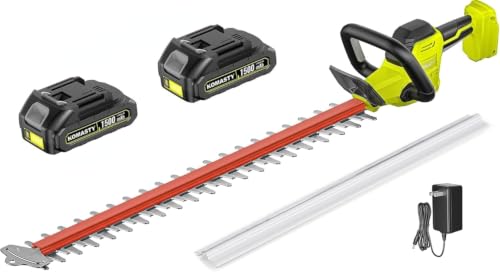


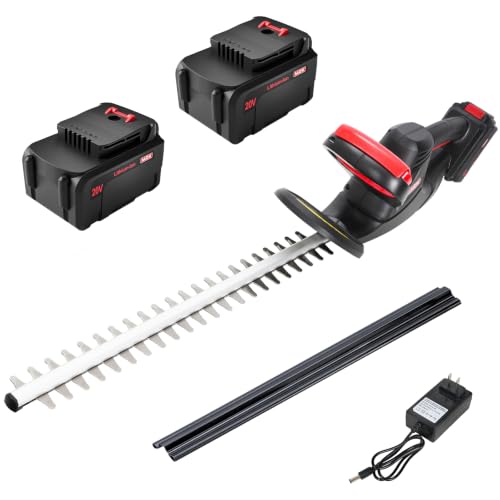

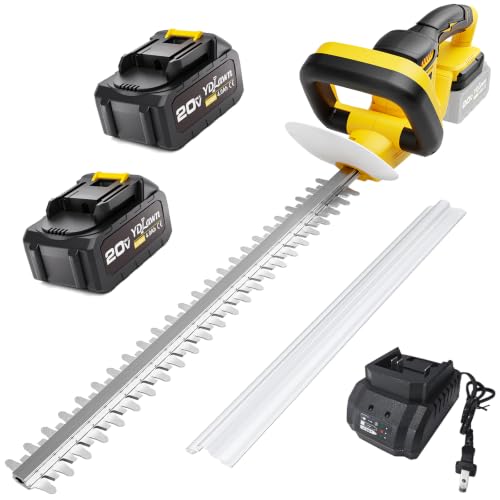
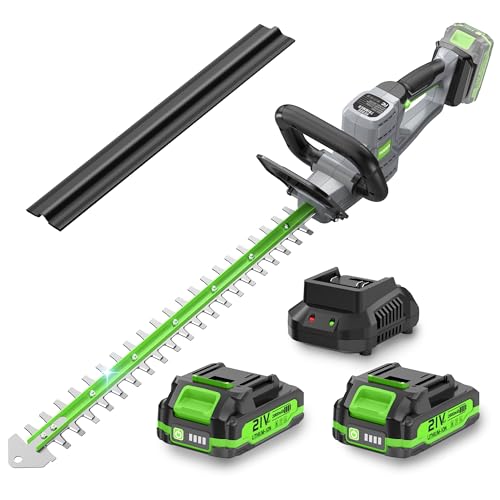
Types of Battery Operated Hedge Trimmers Compared
Two types are battery powered: standard cordless models and attachment capable systems. Corded and gas models are the comparison classes that many buyers weigh before settling on battery power. Start with the hedge itself. A low box hedge needs a short, light blade, a tall boundary hedge needs reach, and old overgrown stems need tooth spacing that can bite. Match the type to that picture first, then worry about voltage badges.
| Type | Best For | Pros | Cons | Typical Price |
|---|---|---|---|---|
| Cordless battery models | Most home hedges | No cord, no fuel, quiet, instant start | Runtime ends with the charge, batteries cost extra | about $70 to $200 |
| Attachment capable systems | Tall hedges, multi tool yards | One power head, long reach, shared attachments | Heavier head, joints add flex | about $150 to $300 |
| Corded electric models | Small hedges near the house | Low price, steady power, no charging | Cord limits range, cord can be cut | about $40 to $90 |
| Gas powered models | Long rural hedges, pro work | Long runtime, strong cutting | Noise, fumes, fuel mixing, more upkeep | about $200 to $400 |
Corded Electric Models
Corded models are the comparison class that sets the price floor. A mains powered motor never runs flat, the tool is light, and the purchase price is the lowest on the wall. For a small front hedge within easy reach of an outdoor socket, that simple formula still works well, and there is no battery to store or replace years later.
The cord is the whole compromise. It limits how far you can roam, it snags on corners, and it must be kept behind you so the blade never meets it. The range of best corded hedge trimmers suits buyers who trim one or two short hedges near the house and would rather spend the savings on gloves and a good extension cord rated for outdoor use.
Attachment Capable Systems
An attachment capable system splits the tool in two. One power head drives a row of shafts, and the hedge trimmer head clicks onto the end, often on a pole that adds real reach. That reach is the point, because tall hedges can be shaped from the ground with both feet planted, which is the safest way to work.
The trade offs are weight and feel. A power head plus a long shaft is heavier than a simple trimmer, and the joints can flex a little at full stretch. The same head often runs a grass shaft too, and owners of the best battery powered string trimmer in the same system will recognize the coupling, the shared batteries, and the storage problem of several long shafts in one shed.
Cordless Battery Models
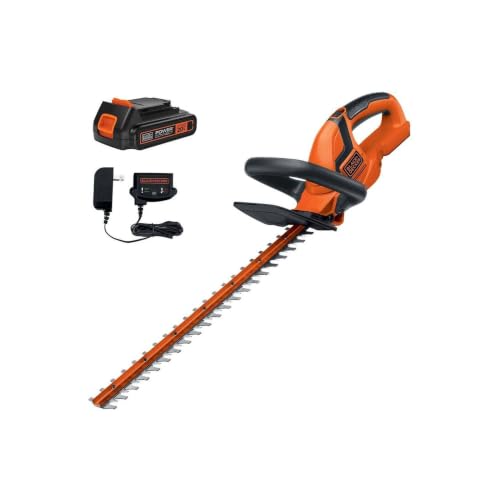
The standard cordless trimmer is one tool with one job. It starts the second you pull the trigger, it makes little noise, and it stores on a shelf with no fuel to go stale. Blade lengths run from about 16 to 26 inches, and tooth spacing decides how thick a stem it can swallow, which matters more than the voltage printed on the box.
Runtime is the honest limit. A maker runtime figure is an ideal load figure, measured on soft new growth with a fresh pack. Thick, woody stems work the motor harder and end a charge early, so a big hedge on one small battery is a recipe for a half finished job. Shoppers comparing best lithium battery hedge trimmers should weigh the battery size in the kit as heavily as the blade, because the pack is half the tool.
Gas Powered Models
Gas models are the other comparison class, built for long hedges and long days. A fuel tank refills in a minute, the cutting power stays steady, and pro crews still rely on them where a hedge line runs for hundreds of yards. If your property has that kind of boundary, gas remains a rational choice.
Everything else about gas is a cost. The tool is loud, it needs hearing protection, fuel must be mixed and stored safely, and the engine wants servicing that a battery tool never asks for. Weight is higher too, which tells on overhead cuts. For most home gardens, battery tools have taken this class over on convenience alone.
Cordless Models vs Attachment Capable Systems: Which Should You Choose?
These two battery types answer different problems. On range, the attachment system wins, because its pole reaches tall hedges from the ground. On price, the standard cordless model wins by a wide margin, often costing about half as much before you count the power head and shafts the system needs.
On weight and effort the picture flips. A standard cordless trimmer is lighter in the hands, while a power head on a long shaft is the heaviest setup here, and that weight sits at the far end of a pole. On storage, the cordless tool hangs on one hook, while a system needs room for several shafts. On future value, the system grows with your yard, since one head can run an edger or a saw later.
Choose a standard cordless model if your hedges are short to medium and within comfortable reach. Choose the attachment system if you have tall hedges now or a yard that will ask for more tools over time. Whichever way you lean, check both against the product table above before you buy.
How to Choose the Best Battery Operated Hedge Trimmers for Your Yard
Blade Length and Tooth Spacing
Blade length sets how much hedge you level with each pass. A blade of about 16 to 20 inches suits small and medium hedges and stays easy to steer around corners and pots. A blade of about 22 to 26 inches levels long straight runs faster, but it adds weight and makes tight shaping clumsy. Longer is not better, it is just longer.
Tooth spacing decides cutting power in practice. Gaps of about 15 to 20 mm (roughly 5/8 to 3/4 inch) handle soft new growth, while wider gaps can take woody stems as thick as a finger. If your hedge is old and neglected, spacing matters more than any motor claim, because a blade that cannot swallow the stem will chew it instead of cutting it clean.
Battery Platform, Voltage, and Amp Hours
The battery platform is the true cost of this purchase, so treat it as the decision and the trimmer as the accessory. A pack and charger can cost as much as the bare tool, and every future tool you buy in the same family shares them. A shared battery family is the honest saving in cordless gardening, worth more than any single discount on one box.
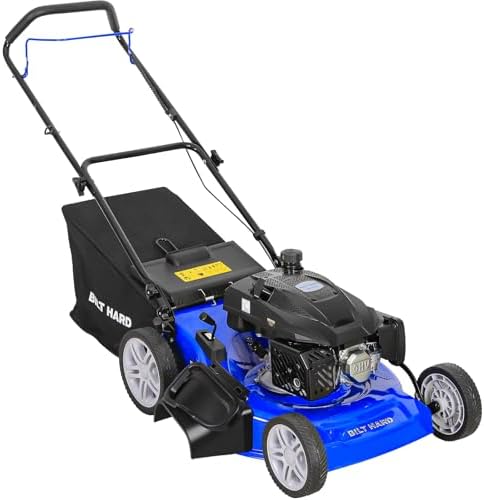
Voltage marks the class, roughly 18 to 20 volts for light home tools and 36 to 60 volts for heavier work, while amp hours mark the fuel tank size. The same thinking runs across the yard, and owners looking at best battery operated mowers face the identical platform choice on a bigger bill. Buying one strong family once beats owning three orphan chargers on the shelf.
Weight, Balance, and Reach
You hold this tool at arm height, often above the shoulder, so weight and balance decide how the job feels more than power does. A trimmer around 6 to 7 pounds is manageable for most people, while heavier models tire arms fast on tall work. A rear handle that rotates lets you cut vertical faces without twisting your wrist, a small feature that saves real strain.
Reach needs a plain rule. Work from the ground or from a firm platform, never from a ladder with a powered blade in your hands. If the hedge top is out of comfortable reach, the answer is a pole model or an attachment system, not a stretch and a wobble. Check the balance before you commit by holding the tool at cutting height for a full minute.
Charger, Spares, and Running Costs
Read the box for what is actually inside it. A kit with a tool, a battery, and a charger is ready to work, while a bare tool price assumes you already own the rest. A second battery is the single most useful spare, because it turns a flat pack into a short pause instead of a lost weekend, and it rests the first pack instead of cooking it on a fast charger.
Running costs stay low after that. Blade cleaning and a light oil film cost pennies, and a professional sharpening or a replacement blade every few years is the main bill. Store batteries indoors at room temperature with a partial charge, and they will serve for many seasons. Factor these small numbers in now and the tool will not surprise you later.
Safety First: Rules for Every Type
Rule one comes before all others. Take the battery out before you clear a jam, wipe the blade, or carry the tool any distance. A trimmer with its pack removed cannot start in your hands, and most hedge accidents happen during exactly those small handling moments, not during the cutting itself.
Gear up every time. Gloves help against thorns and slips, eye protection guards against the chips a blade throws, and sturdy shoes matter on wet grass. Never reach across or toward a moving blade to free a branch, and never hold the growth you are cutting with the other hand.
Stop the blade, set the tool down, and move the branch with a rake instead. Cut in daylight, keep children and pets inside, and let a hot or tired worker rest rather than rush the last stretch. Always follow the manufacturer's instructions for your tool.
Picking the Right Battery Operated Hedge Trimmers for Different Uses
Best Battery Operated Hedge Trimmers with Charger Included: Which Type Works Best
A kit with the charger included is the right start for a first time buyer with no batteries at home. Check the pack size in the kit, because a small 2 amp hour pack suits short hedges only. Check the charger speed too, since a slow charger plus one pack means long pauses. A standard cordless kit beats a bare tool plus guesswork every time.
Best Battery Operated Hedge Trimmers for 100 Bucks or Less
The shelf of trimmers priced for 100 bucks or less is where careful reading pays most. At this price, expect a shorter blade, a smaller battery, and a slower charger, which suits a small hedge trimmed a few times a year. Make sure the battery and charger are truly in the box at this price, because some low offers are bare tools in disguise. A light, simple model you can hold comfortably beats a heavy bargain left in the shed.
Setup and Care Tips
Before the first cut, charge the pack fully, check the blade for shipping guards and loose screws, and walk the hedge once to spot wire, old nails, and hidden fence lines that wreck teeth. Wear eye and ear protection where the work is long or the tool is loud, even though battery models are the quiet class here.
After each use, brush debris from the blade with the battery removed, wipe the teeth with an oily rag to hold rust off, and refit the blade cover before storage. Clean sap off with a resin solvent when cutting pine or similar growth. Store batteries at room temperature, away from frost and heat, and have the blade professionally sharpened when cuts start to tear instead of slice.
FAQs
Gas or battery: which is better for a small yard?
For a small yard, battery is better for nearly every owner. It starts instantly, runs quietly enough for neighbors, needs no fuel storage, and asks for almost no servicing between seasons. A small yard hedge also fits inside one charge, which removes the gas advantage of fast refills. Gas still suits very long rural hedges or owners who already run fuel tools, but for a few short hedges near the house, a cordless trimmer is simpler, cleaner, and cheaper to live with across the years.
Is a battery hedge trimmer powerful enough for thick hedges?
Yes, a battery hedge trimmer is powerful enough for thick hedges when the tooth spacing matches the stems. Look for wider gaps for woody growth, and take thick hedges down in stages over a season rather than in one brutal pass. Very old stems thicker than a finger belong to loppers or a pruning saw, not to any trimmer blade. Used inside its class, a mid range battery model cuts everything a home hedge grows.
What voltage should I choose for a battery hedge trimmer?
Choose voltage by the size of your hedges, not by the biggest number on the shelf. Tools in the 18 to 20 volt class handle most home hedges and keep weight friendly for overhead work. The 36 to 60 volt classes add cutting force and runtime for long or woody hedges, at the cost of heavier packs. If you already own batteries from garden work, staying in that family matters more than a small voltage step, because shared packs cut the total bill hard.
How long do the batteries last on a battery hedge trimmer?
On one charge, expect about 30 to 60 minutes of cutting from a typical home pack, less on thick wood and more on soft growth. Across years, a lithium pack usually serves three to five seasons before runtime fades enough to notice. Storing packs indoors with a partial charge, away from frost and summer heat, stretches that life. A second pack bought with the tool is the cheapest insurance, since it doubles your working window and lets each battery rest between jobs.
The Bottom Line
Let the hedge decide. Height picks the reach class, stem thickness picks the tooth spacing, and your existing batteries pick the platform. Keep the safety order fixed in your mind too, with the pack removed before any jam is cleared and your feet on the ground for every cut. Those few checks matter more than any badge on the box.
Compare your shortlist with the product table above, count the full kit cost rather than the bare tool price, and the best battery operated hedge trimmers for your garden will stand out clearly. A trimmer that fits your hedge and your hands gets used often, and a hedge trimmed little and often is the easiest hedge of all.