Best Bass Speakers 2026: Buying Guide
Disclosure: We may earn a commission when you buy through links on this page, at no extra cost to you. As an Amazon Associate I earn from qualifying purchases. Learn more
How to choose bass speakers that sound deep without muddying vocals, covering drivers, room size, placement, price tiers and listening habits.
Deep bass can make music feel powerful, but too much bass can drown vocals and turn songs muddy. The right best bass speakers deliver low end that stays tight and controlled at the volumes you actually use. The comparison table below gives a quick overview, and this guide explains drivers, room size, and placement in plain terms.
Bass performance depends as much on your room and placement as on the speaker itself. A large speaker in a small room can boom, while a small speaker in a large room can sound thin. This guide helps you match speaker size, power, and placement to your space and your music taste.

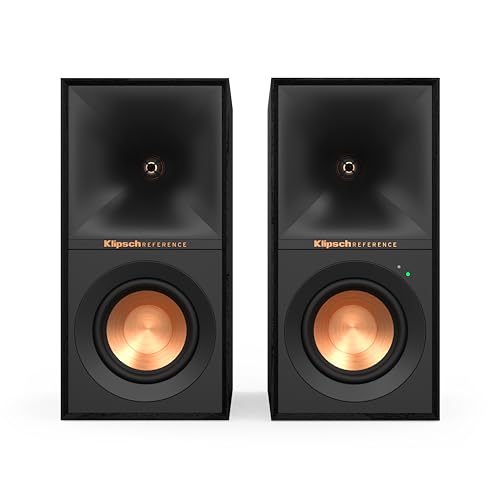

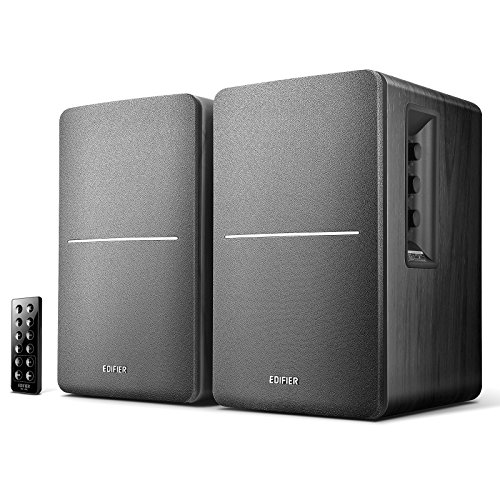

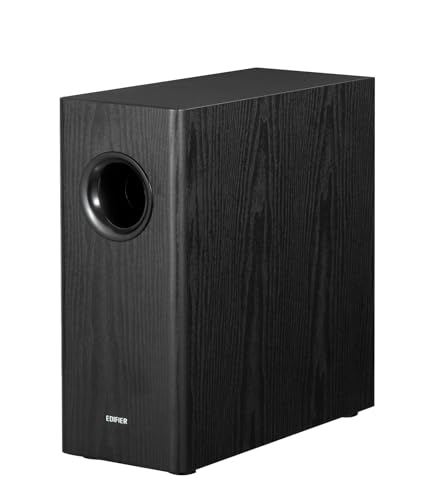

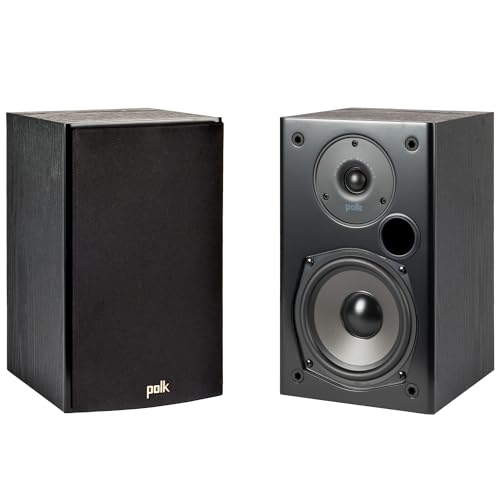
Who Should Buy Best Bass Speakers
These speakers suit listeners who love hip hop, electronic music, rock, and film soundtracks with strong low end. They also suit party hosts and home theatre fans who want impact without a separate subwoofer. If you listen mostly to acoustic music or podcasts at low volume, a balanced speaker may suit you better than a bass heavy one.
Types Compared
Bass speakers divide by size, portability, and how they produce low end.
Bookshelf Bass Speakers
Bookshelf speakers offer strong bass for their size and suit desks, bedrooms, and small living rooms. They pair well with a subwoofer later if you want deeper extension. Place them away from walls to avoid boomy bass, and use stands for the best sound.
Floor Standing Bass Speakers
Floor standing speakers use larger drivers and cabinets for deeper, louder bass in medium and large rooms. They suit home theatre and dedicated listening rooms. They need floor space and careful placement, since corner placement can exaggerate bass.
Portable and Party Bass Speakers
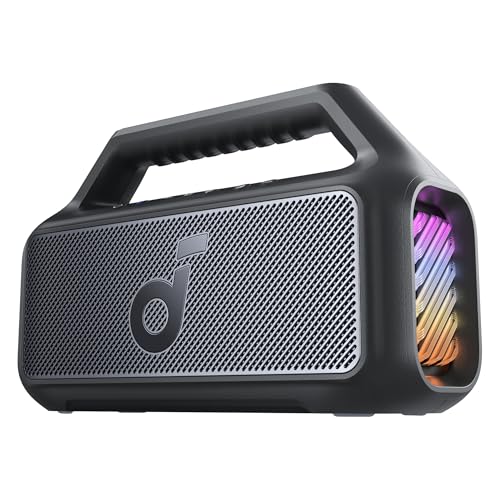
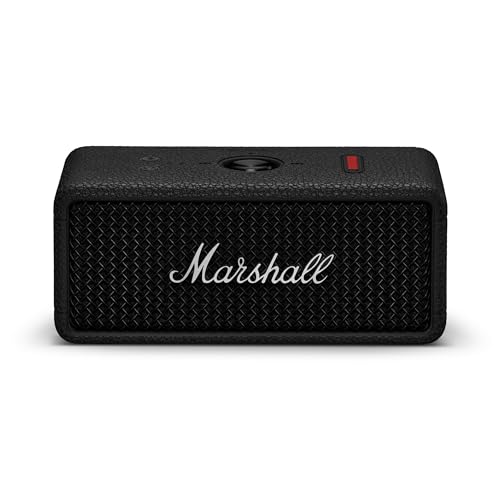
Portable bass speakers focus on loud, punchy low end for gatherings and outdoor use. They suit parties, barbecues, and casual listening where volume matters. Battery life and durability matter here, and bass often sounds best at moderate rather than maximum volume.
Key Features to Compare
Driver Size and Bass Depth
Larger woofers move more air and reach lower notes, but cabinet design matters just as much. A well designed 6 inch woofer can sound tighter than a poorly designed larger one. Check the stated low frequency response, but listen for tightness, not just depth, since numbers alone do not tell the full story.
Ported Versus Sealed Cabinets
Ported cabinets boost low end and play louder, while sealed cabinets sound tighter and more controlled. Ported designs suit party and film use, while sealed designs suit music lovers who value accuracy. Room placement affects ported speakers more, so leave space behind them.
Power, Sensitivity, and Volume
Sensitivity shows how loud a speaker plays with a given amount of power, so a sensitive speaker needs less amplifier power. For small rooms, modest power suffices, while large rooms need more headroom. Avoid driving a small amplifier into distortion, since distortion harms sound quality and can damage speakers.
Room Size and Placement
Room size shapes bass more than many buyers expect, because walls and corners reinforce low notes. Start with speakers away from corners, then move them gradually to tune the bass. Soft furnishings absorb reflections, while bare rooms can make bass sound boomy, so room treatment matters too.
What Your Money Gets You at Each Price Tier
Budget speakers deliver fun, punchy bass for about $100 to $250, though control at high volume may suffer. Midrange speakers add tighter bass, better drivers, and cleaner vocals for about $250 to $600. Premium speakers offer deep, controlled low end and refined overall sound for about $600 to $1,500, which suits dedicated listening rooms.
Common Mistakes to Avoid
These mistakes turn promising bass speakers into muddy or boomy ones.
- Placing speakers hard against a wall or in a corner without trying other spots.
- Judging bass only at maximum volume, where many speakers distort.
- Choosing the largest speaker for a small room, which causes boomy bass.
- Ignoring vocal clarity while chasing deeper low end.
Everyday Use and Care
Keep speakers dust free, avoid direct sunlight and damp rooms, and check cables and connections yearly. Do not push volume into audible distortion, since that strains drivers. If a speaker rattles, check for loose grilles or nearby objects vibrating before assuming a fault.
The product table above gives a quick side by side view, so use it to shortlist two or three options before you read the details again.
A Final Check Before You Buy
Before you buy, note your room size, your main music types, and your usual listening volume. Listen with familiar tracks that include both bass and vocals, and listen at your normal volume, not just loud. Keep the receipt until you have tried the speakers in your own room, since shop acoustics differ greatly.
Getting the Most From Your Choice
Speaker placement experiments cost nothing and often improve bass more than spending extra money. Start with speakers at least a short distance from the rear wall, then move them in small steps while listening to a familiar bass heavy track, since a few inches can change boominess greatly. Toe in, the slight angle toward the listening seat, affects stereo image and bass balance too, so try a few angles before settling. Room corners boost bass most, which suits small speakers in large rooms but overwhelms large speakers in small rooms. If bass still sounds uneven, soft furnishings such as rugs, curtains, and bookshelves break up reflections and smooth the low end without any electronic changes.
Source quality also shapes how bass speakers perform, since compressed streaming at low bitrates can make bass sound muddy regardless of speaker quality. Try the same track from a higher quality source and compare, since the difference can be striking on capable speakers. Amplifier matching matters too, since an underpowered amplifier driven into distortion harms sound more than a modest speaker choice. For home theatre use, check crossover settings if you add a subwoofer later, since a well set crossover lets speakers handle mids and highs while the subwoofer covers only the deepest notes. That division usually sounds cleaner than asking bookshelf speakers to reproduce the lowest octaves alone.
Related Buying Guides
For bass wireless speakers, read our guide to best bass wireless speakers.
For portable speakers with bass, see our guide to best portable speakers with bass.
For party speakers with bass, read our guide to best party speakers with bass.
For 6x9 speakers for bass, see our guide to best 6x9 speakers for bass.
For car speakers for bass, read our guide to best car speakers for bass.
Frequently Asked Questions
What makes bass sound muddy?
Muddy bass usually comes from too much low end, poor room placement, or a speaker that cannot control its woofer. Moving speakers away from walls and corners often cleans up bass quickly. If vocals still sound buried, a speaker with tighter, more controlled bass suits you better than a louder one.
Do I need a subwoofer with bass speakers?
Many bass speakers play low enough for music without a subwoofer, especially in small rooms. A subwoofer helps home theatre and large rooms where very deep notes matter. Start with the speakers alone, then add a subwoofer only if the lowest notes still feel missing.
How big should bass speakers be for my room?
Small rooms suit bookshelf speakers, medium rooms suit larger bookshelf or compact floor standing models, and large rooms suit full floor standing speakers. Bigger is not always better, since oversized speakers can boom in small spaces. Match driver size to room volume and listening distance.
Does wattage decide bass quality?
Wattage alone does not decide bass quality, since driver design, cabinet, and sensitivity matter more. A sensitive speaker with modest power can sound fuller than an insensitive speaker with high power. Focus on listening tests and room match rather than wattage numbers alone.
Why do speakers sound different at home than in a shop?
Room acoustics, placement, and furnishings change bass greatly, so shop demos only give a rough guide. Your room may reinforce or cancel certain low notes. Try speakers at home with familiar music before deciding, and try a few placements to find the best balance.
Final Thoughts
Choose bass that stays tight and controlled, match speaker size to your room, and try placement before you judge sound quality. Vocals should stay clear even when bass hits hard, and volume should stay clean at your normal listening level. Chosen this way, best bass speakers can make music and films feel powerful without turning muddy.