Best Bass Wireless Speakers 2026: A Sound Buying Guide
Disclosure: We may earn a commission when you buy through links on this page, at no extra cost to you. As an Amazon Associate I earn from qualifying purchases. Learn more

Learn what gives wireless speakers deep, clean bass, from driver size and tuning to room placement, battery life and outdoor use and clear sound at any volume.
A search for best bass wireless speakers often leads to loud speakers that boom but muddy the music. True bass quality means deep, controlled low notes that support vocals and instruments rather than drowning them. This guide explains driver design, tuning, and placement, so you choose bass you can enjoy for hours.
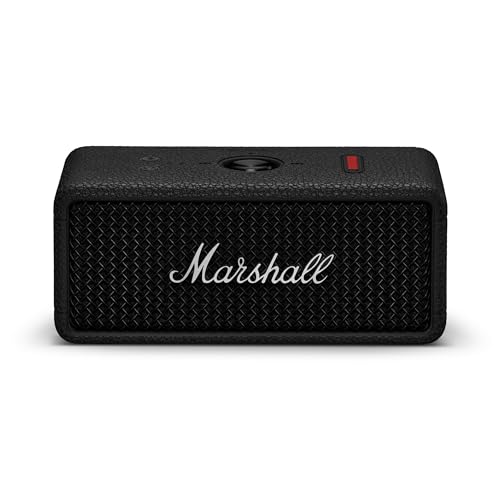
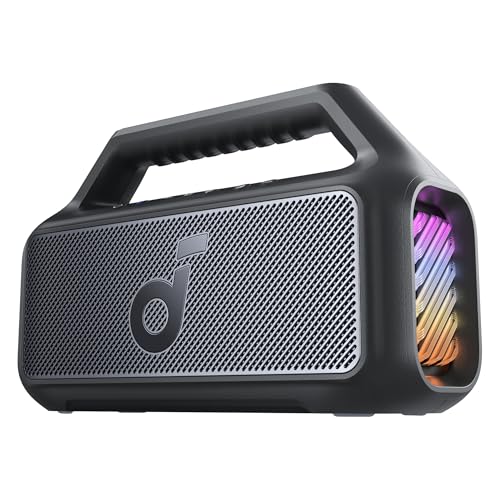
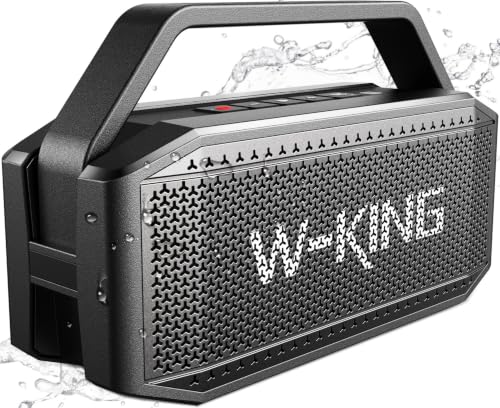
Think about where you listen most: indoors, outdoors, or both. Room size and outdoor openness change bass greatly. The product table compares the main types side by side, and the sections below cover who each type suits and which specs actually predict good bass.



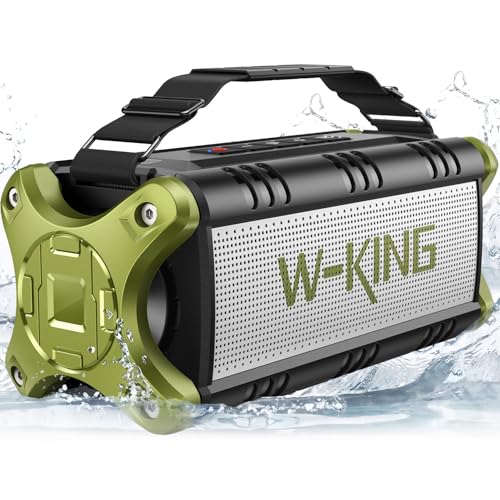



Who Should Buy Which Type
For Home Listening Rooms
Home listeners benefit from larger drivers, a well tuned enclosure, and placement near a wall for natural bass reinforcement. A speaker with balanced tuning sounds better over long sessions than one with exaggerated bass. Check that bass stays clean at higher volumes, because distortion ruins detail.
For Outdoor Gatherings
Outdoor bass needs more power and larger drivers, because open air disperses low frequencies quickly. Weather resistance and battery life matter for garden and park use, while a sturdy handle helps transport. Expect outdoor bass to feel lighter than indoor bass at the same volume.
For Portable Everyday Use
Portable users need a balance of size, weight, and bass depth. Compact speakers can surprise with tuned bass radiators, but they cannot match larger models for depth. Choose a size you will actually carry, because the best sounding speaker is the one you use daily.
Key Features Explained in Plain English
Driver Size and Passive Radiators
Larger drivers move more air and produce deeper bass, while passive radiators help small speakers extend low notes without a port. A well designed small speaker can sound fuller than a poorly tuned large one, so listen for control rather than size alone. Check bass at moderate volume, where you will listen most.
Tuning, EQ and Sound Balance
Tuning decides whether bass supports or overwhelms music. A balanced tuning keeps vocals clear, while a bass heavy tuning suits dance and hip hop but tires ears on acoustic music. Adjustable EQ helps, but a speaker that needs heavy correction to sound balanced is a warning sign.
Battery Life at Higher Volumes
Battery figures usually describe moderate volume, and bass heavy listening at high volume drains batteries much faster. Check battery life at your usual volume, and consider whether USB charging suits your routine. A speaker that dies mid gathering frustrates more than slightly less bass.
Durability and Outdoor Ratings
Outdoor speakers need water and dust resistance ratings that match real use, from splashes to rain. A durable grille and solid build survive transport better than glossy finishes. Check the rating meaning carefully, because splash resistance differs greatly from full immersion protection.
How to Compare Options and Set a Budget
Budget tiers are honest. Compact models at about $40 to $100 offer decent bass for personal use. Mid range models at about $100 to $250 add deeper bass, better battery, and stronger build for home and outdoor use. Premium models above $250 suit keen listeners who want room filling bass, so listen before paying more if possible.
Compare options by listening in your usual space, at your usual volume, with music you know well. A speaker that sounds clean, balanced, and full on familiar tracks beats one that only impresses on a short loud demo. Check placement options too, because corner placement boosts bass while open placement reduces it.
Related guides can help you narrow the choice further. Read our guide to best wireless speakers if that angle matters more to you. Read our guide to best bass speakers if that angle matters more to you. Read our guide to best portable wireless speakers if that angle matters more to you. Read our guide to best outdoor wireless speakers if that angle matters more to you. Read our guide to best small wireless speakers if that angle matters more to you.
Care, Safety and Common Mistakes
Keep grilles clean and dry speakers after outdoor use, because trapped moisture affects sound over time. Charge batteries regularly rather than leaving them flat for months, and update firmware as directed for connectivity fixes. Store speakers away from extreme heat, which shortens battery life.
A common mistake is judging bass only at maximum volume, where distortion hides tuning flaws. Listen at moderate volume first, check vocal clarity, and try bass heavy and acoustic tracks. Another mistake is placing a speaker in a corner and blaming it for boomy bass, when moving it a little often fixes the sound.
A Final Check Before You Buy
Before you buy, listen with music you know well, at the volume you use most, in a space like your own. Shop demos at maximum volume hide tuning flaws and exaggerate bass, while familiar tracks reveal whether vocals stay clear and bass stays controlled. Bring your own device and playlist if the shop allows it.
Try placement options in your home, because wall proximity and corners change bass greatly. A speaker that sounds boomy in a corner may sound balanced a short distance from the wall. Move the speaker before blaming its tuning.
Check connectivity across your devices, and match battery life to your longest typical session, since high volume bass can halve the rated life. Think about neighbours too: bass travels through walls and floors, so balanced tuning and control at moderate volume please everyone.
Frequently Asked Questions
What gives a speaker good bass?
Good bass comes from driver size, enclosure tuning, and clean amplification working together. Larger drivers and passive radiators help depth, but balanced tuning keeps bass controlled. Listen for deep notes that stay clear rather than loud notes that muddy vocals.
Do bigger speakers always have better bass?
Bigger speakers usually produce deeper bass, but tuning matters more than size alone. A well tuned compact speaker can sound fuller than a poorly tuned large one. Compare by listening, not by driver size or wattage claims, which do not guarantee sound quality.
Why does bass sound weaker outdoors?
Open air disperses low frequencies, so bass feels lighter outdoors than in a room. Walls and corners reinforce bass indoors, while gardens and parks offer no reinforcement. Outdoor speakers need more power and larger drivers to compensate, and placement near a wall helps.
How long should battery last?
Battery life depends heavily on volume and bass level, with high volume use cutting rated life significantly. Check figures at moderate volume and consider your gathering length. A speaker that lasts your full event at your usual volume is more useful than one with a high headline figure.
Can EQ fix weak bass?
EQ can boost bass somewhat, but it cannot create depth a speaker cannot produce, and heavy boosting causes distortion. Use EQ for small adjustments to taste, and choose a speaker whose natural tuning already suits your music. Good bass starts with design, not settings.
Final Thoughts
Judge bass by control and clarity at your usual volume, in your usual space, with music you know. Those checks lead to speakers you enjoy daily rather than demo loudly once. On that basis, best bass wireless speakers becomes a listening choice grounded in real use, and the product table above helps confirm your shortlist.