
Best 6x9 Speakers for Bass 2026: A Complete Guide
Disclosure: We may earn a commission when you buy through links on this page, at no extra cost to you. As an Amazon Associate I earn from qualifying purchases. Learn more
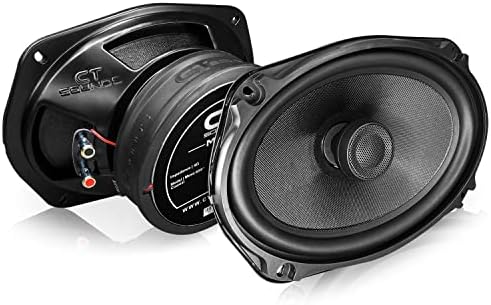
Learn how to choose 6x9 speakers for bass in cars, boats, and home setups, with size, power, weather resistance, and fitting tips explained clearly.
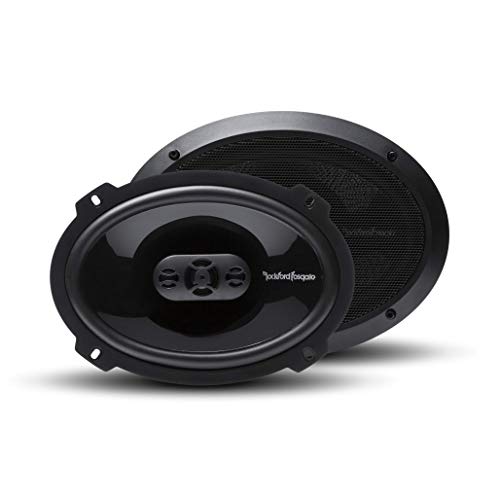
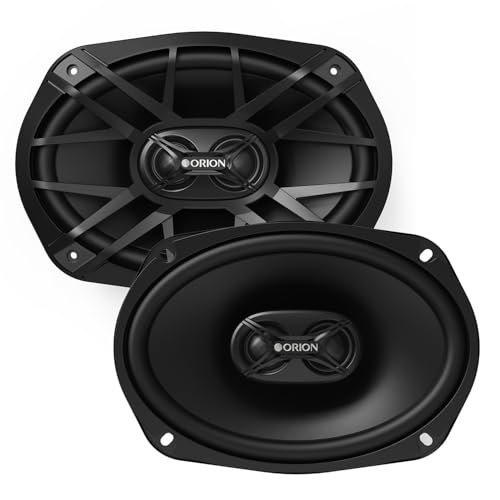
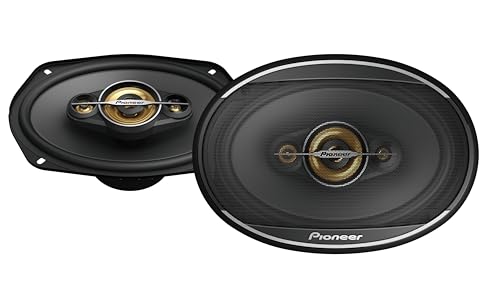
A 6x9 speaker can serve in a car door, a rear deck, a boat, or a workshop setup, but the right choice changes with each setting. This best 6x9 speakers for bass guide looks at the shared principles first, then at the differences that matter for vehicles, marine use, and amplified systems. The comparison table below summarises the main options.
Bass quality depends on cone area, enclosure, power, and placement working together, not on one specification alone. A speaker that sounds deep in a sedan trunk may sound thin in an open boat, and a speaker built for weather resistance may trade a little finesse for durability. This guide helps you match the speaker to the environment where it will actually play.







How Bass Works in Different Spaces
Low notes need room and air movement, so the space behind a speaker acts like part of the speaker itself. In a car trunk or a sealed door, that space helps reinforce bass, while in an open boat or outdoor area, bass escapes quickly and needs more power and cone area to stay audible. That is why the same speaker can sound full indoors and weak outdoors, even at the same volume setting.
Placement also changes what you hear, because bass waves reflect from nearby surfaces and combine in complex ways. Moving a speaker a short distance, or changing its angle, can alter bass strength at your listening seat. When you compare options, think about where listeners sit relative to the speakers, and whether bass must fill a small cabin, a large deck, or a whole room.
Choosing Between Standard, Marine, and Amplified Designs
Standard car speakers suit protected cabins where moisture and sun exposure are limited, and they often offer the widest choice of sound tunings. Marine speakers add protection against water, salt, and ultraviolet light, which matters on boats and in open vehicles, though that protection can add cost and change the sound slightly. Choose marine protection when exposure is real, not just as a precaution for a dry cabin.
Amplified setups pair speakers with a dedicated amplifier to gain headroom and control, especially for bass heavy music at higher volume. A speaker designed for amplifier use may accept more power and stay cleaner when pushed, while a high sensitivity speaker may sound lively even from a modest radio. Decide whether you will add an amplifier now or later, and choose speakers that suit that plan.
Sound Balance: Bass, Midrange, and Treble Together
A bass speaker that overwhelms vocals and treble will sound impressive for a few minutes and tiring over a long journey. Look for a design that keeps midrange clear, so voices and guitars stay natural while bass provides weight underneath. Tweeter placement and type affect this balance, and a speaker with a harsh treble can make bass feel muddy by contrast, even when low notes are strong.
Test with music you know well, covering acoustic tracks, rock, electronic music, and spoken word if you listen to podcasts. Notice whether bass notes stay distinct or blur together, and whether drums have punch without boom. A good bass speaker reveals texture in low notes, such as the difference between a kick drum and a bass guitar, rather than turning every low sound into one dull thump.
Fitting Tips Across Cars, Boats, and Rooms
Measure opening size, depth, and screw pattern before you buy, since 6x9 openings vary and adapters differ by vehicle and boat model. In cars, check window travel and door bars; on boats, check drainage and whether the mounting surface stays dry; in rooms, check enclosure size and wall strength. A secure, sealed mount prevents rattles and air leaks that steal bass and create buzz.
Wiring deserves care too, because thin or corroded wire can starve speakers of power and dull the sound. Use wire suited to the run length and power, protect connections from moisture outdoors, and keep speaker wire away from power cables where possible to reduce noise. Label wires during installation, since a simple wiring mistake can flip polarity and weaken bass noticeably.
Budget Tiers and Smart Spending
Budget speakers can sound surprisingly good when fitted well and driven cleanly, especially for casual listening and background music. Mid range models often add better surrounds, stronger magnets, and smoother tweeters, which show up as tighter bass and clearer vocals. Higher priced models may offer finer materials and better weather sealing, but the gain shrinks if the mounting space or amplifier is weak.
Spend first on correct size, a sealed fit, and clean power, then on speaker quality, since those foundations affect every note. If money is tight, upgrade the front speakers first where listeners sit, and add rear or marine speakers later. A staged upgrade lets you hear each improvement and avoids buying an expensive set that your current system cannot support.
Related guides include best 6x9 car speakers for bass, best 6x9 speakers for bass with amp, best pioneer 6x9 speakers for bass, best marine 6x9 speakers for bass, and best sounding 6x9 speakers.
A Final Check Before You Buy
Before you buy, list every place the speakers will play, from car cabins to boats or rooms, and note moisture, sun, and power conditions for each one. A speaker chosen for a dry cabin may fail quickly on a boat deck, while a marine speaker in a car may cost more without a matching benefit. Matching protection and power to the real environment is the fastest way to avoid disappointment.
Check amplifier plans honestly, including whether you will add one now, later, or never, since that choice changes which sensitivity and power handling suit you best. A high sensitivity speaker suits a modest radio, while a power hungry design needs an amplifier to shine. Buying for a future amplifier you never install leaves performance on the table, so choose for the system you will actually build.
Finally, listen with familiar music and judge bass, vocals, and treble together, not bass alone, since balance decides long term satisfaction. A speaker that booms on one track and muddies vocals on the next will tire you quickly, while a balanced speaker stays pleasant across genres. Take time to compare, and trust your ears in your own space over a single specification number.
Frequently Asked Questions
Can 6x9 speakers work without a subwoofer?
Yes, for many listeners a good 6x9 set provides satisfying bass for rock, pop, and acoustic music without a separate subwoofer. Very deep electronic bass and home cinema effects still benefit from a subwoofer, since it handles the lowest notes with less strain. Start with the speakers, and add a subwoofer only if the deepest notes feel missing.
Are marine 6x9 speakers worth it?
Marine speakers are worth it when speakers face rain, spray, salt air, or strong sun, since standard speakers can corrode or degrade in those conditions. In a dry car cabin, marine protection adds cost without a clear benefit. Choose based on real exposure, and check the protection rating rather than assuming every marine label means the same level of sealing.
Does an amplifier always improve bass?
An amplifier improves bass when speakers need more clean power than the radio can supply, or when you listen loudly. It does not fix a poor fit, a leaky mount, or a speaker that cannot reproduce low notes well. Fix fitting and sealing first, then add clean power to gain headroom and control.
Why do my speakers sound different in each car?
Cabin size, panel material, speaker location, and trunk volume all change how bass behaves, so the same speaker sounds different in different vehicles. Door speakers face a small leaky space, while rear deck speakers use the trunk as a larger enclosure. That is why vehicle specific fit and sealing matter as much as the speaker itself.
How long should 6x9 speakers last?
With clean power, a dry mount, and sensible volume, a good set can last many years, though surrounds and connections age faster in heat, moisture, and sun. Listen for buzzing, harshness, or fading bass as signs of wear, and check wiring and mounts before assuming the speaker has failed. Protecting speakers from water and distortion extends their useful life greatly.
Final Thoughts
The right 6x9 speaker is the one that fits your space, survives your environment, and balances bass with the rest of the music. The product table above can help you compare designs, but placement and power will shape the sound as much as the speaker itself. Measure carefully, seal well, and tune patiently.
Compare best 6x9 speakers for bass on environment, sensitivity, power plans, and fitting depth, and choose the design that matches where it will play. A well matched system sounds deep and clean for years, while a mismatched one disappoints no matter how much it cost. Take notes during listening tests, so your final decision rests on what you actually heard in your own space.


