Best Bass Heavy Speakers: Types Compared and How to Choose for 2026
Disclosure: We may earn a commission when you buy through links on this page, at no extra cost to you. As an Amazon Associate I earn from qualifying purchases. Learn more

Compare gaming, wired, outdoor, and wireless types to choose the best bass heavy speakers for your space, your listening habits, and your budget today.
Bass heavy speakers come in shapes that seem to have little in common: desktop gaming setups, wired shelf pairs, rugged outdoor boxes, and portable Bluetooth models. Each type makes a different trade between output, size, and convenience, so picking by looks or price alone often ends in disappointment. This guide to the best bass heavy speakers compares the types side by side so the choice becomes clear.
You will see what each type does well, where it struggles, and which rooms and routines it fits. Start with the comparison table below, then use the sections that follow to match a type to your space before you spend anything.
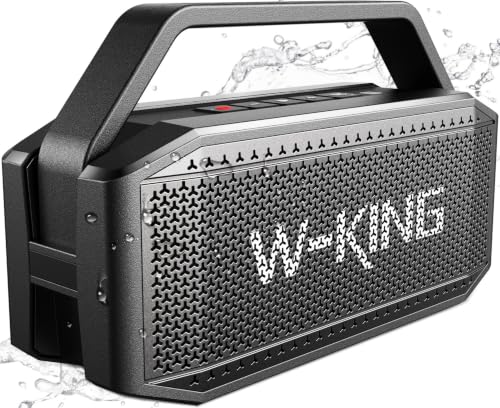
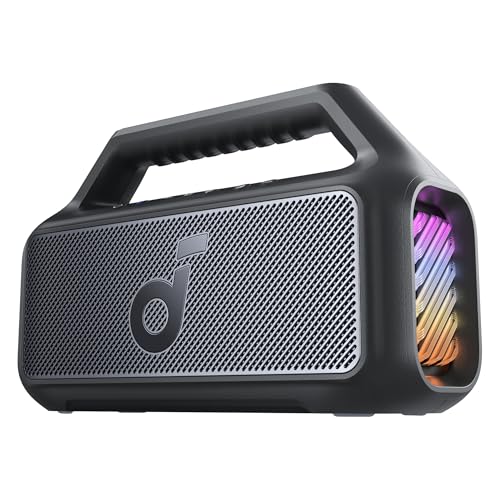

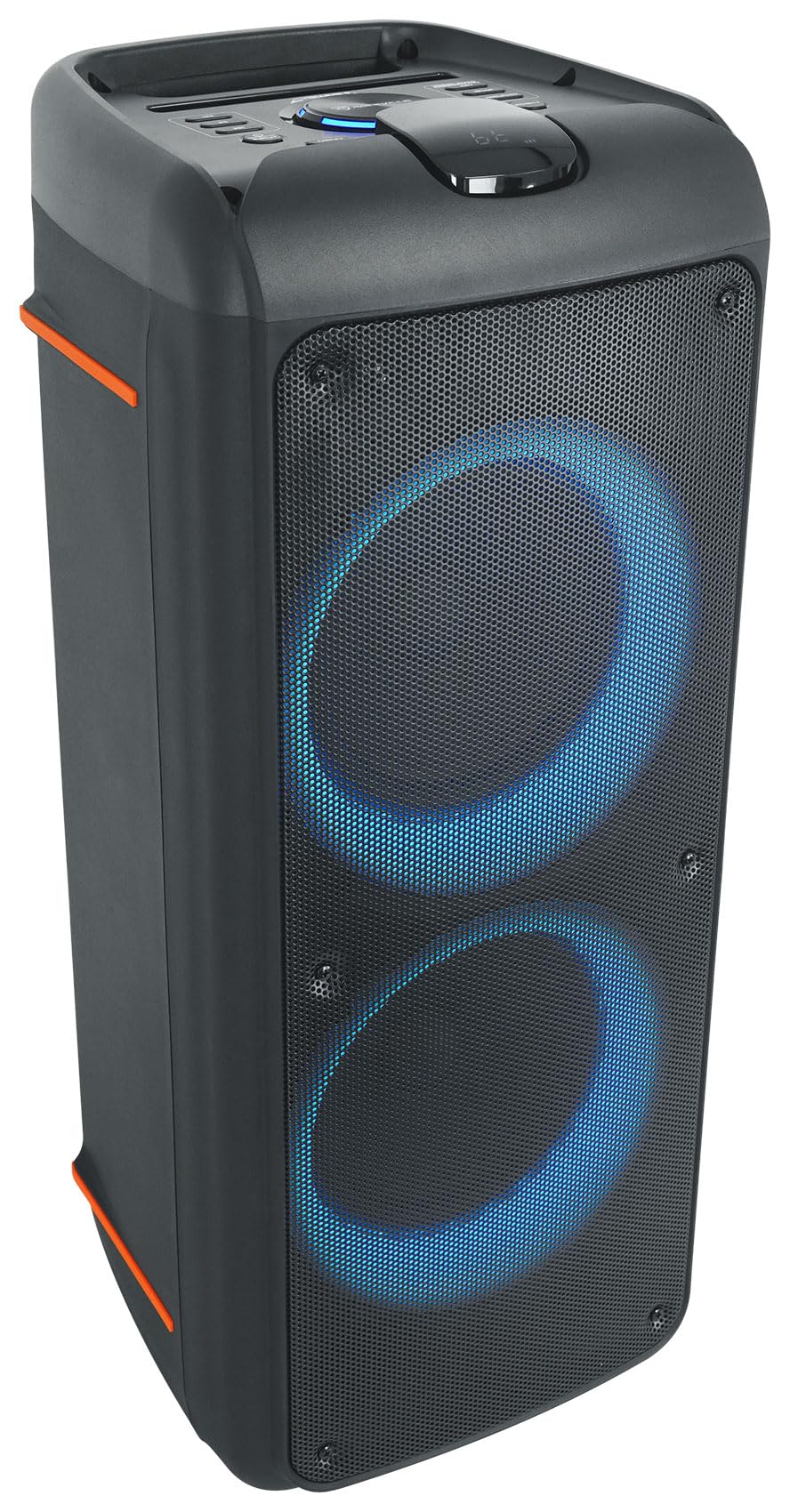
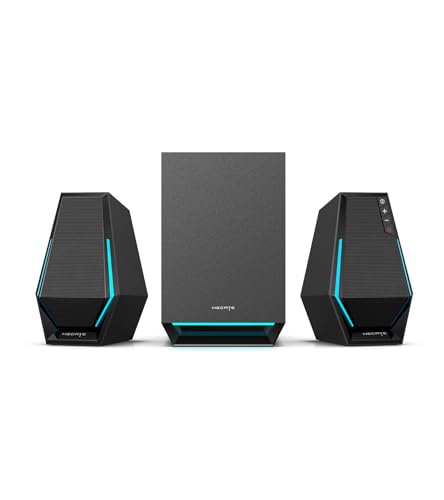

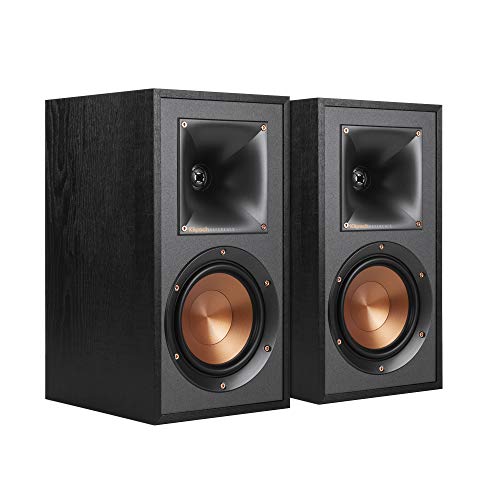
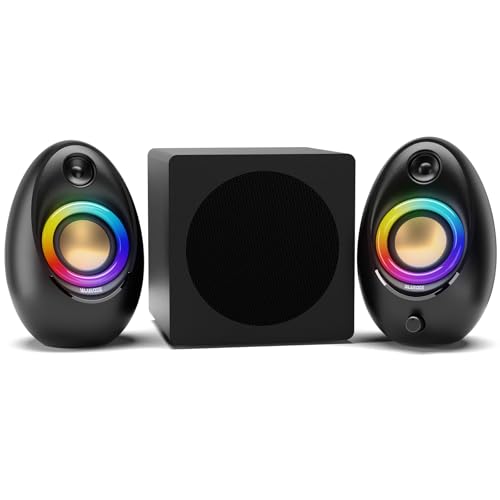
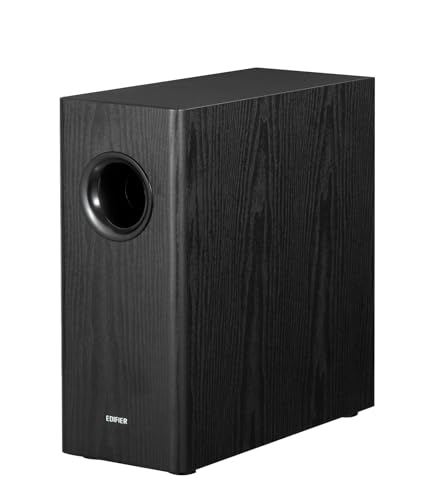

Types of Bass Heavy Speakers Compared
All four types below chase strong low end, but they get there in different ways. Gaming models lean on near field impact and effects. Wired models rely on larger cabinets and steady amplifier power. Outdoor models trade some refinement for volume and durability, while wireless models balance portability against battery limits.
Gaming Models
Gaming speakers sit close to you on a desk, so they do not need huge cabinets to feel powerful. A small subwoofer under the desk handles the deep effects, while compact satellites cover dialogue and detail. That split gives explosions and engine notes real weight without filling the room. The limits show up with music at distance: step away from the desk and the bass balance fades. Choose this type if you play and watch at a desk, want simple USB or analog hookup, and value impact at low to medium volume over wide room coverage.
Wired Models
Wired shelf and floor speakers remain the most reliable route to deep, controlled bass. A larger cabinet gives the woofer air to work with, and a separate amplifier supplies steady power that batteries cannot match. You also avoid pairing drops and codec limits entirely. The cost is flexibility: cables tie the speakers to one room, and a good amplifier adds to the total price. Choose wired models if the speakers will live in one place, you listen to a lot of music, and you want the strongest low end per dollar over the long term. For a broader look at wired and powered options, see our guide to the best bass speakers.
Outdoor and Rugged Models
Outdoor speakers fight open air, which swallows bass fast. Rugged models answer with larger drivers, passive radiators, and cabinets tuned for volume rather than subtlety. Sealed builds and strong grilles protect against splashes, dust, and bumps at the pool or campsite. Expect weight: real outdoor bass needs cabinet volume, so the most capable models are rarely light. Sound tuning also favors punch over fine detail. Choose this type if your listening happens on patios, decks, or job sites and durability matters as much as depth. Output ratings matter more here than elegant spec sheets.
Wireless and Bluetooth Models
Wireless bass heavy speakers trade some output for freedom. You can carry the sound to any room, pair two units for stereo, and stream from a phone in seconds. Modern Bluetooth versions hold a steadier connection through walls and support multipoint pairing with a phone and a laptop. The trade offs are battery limits, some compression on the wireless link, and bass that shrinks as the battery drains on some models. Choose this type if you move around the house, travel, or host in different spaces. If wireless is your main path, see our guide to the best bass wireless speakers for deeper coverage.
Gaming Models vs Wired Models: Which Should You Choose?
These two types overlap on desks and in small media rooms, so compare them directly. On bass depth, a wired pair with a proper subwoofer or large woofers usually wins, because cabinet size and amplifier power set the ceiling. On convenience, gaming models win: one box often includes the subwoofer, controls sit within reach, and setup takes minutes. On cost, gaming bundles can look cheaper until you compare them with entry level wired pairs of similar total power. On upgrade path, wired wins clearly, since you can change the amplifier or add a subwoofer later. Pick gaming for a focused desk setup, and wired for a room you plan to grow.
How to Choose the Right Bass Heavy Speaker
Once you know your type, five checks narrow the field fast. Work through them in order, because a speaker that fails the first check will disappoint no matter how well it scores on the rest.
Connectivity
Match the inputs to your sources. Bluetooth 5.3 or later gives a more stable link and better range than older versions, and multipoint support helps if you switch between a phone and a computer. Codecs shape wireless quality: AAC suits Apple devices, while aptX and LDAC can carry more detail from supported Android phones and computers. For gaming and video, low latency matters more than codec prestige, because delayed bass effects break immersion. Wired inputs such as optical, RCA, and USB remain the safest choice for televisions and game consoles.
Sound Quality and Tuning
Driver size and cabinet volume predict bass better than wattage claims. A 5 inch woofer in a solid cabinet will usually sound fuller than a slim box with a higher peak power number. Read frequency response as a range with limits, and treat figures without a tolerance as marketing. Tuning matters as much as hardware: some models boost the upper bass for instant punch, which can sound exciting in a store and tiring at home. An adjustable bass control or app equalizer lets you pull that boost back for music and raise it for movies.
Ecosystem and App Features
Companion apps can add real value: equalizer presets, firmware updates, stereo pairing controls, and battery or level readouts. Check whether the app is required for basic functions or only for extras, because a speaker that needs an account to play music adds friction. Stereo pairing is worth having if you may buy a second unit later, since two moderate speakers often image better than one large one. Firmware support also signals that the maker will fix bugs. Skip elaborate light shows and voice features if they raise the price without helping the sound.
Placement and Room Size
Bass builds up near walls and corners, so placement can add or remove a surprising amount of low end. In a small room, a compact model placed near a wall may sound heavier than a large model in open space. In a large room or outdoors, you need cone area and power, full stop. Keep shelf speakers a short distance from the rear wall unless the maker designs them for close placement, because ports too near a wall can boom. For parties across mixed spaces, see our guide to the best party speakers with bass, which covers coverage and volume for groups.
Durability and Water Resistance
IP ratings tell you how a speaker handles water and dust. IPX4 covers splashes for kitchen or bathroom use. IPX7 means the unit can survive brief immersion, which suits pool decks and rainy campsites. Remember that the rating applies when port covers sit closed, and charging while wet is unsafe. For indoor only models, durability means cabinet build, grille strength, and driver surrounds that resist drying out. A heavier cabinet often signals denser materials, though weight alone proves nothing without solid construction.
Practical tip: before buying for a car or a tight shelf, measure the space and check specialty sizes. Drivers shaped for vehicle doors, covered in our guide to the best 6x9 speakers for bass, follow different rules than home cabinets.
Setup and Care Tips
- Keep firmware updated through the companion app, because updates often fix pairing bugs and improve bass management.
- Store portable models in a case or padded bag to protect drivers and radiators from dents during travel.
- Wipe grilles and cabinets with a dry or lightly damp cloth, and keep ports clear of dust so airflow stays free.
- Charge batteries before they sit empty for months, since long storage at zero charge shortens battery life.
- Run new speakers at moderate volume for the first hours, then set your bass level with familiar music at your normal listening volume.
Frequently Asked Questions
Do I need a special codec?
You do not need a special codec to enjoy strong bass, because low frequencies survive standard Bluetooth compression well. Higher quality codecs such as LDAC or aptX mainly improve clarity in the treble and midrange on supported devices. Check that your phone and speaker share at least one good codec, then stop worrying. Placement, driver size, and tuning will change your bass far more than any codec badge on the box.
What IP rating do I need for outdoor use?
For covered patios and occasional splashes, IPX4 or IPX5 is enough for most people. For pool decks, beaches, or uncovered yards where rain can hit directly, look for IPX7 and sealed port covers. Also check dust protection if you work on job sites, since fine dust harms drivers over time. Whatever the rating, bring the speaker under cover during storms and let it dry fully before charging.
How long does the battery last?
Battery life on portable bass heavy models usually runs about 8 to 24 hours, and heavy bass at high volume sits at the low end of that range. Makers measure at moderate volume, so expect less during parties. Larger cabinets tend to hold larger batteries, which is one reason capable portable bass is rarely pocket sized. If you need all day play away from outlets, compare rated hours at realistic volume, and see our guide to the best portable speakers with bass.
Wired or wireless: which sounds better?
Wired sounds better at the same price in a fixed setup, because the amplifier feeds the drivers directly with no battery ceiling and no wireless compression. Wireless wins when the speaker moves between rooms or leaves the house, and modern Bluetooth narrows the gap for casual listening. Many buyers end up with both over time: a wired pair for the main room and a portable model for everywhere else.
Final Thoughts
Start with type, then check driver size, placement fit, and honest power before you compare prices. That order keeps you from buying portable convenience when you need room filling depth, or paying for wired power you will never set up. Look over the product table above, match it to your space, and your best bass heavy speakers choice will sound right long after the first exciting week.