Best Bass 6 1 2 Car Speakers: Door Speakers With Stronger Low End
Disclosure: We may earn a commission when you buy through links on this page, at no extra cost to you. As an Amazon Associate I earn from qualifying purchases. Learn more

Choose bass 6 1 2 car speakers by sensitivity, power handling, cone and surround and mounting depth for fuller low end in your doors.
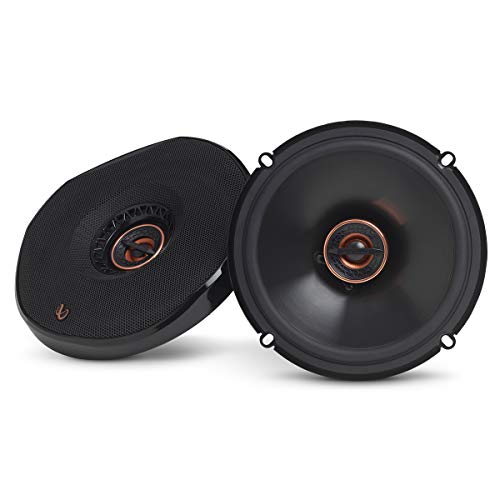
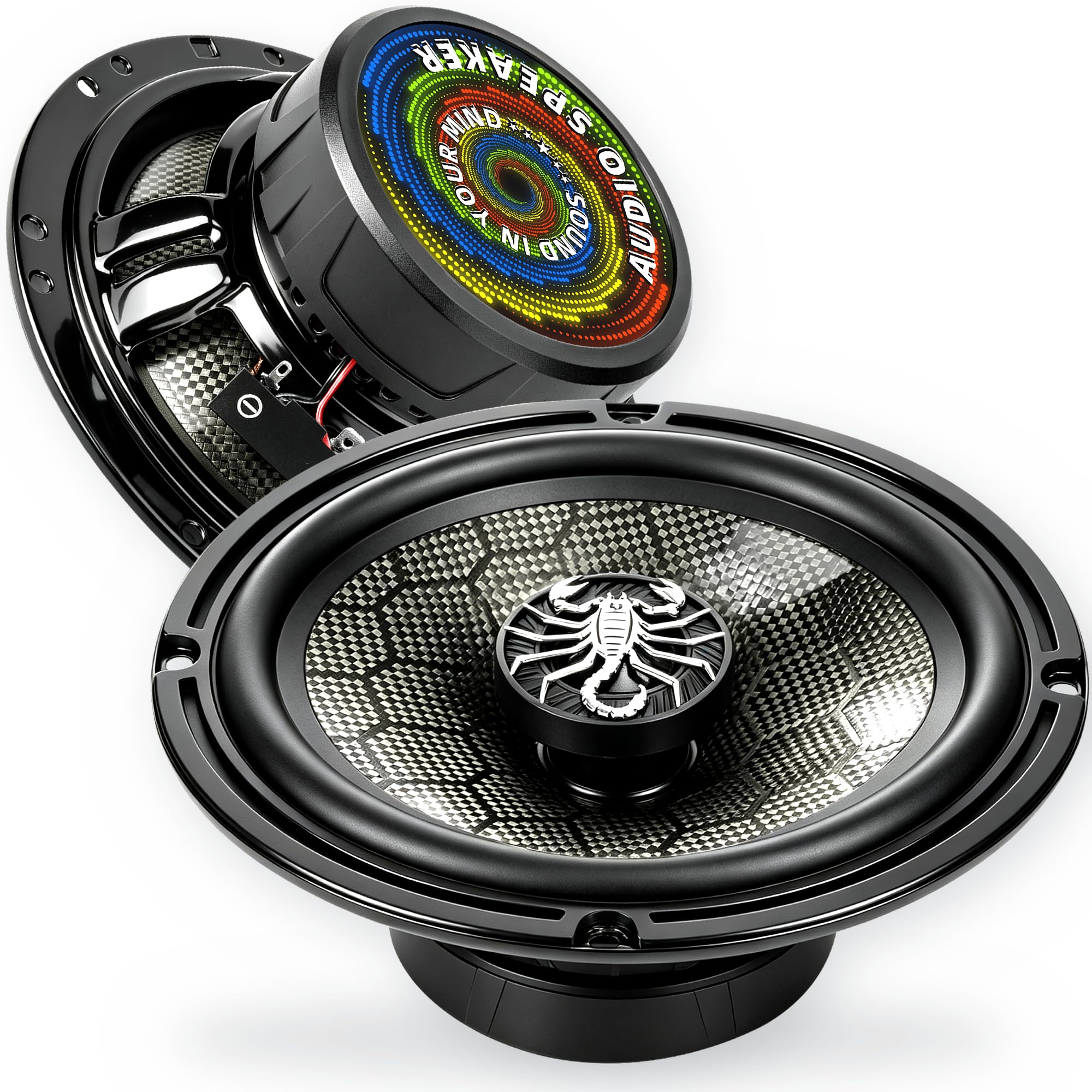
Most cars carry 6 1 2 inch speakers in the front doors, so the right bass 6 1 2 car speakers can change how a whole drive sounds without any cutting or a separate subwoofer box. The goal is fuller, tighter low end that stays clean at normal volume, not a rattle that shakes the panels. This guide explains which specs predict real bass, how to match speakers to your radio or amplifier, and how to prepare the door.
The product table lists coaxial and component sets in a range of prices, all in the common 6 1 2 inch size.




Check the Fit Before You Shop
A 6 1 2 inch label does not guarantee a fit. Mounting depth, bolt pattern and window clearance vary by vehicle. Measure the opening and the depth behind it, then compare with the speaker dimensions. A speaker that is too deep can hit the window track, and adapter rings can fix hole patterns but not clearance. Shallow mount designs exist for tight doors.
Look up your vehicle in a fit guide if you are unsure, and check whether the factory speaker plug matches the new connector or needs a harness.
What Makes a Door Speaker Good at Bass
Bass starts with the cone and the motor. A stiff, light cone moves air without flexing, a long throw surround lets it travel, and a strong magnet and voice coil control it. Cones made of polypropylene or woven fibers resist moisture in a door, and rubber surrounds outlast foam. Check the stated frequency response, but treat it as a guide, since makers measure in different ways.
Remember that a 6 1 2 inch driver has a physical limit. It can give warm, punchy mid bass, but it will not move the very low notes that a subwoofer does. If you want deep bass, plan on adding a sub later.
Sensitivity and Power Handling
Sensitivity tells you how loud a speaker plays from a given amount of power. A higher number plays louder from a factory radio, which only delivers a few watts per channel. Lower sensitivity speakers need an amplifier to wake up. Power handling, usually given as RMS and peak, tells you how much power the speaker can take. Match the RMS figure to your amplifier output instead of chasing the peak number.
- Factory radio: choose higher sensitivity.
- Aftermarket radio with built in amplifier: moderate sensitivity works well.
- External amplifier: choose speakers whose RMS rating matches the amp channel power.
Coaxial or Component
Coaxial speakers put the tweeter in front of the woofer, so one set of mounting holes handles the whole job and installation is simple. Component sets separate the woofer and tweeter, with an external crossover, which improves sound placement and lets you aim the tweeter at the listener. Components usually need more work and a place to mount the tweeters.
For most buyers who want better bass with minimal fuss, a good coaxial pair is the straightforward upgrade.
Prepare the Door
A thin metal door can ring and rattle, wasting bass energy. Applying sound deadening mat to the inner door skin, sealing the large holes behind the speaker and fitting a foam or plastic baffle ring behind the speaker all make the bass cleaner. Even a small amount of treatment around the speaker can tighten the sound.
Check that the speaker sits flush and the screws are snug but not over tight. A warped basket can buzz.
Using a High Pass Filter
If your radio or amplifier offers a high pass filter, set it around 60 to 80 Hz for door speakers. This stops them trying to reproduce notes they cannot handle, which keeps them cleaner at volume and protects them from over excursion. Combined with a small subwoofer, it gives you a clean split between the doors and the sub.
Budget and Common Mistakes
Budget pairs under about $50 suit a simple step up from worn factory cones. Midrange sets from roughly $80 to $150 usually add stiffer cones, stronger magnets and better surrounds, which is where bass improves in a way most people notice. Above that, buyers pay for refinement and power handling that make sense with an amplifier.
Common mistakes include buying on peak watts alone, skipping the depth measurement, and ignoring the door. Another is expecting door speakers to replace a subwoofer. Choose them for punchy mid bass and clean vocals, and add a sub if you want the lowest notes.
Care and Safe Listening
Keep the volume at a level where you can still hear traffic, horns and emergency sirens, and avoid adjusting settings while driving at speed. Check connections occasionally for loose terminals, and replace speakers if the cone shows tears or the surround cracks.
Related guides include the best sounding 6 1 2 car speakers, the best 6 1 2 door speakers, the best 6 inch car speakers for bass and the best 6 9 car speakers for bass.
Frequently Asked Questions
Will 6 1 2 speakers fit my car doors?
Most cars use that size in the front doors, but depth, mounting holes and window clearance vary. Measure the opening and depth, and compare with the speaker dimensions before ordering.
Do I need an amplifier for bass 6 1 2 speakers?
High sensitivity speakers can sound good from a factory radio. An amplifier gives better bass control and lower distortion at higher volume.
What makes a car speaker good for bass?
A stiff cone, a flexible surround, a strong motor and a well sealed door all help. Door treatment matters as much as the speaker itself.
Should I choose coaxial or component speakers?
Coaxials are easier and cost less. Components give better staging but need separate tweeter mounting and a crossover.
How do I stop door rattles after installing speakers?
Add sound deadening to the outer door skin, secure loose wiring, and refit panels firmly. Make sure the speaker sits flush and the screws are tight.
Final Thoughts
Confirm the fit first, match sensitivity and power to your radio or amplifier, and treat the door so the bass stays clean. Do those things and a pair of bass 6 1 2 car speakers will give your daily drive a fuller, more satisfying sound.