Best Beginner Motorcycle Boots in 2026: Budget, Midrange and Premium Tiers
Disclosure: We may earn a commission when you buy through links on this page, at no extra cost to you. As an Amazon Associate I earn from qualifying purchases. Learn more

Compare beginner motorcycle boots by budget tier, certified armor, ankle support and sole grip, and learn what each price band really buys a new rider.
Your first pair of riding boots has two jobs at once: protect your feet and ankles, and stay comfortable enough that you actually wear them on every ride. Prices run from under $100 to well past $400, and the gap is not only about looks. This guide to best beginner motorcycle boots sorts the market by budget tier, so you can see what each step up really buys. The comparison table below lists current options side by side.
One habit matters more than any brand name: read the protection before the price tag. A boot that looks like riding gear but carries no certified armor is just a sturdy shoe with taller sides. If you want the wider picture beyond starter gear, our guide to the best motorcycle boots covers the full market for experienced riders.



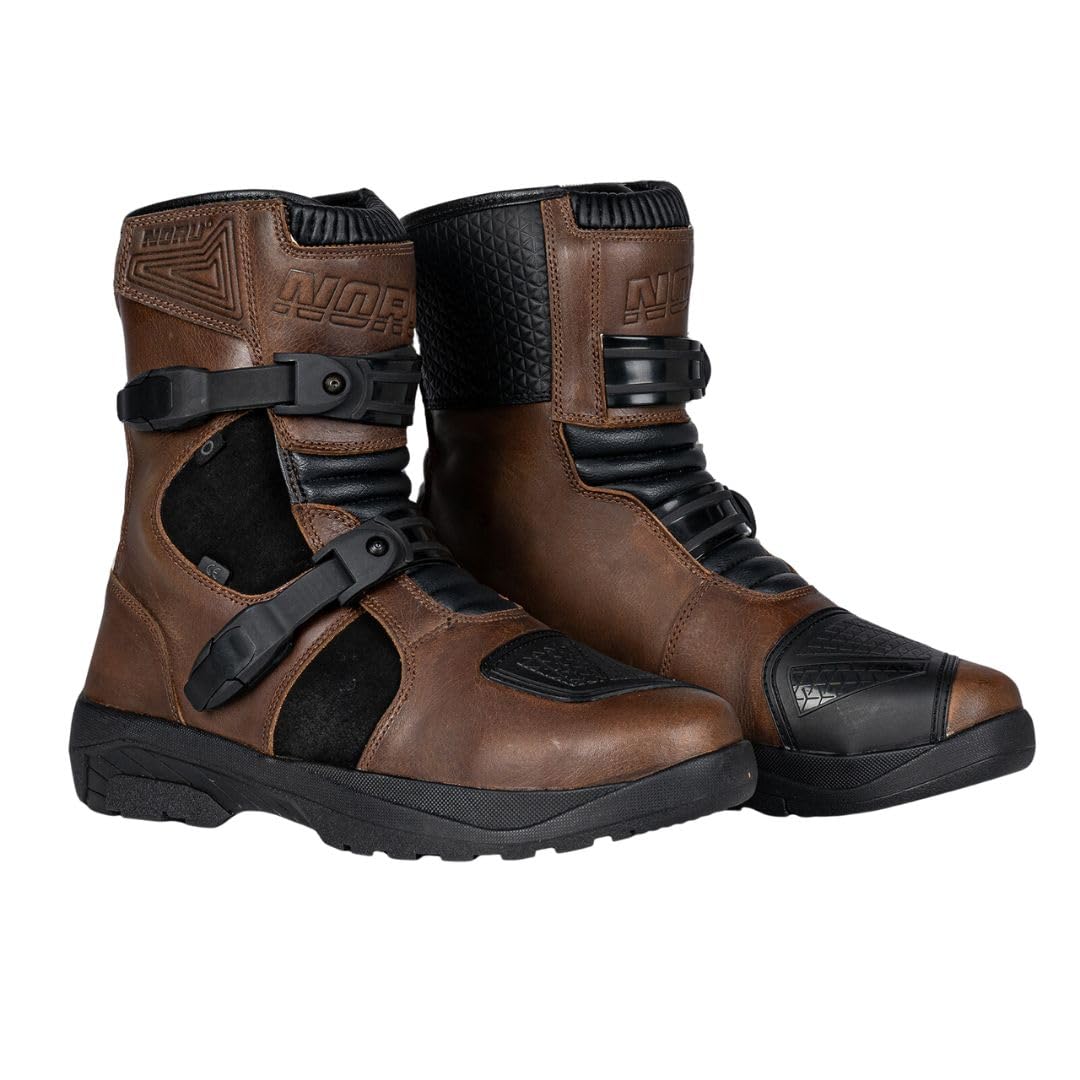


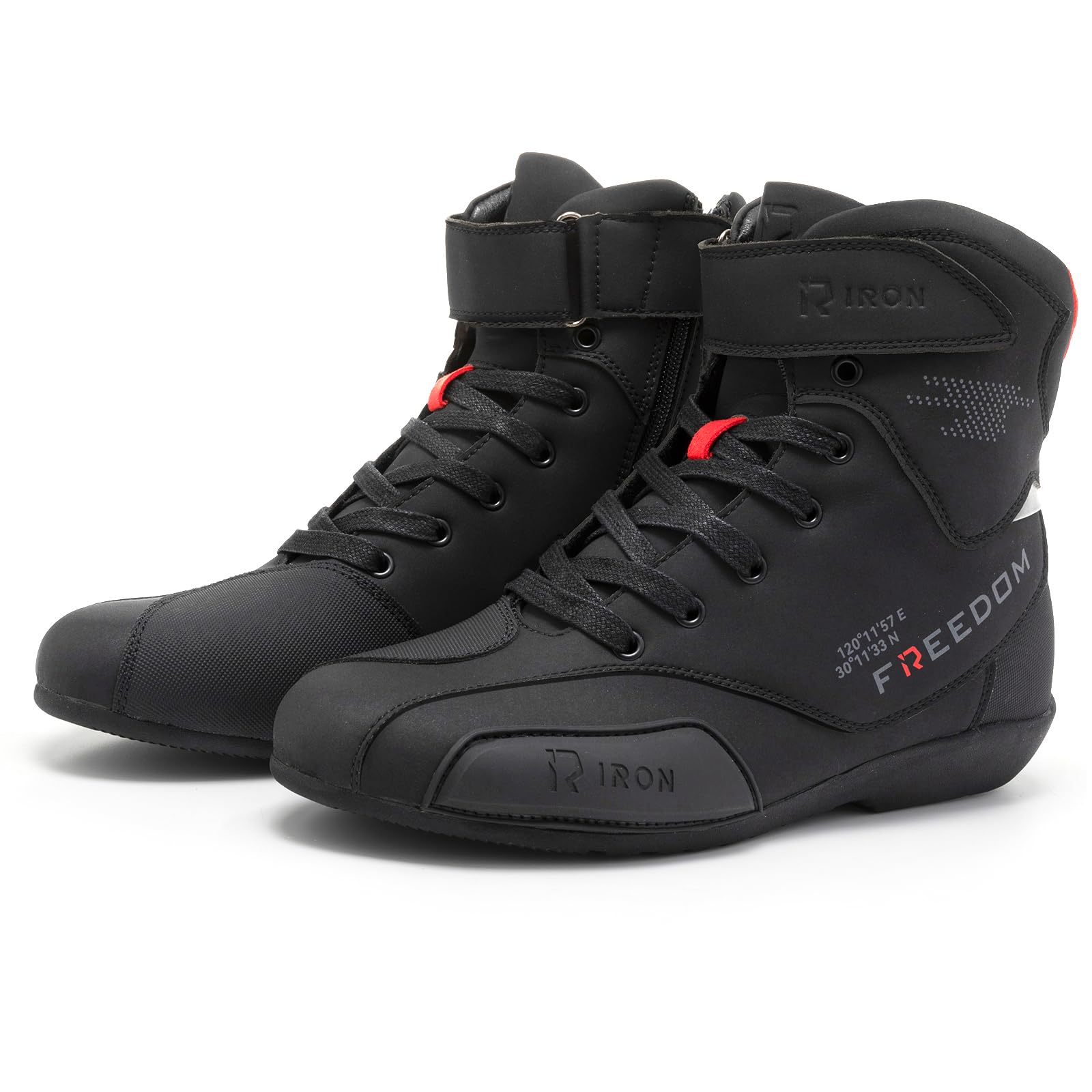
Protection First: Armor, Ankles and Soles
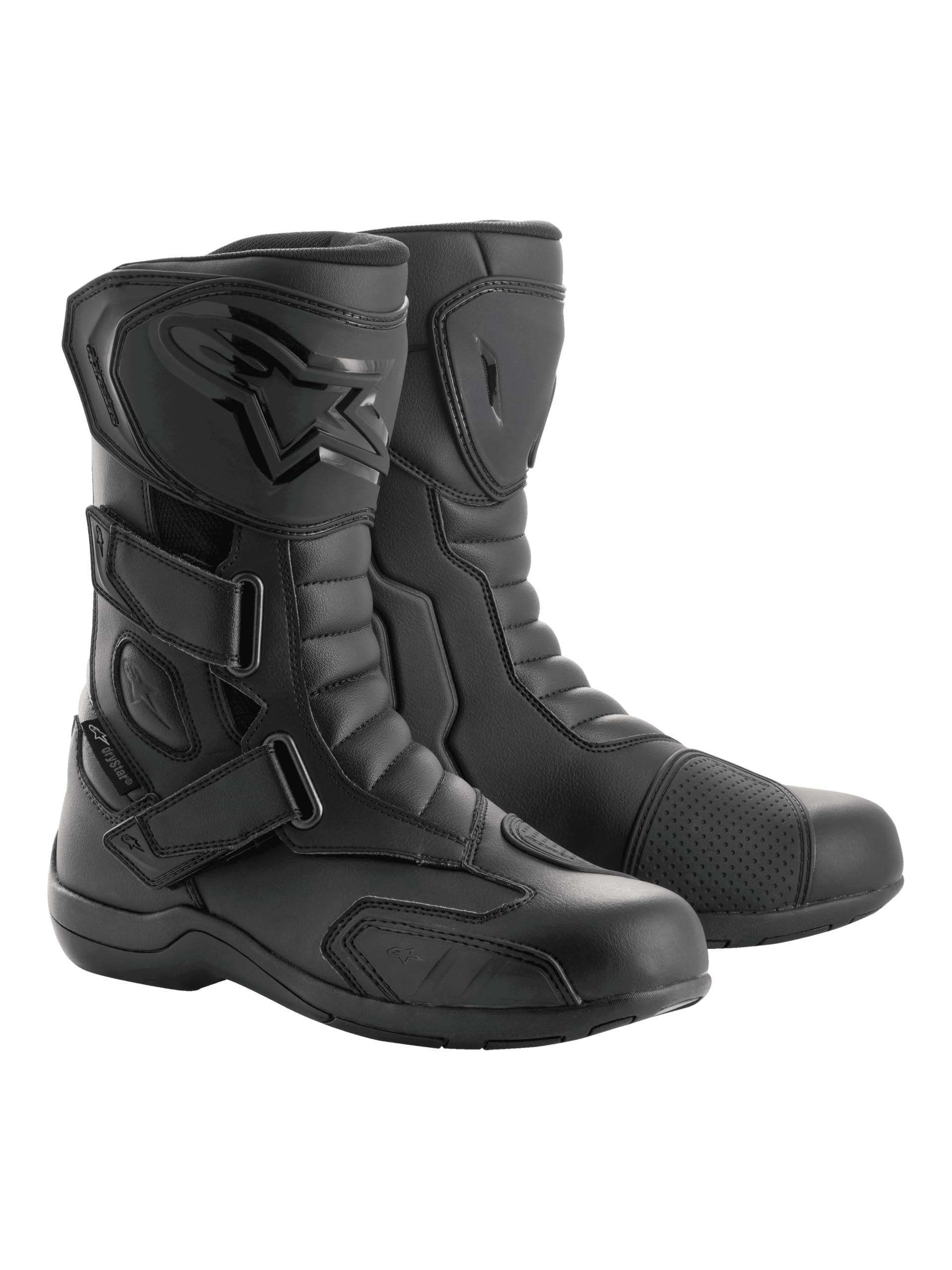
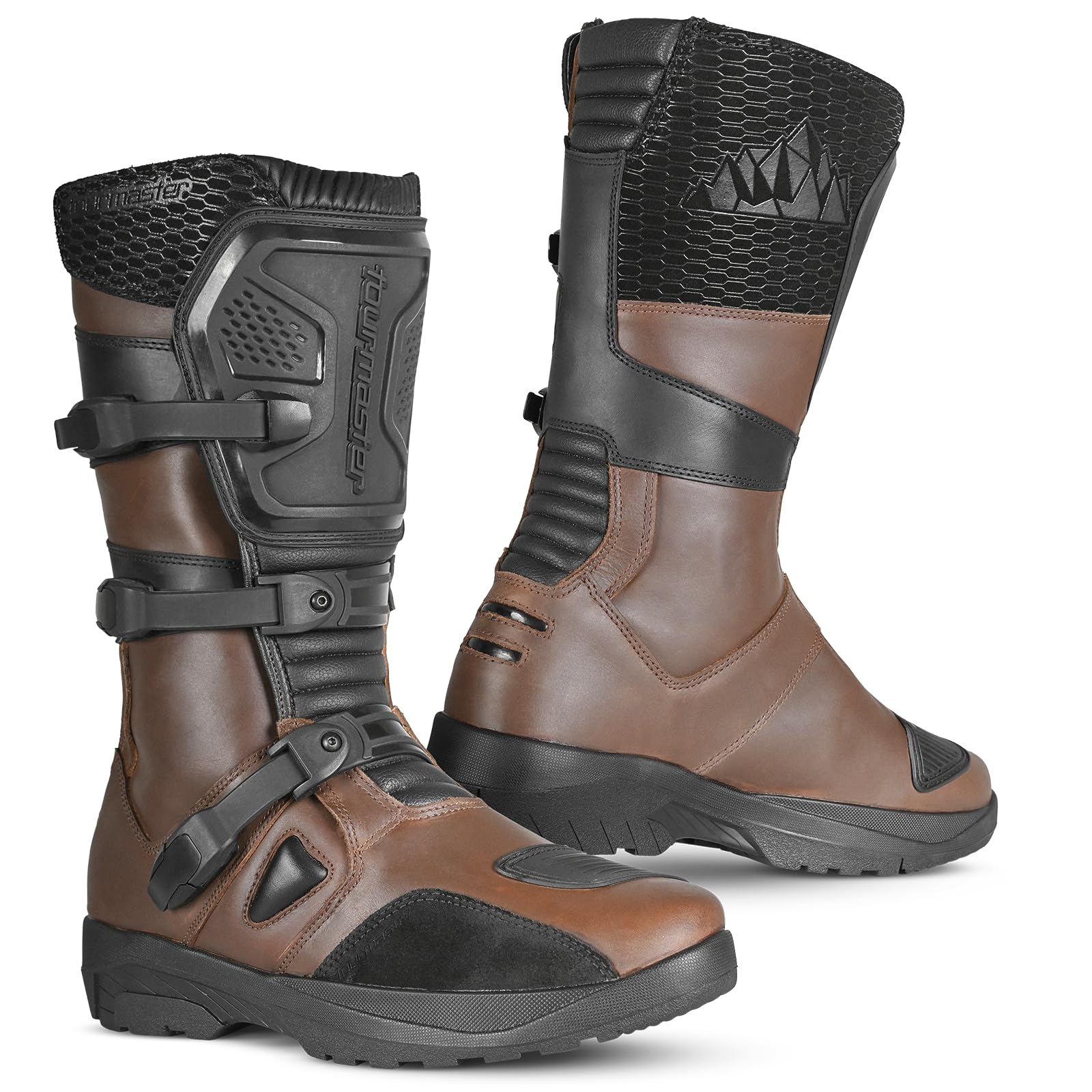
Armor is the whole point of a riding boot, and the only honest way to judge it is the certification marking printed inside the boot. Look for a label that states the standard the boot was tested against and the level it reached at the ankle, shin, heel and toe. A boot with no marking has not been proven in any test, whatever the product page claims. Start your comparison there, and let price come second.
Why a First Pair Belongs on the Street, Not the Track
A beginner is better served by a street boot than a track boot. Track designs chase stiffness and slide protection for very high speeds, and they can feel clumsy at walking pace and awkward on the controls while you are still learning. A street boot with a reinforced shift pad over the toes and firm padding around the ankle covers the drops and low speed slides that happen most in a first season. Guides to best beginner boots in other sports make the same point: starter gear favors control and comfort over specialist extremes.
An Oil Resistant Sole You Can Trust at a Stop
Many first season drops happen at a standstill, usually when a boot slips on a painted line, a fuel spill or loose gravel. An oil resistant sole with a tread pattern that channels grit away keeps your footing when you put a foot down at a stop. Check that the sole is stitched or bonded with a visible welt rather than glued on smooth. A flat, hard sole may last for years and still let you down on the one wet corner that matters.
What Your Money Gets You at Each Price Tier
With protection as the filter, the tiers below show where money changes the boot itself when you shop for best beginner motorcycle boots on a real world budget. The armor standard is the floor at every level. What rises with price is comfort, weather protection and how long the boot stays pleasant to wear daily.
Budget Tier: Coverage for About $80 to $150
At about $80 to $150 you get the safety basics: a leather or sturdy synthetic upper, basic ankle cups and a reinforced toe box. Closures are usually laces or a single strap, and waterproofing is rare at this level. These boots suit a rider doing short town trips in fair weather while learning. The trade is comfort over distance, since padding and sole cushioning stay thin.
Midrange Tier: The Balance Most New Riders Need
At about $150 to $300 the gains are real: certified armor at the ankle as standard, better shank support under the arch and liners that breathe on warm days. Many boots here add a waterproof membrane and a removable insole you can swap for your own. For most new riders this band buys the best balance of protection and day long comfort. It is where we suggest starting if the budget allows.
Premium Tier: Refinement for About $300 to $500
At about $300 to $500 you pay for refinement rather than a different category of safety: finer leather, lighter construction and hinges or braces that support the ankle while still letting it flex. Fit ranges widen, and some boots add ventilation panels for hot climates. The protection gain over a good midrange boot is smaller than the price gap suggests. Buy here for comfort on long days, not out of fear.
Fit Checks That Matter More Than Features
Sizing With Your Riding Socks On
Try boots on with the socks you ride in, late in the day when your feet are at their largest. Your toes should clear the front of the toe box while your heel stays put as you walk and crouch. A boot that feels fine standing in the shop can pinch after an hour in the saddle, so mimic shifting gears before you decide. Sizes vary between makers, so treat your usual shoe size as a starting point only.
Closures, Walking Comfort and Fit for Women
Zips, straps and buckles all beat laces for a beginner, because they give the same fit on every ride and cannot trail anywhere near the chain. Check that you can walk a full city block without the sole fighting you, since new riders walk in their boots more than they expect. Women riders should note that many unisex boots are built on a male last, and our guide to the best women's motorcycle boots explains the fit differences that matter.
Long Term Costs to Factor In
Budget for the boot plus its upkeep. Replacement insoles run about $15 to $30, and a quality waterproofing treatment costs about $10 to $20 a season for leather boots. A boot that has been through a crash should be replaced even when the damage looks minor, since crushed armor does not recover its shape. A midrange pair worn daily often lasts two to three seasons before the sole tread wears smooth and grip fades.
Frequently Asked Questions
How much should a beginner spend on motorcycle boots?
Most beginners do well spending about $150 to $300, the band where certified ankle armor and all day comfort first meet. Spending less usually means giving up tested armor, while spending more buys refinement rather than a big safety jump. If money is tight, a budget boot with a visible certification marking beats a stylish boot without one. Many training courses also lend boots for the first sessions, which lets you learn your size before you commit to a purchase.
Can a beginner ride in work boots or sturdy shoes instead?
Work boots and sturdy shoes are a poor substitute, because they lack armor at the ankle and toe and their laces can catch on the controls. Riding boots add a shift pad, a shank that resists twisting and a sole compound chosen for grip on oily pavement. The difference matters most in the slow falls that beginners actually have. Treat proper boots as part of the cost of the bike, not an optional extra.
How tight should beginner motorcycle boots feel around the ankle?
The ankle should feel firmly held without numbness, tingling or hot spots after ten minutes of walking. A little stiffness is normal in a new boot and eases as the leather breaks in around your foot. If your heel lifts with every step, the boot is too big, and loose boots reduce your feel for the gear lever. When you sit between two sizes, choose the smaller one only if your toes still clear the front when you press down.
Do beginner motorcycle boots need to be waterproof?
Waterproofing is worth paying for if you commute or ride in a wet climate, since cold wet feet distract you from the road. A membrane does make the boot warmer in summer, so riders in hot dry regions often prefer a vented boot and accept getting wet rarely. Waterproof budget boots exist, but they tend to use coatings that wear off within a season. Midrange membranes generally seal better and last longer, which is one reason that band suits year round riders.
When should a first pair of riding boots be replaced?
Replace riding boots after any crash that crushed or cracked the armor, even if the outside looks sound. In normal use, the clear signal is a sole worn smooth enough to slip on wet pavement, or closures that no longer hold the ankle firmly. Leather that has dried into deep cracks around the flex points is another warning sign. Boots age from the inside out, so a pair that feels sloppy and unsupported has usually given its service already.
Final Thoughts
Start with the certification marking, then choose the tier that matches the riding you actually do. For most new riders, the best beginner motorcycle boots sit in the midrange band, where certified armor, an oil resistant sole and all day comfort meet at a fair price. Whichever tier you pick, the product table above lets you compare the current options side by side before you order.