
Best 6 1 2 Door Speakers: Every Type Explained Side by Side for 2026
Disclosure: We may earn a commission when you buy through links on this page, at no extra cost to you. As an Amazon Associate I earn from qualifying purchases. Learn more

The best 6 1 2 door speakers compared by type, who each suits and what to check before you buy.
Door speakers in this size come in several distinct designs, and the labels on the box rarely explain what those designs do differently. This guide to the best 6 1 2 door speakers compares each type plainly, so you can match a design to your car, your music, and your budget.
Use the comparison table below for size, power, and price at a glance. Then read the type breakdown that follows, because the right construction matters more than any single specification number.


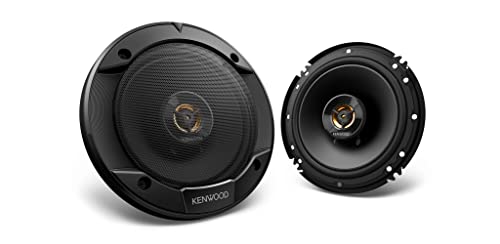

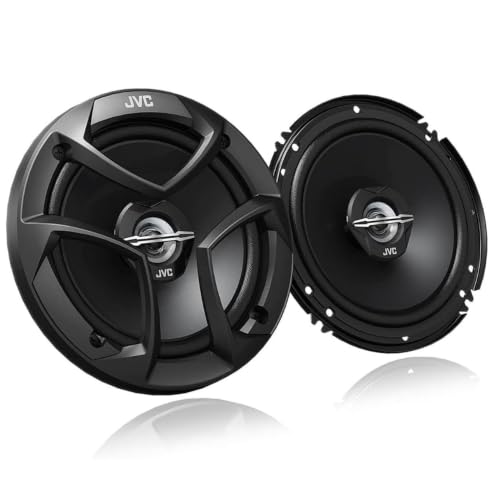
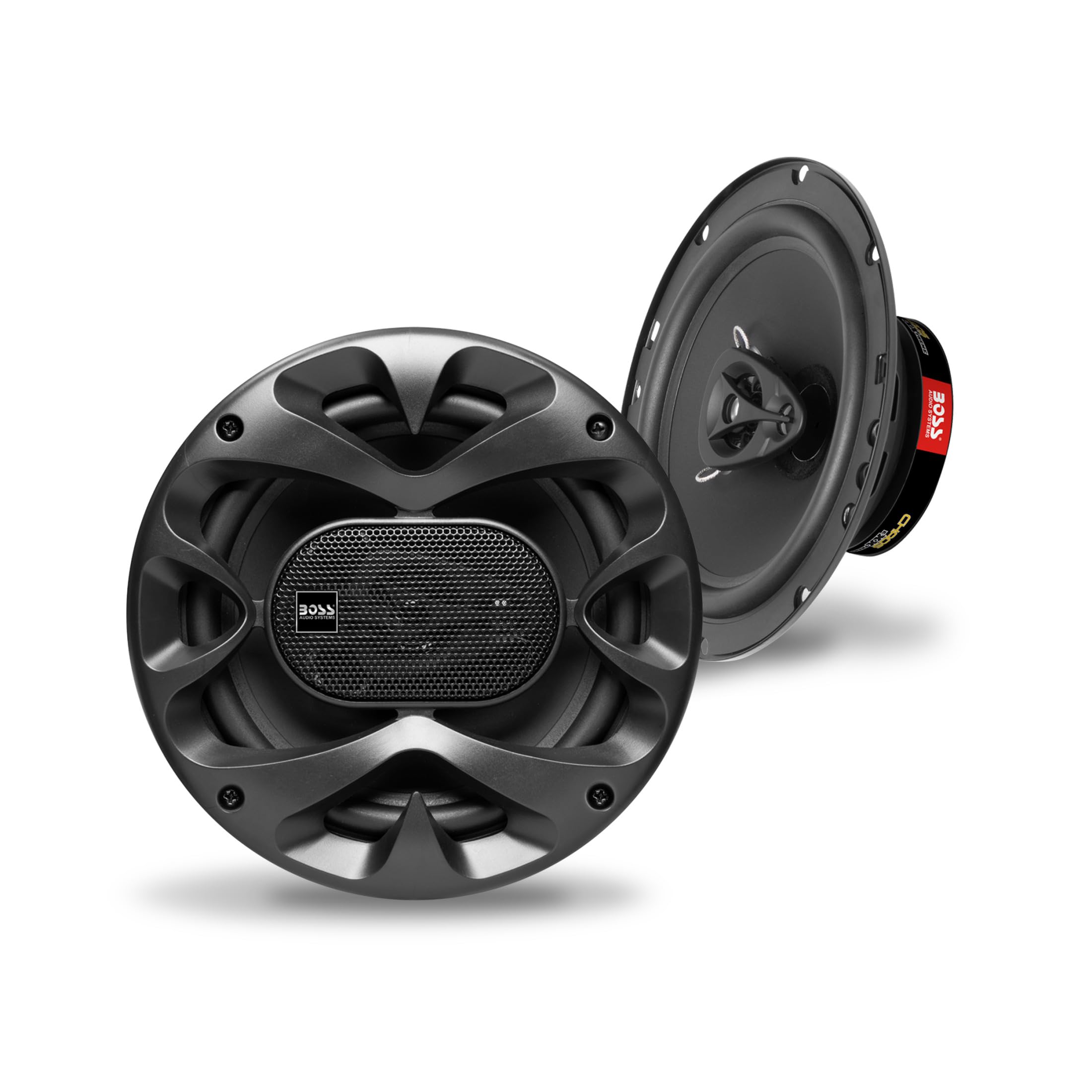


Types of 6 1 2 Door Speakers Compared
All four types below fit the same general door opening, yet they serve different listeners. Prices are typical United States ranges: coaxial sets often run about $40 to $150, component sets about $100 to $300, and specialty designs vary widely.
Coaxial Models
Coaxial speakers place the tweeter in the center of the woofer, so one unit plays the full range from a single mounting point. Installation is simple, since the speaker drops into the factory location and connects to the existing wires. Sound quality is a clear step up from most factory units, with better vocal clarity and stronger bass. The trade off is imaging: highs come from low in the door, so the soundstage sits near your legs rather than at ear level.
Component Models
Component sets separate the woofer, tweeter, and crossover into individual pieces. You mount the tweeter higher, on the sail panel or A pillar, which lifts voices and instruments to a more natural height. The external crossover also sends each driver only the frequencies it handles best, improving clarity at volume. The cost is installation effort: you will run extra wire, mount the crossover securely, and possibly cut or adapt trim. For listeners who care about detail, that effort pays off every drive.
Three Way and Four Way Models
Multi way coaxial designs add a midrange driver, and sometimes a small extra tweeter, alongside the main woofer and tweeter. In theory each driver covers a narrower band, which can smooth the response. In practice, results depend heavily on crossover quality, and crowded designs in small frames can sound busy rather than clear. These models suit listeners who want a single unit solution with extra high frequency sparkle, but a good two way design often sounds cleaner at the same price.
Shallow Mount Models
Shallow mount speakers use slim magnets and baskets for doors with limited depth, common in compact cars and trucks with window tracks close behind the speaker. They solve fit problems that standard speakers cannot, and modern designs give up less bass than older slim models did. You still trade some low end output and power handling for that thin profile. Measure your available depth before ordering, including clearance for the window when it is fully lowered.
If vocal clarity is your priority, see our guide to the best sounding 6 1 2 speakers for how tweeter placement shapes what you hear.
Coaxial vs Component: Which Should You Choose?
Choose coaxial if you want a quick weekend swap, plan to keep the factory head unit, and value simplicity over the last degree of detail. Choose component if you listen closely, run or plan an amplifier, and are willing to spend an afternoon on mounting and tuning. Cost differs too: component sets cost more and may need adapter rings and extra wire. Either type benefits from door sound treatment, which reduces rattles and firms up bass. For most daily drivers, a quality coaxial set is the sensible default, while component sets reward enthusiasts.
How to Choose the Right 6 1 2 Door Speaker
Type is only the first decision. The five points below decide how any set actually performs in your doors.
Power Handling and Sensitivity
Match continuous power ratings, often labeled RMS, to your source. A factory head unit delivers modest power, so high sensitivity matters more than a huge power rating, because sensitive speakers play louder on few watts. If you own an amplifier, choose speakers whose continuous rating comfortably covers the amplifier output per channel. Ignore peak numbers, which describe brief bursts and tell you little about daily listening or long term durability.
Fit, Depth, and Mounting
Confirm the cutout diameter, mounting depth, and screw pattern for your exact vehicle before you buy. Some doors need spacer rings to clear window mechanisms, and some openings described as this size are slightly oversized or undersized. Check whether the factory grille can stay, since tall tweeters on coaxial models can press against it. A few minutes with a fit guide for your model year prevents returns and door panels removed twice.
Drivers shopping nearby sizes should also see our guide to the best 6 inch door speakers to confirm which size their vehicle truly uses.
Materials and Build Quality
Cone and surround materials decide how a speaker ages in a hot, vibrating door. Polypropylene cones and rubber surrounds tolerate heat and moisture well, while foam surrounds can dry out and crack over years. Metal tweeters sound bright and detailed, while silk or textile tweeters sound smoother. Neither is automatically better, so match tweeter character to your taste and to how reflective your cabin surfaces are.
Sound Quality and Tuning
Look for a frequency response that covers the vocal range evenly, and be skeptical of extreme bass claims from a door speaker without a subwoofer. After installation, use your head unit equalizer in small steps: trim harsh treble before boosting bass, and set the fader so front doors carry the main image. A short listen with a familiar recording at normal volume reveals more than any specification sheet. Give new speakers a few hours of play before final tuning.
For cars where this size serves as the main front stage, our guide to the best sounding 6 1 2 car speakers covers tonal balance in more depth.
Value and Warranty
Price rises fastest at the premium end, where gains become subtle unless the rest of the system is strong. For most buyers, the middle of the range buys durable materials, honest ratings, and useful mounting hardware. Check warranty length and whether it covers surround or cone failure, and buy from a seller with a clear return policy in case fit differs from the listing. Keeping the factory speakers lets you restore the car later if you sell it.
Care and Maintenance Tips
Door speakers need little care, but a few habits extend their life. Keep door drain holes clear so water does not pool against the speaker back, and fix window seal leaks promptly. When you remove a door panel for other work, inspect speaker screws and foam gaskets, since loose hardware causes buzzing that sounds like speaker damage. Avoid slamming doors with the volume at maximum, and clean grilles with a soft brush rather than liquids that can reach the cone.
6 1 2 Door Speakers: Your Questions Answered
Wired or wireless: which sounds better?
Door speakers are wired by design, and wired is the right choice here. The vehicle harness delivers power and signal directly, with no battery to charge and no wireless compression. Wireless enters the system only between your phone and head unit. If sound quality disappoints after a swap, check polarity on both doors first, because one reversed connection thins the bass dramatically.
Do I need an amplifier with new door speakers?
No, an amplifier is optional for most listeners. Efficient speakers sound good on head unit power alone, especially at moderate volume. An amplifier helps when you listen loudly, choose low sensitivity component sets, or want cleaner sound at highway speed. One practical point: set amplifier gains with care, because excessive gain adds noise and distortion that no speaker can fix.
How long do door speakers last?
Quality door speakers commonly last five to ten years or more. Rubber surrounds and moisture tolerant cones age best in doors that see rain and heat cycles. Foam surrounds and paper cones in older designs may fail sooner. Listen for rattling or scratching at low volume, which often signals a surround or voice coil problem developing well before total failure.
Can I install door speakers myself?
Yes, coaxial sets are a manageable home project with basic tools and a panel removal guide for your car. Component sets take longer because of tweeter mounting and crossover placement. Work with the battery negative cable disconnected when you handle wiring, and test each speaker before you refit the panel. If your doors contain airbags or complex modules, professional installation is the safer route.
What size are 6 1 2 speakers exactly?
The name is nominal, not exact, and actual dimensions vary by brand. Cutout diameter is often closer to 5 inches, while the outer frame spans more than the name suggests. Always compare the stated cutout and depth figures with your opening rather than trusting the label. Adapter rings exist for many vehicles and can resolve small mismatches without cutting metal.
Wrapping Up
Pick the type first: coaxial for simplicity, component for detail, shallow mount for tight doors. Then confirm fit, match sensitivity to your power source, and choose materials that will survive your climate. With those points settled, the best 6 1 2 door speakers for your car will be easy to spot in the product table above.


