
Best 6 9 Car Speakers for Bass: Types Compared and How to Choose for 2026
Disclosure: We may earn a commission when you buy through links on this page, at no extra cost to you. As an Amazon Associate I earn from qualifying purchases. Learn more

The best 6 9 car speakers for bass compared by type, who each suits and what to check before you buy.
The 6x9 oval is the classic bass friendly car speaker, because its cone area beats any round speaker that fits the same shelf or door. Still, designs vary widely, and the loudest box claim is rarely the strongest real bass. This guide compares the types of best 6 9 car speakers for bass by design, price, and ideal use, then walks through the specs and fit checks that decide what you hear.
The comparison table below puts the current options side by side. Below it, you will find what each type does well, where each one gives ground, and how to match a pair to your vehicle and your stereo or amplifier.
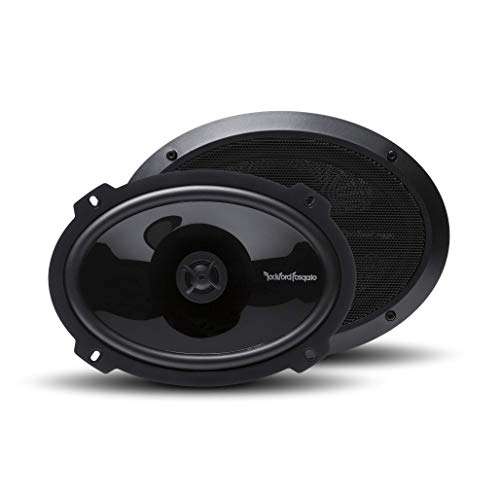
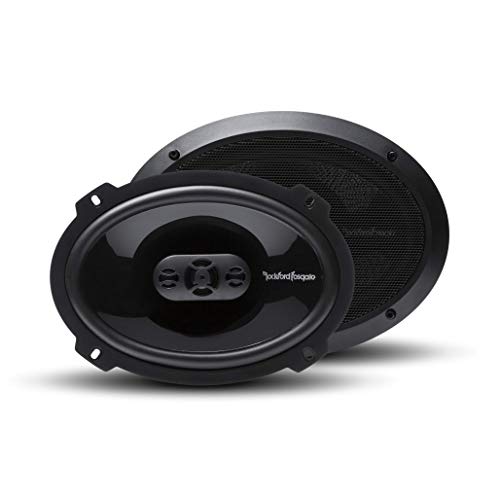
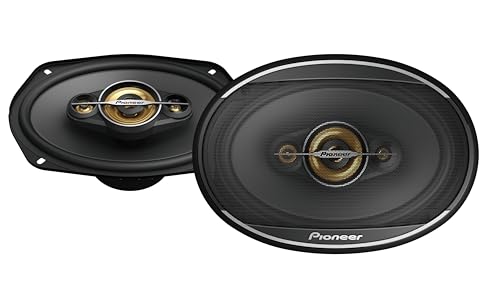

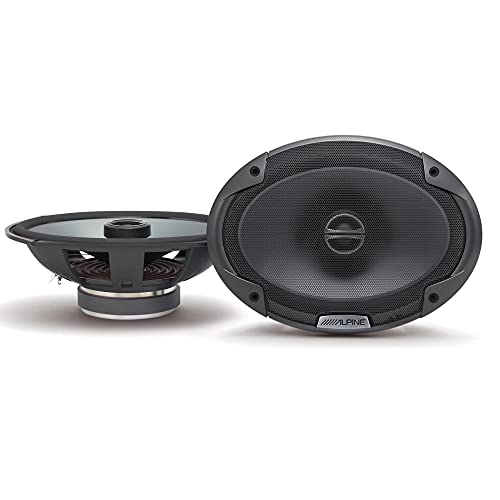


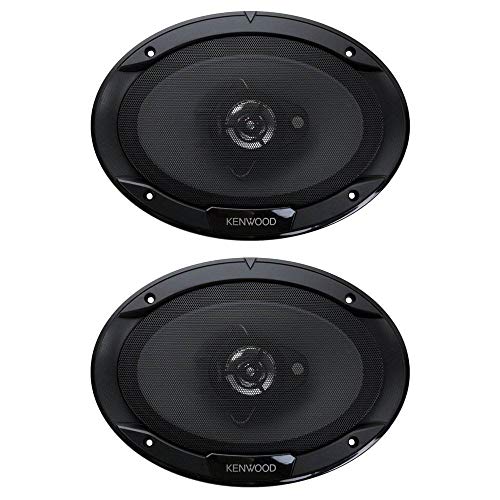
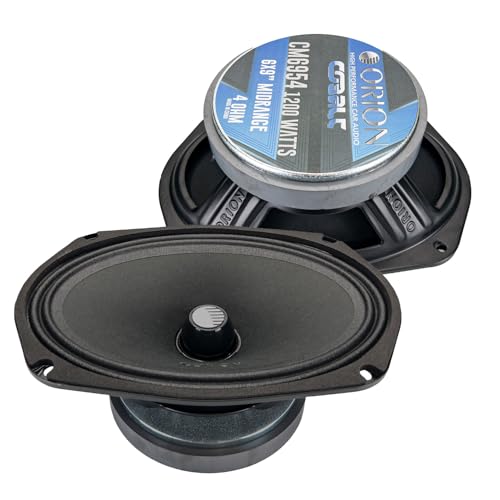
Types of 6 9 Car Speakers Compared
Three designs cover nearly every 6x9 sold for bass focused buyers. Coaxial pairs with two or three drivers start around $50 to $120, component sets run around $150 to $300, and high output models built for amplifiers sit around $120 to $250. Your mounting location matters as much as type: a rear deck gives this size air space to work with, while a deep door can work well if the window clears the larger magnet. If you are still comparing sizes, our general guide to the best 6 9 car speakers covers the full field beyond bass.
Two Way and Three Way Coaxial Models
A coaxial 6x9 mounts one or two tweeters above the oval woofer, giving full range sound from a single unit that drops into the factory opening. The large cone moves plenty of air for its price, so this type delivers the most bass per dollar and per hour of installation effort. A two way design, with one tweeter, often sounds cleaner, while extra small drivers on three and four way models add sparkle more than substance.
The compromise is control at high volume. Simple crossovers and modest magnets let the cone lose composure when a factory stereo is pushed, and bass turns boomy. On moderate power these pairs are the value champions of this size. Choose them for a rear deck fill or a full budget build, and spend the savings on sealing the deck or door so the bass you bought stays in the cabin.
Component Models
A component 6x9 set separates the tweeter and gives the woofer a dedicated crossover, so the big oval cone spends all its effort on lows and mids. Bass stays tighter at volume, and voices stay clear because the tweeter sits up high where your ears can hear it. This is the strongest sounding route in this size, and the one that benefits most from an amplifier in the 50 to 100 watts RMS range per channel.
The costs are money and work. You will mount tweeters and crossovers, route extra wire, and likely spend twice the coaxial price. For a front stage in a car you plan to keep, that investment pays off every drive. For a simple rear deck upgrade in an older sedan, it is usually more than the job needs.
High Output and Pro Style Models
High output models use large magnets, stiff cones, and high sensitivity to play very loud on strong amplifier power. Some borrow design cues from pro audio, with treated cones that resist heat and humidity. Their bass is forceful and controlled, aimed at listeners who want volume that carries with the windows down. The trade off is refinement and fit: these speakers are heavy and deep, need real power to wake up, and can sound brash at low volume on a stock stereo. Choose them only as part of an amplified system.
Coaxial vs Component: Which Should You Choose?
Compare the two mainstream types on five points. For bass per dollar, coaxial pairs win clearly. For bass control at high volume, components win, because the crossover and woofer are built for the job. For clarity, components win when tweeters are mounted high, while coaxial tweeters fire from low in a door. For installation, coaxial pairs win, with a simple swap in most cars. For total cost, coaxial pairs start near around $50, while component sets with an amplifier can pass around $400 all in. Choose coaxial for value and speed, and components for the best sound this size can give. Drivers working with smaller round openings can compare our guide to the best 6 inch car speakers for bass.
How to Choose the Right 6 9 Car Speaker for Bass
Performance Specs That Predict Bass
Read RMS watts first, since that is the continuous power the speaker handles: about 40 to 100 watts RMS suits most amplified systems, while lower figures pair with a plain stereo. Sensitivity near 90 dB or above means strong output per watt, which matters if you skip the amplifier. A low frequency reach near 40 to 50 Hz on paper suggests deeper capability, though the car and the mounting decide the real result. Ignore peak watt claims, which describe a split second burst and predict nothing about bass.
Features That Matter for Bass
Bass needs cone area, cone control, and cone travel. This size already brings the area, so look for a rigid cone in polypropylene or a treated fiber, a rubber surround that allows travel without tearing, and a magnet and voice coil sized for the RMS rating. A speaker with these traits stays clean when a bass line repeats for minutes, not just on a short demo burst. Also check the grille and mounting frame stiffness, because a flexing frame wastes energy as vibration instead of sound. For the big picture across all sizes, see our guide to the best car speakers for bass.
Vehicle Compatibility
Confirm the 6x9 opening exists before anything else, because many modern cars use round 6.5 inch speakers instead. Rear decks in older sedans and front doors in many trucks are the classic homes for this size. Check mounting depth against the trunk torsion bars under a rear deck or the window track in a door, since bass models run deep. Also confirm the factory grille clears the raised tweeter of a coaxial design. Know how point: measure the depth with the trunk bars at their lowest pass point, not at rest beside the opening, because the bars sweep through the space the magnet wants.
Build Quality and Weather Resistance
A rear deck speaker bakes in the sun through the back window, so UV stable cones and rubber surrounds outlast foam and untreated paper by years. In doors, moisture resistance matters more: look for coated cones, rust resistant baskets, and terminals that will not corrode. A formal waterproof rating is rare and unnecessary here, but materials chosen for heat and damp are a genuine quality signal. Sturdy binding posts or firm spade terminals also survive the vibration that loosens cheap clips over time.
Extras and System Features
Useful extras in this class are simple ones: a tweeter level switch, included grilles that actually fit, and mounting adapters in the box. App control, lights, and similar ornaments belong to other product types and add nothing to bass. Spend attention instead on your source settings. A stereo with a proper equalizer and a high pass filter lets you protect smaller front speakers while the 6x9 pair carries the low work, and a future subwoofer can take over below about 80 Hz. Listeners comparing oval sizes should also see our guide to the best 6 car speakers for the round alternatives.
Setup and Care Tips
Check your vehicle manual or a fit guide for the confirmed speaker size and depth before you order, and buy a wiring harness adapter so you never cut factory wires. Mount each speaker firmly with all screws snug and a foam gasket sealing the frame to the metal, because an air leak behind the speaker cancels bass. Keep polarity consistent on both sides, since one reversed speaker will hollow out the low end completely. After a week of driving, recheck the screws, set the equalizer near flat, and raise bass in small steps only while the sound stays clean. Wipe dust from rear deck cones with a soft brush, and never press on the cone or the tweeter dome.
FAQs
What features matter most in 6 9 car speakers for bass?
The features that matter most are a rigid, large cone, a rubber surround, and enough RMS capacity for your power source. Together they let the speaker move air in a controlled way at the low frequencies music actually uses. One point buyers often miss is mounting stiffness: a firm, sealed mount in the deck or door adds more audible bass than a small upgrade in the speaker itself, and it costs almost nothing.
How long do 6 9 car speakers for bass last?
A well built pair usually lasts eight to twelve years in normal use. The surround is the aging part: rubber endures, while foam can crack after years of heat through a rear window. Playing within the RMS rating and keeping distortion low protects the voice coil, which is the other common failure. Sunshades and a garage extend life more than any premium material claim.
Do I need professional installation for 6 9 car speakers?
Most owners can install a coaxial pair with basic tools, a harness adapter, and an hour or two of care. Rear deck swaps in older sedans are among the easiest audio jobs. Professional help is worth paying for with component sets, amplifier wiring, or doors that need modification for depth. If a quote includes sealing and deadening the mounting area, that part of the labor genuinely improves bass.
What specs matter most for 6 9 car speakers?
RMS power, sensitivity, and mounting depth matter most, in that order. RMS tells you the power the speaker can use all day, sensitivity tells you how loud it plays with the power you have, and depth decides whether it fits at all. Frequency response ranges help only as a rough guide, and peak power figures should be ignored. Impedance should match your stereo or amplifier, which in most cars means 4 ohms.
Will 6 9 car speakers fit my vehicle?
They will fit if your vehicle has a 6x9 opening with enough depth, which is common in older sedan rear decks and many truck doors, but far from universal in newer cars. Measure the opening and the depth behind it, and compare both with the stated dimensions before ordering. If your car takes a round speaker, adapters exist for some models, though a native round speaker usually sounds and fits better, as our guide to the best bass 6 1 2 car speakers explains.
Final Thoughts
This oval size earns its bass reputation through cone area, but the win only arrives with control, power matched to the rating, and a sealed, solid mount. Pick coaxial for value, components for control, and high output models only with an amplifier behind them. Compare the options in the product table above, and choose the best 6 9 car speakers for bass that fit your openings, your power, and the way you listen.


