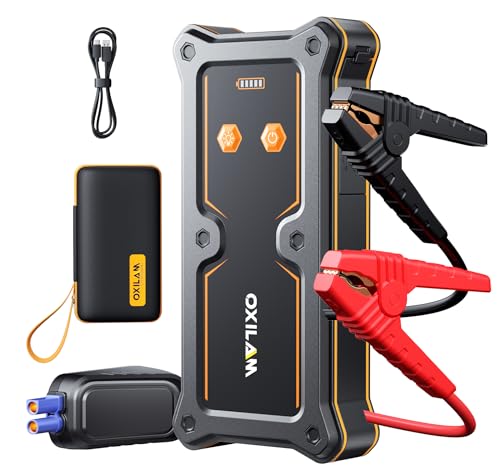
Best Battery Jump Starter with Compressor for 2026: A Practical Checklist
Disclosure: We may earn a commission when you buy through links on this page, at no extra cost to you. As an Amazon Associate I earn from qualifying purchases. Learn more
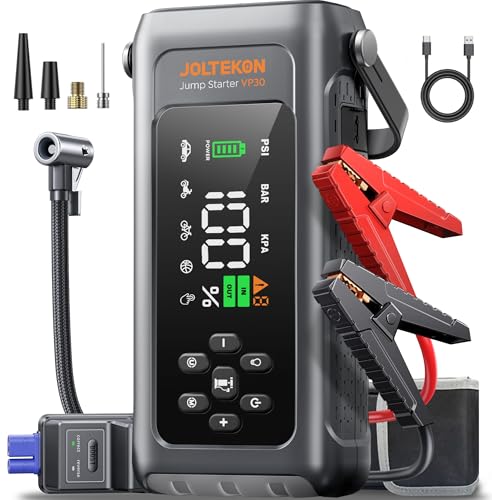
Compare the best battery jump starter with compressor by peak amps, air pressure, safety clamps, cable reach and care, with a simple buying checklist.
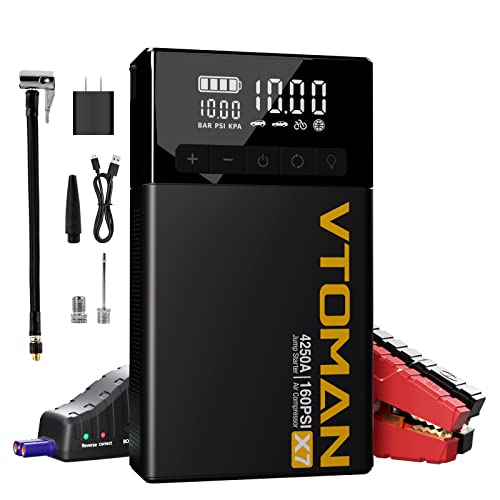
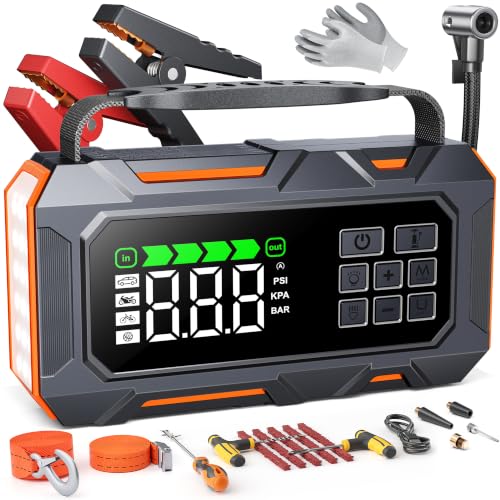
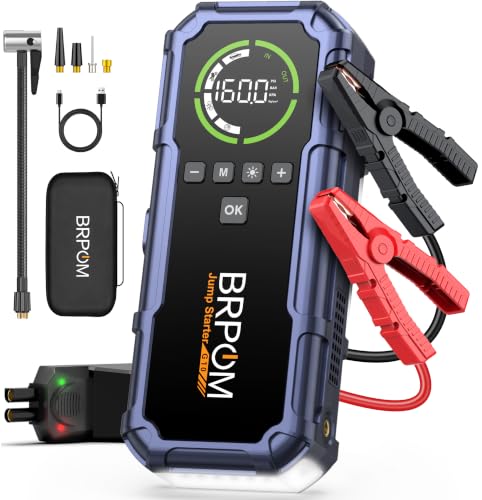
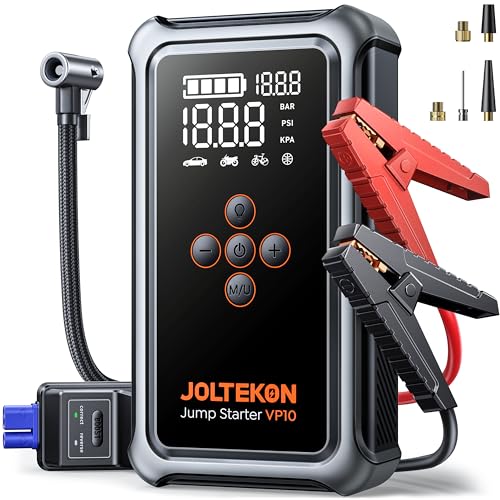
When a car will not start and a tire is also low, one compact tool can solve both problems before help arrives. The best battery jump starter with compressor pairs enough starting power with steady air flow, so you can restart the engine and correct tire pressure in one stop. Use this guide and the product table to judge real output rather than box claims.
Start with your engine, your tires and your routine. A small sedan driven daily needs a different balance of power and size than a truck that sits for weeks. The sections below cover who benefits most, which specs matter, how the types differ, and what care keeps the battery ready.

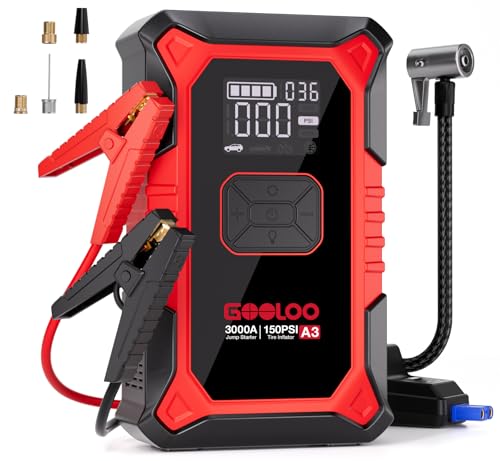
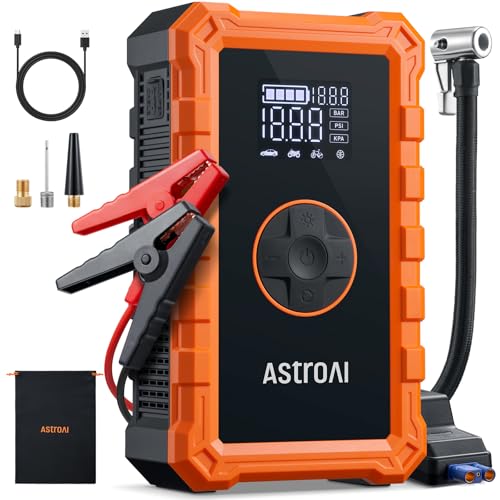


Who Should Buy a Battery Jump Starter with a Compressor?
Buy the combined tool when both failure points are realistic for you. If your battery is aging or your tires lose air slowly, one case saves trunk space and time on a cold morning.
Daily Drivers With One Car and No Backup Plan
You depend on a single car for work and errands, and a dead battery leaves you with no easy swap. A combined unit lets you start the car yourself and top up a soft tire before driving to a shop. Choose a model that lives in its case in the trunk, so nothing is missing when you reach for it.
Families Sharing One Car for Trips and Errands
Shared cars collect small problems that nobody reports, such as a tire that looks flat or lights left on overnight. A jump starter with a compressor gives any driver in the house a simple fix that needs no second vehicle. Pick a clear display and plain labels, since the user may be opening the case for the first time under stress.
Owners of Trucks, SUVs and Work Vans
Larger engines and larger tires ask more from both halves of the tool. You need higher cranking power for a big gasoline or diesel engine and stronger air flow for tires that hold far more volume. Accept a larger unit if you carry tools anyway, but check that the compressor can reach working pressure without long rest breaks, since a light duty pump will struggle with truck tires.
Key Features to Compare
Read each spec for what it changes in use, not for the biggest number on the page. The six factors below decide whether the tool starts your engine, fills your tire in reasonable time and stays safe.
Peak Amps, Cranking Amps and Engine Fit
Peak amps describe a brief burst, while cranking amps and cold cranking amps, often shortened to CCA, better reflect the push your starter motor gets. Match the rating to engine size in liters and fuel type, since diesel engines need more force to turn over, especially in cold weather. Modest headroom above your engine size is wiser than the largest number in the class, because oversized units cost and weigh more without starting your car faster.
Compressor Pressure, Air Flow and Duty Cycle
Pressure in PSI tells you the highest point the pump can reach, while air flow tells you how fast a tire fills. Most car tires need about 30 to 35 PSI, so flow and duty cycle matter more than a very high maximum. Duty cycle is the share of time the pump can run before it must cool down. Choose a duty cycle that covers four tires if you drive a truck. For a pump focused shortlist, see our guide to the best jump starter air compressor.
Battery Capacity and How Long a Charge Holds
Capacity, listed in milliamp hours or watt hours, sets how many starts and how much air work you get from one charge. A larger reserve helps if the car sits at an airport for two weeks. Charge retention matters just as much, since a unit that drains itself in storage will be flat when you need it.
Safety Protections and Clamp Design
Reverse polarity protection warns you and blocks current when the clamps land on the wrong terminals, and spark proof clamps cut the risk of sparks near the battery. Look also for protection against short circuits, overheating and overcharging, since these faults are common when a tired driver works fast in poor light. Clamps should open wide, grip terminals firmly and have insulated handles.
Cable Reach, Air Hose Length and the Storage Case
Short cables force you to balance the unit on top of the engine, where it can slide near moving belts. Longer cables let the unit rest on the ground while you work. The hose must reach each valve stem with the pump resting flat, and valve adapters should cover car tires, bike tires and sports balls. A fitted case keeps the kit complete.
Displays, Work Light and Charging Ports
A clear screen that shows battery level and tire pressure helps you set a target and stop at the right point, and automatic shutoff at a preset pressure prevents overfilling. A built in work light matters more than it sounds, since breakdowns often happen at night. USB ports can charge a phone while you wait.
Choosing Between Compact, Standard and Heavy Duty Types
Compact types suit small cars and store under a seat, but their pumps fill tires slowly and their reserve covers fewer starts. Standard types balance both jobs for most sedans and family cars, and most drivers should start here. Heavy duty types serve large engines and tires, with stronger pumps, at the cost of real weight.
That balance defines the best battery jump starter with compressor for most drivers: enough cranking power for your engine and a pump that fills your tires without long pauses. If you are weighing names that blend both jobs in a different order, see our guide to the best battery jump starter with air compressor. Drivers who only need starting power can see our guide to the best rated battery jump starter.
A Quick Buyer Checklist Before You Order
- Does the cranking rating cover your engine size and fuel type with room to spare?
- Can the compressor reach your door jamb pressure and fill one tire in a few minutes?
- Does the duty cycle allow all four tires, or only a single top up?
- Are reverse polarity protection and spark proof clamps named in plain words?
- Do the cables and hose reach with the unit resting on the ground?
- Will the case fit where you plan to store it in your car?
- Can you commit to recharging every three months or after each use?
Common Mistakes to Avoid
- Buying on peak amps alone leaves you with a strong starter and a pump too weak for your tires.
- Ignoring fuel type means a unit sized for gasoline may fail to turn over a diesel in winter.
- Running the compressor past its duty cycle overheats the pump and shortens its life.
- Clamping to a painted surface gives a weak connection and a failed start.
- Storing the unit fully drained for months damages the internal battery and cuts its starts.
- Guessing tire pressure instead of reading the placard leaves tires underfilled or overfilled and wears tread unevenly.
Care and Maintenance for a Jump Starter with a Compressor
Recharge the unit after every use and top it up about every three months in storage, since internal batteries lose charge slowly even when switched off. Bring it indoors during extreme heat or deep cold, because both age the battery faster. If the battery swells, leaks or smells odd, stop using it and have a qualified technician or the maker advise you, since a damaged battery is a safety risk.
Wipe the clamps clean and dry after use, and check the copper jaws for corrosion or bent teeth that weaken the grip. Coil the cables and hose without sharp bends, keep the adapters in the case, and run the compressor briefly every few months so seals stay supple.
FAQ
What makes a battery jump starter with a compressor different for first time users?
For first time users, the difference is that one guided tool replaces two separate skills. Clear screens, preset pressure shutoff and protected clamps reduce the choices you must make under stress. A printed quick start card inside the lid also helps, since a phone may be low when you need instructions.
Does a battery jump starter with a compressor need professional installation?
No, a battery jump starter with a compressor needs no professional installation at all. It is a portable plug and play tool that connects only when you use it, then returns to its case. One step worth doing at home is a practice run in daylight, so the real event feels familiar.
Which specs matter most on a battery jump starter with a compressor for winter driving?
For winter driving, cold cranking ability and charge retention matter most on the starter side. Cold thickens engine oil and weakens any battery, so a unit stored indoors and charged before a cold snap performs far better than one left frozen in the trunk. Winter also favors a flexible hose, since a stiff hose can crack at the fitting.
How long does a battery jump starter with a compressor last before the internal battery wears out?
A battery jump starter with a compressor typically lasts about three to five years before the internal battery fades. Fading shows up as fewer starts per charge rather than a sudden failure. You can slow that wear by avoiding full storage drains and keeping the unit out of hot trunks in summer.
Will a battery jump starter with a compressor work with both a small sedan and a diesel truck?
Yes, a battery jump starter with a compressor can serve both vehicles if its rating honestly covers the truck. The shared limit is diesel cranking demand in cold weather plus the larger air volume in truck tires. Check the maker rating for diesel size in writing, since some listings quote only the gasoline figure.
Our Verdict
Match cranking power to your largest engine, match air flow and duty cycle to your largest tire, and treat named safety protections as required. Then pick the smallest type that clears both bars and keep it charged. Compare finalists in the product table, and choose the best battery jump starter with compressor you will keep ready all year.