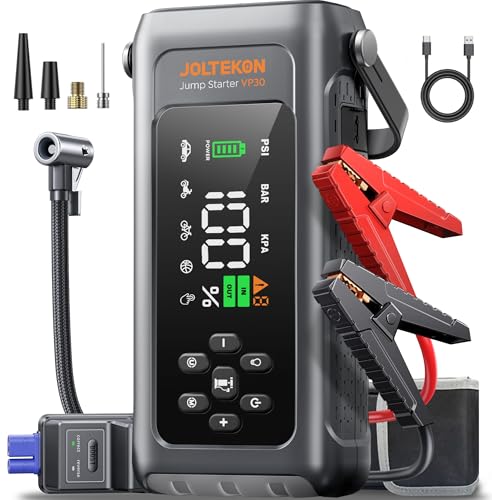
Best Battery Jumper 2026: First Time Buyer Guide
Disclosure: We may earn a commission when you buy through links on this page, at no extra cost to you. As an Amazon Associate I earn from qualifying purchases. Learn more
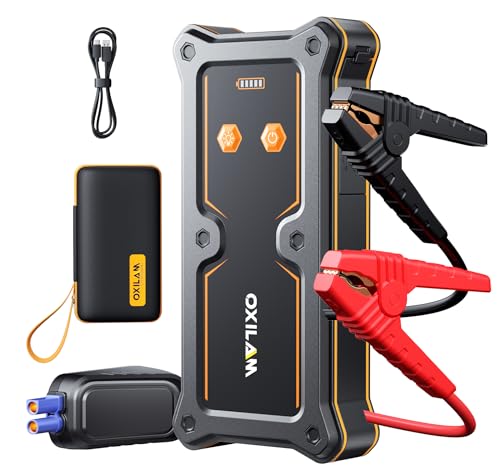
The best battery jumper restarts a flat battery safely. Compare packs and cables by engine rating, clamps and safety protections.
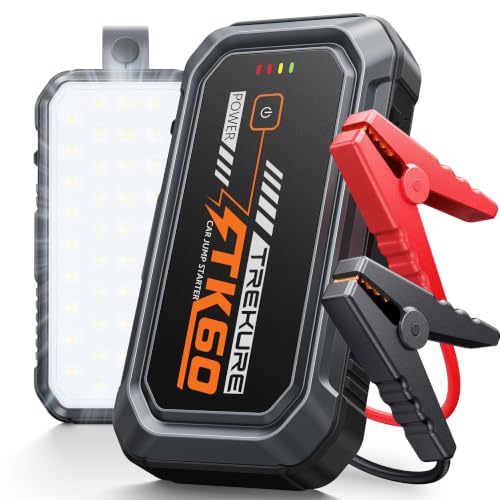
A battery jumper is a portable pack, or a set of jumper cables, that restarts a vehicle with a flat battery. The best battery jumper for most drivers is a lithium jump pack that works without a second car, with sturdy cables as a low-cost backup.
The product table lists current packs and cables. This guide explains who needs which type, which specs matter and how to use one safely.


Who Should Buy Which Type?
First time buyers
If you have never jump started a car, a simple pack with clear indicator lights and spark proof clamps is the best start. Avoid packs with confusing modes or tiny buttons. Read the manual once at home, so the real event is not your first lesson.
Families with several vehicles
A household with cars, an SUV, and perhaps a truck needs a pack rated for the largest engine in the driveway. One capable pack beats two marginal ones. Keep it in the vehicle used most, and tell every driver where it lives.
Drivers in cold climates
Cold weather weakens both the vehicle battery and the jump pack, so buy with margin. A pack that starts your car easily in summer may struggle at freezing temperatures. Store it where it stays reasonably warm when possible.
Key Features to Compare
Cranking power explained
Cranking power is the burst of current that turns the engine over. Peak amps sound impressive, but the sustained cranking rating matters more for a stubborn engine. Compare packs by engine size rating rather than by peak amps alone.
Clamps and cables
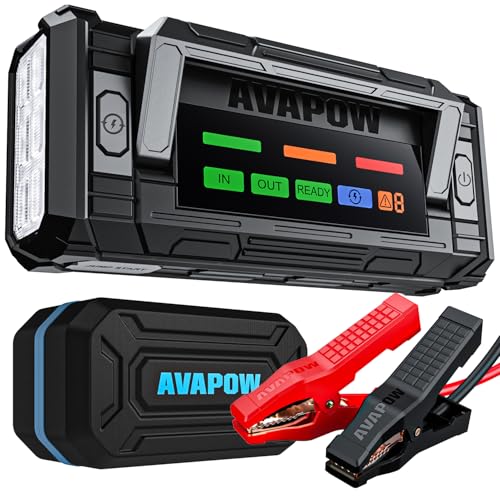
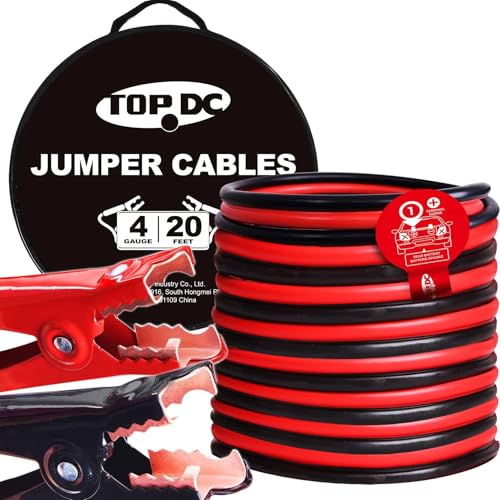
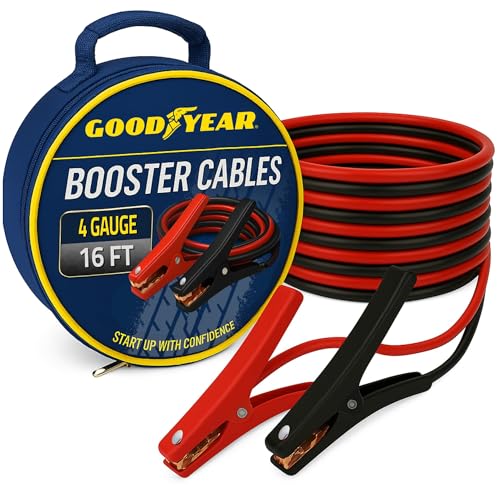
Thick cables and strong clamps deliver power without overheating. Short cables are easier to store but harder to reach across an engine bay. Check that clamps open wide enough for your battery terminals and grip firmly.
Safety features
Reverse polarity alarms, spark proof technology, and over current protection reduce the chance of mistakes. These features are worth paying for, especially for first time users. Never bypass a warning light to force a start.
Charging and maintenance
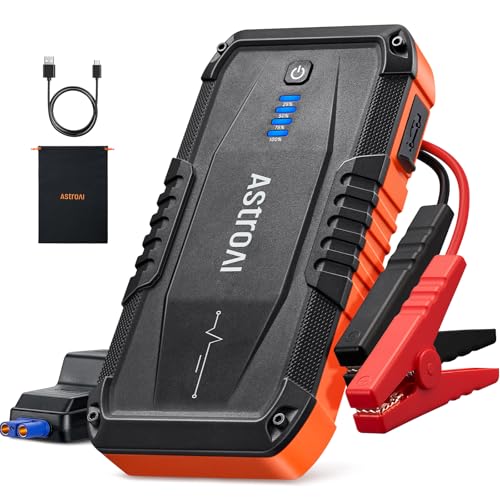
Most packs charge through USB or a wall adapter, and a full charge takes a few hours. Keep the pack between charges rather than leaving it flat for a year. A pack with a clear percentage display is easier to maintain than one with a single vague light.
Types Compared
Portable lithium jumpers
Lithium jumpers are light, compact, and easy to store, suiting most cars and SUVs. They hold charge well between uses. They suit drivers who want a pack that is always in the vehicle.
Lead acid jump boxes
Lead acid boxes are heavier and bulkier, but they deliver strong sustained power for trucks and workshop use. They need more maintenance and weigh more. They suit garages and fleets more than glove boxes.
Jump starters with air compressors
Combo units add a tire inflator, which is handy on road trips. The compressor adds size and weight, and the jump function should still be the priority. Check that both functions meet your needs, not only one.
Common Mistakes to Avoid
- Ignoring the engine rating: a pack rated for small cars will not reliably start a large truck, so match the rating to your vehicle and climate.
- Storing it flat for years: batteries self-discharge, and a pack left flat for years may never recover, so recharge on a schedule.
- Jumping a frozen or damaged battery: a frozen, cracked or leaking battery is dangerous to jump, so seek professional help instead.
- Leaving clamps connected too long: once the engine starts, remove the clamps in the order the manual specifies and never drive with the pack attached.
Planning for Everyday Use
After a jump start, drive for a while or charge the vehicle battery properly, since a jump start alone does not fully recharge it. If the battery dies again soon, have the battery and charging system checked by a professional, since repeated jumps mask a failing battery or alternator. Keep the pack manual in the case for the next driver.
Related Guides
If you want to compare related options, see our guides to the best portable battery jumper and the best car battery jumper.
Frequently Asked Questions
What is the difference between a jump pack and a jumper?
The terms usually mean the same thing: a portable battery that starts a vehicle without another car. Some people use jumper for traditional cables, but in product guides it normally means a self contained pack. Check the product description to be sure.
Can I jump start a completely dead battery?
A pack can start a battery that is too weak to crank the engine, but it cannot revive a battery with a dead cell or internal damage. If the engine does not turn over after a proper attempt, stop and have the battery checked rather than repeating attempts.
Is it safe to jump start in rain?
Modern packs with insulated clamps and safety features are designed for outdoor use, but take care to keep connections dry where possible and avoid standing water. If the battery is cracked or leaking, do not attempt a jump in any weather.
How many jumps can one charge give?
It depends on engine size and pack capacity. A mid size pack may give several jumps for small cars and fewer for large engines. Recharge after use so the next jump is not a gamble.
Do I still need jumper cables?
A pack replaces cables for most situations, but cables help if another vehicle is nearby and your pack is flat. Some drivers carry both. A pack is more convenient when you are alone.
How do I compare two similar options?
Compare them on your top three needs rather than on total feature count, and check both against your real routine. The product table helps with the main types, while the manuals fill in details. Choose the option that wins on the needs you listed first, not on extras.
Final Thoughts
Match the pack's engine rating to your largest vehicle, insist on clear safety protection and keep it charged. The best battery jumper is the one you can use confidently on a cold, dark morning. Compare the packs and cables in the product table by engine size, safety features and price.