
Best 6 Inch Car Speakers for Bass at Every Price for 2026: What Your Money Really Gets You
Disclosure: We may earn a commission when you buy through links on this page, at no extra cost to you. As an Amazon Associate I earn from qualifying purchases. Learn more

Want the best 6 inch car speakers for bass without overspending? See what each price tier delivers, which upgrades matter, and what you can safely skip.
Prices for small car speakers run from the cost of a tank of fuel to several hundred dollars a pair, and the boxes all promise big bass. They cannot all be right, because a 6 inch cone working inside a car door faces real physical limits. The best 6 inch car speakers for bass are the ones that use their size honestly, with strong motors, stiff cones, and doors treated as part of the system.
This guide shows what each price tier actually buys you, which features deepen bass, and which extras you can skip. Start with the comparison table below, then match a tier to your stereo and your budget.


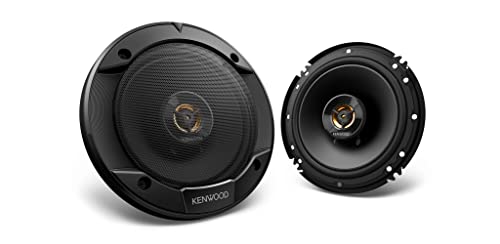


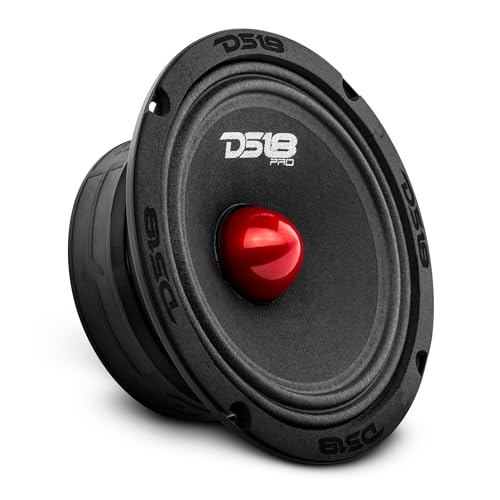
Three Budget Profiles for Bass Focused Buyers
Think of these profiles as shopping targets rather than fixed models. Each one suits a different listener, a different power source, and a different plan for the rest of the system. Knowing your profile keeps you from paying for ability your stereo cannot use.
The Budget Profile
Budget sets, often around $40 to $80 per pair, suit drivers replacing worn factory speakers in an older car. The gain here is clarity and punch at modest volume, not deep bass, because efficient cones on head unit power can sound lively without playing truly low. Look for the highest sensitivity you can find at this price and a rubber surround for long life. The limit is power handling, so these speakers complain early when you push volume hard with bass heavy tracks.
The Midrange Profile
Midrange sets, often around $90 to $160 per pair, suit listeners who want real midbass weight for rock, pop, and hip hop at honest volume. Stronger magnets, better cone materials, and higher RMS ratings let them take more power cleanly, especially with a small amplifier. This is where door treatment starts to pay off, because a firmer door lets the speaker produce punch instead of rattles. For most bass focused buyers who keep a car for years, this profile is the sensible place to land.
The Premium Profile
Premium sets, often around $180 to $350 per pair, suit enthusiasts building a planned system with an amplifier and often a subwoofer. You get refined crossovers, advanced cones, and tweeters that stay composed at high volume, plus the power handling to match. Bass output still stops where physics says it stops, so the premium gain is control and detail rather than depth. Buy at this level only if the rest of your system and your install budget can support it, including sound deadening and proper gain setting.
What Your Money Gets You at Each Price Tier
Budget Tier: What to Expect
At the budget tier you pay for a working upgrade over stock, with simple coaxial designs, basic crossovers or none, and cones chosen for low cost and decent efficiency. Materials are usually polypropylene or treated paper, which is fine, but surrounds, terminals, and included hardware get thinner. Expect honest midrange and modest midbass, and plan your listening around moderate volume. Quality control varies more at this level, so buy from sellers with an easy return policy in case a speaker arrives with a buzzing voice coil or a bent basket.
Midrange Tier: The Sweet Spot for Most Buyers
The midrange tier adds the parts that matter for bass. Cones get stiffer, which keeps them from flexing and muddying the low notes, and motors get stronger, which improves control when the music gets busy. RMS ratings climb into a range that pairs well with compact amplifiers, and many sets add real crossovers and better tweeters. You also get more size options, including shallow designs for tight doors. The trade off is that these speakers reveal weak sources, so a worn factory stereo may become your next upgrade.
Shoppers comparing plain 6 inch sizes for other locations can also see our guide to the best 6 inch speakers for bass for a broader look at bass trade offs.
Premium Tier: When Spending More Pays Off
Premium money buys refinement you can hear at volume. Crossovers use better parts, tweeters extend higher without harshness, and woofers stay controlled on demanding passages. Fit and finish improve too, with stronger baskets and hardware that installs without fuss. Spending more pays off when you listen critically, keep the car a long time, and power the speakers properly. It pays off least in a noisy older car with a stock stereo, where road noise hides the very detail you funded. In that case, midrange speakers plus door treatment give a bigger audible gain.
Features Worth Paying For and Ones to Skip
Build Quality and Weather Resistance
Doors collect moisture, so cone and surround materials decide how long bass stays tight. Polypropylene, carbon blends, and coated cones resist humidity, and rubber surrounds outlast foam by years. A rigid basket keeps the voice coil aligned under power, which protects both clarity and lifespan. This is a feature worth funding at any tier. If your car is known for wet doors, add inexpensive foam baffles, but leave the bottom open or cut as directed so the speaker can still breathe into the door cavity.
Features and Extras
Extras worth paying for are the ones outside the speaker box. Sound deadening sheets on the door skin, foam rings that seal the speaker to the panel, and a small amplifier all deepen perceived bass more than exotic speaker features do. Included crossovers and flexible tweeter aiming help too. Skip decorative lighting, inflated peak watt claims, and bundled accessories you will not install. App control and Bluetooth belong to head units and amplifiers, not to passive door speakers, so do not pay a premium for them here.
Vehicle Compatibility
Confirm size, cutout diameter, and mounting depth for your exact year and trim before you spend anything. Bass focused models often have larger magnets, which makes depth the most common conflict with window glass. Adapter brackets and harness adapters add a small cost but prevent cut wires and rattling mounts. If your doors cannot fit the set you want, a slightly smaller or shallower quality set will sound better than a forced install. Our guide to the best 6 inch car door speakers walks through fit checks step by step.
Features That Matter for Bass
Bass from a 6 inch speaker comes from moving air in a controlled way. Look for a stiff, light cone, a motor with enough strength to control it, and an RMS rating that matches your power. Published low frequency limits near 50 to 60 Hz are plausible for strong models in a door, while claims far below that deserve doubt. Door sealing matters as much as the speaker, because air leaking around the mount wastes cone motion. And be honest about goals, since notes below about 50 Hz are subwoofer work. Many happy systems pair good door speakers with a small sub, each doing the job it does best.
If you have room for a larger rear size, our guide to the best 6 9 car speakers for bass explains why bigger cones move bass more easily.
Long Term Costs to Factor In
The speaker price is only part of the bill. Add adapter brackets, harness adapters, and sound deadening, which together can run about $40 to $120 depending on how far you go. Professional installation, if you choose it, often costs as much as a midrange set of speakers. An amplifier adds its own cost plus a wiring kit and fuses. Against that, good speakers last for years and can move to your next car in some cases. A simple way to plan is to hold back about a third of your total budget for install parts and treatment, because those items protect the sound you are paying for.
FAQs
What features matter most in 6 inch car speakers for bass?
Cone stiffness, motor strength, and a sealed, solid mount matter most. Together they decide how much clean midbass the speaker can make inside a door. After those, match RMS handling to your power source and pick a sensitivity that suits it. One extra tip is to read owner reports about rattles, because a speaker can measure well and still disappoint if the door panel sings along. Treatment and fit turn good parts into good bass.
Will 6 inch car speakers for bass fit my vehicle?
Most will fit cars designed for this size, but depth is the usual problem because bass focused models carry larger magnets. Measure the space to the window glass with the window down, not up, since the glass travels into the door. Check the factory grille clearance too. If space is tight, choose a shallow model rather than spacing a deep one outward, because pushing the speaker into the grille can buzz at high volume on bass notes.
How long do 6 inch car speakers for bass last?
Expect five to ten years from a quality set that is powered cleanly. The fastest killers are distortion from an overdriven small amplifier or head unit, water pooling in the door, and foam surrounds aging out. Rubber surrounds, clear door drains, and gains set with care all extend life. If bass starts to sound loose or one side buzzes on low notes, inspect the surround and the mount before assuming the whole speaker has failed.
What specs matter most for 6 inch car speakers for bass?
Read RMS watts, sensitivity, and impedance first, and treat peak watts as marketing. A speaker rated around 50 to 90 watts RMS with sensitivity near 90 dB suits many compact amplifiers well. Frequency response gives a rough guide to low reach, but the lower figure only counts when it lists a tolerance, which many listings omit. When two sets look equal on paper, the one with the stiffer cone and stronger reviews for build quality is usually the safer buy.
Do 6 inch car speakers for bass need professional installation?
A basic coaxial swap is within reach for most owners with simple tools. Professional help earns its cost when you add an amplifier, run new power wiring, or apply full door treatment, because gain setting and safe routing take experience. Shops also carry the clips and adapters that home installs often lack. If you install at home, work on one door first and compare sides, so you can hear the change and catch wiring mistakes early.
Drivers with smaller factory openings may want our guide to the best 4 inch car speakers with good bass, and our general guide to the best 6 inch car speakers covers non bass priorities like clarity and value.
Wrapping Up
Pick your tier by power source and listening goals, fund cone quality and door treatment before extras, and keep expectations honest about how low a 6 inch cone can play. Midrange sets with an amplifier and treated doors satisfy most bass lovers, while premium sets reward planned systems. However you spend, the best 6 inch car speakers for bass are the ones matched to your doors, your power, and your music. Use the product table above to compare your finalists on RMS, sensitivity, and depth.


