
Best Bargain Printers 2026: Match Model to Routine
Disclosure: We may earn a commission when you buy through links on this page, at no extra cost to you. As an Amazon Associate I earn from qualifying purchases. Learn more

The best bargain printers are cheap to run as well as to buy. Learn how inkjet, laser and tank models compare on ink cost and volume.
There is no single printer that is best for everyone, and best bargain printers shoppers do well to start from how they actually print. The comparison table below gives you a quick overview, and this guide matches each printer type to a daily routine. A cheap printer can become expensive if the ink costs are high, so look at the full running cost, not only the price on the box.
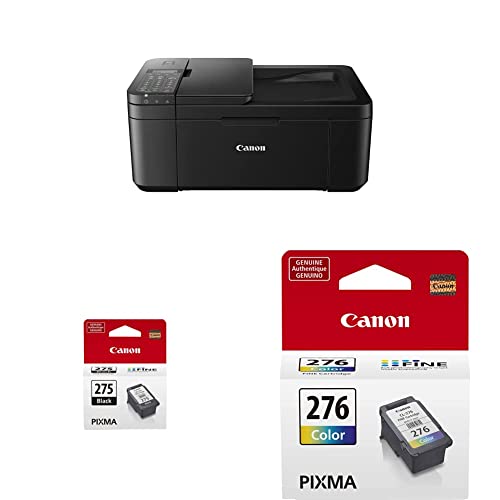

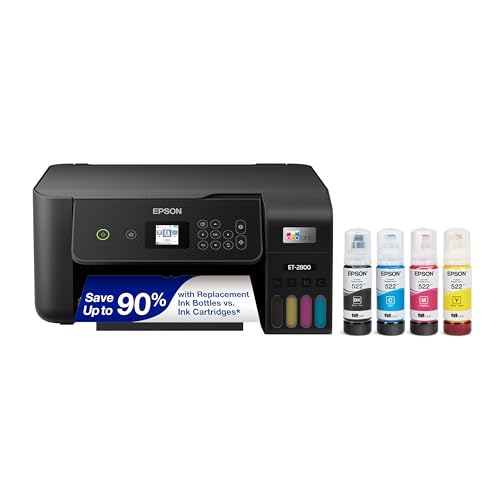
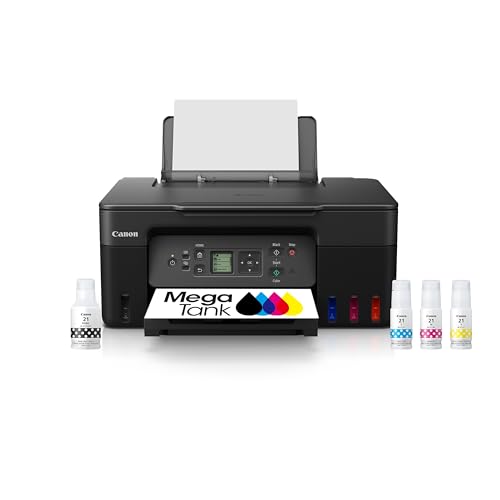
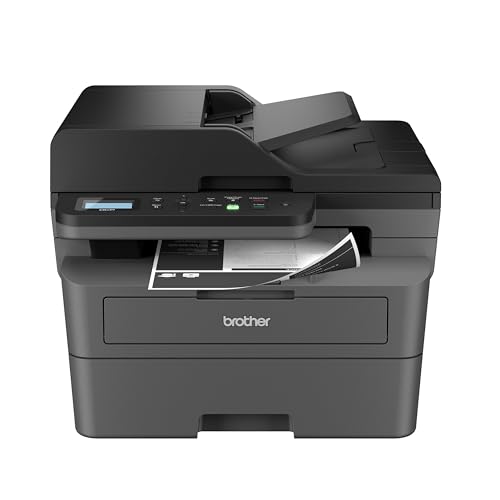

Who Should Buy Which Printer?
A home that prints a few pages a week, mostly school forms and occasional documents, has different needs from a home office that prints every day. Light users benefit from a simple, low cost machine with easy setup. Heavy users should focus on cost per page and print speed, because those factors add up quickly over a year.
Photo printing is a separate question. If you print photos often, look for a printer with good colour handling and suitable paper support. If you rarely print photos, a document focused printer will serve you better and usually costs less to run.
Inkjet, Laser, and Tank Models Compared
Inkjet printers are versatile and affordable to buy. They handle colour documents and photos well, but ink cartridges can be costly if you print a lot. Laser printers cost more up front yet print crisp text quickly and cheaply, which suits text heavy work. They are less strong for photos, though colour laser models handle everyday colour documents fine.
Tank printers use refillable ink tanks instead of small cartridges. They cost more to buy but much less per page, which makes them attractive for families and home offices that print regularly. If you print only a few pages a month, a tank printer may not repay its higher price, so match the type to your volume.
Print Volume and Running Costs
Estimate your monthly pages honestly. Count school work, work documents, forms, and photos over a typical month. Then compare the cost of replacement ink or toner for each model you are considering. A printer that looks cheap can cost more over two years than a slightly dearer model with cheaper supplies.
Also check how the printer handles low ink. Some machines warn you early, while others stop suddenly. Keeping a spare cartridge or a bottle of ink on hand avoids a last minute trip to a shop when a deadline is near.
Connectivity and Everyday Ease
Wireless printing from a phone or laptop is now standard on most models, and it makes printing from different rooms much easier. Check that the printer works with your devices and your home network. A simple control panel and a clear display reduce frustration when you need to change a setting quickly.
Automatic double sided printing saves paper and is worth seeking out if you print reports or school work. A scanner and copier built into the same machine also save desk space and are useful for forms, receipts, and homework.
Space, Noise, and Paper Handling
Measure your desk space before you buy, and remember that a printer needs room for the paper tray and for pages to come out. A compact model suits a small desk, while a larger model may hold more paper and need less frequent refilling. Noise matters too if you print at night or in a shared room.
Check the paper sizes the printer supports, especially if you print envelopes, labels, or photos. A rear feed slot helps with thicker paper and envelopes. Simple paper handling, with a tray that is easy to load, makes daily use much smoother.
Related Guides to Explore
If this topic connects with your plans, read our guide to best quality printers for a closer look at that angle. If this topic connects with your plans, read our guide to best three d printers for a closer look at that angle. If this topic connects with your plans, read our guide to best hobby 3d printers for a closer look at that angle. If this topic connects with your plans, read our guide to best computer printers for home for a closer look at that angle. If this topic connects with your plans, read our guide to best printers for pictures for a closer look at that angle.
Avoiding Common Printer Frustrations
Many printer frustrations come from setup, not from the printer itself. Place the printer where the wireless signal is strong, and follow the setup steps in order, including any firmware updates. A stable connection prevents the most common complaint, which is a printer that disappears from the network.
Paper jams often come from overfilled trays, damp paper, or mixed paper sizes. Load paper neatly, fan the stack before loading, and keep spare paper in a dry place. If a jam happens, follow the maker's removal steps gently, since pulling paper forcefully can damage rollers.
Print quality problems usually have simple causes. Low ink, clogged nozzles, or the wrong paper setting can all dull colours or streak text. Run a nozzle check and cleaning cycle when quality drops, and check that the paper type in the settings matches the paper you loaded.
Keep drivers and software updated, since updates fix bugs and improve compatibility with new operating systems. If printing from a phone fails, check that the phone and printer are on the same network and that the printing app is up to date. Most problems resolve with these basic checks.
Finally, think about where the printer lives. A dusty, cramped corner invites jams and overheating, while a clear, ventilated spot with easy access to the paper tray makes daily use pleasant. Good placement is a small decision that pays off every time you print.
Frequently Asked Questions
Is an inkjet or laser printer cheaper to run?
It depends on what you print. Laser printers usually cost less per page for text, which suits heavy document printing. Inkjet printers can be cheaper to buy but cost more per page if you print a lot. Tank printers cost the least per page overall, but only repay their higher price if you print regularly. Match the type to your monthly volume.
How many pages a month justify a tank printer?
There is no single threshold, but regular printing of several hundred pages a month makes a tank printer attractive. Light users who print only a few pages a month may never recover the higher purchase price. Estimate your real monthly pages over a few months, then compare the total cost of the printer plus ink over two years.
Do I need a printer with a scanner?
A built in scanner is useful for copying forms, scanning receipts, and sending homework. If you rarely need to scan, a print only model is simpler and cheaper. Many bargain all in one models include scanning at little extra cost, so it is worth having if you have the desk space.
Why does my printer use ink even when I print rarely?
Inkjet printers run cleaning cycles to keep the nozzles clear, which uses a small amount of ink. This is normal, but it means very light users still buy ink from time to time. Laser printers do not have this issue, which is one reason they suit occasional text printing. Keep the printer powered on rather than unplugging it between uses.
What should I check before buying a bargain printer?
Check the cost of replacement ink or toner, the print speed, the connectivity options, and the paper sizes supported. Confirm that the printer works with your devices and that supplies are easy to buy locally. A bargain is only a bargain if the running costs and the daily experience stay reasonable.
Final Thoughts
Match the printer to your routine, count the running costs over two years, and choose the type that fits your volume. The product table above can help you compare the shortlist. With best bargain printers as your guide, you can pick a machine that prints reliably without surprise costs.
