Best 3D Printers at Every Price: What Your Money Really Gets You in 2026
Disclosure: We may earn a commission when you buy through links on this page, at no extra cost to you. As an Amazon Associate I earn from qualifying purchases. Learn more

Clear checks on features, price and upkeep to help you choose the best 3d printers.
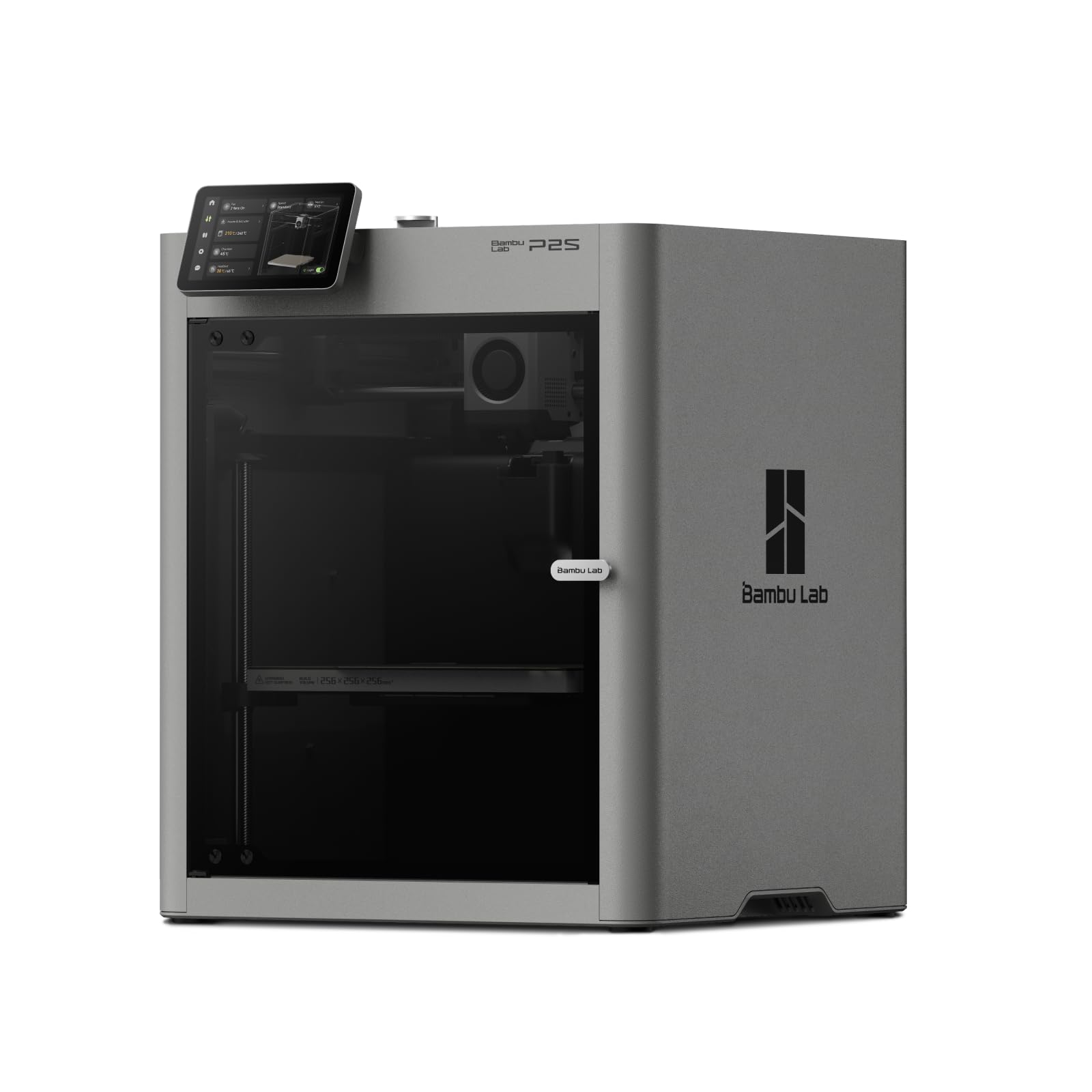
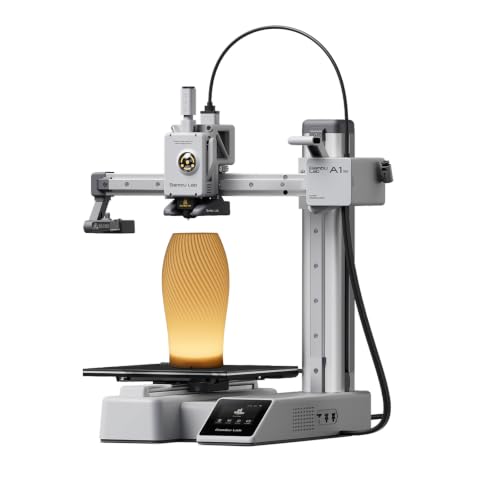
best 3d printers range from affordable starter machines for learning and hobby prints to faster, larger printers for serious making and small production. The right choice depends on what you want to print, how much space and patience you have, and whether you value ease of use over tinkering. The product table sets out the main printer types side by side, so you can compare technology, build size, and price.
This guide explains the main printing technologies, build volume, materials, speed, and setup in plain terms, plus what each price tier realistically buys. A printer that matches your projects and your workspace will print far more than a more capable machine that feels too complex or too messy to use regularly.




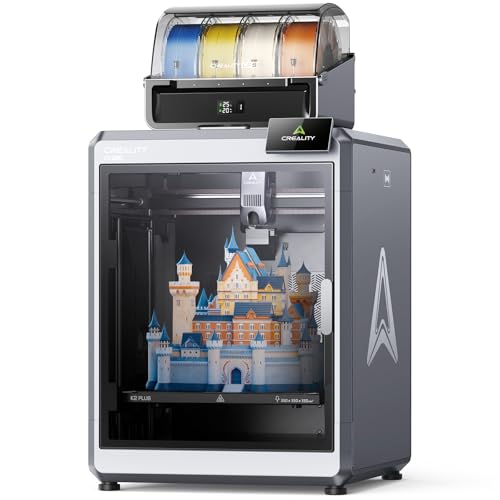

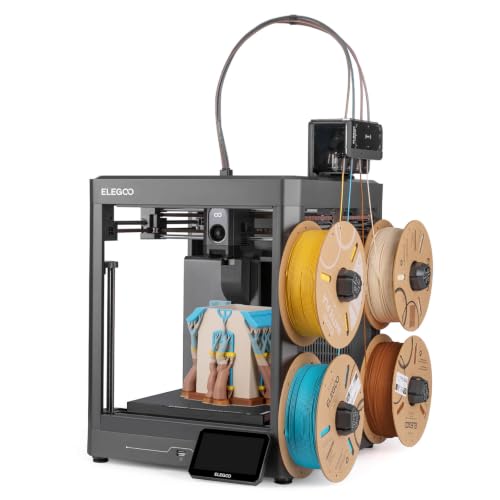
Who Should Buy Which Type of 3D Printer
Beginners and hobbyists who want to print toys, household fixes, and decorative models usually suit a filament printer with automatic bed levelling and a friendly setup. These machines are affordable, use widely available filament, and print durable parts that tolerate handling. A smaller build volume is often enough for learning, and it keeps the machine compact.
Detail focused makers, such as miniature painters and jewellery designers, benefit from a resin printer, which captures fine detail far better than filament. Resin printing needs more care, ventilation, and post processing, so it suits a dedicated workspace rather than a bedroom desk. Makers who need large or functional parts should prioritise build volume, enclosure, and material options over raw speed.
Key Features That Decide Printer Value
Filament Versus Resin Printing
Filament printers melt plastic filament layer by layer, producing sturdy parts in materials such as PLA, PETG, and ABS. PLA is easy to print and suits beginners, PETG adds strength and weather resistance, and ABS offers tougher parts but needs an enclosure and ventilation. Filament printing is forgiving, affordable, and good for functional parts.
Resin printers cure liquid resin with light, producing very fine detail and smooth surfaces ideal for miniatures and small precise models. Resin parts can be more brittle than filament parts, and handling uncured resin needs gloves, ventilation, and careful washing and curing. Choose resin for detail, and filament for durable, larger, everyday parts.
Build Volume, Speed, and Print Quality
Build volume decides the largest object you can print in one piece, and larger volumes need more space, longer print times, and more filament. Measure your typical projects first: many hobby prints fit easily in a medium volume, while cosplay parts and large containers need a bigger machine. Splitting a large model into parts is possible, but it adds assembly work.
Speed matters, but it trades against quality. Faster printing can reduce detail and layer adhesion, especially on complex models. Look for a printer with a stable frame and good cooling, since those affect quality more than headline speed figures. A moderate speed with consistent results beats a fast printer that often fails mid print.
Ease of Use: Levelling, Setup, and Software
Ease of use decides whether a printer gets used weekly or gathers dust. Automatic bed levelling, a clear setup guide, and a reliable slicer program that prepares models for printing all reduce frustration for beginners. A printer that assembles quickly and calibrates itself lets you focus on designing and printing rather than tuning.
Software and community support matter too. A popular printer usually has guides, spare parts, and ready made profiles that solve common problems quickly. Check filament or resin availability and cost in your area, since material prices affect long term running costs more than the initial printer price.
Safety, Space, and Running Costs
Safety and space need planning before you buy. Filament printers need a stable table away from draughts, while resin printers need ventilation, gloves, and a washing and curing area. Keep printers away from bedrooms if possible, especially resin machines and ABS printing, and follow the maker's guidance on ventilation and handling.
Running costs include filament or resin, replacement nozzles or screens, and electricity over long prints. A cheap printer with expensive or hard to find materials can cost more over a year than a slightly pricier machine with standard supplies. Budget for a few starter materials and basic tools, such as scrapers, cutters, and spare nozzles.
Common Mistakes to Avoid
A common mistake is buying the largest printer available without considering space, print time, and material use. Large prints take many hours and use a lot of filament, and a failed large print wastes far more than a small one. Start with a volume that fits your usual projects, and scale up only when you regularly hit its limits.
Another mistake is choosing resin for general household printing without planning for washing and curing. Resin detail is impressive, but uncured resin needs careful handling, and post processing adds time to every print. If you mainly want durable household parts, a filament printer is usually the simpler and safer daily choice.
Keeping a 3D Printer Reliable
Keep the print bed clean and level, check nozzles for wear, and store filament dry, since damp filament prints poorly and clogs more often. For resin printers, clean the vat and screen carefully, replace worn films as advised, and dispose of resin waste safely rather than pouring it down a drain.
Print a small test model after any major change, and keep notes on settings that work for each material. Regular small maintenance, such as tightening belts and cleaning fans, prevents most failed prints. A well kept printer produces consistent results and lasts far longer than a neglected one.
A Final Check Before You Buy
Before you buy, list three models you actually want to print and check their sizes against the build volume, since many beginners overestimate the size they need or underestimate it for a specific project. Check where the printer will live, including ventilation, noise, and access for filament changes, and confirm that filament or resin for your chosen type is readily available at a price you can sustain.
Also look at community support for the exact model, including setup guides, spare parts, and slicer profiles, since a popular machine with good support is far easier to learn on than an obscure one. Start with one material and a few small test prints, learning bed adhesion and basic settings before attempting large or detailed models. A patient start prevents most early frustration.
Related Guides
If you are comparing nearby options, our guides to best hobby 3d printers, best inexpensive 3d printers, best starter 3d printers, best resin 3d printers, and best filament 3d printers explain how hobby, inexpensive, starter, resin, and filament focused options differ from a general printer choice.
Frequently Asked Questions About Best 3D Printers
Should a beginner choose filament or resin?
Most beginners should start with filament, since it is easier to set up, safer to handle, and better for durable everyday parts. Resin suits makers who specifically need fine detail for miniatures or jewellery and who have a ventilated workspace for washing and curing. Start with filament unless detail is your main goal.
How much space does a 3D printer need?
Allow space for the printer itself plus room to access the bed, change filament, and store materials nearby. A compact filament printer fits on a sturdy desk, while larger machines and resin setups need a dedicated table and ventilation. Keep the printer away from draughts and out of bedrooms where possible, especially for resin and ABS printing.
What can I print with a budget printer?
A budget filament printer can print toys, household fixes, planters, brackets, and decorative models in PLA and PETG with good results. It may print more slowly and need more tuning than a premium machine, but it handles most hobby projects well. Very large, highly detailed, or engineering grade parts may need a more capable machine or material.
How long does a typical print take?
Small models may take under an hour, while medium household parts often take several hours, and large or detailed models can take a day or more. Print time depends on size, layer height, and infill, which is the internal density of the part. Finer layers look smoother but take much longer, so balance detail against time for each project.
Are 3D printers safe to use at home?
Filament printers are generally safe with sensible precautions: use them in a ventilated room, keep them away from flammable materials, and supervise long prints where possible. Resin printers need more care, including gloves, eye protection, and proper ventilation, since uncured resin irritates skin. Follow the maker's safety guidance and keep materials away from children and pets.
Final Thoughts
A good 3D printer matches your projects, your workspace, and your patience for setup and care. Filament suits durable everyday parts and beginners, resin suits fine detail with more post processing, and build volume should fit your usual models rather than your largest dream project. The product table compares the main types, but your first few intended prints are the best guide.
Start simple, learn one material well, and expand as your skills grow. Chosen that way, best 3d printers will mean a machine that turns ideas into real objects week after week, not a complex purchase that stays boxed.