Best Bang for Your Buck Speakers: Our 2026 Checklist and Buying Guide
Disclosure: We may earn a commission when you buy through links on this page, at no extra cost to you. As an Amazon Associate I earn from qualifying purchases. Learn more

Use our checklist to choose the best bang for your buck speakers with guidance on sound, drivers, battery life, connections, and build quality.
Speaker listings are full of wattage claims and Bluetooth version numbers, yet none of that tells you whether a speaker will sound good on your shelf or survive a summer by the pool. This guide gives you a plain checklist for judging best bang for your buck speakers on the things that actually shape daily listening. Work through it in order and most weak options eliminate themselves.
Decide first where the speaker will live, because a kitchen radio, a desk pair, and a patio speaker need different strengths. Then use the comparison table below to test each candidate against the checklist, starting with sound and fit for your space rather than price.

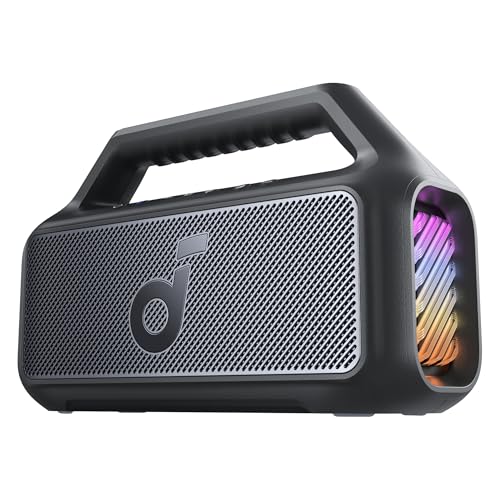



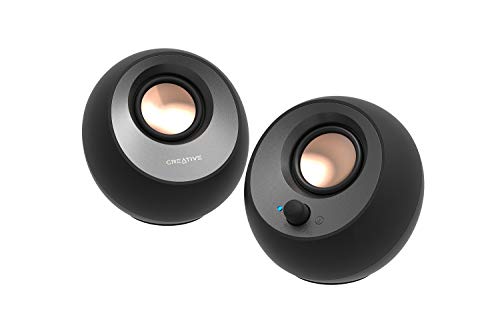
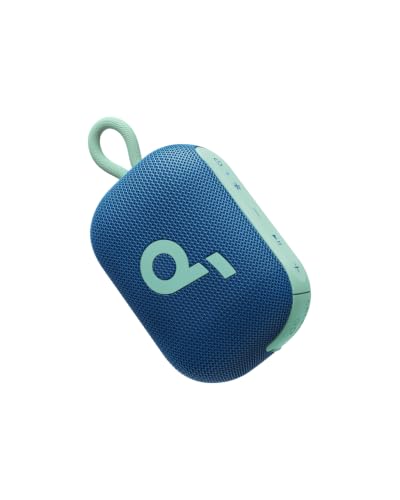


How to Evaluate Value Speakers
Features That Matter Most
Value means strong sound per dollar in the setting you chose, and the best bang for your buck speakers earn that by getting the basics right, so begin with driver size and enclosure design rather than feature lists. A compact speaker with a well tuned 3 inch woofer and a passive radiator usually sounds fuller than a larger box with loose tuning and rattling panels. Look for at least one useful extra input beyond Bluetooth, a battery or power setup that suits the room, and controls you can use without opening an app. Extra lights, voice assistants, and novelty modes add cost without improving music, so count them as decoration rather than value when you compare prices.
Sound Quality and Tuning
Judge sound by balance. Voices should sound natural and forward, bass should be present without drowning the words, and high notes should stay clear without a sharp edge at moderate volume. Frequency response figures help only when they state a tolerance, since a range quoted without one can hide deep dips. Larger drivers move more air and handle low notes with less strain, while small speakers rely on digital processing that can sound impressive at low volume and thin when pushed. If you listen mostly to speech, prioritize midrange clarity over bass output. If you host gatherings, prioritize clean volume in the open, which usually means a bigger enclosure and more amplifier power than a personal speaker needs.
Ecosystem and App Features
An app earns its place when it offers a real equalizer, firmware updates, and the ability to pair two speakers for stereo or link speakers across rooms. Check whether the app is required for basic functions, because a speaker that will not change inputs or update without an account is a long term annoyance. Stereo pairing is worth paying for if you sit in one listening spot, since two separated speakers create a far wider and more stable image than any single box. Also check how the speaker behaves after a power cut or a phone change. The best designs simply reconnect, while weaker ones need a full setup routine that you will repeat more often than you expect.
Connectivity: Bluetooth Version, Codecs, and Wired Options
Bluetooth 5.0 or later gives you stable range through a room or two, and multipoint connection lets a speaker stay linked to your phone and laptop at once. Codecs shape quality on wireless links. AAC suits Apple devices, aptX can help on many Android phones, and LDAC offers the highest bit rate when both ends support it, though the audible gain on a small speaker is modest. Latency matters for video, so look for a low latency mode if you plan to watch films. A wired input remains valuable even on a wireless speaker, because it removes delay entirely, rescues you when the battery dies, and lets older gear join in. Our guide to the best bang for your buck computer speakers covers desk setups where wired links matter most.
Battery Life and Charging
For portable speakers, treat the quoted battery life as a best case measured at moderate volume, and expect roughly half to two thirds of that figure at party volume outdoors. Around 10 to 12 hours of rated life is a sensible minimum for a full day out, while home speakers that plug in do not need a battery at all. USB C charging is the practical standard now, since it shares cables with your phone and refills faster than older ports. Check whether the speaker can play while charging and whether it can charge a phone in an emergency, a handy trait on trips. A replaceable battery is rare in this class, so a maker that offers battery service extends the useful life of the whole speaker.
Size, Placement, and Weight
A speaker sounds its best when it fits the spot you have, with room around it for bass to develop and no shelf edge blocking the drivers. Measure the shelf, desk, or patio table before ordering, and leave a few inches behind a rear port if the design has one. Weight tells a story too. A portable speaker under about 2 pounds travels easily in a bag, while a heavier home speaker usually signals a sturdier cabinet that resists vibration. Handles and straps matter if you carry the speaker often, and flat stable feet matter if it lives on a vibrating surface like a washer or a thin shelf. For car listening, our guide to the best bang for your buck car speakers covers sizes and fit in detail.
Durability and Water Resistance
Ingress ratings tell you how a speaker handles water and dust. IPX4 resists splashes and suits a kitchen or bathroom shelf, IPX7 means the speaker can survive brief immersion and suits poolside and beach use, and a full IP67 rating adds dust protection for the garden or a worksite. Ratings apply with port covers closed, so a speaker left charging outdoors loses that protection. Beyond water, look for a tough grille, rubber bumpers on the corners, and buttons sealed against grit. A speaker that will live in one room needs none of this, and paying for a rugged shell there buys you nothing, which is exactly the sort of saving this checklist is meant to find.
Best Bang for Your Buck Speakers by Price Tier
Best Overall Tier
The overall tier, often around $100 to $250 for a portable or a compact home speaker, is where balanced sound, solid battery life, and good water resistance meet. Expect a clear midrange, honest bass for the size, multipoint Bluetooth, and an app with a working equalizer. This tier suits one speaker bought to do several jobs well, from kitchen mornings to patio evenings. The limit is scale: even the best compact speaker will not fill a large yard or replace a true stereo pair for focused listening, so buy it for flexibility rather than for maximum volume.
Best Value Tier
Value tier speakers, often around $40 to $100, keep the essentials and trim the extras. You typically keep good tuning, a splash resistant shell, and a full day battery, while giving up stereo pairing, premium codecs, and the finest cabinet finish. For a bedroom, a dorm room, or a first portable speaker, this tier delivers most of the listening pleasure for a fraction of the cost. Watch the compromises carefully though, because a very cheap speaker that distorts at half volume is no bargain at any price.
Best for Heavy Use
Heavy use speakers are built for volume, weather, and rough handling, often around $150 to $300, with IP67 sealing, reinforced corners, and batteries rated near 20 hours. They suit worksites, large gardens, team sports sidelines, and anyone who lends gear out without worry. The trade off is weight and a tuning that favors loudness and clarity outdoors over fine detail indoors. If your listening is mostly quiet and close, this tier is more speaker than you need, and the overall tier will sound sweeter at the volumes you actually use.
Quick Buyer Checklist
- Does the speaker size fit the shelf, desk, or bag you measured for it?
- Does the rated battery life, discounted for real volume, cover your longest typical day?
- Does it offer the input you need, whether Bluetooth, a wired jack, or both?
- Is the water resistance rating high enough for the wettest place it will be used?
- Can you adjust tone through an equalizer or simple bass and treble controls?
- Does it pair for stereo or link with a second unit if you plan to expand later?
- Is the warranty at least one year, with support and parts available in your country?
- Would you still choose it if the decorative extras were removed from the feature list?
Red Flags to Watch For
- Vague power claims. Huge wattage with no RMS figure and no driver size usually hides a small amplifier and inflated marketing math.
- No stated water rating. A speaker sold for the outdoors without an IP rating has not been checked against the use it advertises.
- App only controls. If basic volume or input switching needs an account and an app, daily use will frustrate you within a week.
- Very short warranty. Coverage under a year on a battery product signals low confidence from the maker and leaves you exposed when the battery fades.
- Unusual review patterns. Clusters of glowing praise with no detail, posted in a short window, are a warning sign. See our broader best bang for your buck overview for how we read value claims across categories.
Care and Maintenance Tips
Keep firmware updated through the maker app, since updates often fix pairing bugs and improve battery reporting. Store a portable speaker indoors in a case or padded bag to protect the drivers and grille from knocks, and keep it away from long periods in a hot car, which ages the battery quickly. Wipe grilles and ports with a dry soft cloth, rinse off sand or pool water with clean water only if the rating allows it, and let the speaker dry fully before charging. Charge the battery before long storage and top it up every few months, because a lithium battery left empty for a season can lose capacity for good.
FAQs
What features matter most in value speakers?
Balanced sound and the right fit for your space matter most, followed by battery life for portables and a wired option for home use. An equalizer is the most useful extra, because it lets you correct a boomy shelf or a bright tiled room. For a surround setup, our guide to the best bang for your buck home theater speakers explains placement and channel choices in more depth.
Wired or wireless: which sounds better?
A wired connection sounds at least as good and removes delay, compression, and pairing trouble, so it wins for desks, televisions, and focused listening. Wireless wins on convenience and placement freedom, and with a good codec the quality gap is small on compact speakers. Many buyers do best with both: Bluetooth for daily casual listening and a cable for films or for a laptop that stays in one place.
Do I need a special codec?
No, a special codec is a refinement rather than a requirement, and the standard codec already sounds clean on most portable and home speakers. Choose AAC if you listen from Apple devices and aptX or LDAC if your Android phone supports them and you use high quality streaming. Speaker placement and tuning change the sound far more than any codec swap, so spend your money there first and treat codec support as a tie breaker between two otherwise equal options.
What IP rating do I need for outdoor use?
Choose IPX4 for a covered patio or kitchen, IPX5 or higher for open garden use in rain, and IPX7 or IP67 for poolside, beach, and boat use where a drop in water is likely. Remember that ratings assume port covers are closed, and salt water should always be rinsed off with fresh water afterwards. If the speaker never leaves one room, skip the rugged rating entirely and put the saving toward better sound.
Is a bigger speaker always better value?
Not always. A larger enclosure moves more air and plays louder with less strain, but only if you have the space and the listening volume to use it. In a bedroom or on a desk, a compact speaker with good tuning sounds just as satisfying and costs less. Buy the size that fits the room you listen in, and treat extra power as a bonus for outdoor gatherings rather than a requirement.
Wrapping Up
Run every candidate through the same order: fit for the space, balanced sound, then battery, connections, and build. That sequence keeps price in its proper place, as the last question rather than the first. Compare your finalists with the product table above, and you will see why best bang for your buck speakers are rarely the loudest or the cheapest, but the ones whose strengths match your room, your habits, and your budget.