Best Bang for Buck Car Speakers: Everything to Know Before Your First Purchase for 2026
Disclosure: We may earn a commission when you buy through links on this page, at no extra cost to you. As an Amazon Associate I earn from qualifying purchases. Learn more

Shopping for the best bang for buck car speakers for the first time? Learn the terms, compare options, and avoid rookie mistakes with this easy guide.
Factory car speakers are usually the weakest part of a stock stereo, built from paper cones and tiny magnets that muddy voices and thin out music. Replacing them is one of the most satisfying upgrades a first time buyer can make, and it does not require a huge budget. This guide explains the best bang for buck car speakers in plain terms, from sizes and power ratings to the fit checks that prevent returns.
This guide goes step by step: what the terms mean, which specs actually change the sound, and how to install or choose an installer with confidence. Start with the product table, then work through the sections in order and you will know exactly what your car needs.





Car Speakers 101: The Basics
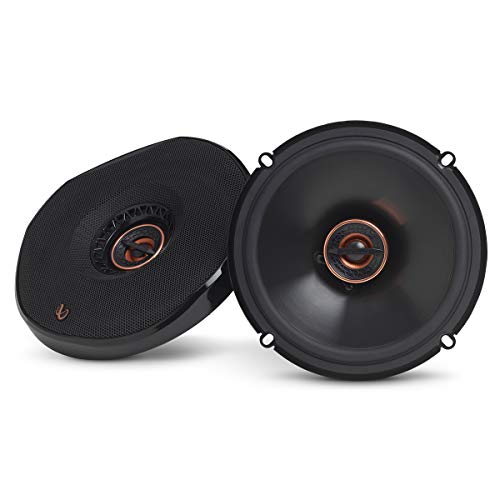
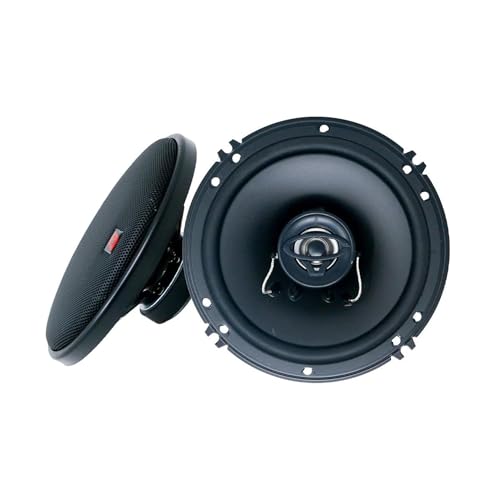
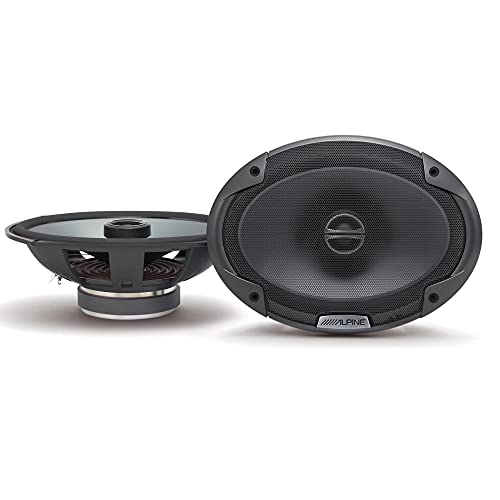
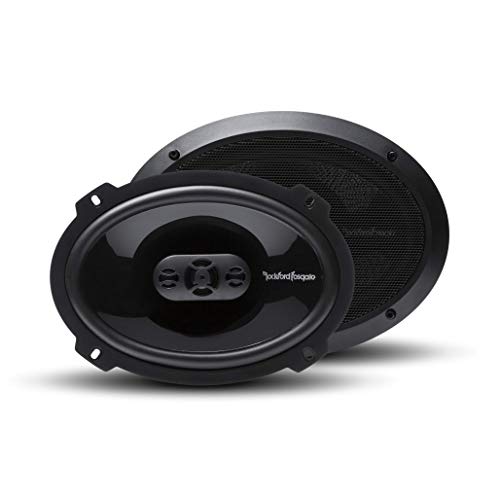
A car speaker turns electrical signals from your stereo into moving air, and you hear that movement as sound. Most cars use coaxial speakers, which combine a woofer for lows and mids with a small tweeter mounted in the center for highs, all in one unit that drops into the factory opening. Component systems separate the tweeter so it can sit higher, closer to ear level, which sharpens voices and stereo imaging but adds installation work.
Two terms explain most buying decisions. RMS power, measured in watts, tells you how much power a speaker can handle continuously, and it is the honest number to match with your stereo or amplifier. Sensitivity, measured in decibels, tells you how loud a speaker plays with a given amount of power, which matters a lot when you keep the factory stereo. Common sizes include 6.5 inch door speakers and 6 by 9 inch rear deck speakers, but your exact car decides what fits, so size always comes before sound preferences.
Key Specs Explained in Plain English
Features That Matter in Value Car Speakers
Value car speakers succeed by spending money on the cone, the surround, and the tweeter rather than on decoration. Look for cones made of polypropylene or similar stiff, moisture resistant materials, rubber surrounds that flex for years without cracking, and tweeters made of silk or a quality synthetic for smooth highs. A sensitivity rating around 88 to 93 decibels suits factory stereos well.
Vehicle Compatibility
Fit comes first, because the finest speaker in the wrong size is just a return waiting to happen. Check your car year, make, model, and trim, since the same model can carry different speaker sizes in different trims or with premium factory audio. Measure mounting depth as well as diameter: a deeper speaker can hit the window mechanism inside the door. Note the factory impedance, usually 4 ohms, and match it unless you are adding an amplifier designed for other loads. Many sellers offer fit guides, but confirm against your owner manual or a trusted fitment database before ordering.
Features and Extras
Useful extras solve real installation and listening problems. Swivel or angled tweeters on coaxial models let you aim highs toward the seats, which noticeably clears up vocals. Included wiring adapters and mounting brackets save a second purchase and a second weekend of work. Some speakers add crossovers that can be adjusted for tweeter level, helpful when the mounting spot makes highs harsh. Shoppers upgrading a desk setup too can glance at the best bang for buck computer speakers for a parallel value checklist, though car fit rules are far stricter. Skip extras like light displays; they add cost without adding sound.
Safety Features
Speaker safety is mostly about wiring and hearing. Choose speakers with clear polarity markings and secure terminals so connections stay tight and cannot short against the door frame. During installation, disconnect the negative battery terminal before working near wiring, and route new wires away from sharp metal edges that could chafe insulation over time. For your ears, remember that clean sound tempts higher volume: if you must shout to be heard by a passenger, it is too loud for long drives. A system that plays cleanly at moderate volume protects your hearing better than one you crank to overcome distortion.
Warranty and Brand Support
A one to two year warranty is typical at this tier and signals that the maker expects the speakers to survive car heat, cold, and humidity. Established audio brands publish real specifications, stock replacement parts, and answer fit questions, which matters when a bracket cracks or a terminal breaks. If pure sound quality is your top priority and budget can stretch, browsing the best sounding car speakers shows what higher tiers add in materials and tuning. Keep your receipt and register the purchase if the brand asks, and buy from sellers who accept returns after a fit check, since vehicle variations surprise even careful buyers.
Performance Specs
Read performance numbers in this order: RMS watts, sensitivity, then frequency response. Match RMS to your power source: factory stereos deliver roughly 15 to 25 RMS watts per channel, so efficient speakers with modest RMS ratings suit them perfectly, while high RMS speakers may sound quiet and dull without an amplifier. Sensitivity above about 90 decibels gets the most from low power. Frequency response ranges such as 50 Hz to 21 kHz describe reach, not quality, and small door speakers will never produce deep sub bass alone. Peak power numbers are marketing; ignore them and compare RMS figures only.
Rookie Mistakes to Avoid
- Ordering by diameter only. Mounting depth and bracket shape decide fit just as much. Confirm both before you buy.
- Chasing peak watts. Peak figures can double the RMS truth. A speaker rated honestly at 50 RMS watts will outplay one shouting about 300 peak watts.
- Replacing only one pair and expecting a transformation. Front speakers matter most, so start there, but mismatched old rear speakers can still muddy the result. Budget in stages if needed.
- Skipping sound deadening. A few sheets of damping material on the door skin reduce rattles and tighten mid bass more than a pricier speaker alone would.
- Ignoring the source. Compressed audio and a poor factory equalizer limit any speaker. Home audio shoppers face the same lesson, which the guide to the best bang for your buck speakers explains for living rooms.
Getting Started: Setup and First Use
Check your owner manual for speaker sizes and any airbag warnings before you remove a door panel, because side airbags live in some doors and seats. Gather panel clips in advance, since a few almost always break, plus a trim tool that will not scar the plastic. Disconnect the battery, swap one side at a time so the other door remains your reference, and test each speaker at low volume before the panel goes back on. Polarity matters: if bass nearly vanishes with both speakers playing, one side is likely wired in reverse.
After installation, set the equalizer flat and listen for a week before adjusting. Small boosts to treble can restore sparkle lost behind door grilles. Keep volume below audible distortion while the surrounds loosen up over the first hours of play. If wiring or panel work feels beyond you, a shop installation at a fair price beats a broken clip collection, and many first time buyers happily pay it.
Car Speakers: Your Questions Answered
What features matter most in value car speakers?
Sensitivity and cone materials matter most at this budget. High sensitivity makes a factory stereo sound alive without an amplifier, while a stiff polypropylene cone and rubber surround keep that sound clean for years in hot and cold weather. A smooth tweeter material prevents the harsh, tiring highs cheap speakers are known for. Fit and correct installation finish the job: a modest speaker installed tightly will beat an expensive one rattling in a loose mount every time.
Do I need professional installation for car speakers?
Not always. Coaxial speakers in most doors are a realistic first project with basic tools, a trim removal kit, and a free afternoon, especially with vehicle specific videos for guidance. Pay a professional if your car has door airbags you are unsure about, a premium factory system with separate amplifiers, or component speakers that need tweeter mounting and crossover placement. A fair install fee is often worth it for clean results and a workmanship guarantee.
Will new car speakers fit my vehicle?
They will if you verify three things: diameter, mounting depth, and any bracket or adapter your car requires. Trim level changes sizes more often than buyers expect, and premium audio packages sometimes use unusual impedances that limit your choices. Use at least two fit sources, such as the owner manual and a retailer fit guide, and prefer sellers with free returns. When a speaker is listed as fitting with modification, read what that modification involves before assuming it is minor.
How long do car speakers last?
Good value speakers commonly last 5 to 10 years or more in daily use. Heat and ultraviolet light age foam surrounds fastest, which is why rubber surrounds are worth choosing in sunny climates. Distortion is the other killer: playing beyond clean volume damages voice coils over time. If sound gradually turns harsh or one side fades, inspect for cracked surrounds and loose connections before replacing anything, since a simple wiring fault often imitates a dead speaker.
What specs matter most for car speakers?
Start with fit, then sensitivity, then RMS watts matched to your power source. Those three decide whether the speakers install easily, play loudly enough, and stay reliable. Frequency response gives a rough sense of bass reach, but cabin acoustics change it so much that it should never decide a purchase alone. Impedance matching matters when amplifiers enter the plan. Everything else, from peak watts to grille styling, is secondary decoration for a first upgrade.
Wrapping Up
Choose by fit first, sensitivity second, and honest RMS ratings third, and prefer rubber surrounds and smooth tweeters over flashy extras. The product table above lets you compare those essentials across current options in minutes. Follow that order and the best bang for buck car speakers will make every drive sound newly clear, without an amplifier, a huge budget, or a second attempt to get it right.