Best Bang for Your Buck Home Theater Speakers: Matching the Right Model to Your Routine for 2026
Disclosure: We may earn a commission when you buy through links on this page, at no extra cost to you. As an Amazon Associate I earn from qualifying purchases. Learn more

Channel layout, dialogue clarity and room size decide value in the best bang for your buck home theater speakers.
There is no single speaker setup that suits every room, every screen, and every budget. The best bang for your buck home theater speakers for a small apartment differ from the right choice for a large family room, and both differ from a dedicated media room.
This guide starts with how you actually watch and listen, then turns that into channel counts, driver needs, and connection checks. Use the product table as your shortlist while you work through each routine below.


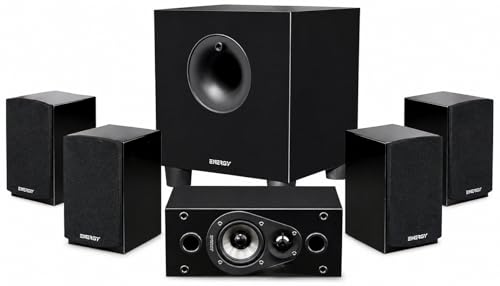
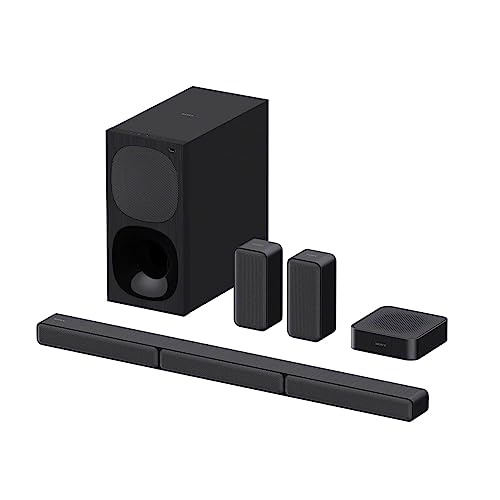
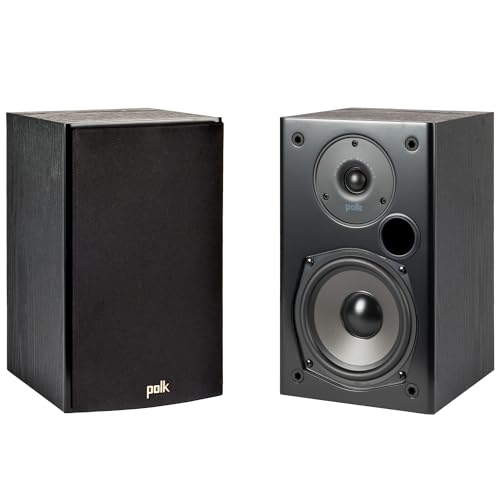


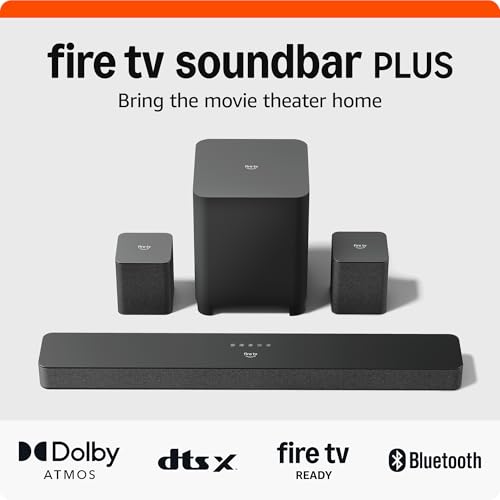
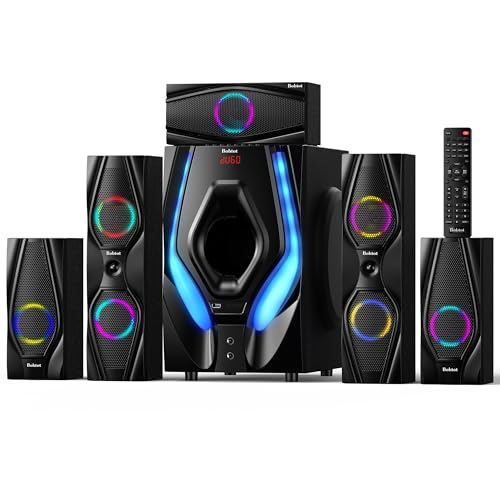
Who Should Buy Which Speakers?
For Apartment Viewers and Everyday Users
If you watch news, sports, streaming shows, and the odd movie in a modest room, your main problem is usually dialogue buried under music and effects. A soundbar with a clear center channel, or a compact 3.1 setup with a small subwoofer, solves that without filling the room with boxes. Prioritize a dialogue or night mode that tames loud scenes, simple HDMI ARC control with your TV remote, and a subwoofer you can turn down so neighbors stay friendly.
For Gamers and Movie Fans
Gamers and film fans feel value in surround placement and low delay. A 5.1 setup, or a soundbar system with separate rear speakers, puts effects behind you and makes directional cues in games genuinely useful. Look for low latency passthrough for consoles, support for modern surround formats from your receiver or bar, and a subwoofer that reaches low enough for film impacts without booming. Room size still rules: five well placed small speakers beat seven crowded ones.
For Music Lovers and Larger Rooms
If music shares equal time with movies, or your seating sits far from the screen, favor larger front speakers with real stereo separation. A pair of capable bookshelf or tower speakers with a matching center channel gives you a wider, more natural stage than a single bar. Add a subwoofer sized for the room volume, not just the screen size. This group should also value tone controls and room calibration, because big rooms create bass peaks and dull spots that placement alone cannot fix.
Shoppers building a room step by step may want to compare these routines with the broader guide to the best bang for your buck speakers for general listening outside home theater use.
Key Features to Compare
Dialogue Clarity and the Center Channel
The center channel carries most speech in films and shows, so it is the last place to save money. A dedicated center speaker, or a soundbar with a true center driver, keeps voices anchored to the screen and clear at low volume. Check for a dialogue enhancement mode and clear tone balance rather than loud treble, which can sound sharp instead of clear. If you often rewind to catch lines, spend here first, before adding rear speakers or a bigger subwoofer.
Connectivity and Formats
HDMI ARC or eARC is the connection to insist on, because it lets your TV send high quality audio to the speakers and control volume with one remote. eARC matters if you use a game console or disc player through the TV and want full quality surround formats. Optical is a fine fallback for older TVs. Bluetooth is handy for music from a phone, but use wired connections for films, since Bluetooth can add delay that puts sound behind lip movement.
Features That Matter for Your Buck Home Theater Speakers
Value in this category comes from matching driver size, power handling, and layout to your room rather than chasing wattage headlines. For most rooms, front speakers with woofers around 5 to 6.5 inches balance clarity and bass, sensitivity ratings near or above 87 dB mean easy powering from a modest receiver, and a subwoofer with a 10 or 12 inch driver covers family room bass. A matched brand and series across the front three channels keeps voices consistent as sounds move across the screen.
Ecosystem and App Features
Apps and calibration tools can add real value when they are simple and stable. Automatic room calibration with a supplied microphone evens out bass and balances channel levels for your actual seats, which is worth more than extra streaming logos. Useful apps let you trim the subwoofer level, switch night mode, and update firmware without menu diving. Check that core controls also exist on a physical remote, so a phone update or a lost login never locks you out of basic settings.
Sound Quality and Tuning
Good theater sound is balanced, not just loud. Look for a frequency response that reaches low through the subwoofer while the main speakers handle voices and effects cleanly, and judge tuning by natural speech and familiar music rather than demo explosions. Slight warmth suits long film sessions, while a very bright tuning can fatigue your ears. If a system offers tone controls or preset modes, that flexibility helps you adapt one setup to sports, films, and music without new hardware.
If you are weighing a matched premium system against a mixed setup, the best quality speakers for home theater explain where build and driver quality show up in daily listening.
Common Mistakes to Avoid When Buying
- Buying by wattage alone. Watt claims vary wildly between brands, while sensitivity and room size predict loudness far better.
- Skipping the center channel. Two large front speakers alone often leave dialogue vague, no matter how impressive the stereo image is.
- Oversizing or undersizing for the room. Tiny speakers strain in big rooms, and huge towers overwhelm small ones at normal volumes.
- Ignoring connection limits. Confirm HDMI ARC or eARC, plus enough inputs for your console, player, and streamer, before you buy.
- Forgetting stands, cable, and placement space. Budget for speaker cable, stands or mounts, and clear floor space around a subwoofer.
Care and Maintenance Tips
Speakers need little care, but small habits keep them sounding right. Keep firmware updated on soundbars and receivers so format support and HDMI handshakes stay reliable. Dust grilles and drivers gently with a soft brush, never a vacuum at close range, and keep cabinets out of direct sun and away from heat vents. Check cable connections once a year, since loose or oxidized ends can cause crackle that mimics a failing speaker. If you move a subwoofer, rerun calibration, because a few feet of placement change alters bass a lot.
Desktop listeners setting up a second, smaller system can apply the same dialogue and connection logic with the guide to the best bang for buck computer speakers.
FAQs
What features matter most in value home theater speakers?
A clear center channel, correct size for your room, and HDMI eARC control matter most. Those three decide whether you hear every line, feel effects at sane volumes, and enjoy using the system daily. After that, add surround speakers for immersion and a subwoofer matched to room volume. Extra streaming features and lighting add little, so let clarity, fit, and connections lead your budget.
Do I need a special audio format or codec for home theater?
You need support for the formats your sources actually send, not every logo on the box. Most streaming arrives in Dolby or DTS based surround, and eARC passes the full quality versions from TVs and players. For Bluetooth music, standard codecs are fine for casual listening, but keep film and game audio wired. If a setup decodes your console, streamer, and disc formats and syncs without lip delay, your format needs are covered.
Is a soundbar enough, or do I need separate speakers?
A good soundbar with a dedicated center driver and a subwoofer is enough for many apartments and casual viewers, and it wins on simplicity. Separate speakers pull ahead when you want true rear surround, wider stereo for music, or the freedom to upgrade one piece at a time. Be honest about your room and patience. A bar you set up perfectly will please you more than a component system left in boxes.
What size subwoofer do I need for my room?
Room volume, not screen size, sets subwoofer needs. Small rooms do well with an 8 or 10 inch model placed near a wall, while large or open plan rooms often need 12 inches or a second subwoofer to even out bass between seats. Start with one, place it where bass sounds smoothest at your main seat, and use calibration and level trim before assuming you need more power.
Wired or wireless: which sounds better for home theater?
Wired connections still sound more reliable for the main channels, with no delay, dropouts, or charging to manage. Wireless earns its place for rear speakers and subwoofers, where running cable is awkward, and modern links handle those roles well. A hybrid layout is the practical answer for most homes: wire the front stage to the receiver or bar, and let the surrounds connect wirelessly if your system supports it.
How long do home theater speakers last?
Passive speakers can serve for decades, because they contain no software or batteries, and drivers age slowly when kept dry and out of harsh sun. Powered soundbars and receivers age faster through changing HDMI standards and app support, often feeling dated after seven to ten years even if they still play. That difference favors component setups for long term value, and it is worth checking spare remote and firmware support before buying powered models.
The Bottom Line
Start with your routine, size the system to your room, and protect dialogue clarity above all. The product table above will read clearly once you know your channel layout and connection needs. Chosen that way, the best bang for your buck home theater speakers will make every film night easier to hear and harder to pause.