Best Backyard BBQ Smokers: What to Know Before Your First Purchase
Disclosure: We may earn a commission when you buy through links on this page, at no extra cost to you. As an Amazon Associate I earn from qualifying purchases. Learn more
Shopping for the best backyard bbq smokers for the first time? Learn fuel types, sizes, and setup basics, plus mistakes to avoid, in this simple guide.
Buying your first smoker is exciting, but the terms, fuel types, and size numbers can feel like a foreign language. This guide to the best backyard bbq smokers starts with the basics and builds toward a confident purchase, step by step. You do not need experience to follow along, and you do not need the biggest unit on the patio to cook great food.
Use the table of picks below to see how styles differ at a glance, then read on for plain English explanations of each spec. By the end you will know what size you need, which fuel fits your lifestyle, and which rookie mistakes to skip.



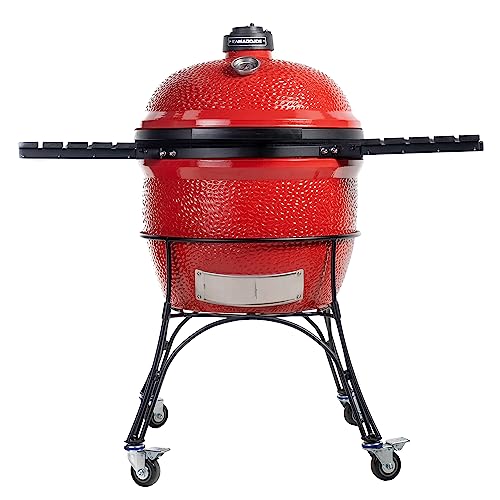
Backyard BBQ Smokers 101: The Basics
A smoker cooks food slowly at low temperatures while surrounding it with wood smoke. That low and slow method turns tough cuts such as brisket and pork shoulder tender over many hours, and it adds deep smoke flavor that a fast grill cannot match. Most backyard smoking happens around 225 to 275 degrees Fahrenheit, far below grilling heat.
The basic parts are a fire source, a cooking chamber, grates that hold the food, vents or a controller that manage airflow and heat, and a thermometer that tells you the chamber temperature. Airflow is the heart of the process. More air feeds the fire and raises heat, while restricted air cools things down. Learning to make small vent changes and then wait is the first skill every new owner practices.
Common style words you will see include offset, pellet, electric, charcoal, and drum. Each style burns a different fuel or manages heat a different way, which the next section explains. For a wider view of the category before you narrow down, see our guide to the best bbq smokers.
Key Specs Explained in Plain English
Fuel Type (Gas, Charcoal, Pellet, Electric)
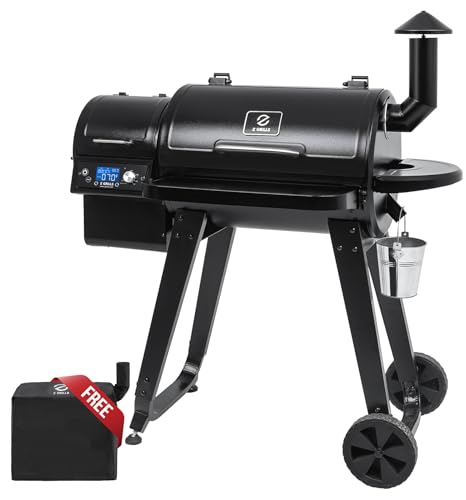
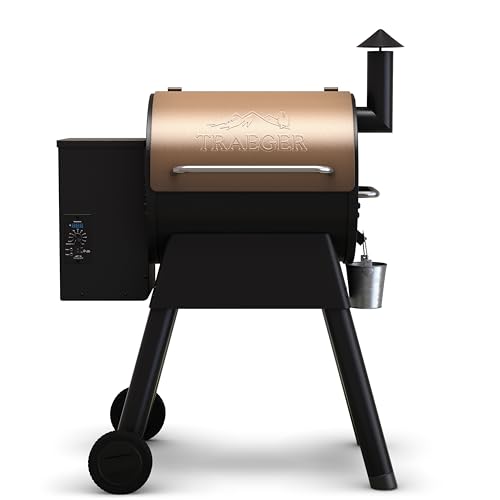
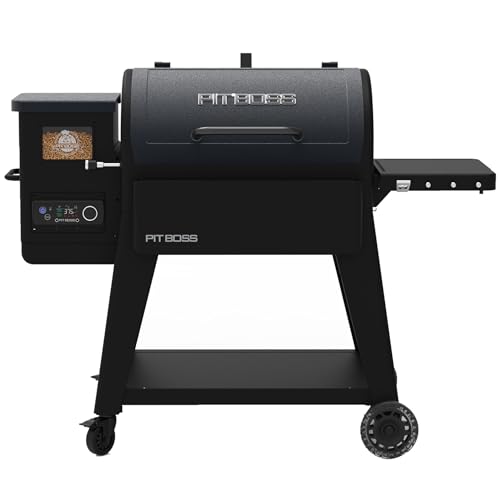
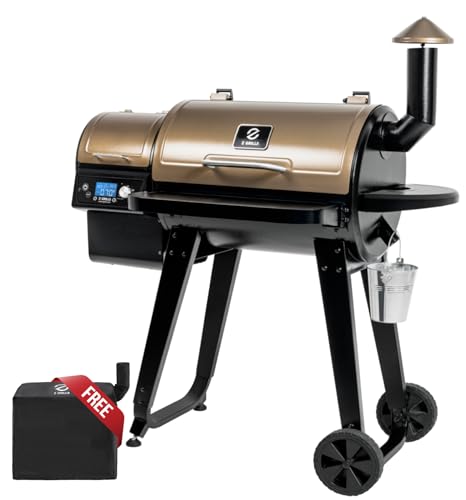
Charcoal gives classic smoke flavor and low cost, but you manage the fire by hand and watch temperatures closely. Pellets burn compressed wood in a hopper and feed automatically, and many pellet units use a PID controller to hold a set temperature with little effort, at a higher purchase and fuel cost. Electric smokers are simple and steady but produce a milder smoke flavor. Gas is convenient and clean burning, yet it is less common for true smoking and still needs wood chips for flavor. Choose based on how much tending you enjoy.
Portability and Footprint
Measure your patio or yard space before you buy, and leave safe clearance around the unit as the maker directs. Large offset smokers can weigh several hundred pounds and need a permanent spot, while drum and small pellet units roll on wheels and store in a corner. If you hope to take your smoker to a tailgate or a campground, weight and foldable legs matter more than capacity. Balcony use is often restricted by lease and fire rules, so check before assuming a compact unit is allowed.
Build Quality and Materials
Thicker steel holds heat steadier and resists warping, which makes temperature control easier on windy days. Thin metal leaks heat and smoke at the seams and can rust through sooner. Look for tight fitting doors, solid welds, and sturdy cast iron grates or heavy steel grates that hold heat and leave good sear marks when you grill. Stainless steel parts resist rust, and a good heat resistant finish protects the body. A smoker is an outdoor appliance, so a cover is a wise small extra cost.
Cooking Area and Capacity
Cooking area is measured in square inches of grate space. Around 400 to 600 square inches handles a family brisket, a couple of pork shoulders, or several racks of ribs with room for air to circulate. Manufacturers often add a warming rack to the total, so check the primary grate size on its own. Crowded food cooks unevenly and blocks smoke, so a little extra space is more useful than a long list of small extras. Think in meals, not numbers. Count your largest typical cook and size for that.
Heat Output and Temperature Range
For smokers, steady low heat matters more than raw power. BTU figures matter most on gas units, while pellet and electric models list wattage or simply a temperature range. What you need is a unit that can hold about 225 degrees Fahrenheit for hours and still climb to 300 degrees or more when a recipe calls for it. A built in meat probe helps you track internal food temperature without opening the lid, and every lid opening costs heat and time. Some owners also keep an instant read thermometer as a backup check.
If you plan to grill as well as smoke, compare the combined designs in our guide to the best bbq grills and smokers before you decide on one unit or two.
Rookie Mistakes to Avoid
- Buying far too big. A huge chamber burns more fuel and is harder to keep steady for small family cooks.
- Trusting only the lid thermometer. Lid gauges can read far from grate level, so verify with a probe at the food.
- Opening the lid constantly to peek. Each look adds time and swings the temperature, so plan your checks.
- Using lighter fluid or softwood. Lighter fluid can flavor the food badly, and resinous wood makes harsh smoke. Fuel choice matters, and our guide to the best wood for bbq smokers explains the safe, tasty options.
- Skipping the first seasoning burn. A new smoker needs a burn in run to clear factory oils before food goes on.
Getting Started: Setup and First Use
Place the smoker outdoors on a level, noncombustible surface, away from siding, fences, and overhangs, with the clearance the manual requires. Never use a smoker in a garage or enclosed space, because burning fuel produces carbon monoxide that can build up fast and is colorless and odorless. Assemble parts in order, check that vents move freely, and wash grates with warm soapy water, then dry them well.
Run a seasoning burn with no food, following the maker directions, to coat the interior and burn off residues. For your first cook, choose forgiving pork shoulder, preheat for about 10 to 15 minutes before cooking on grill style units or until your smoker settles at target temperature, and clean grates while warm after cooking. Keep children and pets away from hot surfaces, keep a fire extinguisher nearby, and never leave a lit smoker unattended.
Practical know how: keep a simple cook log. Note the fuel, the weather, vent settings, and how long the food took. That notebook will teach you your specific smoker faster than any general advice, because wind and outdoor temperature change how every unit behaves.
Backyard BBQ Smokers: Your Questions Answered
How big of a backyard bbq smoker do I need?
Most households need about 400 to 600 square inches of primary cooking space. That fits a brisket or two pork shoulders with room for smoke to circulate. If you regularly cook for parties of ten or more, step up in size or plan to cook in batches. Remember that a larger chamber uses more fuel on small cooks, so size for your largest regular meal, not a once a year event.
Can I use a backyard bbq smoker on a balcony?
Usually you should not use a backyard bbq smoker on a balcony. Many leases, building rules, and local fire codes ban charcoal and wood burning appliances on balconies, especially on multifamily buildings, because of fire and carbon monoxide risk. Electric models are sometimes allowed, but only with written permission and strict clearance. Check your lease and local rules first, and never improvise with ventilation.
How long should a good backyard bbq smoker last?
A good backyard bbq smoker should last about five to ten years or more with basic care. Thick steel, a protective cover, and storing it out of standing water all extend life. Grates, gaskets, and igniters are wear parts you may replace along the way. Budget thin metal units often rust or warp within a few seasons, which is why build quality deserves weight in a first purchase.
What type of backyard bbq smoker gives the best flavor?
An offset smoker burning real wood splits gives the deepest, most traditional smoke flavor, which is why our guide to the best backyard offset smokers focuses on that style. Charcoal with wood chunks comes close with less effort. Pellet smokers give a clean, milder smoke that many families prefer. Best here depends on your taste and your patience, since the strongest flavor style also demands the most fire tending.
How often should I clean my backyard bbq smoker?
Clean your backyard bbq smoker lightly after every cook and deeply a few times a season. Brush grates while warm, empty ash once it is fully cold, and wipe out excess grease, which can cause fires and rancid flavors. A full deep clean means scraping the chamber, checking gaskets, and inspecting for rust. Never pour water on hot ash, and dispose of cold ash in a metal container.
Wrapping Up
For a first purchase, pick the fuel you will actually enjoy tending, size the chamber for your normal crowd, and favor thick, well fitted construction over extra gadgets. Those three choices decide most of your experience. When you are ready, look back at the table above and choose the best backyard bbq smokers style that fits your space and your weekends. If you want more ideas for the space around it, see our guide to the best backyard bbq.