Best BBQ Wood Smokers: The Buyer Checklist We Use for 2026
Disclosure: We may earn a commission when you buy through links on this page, at no extra cost to you. As an Amazon Associate I earn from qualifying purchases. Learn more

Use a clear checklist to compare the best bbq wood smokers by steel, cooking area, and temperature control, and spot weak models before you buy.
Wood smokers reward patience with flavor that gas and electric heat cannot copy, but the wrong unit can turn a Saturday brisket into a fight with swinging temperatures. This checklist first approach shows you how to judge the best bbq wood smokers by steel, airflow, and cooking area before brand names or looks sway you.
Each section below gives you a simple standard to check on a spec sheet or in a store. Work through the product table as you read, and mark off each point for the models you are considering.





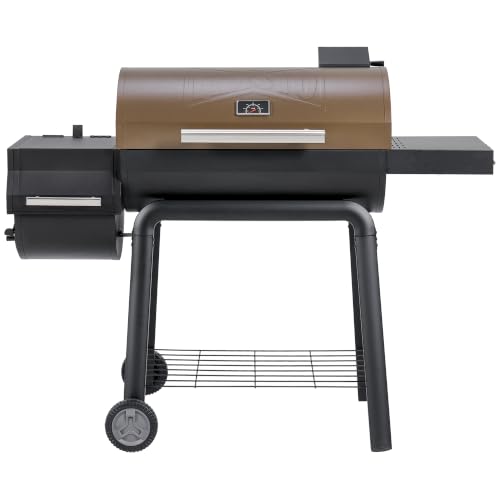
How to Evaluate BBQ Wood Smokers
Fuel Format: Splits, Chunks, and Chips
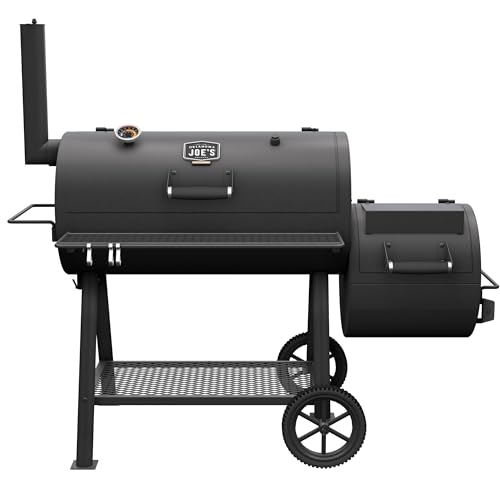
Wood smokers differ first by the form of wood they burn. Offset smokers burn full splits and give the strongest smoke flavor, but they need a steady supply of seasoned hardwood. Cabinet and barrel smokers burn charcoal with wood chunks added for smoke, which is easier to source and control. Drum style units sit between the two. For a focused comparison of true wood burning designs, see our guide to the best wood burning bbq smokers. Choose the format that matches the wood you can actually buy near home all year.
Cooking Area and Capacity
Judge capacity by shelf layout, not a single square inch number. A brisket needs a long, unobstructed main grate, while ribs and chicken benefit from a second shelf. Good spacing between shelves is about 5 to 7 inches so tall cuts fit without touching the shelf above. A warming rack adds holding space but should not count as main cooking area. As a rough guide, about 500 square inches serves a family cook, while 800 or more suits regular hosting and batch cooking for the freezer.
Portability and Footprint
Wood smokers are heavy when the steel is thick enough to matter, so wheel size decides whether you can move the unit across grass or gravel. Large rear wheels and a sturdy handle matter more than small casters that sink into lawns. Measure the full footprint with the firebox door open and the chimney clear, since offsets need working room on one side. If you plan to store the smoker in a garage, check the total length and height against your door and shelf space before ordering.
Heat Output and Temperature Range
A good wood smoker holds about 225 to 250 degrees for hours and can climb to about 300 to 325 degrees for poultry skin. What matters is not peak heat but recovery after you open the lid or add fuel. Thick steel and a well fitted firebox door keep the temperature line smooth. Adjustable dampers on both the firebox and the chimney give you real control, while a single damper leaves you guessing. A clear, accurate thermometer at grate level is worth more than a decorative lid gauge.
Fuel Cost and Availability
Wood is both fuel and flavor, so supply shapes your running cost. A long offset cook can use a stack of splits that costs more than a bag of charcoal in many regions. Hardwood such as oak and hickory should be seasoned and dry, because wet wood makes bitter smoke and unstable heat. If local wood is scarce or costly, a charcoal and chunk design stretches each piece of flavor wood much further. Compare your options in our broader guide to the best wood smokers if supply is your main concern.
Temperature Control and Smart Features
On a wood smoker, control comes from airflow first and electronics second. Look for dampers that move in small, repeatable steps and stay where you set them. Some models accept blower fans that regulate air for you, which can steady an offset during long cooks. Probe ports let you monitor meat without lifting the lid and losing heat. WiFi alerts help on overnight cooks, but no app fixes a leaky door, so rank sealing and steel above screens when you compare models side by side.
Three Smoker Profiles That Pass the Checklist
The All Round Profile
The overall profile balances flavor, control, and size for most backyards. It uses steel thick enough to hold heat in a light wind, offers about 600 to 800 square inches of cooking area, and burns splits or a charcoal and chunk mix. Doors seal tightly, dampers adjust smoothly, and parts like grates and firebox liners can be replaced. Expect to pay around $500 to $900 for this level of build. It suits cooks who smoke twice a month or more and want one unit that handles brisket, ribs, and poultry without drama.
The Value Profile
The value profile keeps the essentials and trims the extras. Steel is moderate rather than heavy, the cooking area lands around 400 to 600 square inches, and controls are manual. Prices often fall around $250 to $450. You give up some heat stability in cold weather and may add a door gasket yourself, but flavor on ribs and pork shoulder stays excellent. This profile suits newer smokers who want real wood flavor while they learn fire skills, and it leaves room in the budget for wood, a cover, and a reliable thermometer.
The Premium Profile
The premium profile is built for frequent cooks and harsh weather. Thick steel, an insulated or carefully sealed firebox, large wheels, and generous cooking area above 800 square inches define it. Prices often run around $900 to $1,500 or more. The payoff is steady temperatures with less fuel and less tending, plus a chamber that can serve for decades with oiling and covered storage. If you also want a unit that grills as well as it smokes, compare shapes in our guide to the best bbq grills and smokers before choosing.
Quick Buyer Checklist
- Can I buy dry, seasoned hardwood or quality chunks near home all year?
- Is the steel thick enough that the body and doors feel rigid with no flex?
- Do the doors close evenly with no visible light gaps at the edges?
- Does the main grate fit a whole brisket with room for air to move around it?
- Do dampers on the firebox and chimney adjust in small, steady steps?
- Can I move the smoker on its wheels across my actual yard surface?
- Are replacement grates, gaskets, and firebox parts easy to order?
- Does the warranty cover the cooking chamber for at least a few years?
Red Flags to Watch For
Walk away from vague capacity claims that count every small rack as equal cooking space. Thin, lightweight steel at a high price is another warning sign, since the chamber will swing with every breeze and rust early. Missing safety or materials information, doors that need force to close, and a very short warranty on the chamber all suggest weak build standards. Be cautious with a flood of glowing comments that never mention fire management, because real wood smoking always involves a learning curve. Finally, avoid any smoker sold without a clear way to control both intake and exhaust air.
Setup and Care Tips
Season a new smoker by coating the inside with cooking oil and running a medium fire for a few hours, which protects the steel and burns off factory residue. Preheat 10 to 15 minutes before cooking once the fire is established, and clean grates while warm with a stiff brush. Store the smoker under a cover, empty cold ash after each cook, and check for rust each season so small spots can be oiled before they spread. If you are comparing wood heat with pellet convenience, our guide to the best wood pellet smokers explains the trade offs clearly.
Frequently Asked Questions
How big of a bbq wood smoker do I need?
Most home cooks need about 500 to 700 square inches of main cooking area. That fits a brisket, two pork shoulders, or three racks of ribs with airflow to spare. Go larger only if you host big groups often, because a large empty chamber uses more wood to stay hot. Check shelf spacing as well as area, since tall cuts need vertical clearance that spec sheets often hide.
How often should I clean my bbq wood smoker?
Remove cold ash after every cook, because ash holds moisture against the steel and speeds up rust. Scrape grates after each use and empty the grease path every few cooks. Brush loose soot from the chamber walls every month or so of regular use, but leave the thin seasoned layer in place. A deep clean once a season, plus oiling bare steel, keeps the smoker ready and safe.
What type of bbq wood smoker gives the best flavor?
An offset burning clean, dry splits gives the deepest and most layered smoke flavor. The key word is clean: thin, pale smoke means good combustion, while thick white smoke makes food bitter. Charcoal and chunk smokers give a slightly softer smoke that many people prefer for poultry and fish. Your wood species matters too, with oak as a balanced base and fruit woods adding a gentler, sweeter note.
Is a pellet grill worth it instead of a wood smoker?
A pellet grill is worth it if steady temperature and easy starts matter more to you than hands on fire craft. It produces mild, clean smoke and suits busy schedules. A wood smoker wins on flavor depth and on cooking without electricity. Many cooks start with pellets for convenience, then add a wood unit later. For a general comparison of smoker styles, see our guide to the best bbq smokers.
Can I use a bbq wood smoker on a balcony?
No, a wood smoker does not belong on a balcony. It produces open flame, sparks, and carbon monoxide, and it must run outdoors on a non combustible surface with clear space around it. Most leases and fire codes ban this type of cooker on balconies and near building walls. Use it in an open yard or driveway area away from siding, fences, and overhangs, and never leave a live fire unattended.
How long should a good bbq wood smoker last?
A good wood smoker with thick steel should last 10 to 20 years with covered storage and seasonal oiling. The firebox usually wears first because it faces the highest heat, so a replaceable firebox liner or grate extends life a lot. Thin steel models may last only 3 to 6 years before rust reaches seams. Longevity depends more on ash removal and dry storage than on purchase price alone.
Wrapping Up
Judge wood smokers by steel, sealing, airflow control, and a grate layout that fits your largest regular cook, then confirm your local wood supply. Work through the checklist above against the product table, and you will land on one of the best bbq wood smokers for your yard, your schedule, and the flavor you actually want to eat.