Best Beach Grills: A Buying Guide for 2026
Disclosure: We may earn a commission when you buy through links on this page, at no extra cost to you. As an Amazon Associate I earn from qualifying purchases. Learn more

Compare the best beach grills by fuel, cooking area, portability and build, with price bands, beach rule checks and fire safety tips for cooking on sand.
Cooking on the sand looks simple until the wind picks up, the legs sink, and a ranger mentions a permit. A grill that works fine in a backyard often fails at the shore, because a beach day adds wind, salt air, soft ground, and rules that change from one town to the next. Choosing the best beach grills starts with how you will carry the grill, where it may legally burn, and how much food it must handle at once.
This guide compares fuel classes, sizes, and price bands so you can match a grill to your group and your beach. The product table below lines up the main classes side by side, and the sections after it walk through the checks that matter before you buy.



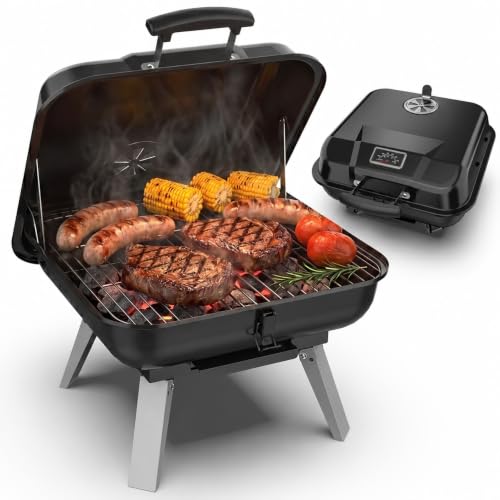

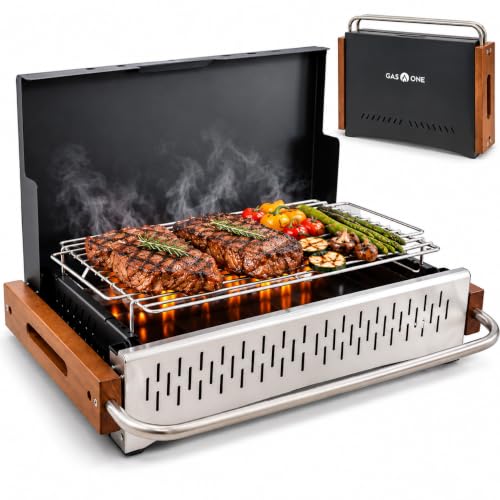
What Your Budget Buys: Beach Grill Price Bands
Price on a beach grill mostly buys cooking area, build weight, and fuel convenience, not extra flavor. Timing can stretch a budget too, and our notes on the best time to buy grills explain when grill prices usually dip during the year. Your trip budget also covers shade, food, and seating, and seating is a separate product class, covered in our guide to the best beach chairs.
Entry Band for Small Groups
Grills at about $30 to $100 are small charcoal kettles and tabletop models with a cooking area of about 150 square inches. That space handles burgers or dogs for about two to four people in one round. Steel in this band runs thin, so expect a shorter service life and simple vents.
Middle Band for Regular Beach Days
At about $100 to $250 you get sturdier tabletop propane models and better built charcoal grills with about 200 to 280 square inches of cooking area. Legs lock, lids latch shut for the walk in, and grates are usually porcelain coated steel that resists rust longer. This band feeds about four to six people in one round and suits most regular beach families.
Upper Band for Bigger Cookouts
Spending about $250 to $450 buys about 280 to 350 square inches of cooking area, thicker steel, and stand or cart designs that keep the grill at a comfortable height. These models feed about six to ten people and hold heat better in a steady breeze. The trade is weight, since a loaded cart still has to cross soft sand.
How to Choose: A Beach Grill Buying Guide
Shoppers comparing the best beach grills should work through six checks, starting with the carry and the ground under the grill. A model that fails the walk in or the local rules never gets to prove its cooking area.
Portability and Footprint
Stated plainly, a portable class and a stable leg class govern a beach class. The grill must fold down or break apart small enough for a car trunk and a walk across soft sand, and its legs must stand firm where the ground shifts underfoot. Tabletop models usually weigh about 10 to 25 pounds, while stand and cart models run about 25 to 40 pounds. Look for a latching lid and a handle you can grip with one hand, since your other hand will be carrying a cooler.
Beach Rules and Permits
Beach rules vary by place, so check the local rule class before you plan any fire. Some towns allow only propane on the sand, some allow charcoal only inside fixed park grills, and some ban open flame on the beach altogether. Rules come from the town, the county park, or the state park that manages that stretch of shore. Where flame is banned, an electric grill used at a pavilion or rental house is the fallback that still keeps the cookout alive.
Fuel Type
Charcoal gives the strongest grilled flavor and the lowest grill price, but it starts slowly and leaves ash you must carry out. Propane lights in seconds, holds a steady heat in wind, and shuts off cleanly, which is why rule strict beaches often allow it when charcoal is banned. Readers who cook with charcoal everywhere can compare the best coal grills for backyard size options, while propane fans can size up with the best lp grills for home use. Running costs stay modest either way, since a bag of charcoal runs about $10 to $20 and covers several cookouts, and small propane cylinders run about $5 to $10 each.
Wind, Heat, and Ash
Wind governs both ash and flare on an open beach. A lid and adjustable vents let you shield the fire and steer heat on a charcoal grill, while a propane dial answers gusts faster than any vent. Set the grill so the wind hits your back rather than the cooking surface, and keep fatty food toward the calm side to limit flare ups. Ash is handled cold: let it cool fully after cooking, then bag it and carry it out, because buried hot ash can burn a bare foot hours later.
Cooking Area and Capacity
Plan on about 150 to 200 square inches for a group of four, and about 280 to 350 square inches for a group of eight. A 200 square inch grate holds about eight burgers at once, which keeps a small group eating together instead of in shifts. Warming racks are rare in this class, so cook in an order that holds heat well, starting with items that rest without drying out.
Build Quality and Materials
Salt air rusts thin steel fast, so build quality decides how many seasons a beach grill survives. Porcelain coated grates clean easily and resist rust, while cast iron grates hold heat better but rust quickly if they sit wet in a trunk. Stainless steel bodies shrug off salt spray best, and legs, hinges, and latches are the parts that fail first on cheap models. Warranty terms vary by part, so read what the burner and body coverage actually says.
Types of Beach Grills
Three classes cover nearly every beach day, and they differ from the backyard class in our guide to the best bbq grills mainly in size, weight, and carry. Each class below suits a different rule set and group size.
Portable Propane Grills
Portable propane grills light fast, cook evenly, and pack flat with folding legs and a latching lid. Many beaches that ban charcoal still allow this class, which makes it the safest default for a new beach. Heat control is a simple dial, and a small cylinder usually covers a full day of cooking.
Charcoal Tabletop and Kettle Grills
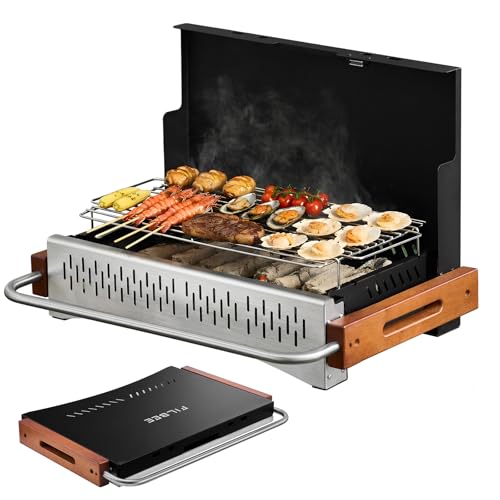
Charcoal models deliver the classic smoky flavor and the lowest purchase prices in the category. Expect about 20 to 30 minutes before the coals are ready, plus ash duty at the end of the day. This class suits beaches and parks that allow open charcoal fires and cooks who plan the meal around the fire rather than the clock.
Electric Grills
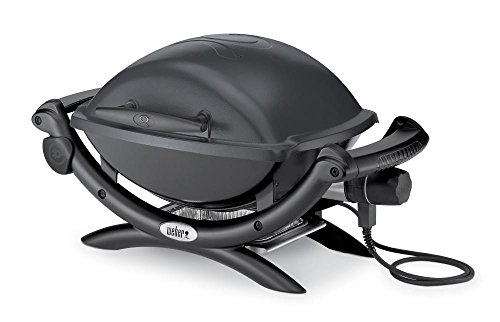
Electric grills need an outlet, so they belong at pavilions, picnic shelters, and beach house decks rather than open sand. Because they make no open flame, they pass at many places where both charcoal and propane are banned. The trade is searing power, since most electric grates brown food more gently than a hot charcoal bed. For a rental week with a covered deck, this class may be the only legal option.
How to Make Your Beach Grill Last Longer
- Rinse salt and sand off the body and grates after each trip, since salt film speeds rust on steel and hinges.
- Clean the grates while they are still warm after cooking, when residue brushes off with far less effort.
- Check gas connections with soapy water each season on propane models, and replace any hose that bubbles or cracks.
- Store the grill dry indoors between trips, because a damp trunk or garage shortens its life faster than use does.
- Oil cast iron grates lightly after cleaning so the surface resists rust until the next cookout.
Frequently Asked Questions
Can I use any grill on a public beach?
No, you cannot assume any grill is allowed on a public beach. Each town or park sets its own rule, and some beaches provide fixed park grills while banning personal ones entirely. A quick check of the posted signs at the entrance, or the park page online, tells you which fuel classes are allowed that season.
How big of a beach grill do I need?
Size a beach grill by the largest group you feed at once, not your average trip. About 200 square inches serves four people comfortably, and about 300 square inches serves eight. If your group often cooks two menus at once, such as vegetables apart from meat, two small grills give you separate heat zones that one large grate cannot. Bigger is only better when the carry stays easy.
Which beach grill fuel gives the best flavor?
Charcoal gives the strongest classic grill flavor, especially lump charcoal, which burns hotter and cleaner than briquettes. Briquettes burn longer and more evenly, which suits slow items, while propane trades some flavor for speed and control. Flavor also depends on keeping the grate clean, since old residue adds a stale taste to any fuel.
How long should a good beach grill last?
A good beach grill should last about three to five seasons of regular use, and longer with dry storage. Salt air is the main enemy, so rinsing after trips matters more than the price band you bought. Replace the grill when the firebox rusts through or a leg mount weakens, since both are safety issues rather than cosmetic ones. Grates and hoses are wear parts and can be replaced on their own.
Can I use a beach grill on a balcony?
You can use a beach grill on a balcony only if your building and local fire rules allow that fuel class there. Many buildings ban charcoal on balconies outright, and some ban all open flame grills within a set distance of the structure. Electric models are the most commonly allowed option. Check your lease and the local fire code first.
Final Thoughts
The right choice comes down to three checks: a carry you can manage across sand, a fuel class your beach actually allows, and a cooking area that matches your group. Match those, and the best beach grills stop being a guess and become a simple fit for how you spend your days at the shore. Compare your shortlist against the product table above, and pick the class that passes all three checks at a price band you are comfortable with.