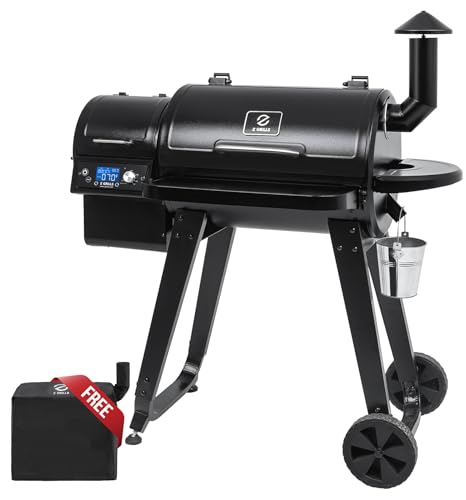
Best Backyard Offset Smokers: A First Time Buyer Guide for 2026
Disclosure: We may earn a commission when you buy through links on this page, at no extra cost to you. As an Amazon Associate I earn from qualifying purchases. Learn more

Best backyard offset smokers for first time buyers: chamber size, steel thickness, airflow control and fuel basics.
Shopping for best backyard offset smokers can feel confusing at first, because the designs look simple yet the details decide whether dinner turns out smoky and tender or dry and bitter. An offset smoker moves heat and smoke from a side firebox into a cooking chamber, so you cook with indirect heat rather than flames under the food. This guide explains the basics in plain language, compares the features that matter most, and points out the mistakes first time buyers make most often. The table of picks below gives you a quick side by side view before you read the detail.
Before you spend anything, think about how you actually cook at home. A backyard offset smoker suits slow weekend cooks who enjoy tending a fire, checking temperatures, and serving a crowd from one long cook. It is less suited to quick weeknight meals, because a good smoke can take many hours from lighting the fire to resting the meat. If that slow rhythm sounds enjoyable rather than tedious, the rest of this guide will help you match size, steel, and airflow to your yard and your patience.






Offset Smokers 101: The Basics
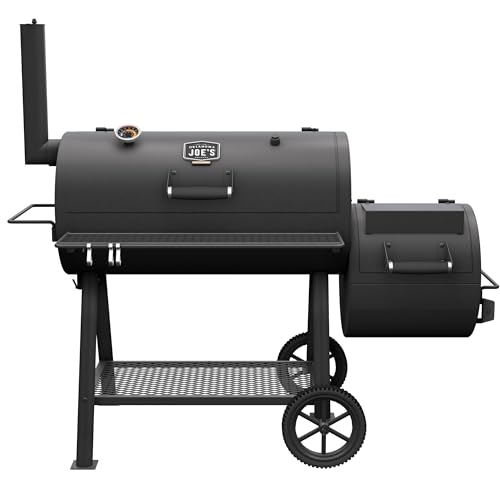
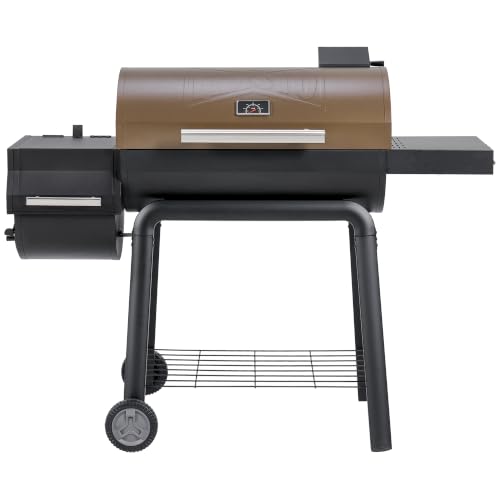
An offset smoker has two main parts. The firebox sits to one side and holds burning wood or charcoal, while the larger cooking chamber holds grates for food. Heat and smoke travel from the firebox through the chamber and out through a chimney, which keeps flames away from the meat. That indirect flow is what gives smoked food its deep flavour and tender texture over many hours.
Three terms come up in every discussion. Draft means the pull of air through the firebox, chamber, and chimney, and it controls how hot and how clean the fire burns. A baffle or tuning plate spreads heat more evenly so one end of the chamber is not far hotter than the other. A reverse flow design sends smoke under a plate first and then back across the food, which can even out temperatures but adds weight and cost.
You do not need to master the physics, but you should understand that steady draft and even heat matter more than any single gadget.
Key Features Explained
Cooking Chamber Size
Measure the grate area against the cooks you plan most often. A family cook of ribs, chicken, and a pork shoulder needs far less room than a party cook who loads brisket and sausages at once. Extra space sounds generous, but a chamber that is far too large for your usual cook wastes fuel and takes longer to settle at a steady temperature. Choose a size that fits your normal crowd with a little room to spare, not a size built for a crowd you host once a year.
Steel Thickness and Seals
Thicker steel holds heat better and resists warping, which makes temperature control easier on breezy days. Thin steel loses heat quickly, so the fire needs more attention and fuel. Check how the doors close, because gaps around the firebox and chamber doors leak smoke and let in stray air that can push temperatures up and down. A snug door, a solid latch, and a well fitted chimney damper all help a beginner hold a steadier cook.
Airflow and Temperature Control
Temperature is set mainly by the intake vent on the firebox and the exhaust damper on the chimney, not by piling on more fuel. Open the intake a little to raise heat and close it a little to lower heat, then wait several minutes before judging the change. A built in thermometer on the door often reads hotter than grate level, so many cooks add a grate level thermometer for a truer reading. Practice with short cooks first, such as chicken pieces, before you commit a whole day to a large cut.
Who Should Buy One
An offset smoker fits cooks who like hands on fire management and long relaxed weekends. If you enjoy tending a fire, adjusting vents, and learning how wood choice changes flavour, the process itself becomes part of the pleasure. It also fits households that cook for groups, because one chamber can hold several items at once for a shared meal.
First time buyers often benefit from a simpler layout with fewer vents and a smaller chamber to learn on. See our guides to the best offset smokers for beginners, the best texas offset smokers for larger regional rigs, and the best backyard bbq smokers for a wider backyard view.
Mistakes to Avoid
The most common mistake is buying the largest rig that fits the budget. A huge chamber demands more fuel, more time to heat, and more attention, which can turn a fun hobby into a chore. Another mistake is chasing the lowest price on very thin steel, because poor heat retention makes every cook harder than it needs to be. Skipping a cover is also costly, since rain and damp shorten the life of steel and grates.
Fuel storage deserves the same care as the smoker itself. Damp wood smoulders, makes bitter smoke, and struggles to hold temperature, so keep wood dry, covered, and off the ground. Finally, do not trust the door thermometer alone during your first cooks. Learn where hot spots sit in your chamber by testing with inexpensive cuts, and keep notes on vent settings that worked on calm and windy days.
Care and Everyday Use
After each cook, clear ash from the firebox once it is fully cool, because ash holds moisture and speeds rust. Brush the grates while they are still warm, then wipe the chamber interior lightly rather than scrubbing away the seasoned layer that builds up with use. A thin coat of cooking oil on bare steel parts after cleaning helps slow rust between cooks.
Cover the smoker when it is not in use, and check the cover after storms for trapped water. Store wood in a dry spot with airflow, and keep a small stock of kindling and a reliable fire lighter ready so starting a cook never becomes a scramble. With steady care, a well built offset smoker can serve a backyard for many seasons, and your vent notes will make each cook easier than the last.
A Final Check Before You Order
Before you order, measure the gate, the patio, and the storage spot, since a smoker that cannot reach its cooking place or fit under a cover becomes a burden. Check local fire rules and neighbour distances, because open wood fires face restrictions in some areas and on some balconies. A quick call to local authorities saves a costly return and keeps good relations with neighbours intact.
Budget for the extras that make early cooks easier, including a reliable grate thermometer, a chimney starter, a sturdy cover, and a supply of dry seasoned wood. Those items cost far less than the smoker itself, yet they decide whether temperature control feels manageable or frustrating. Keep a simple notebook for vent settings, fuel loads, and weather notes, since that record turns guesswork into repeatable results.
Plan your first three cooks as practice, not performance, starting with forgiving foods such as chicken pieces or sausages before a long brisket cook. Invite a patient audience for the first long cook, and allow extra time so a slow fire never feels like a failure. With measured space, dry fuel, and a few practice sessions, backyard smoking becomes a relaxing weekend habit rather than a stressful event.
Frequently Asked Questions
How much cooking space does a family need?
A family of four to six usually cooks well on a chamber that holds two racks of ribs plus a chicken or a pork shoulder at once. Larger parties need more grate area, but adding space also adds fuel use and warm up time, so match the chamber to your usual crowd rather than your largest party. If you host big gatherings only a few times a year, borrow extra capacity with a second small grill for sides instead of buying a chamber you rarely fill.
Is wood or charcoal better for a beginner?
Many beginners start with charcoal for steady heat and add wood chunks for flavour, because pure wood fires demand more attention to draft and fuel size. Charcoal gives a stable base, while a few chunks of seasoned hardwood add smoke without overwhelming the food. As you learn your rig, you can shift toward more wood and less charcoal. Keep wood dry and avoid green or treated timber, which can produce harsh smoke and unpleasant flavours.
How long does it take to learn steady temperature control?
Most new cooks need three to five practice sessions before vent adjustments feel natural. Start with shorter cooks such as chicken thighs or sausages, which forgive small temperature swings. Note the intake and exhaust positions, wind direction, and fuel load for each cook, and you will soon see a pattern. Patience matters more than speed, because chasing the thermometer with constant vent changes usually causes bigger swings.
Does weather change how an offset smoker behaves?
Wind, cold, and rain all pull heat from thin steel, so the same vent settings can produce different temperatures on different days. Sheltering the rig from direct wind helps, but never place it in an enclosed space, since smoke and carbon monoxide need open air to disperse safely. On cold days, allow extra warm up time and a little more fuel, and check grate temperature more often until the chamber settles.
What running costs should a buyer expect?
Fuel is the main running cost, followed by replacement grates, thermometers, and covers over time. Wood and charcoal prices vary by region, and a large chamber uses noticeably more fuel than a compact one. Budget for a cover, a grate brush, and a reliable thermometer at purchase, since those three items protect the rig and improve every cook from the start.
Final Thoughts
Choosing well comes down to honest sizing, solid steel, and a willingness to learn fire control over a few relaxed cooks. The table above shows the main options side by side, and the sections in this guide explain what each feature means in daily use. Take your time, measure your space, and pick a rig that fits your usual crowd and your patience for tending a fire.
With the right match, best backyard offset smokers reward slow weekends with food that tastes of real wood smoke and shared time around the yard. Start small, keep notes, and let each cook teach you a little more about your own rig.