
Best Backyard BBQ for 2026
Disclosure: We may earn a commission when you buy through links on this page, at no extra cost to you. As an Amazon Associate I earn from qualifying purchases. Learn more
Compare grill types, fuel, cooking area, and cleanup to pick the best backyard bbq for your yard, guests, and budget.
A backyard grill should fit the way you cook, the space you have, and the number of people you feed most weeks. The best backyard bbq for one household may be too large for a small patio or too small for regular family gatherings. This guide compares fuel types, cooking area, heat control, and cleanup, so you can choose with confidence instead of guessing from size alone.
Start with fuel and space, because those choices shape everything else. A gas grill suits quick weeknight cooking, while charcoal and pellet designs suit slower weekend meals. The product table can help you weigh the main grill types side by side once you know your cooking style and yard limits.




Who Should Buy Which Backyard Grill
Weeknight Cooks Who Value Speed
If most meals are quick burgers, chicken, or vegetables after work, fast lighting and simple heat control matter most. A grill that heats in minutes and cleans with little effort will get used far more than a larger design that needs a long setup. Look for steady burners, a clear temperature gauge, and a grease system you can reach without tools.
Weekend Hosts Who Cook for Groups
Hosts need enough cooking area to serve several people without long waits between batches. A larger main grate plus a warming area helps, because food can rest while the next round cooks. Also check side space for trays, stable wheels for moving the grill, and a lid that closes fully so heat stays even.
Slow Cooking Fans and Flavor Seekers
If you enjoy long cooks, smoke flavor, and weekend projects, heat control over several hours matters more than fast startup. Pellet and charcoal designs can hold low heat for a long time, but they need more attention, fuel planning, and cleanup. Choose a design with good airflow control and a thermometer you can read without lifting the lid often.
Types of Backyard Grills
Gas Grills
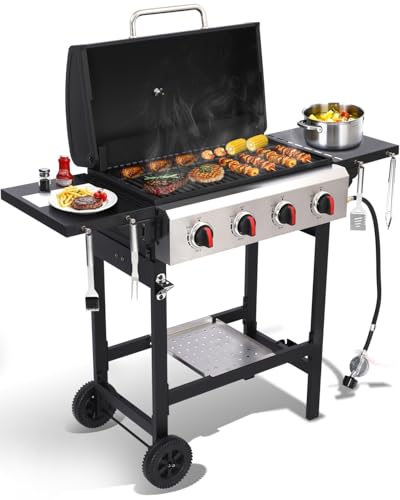
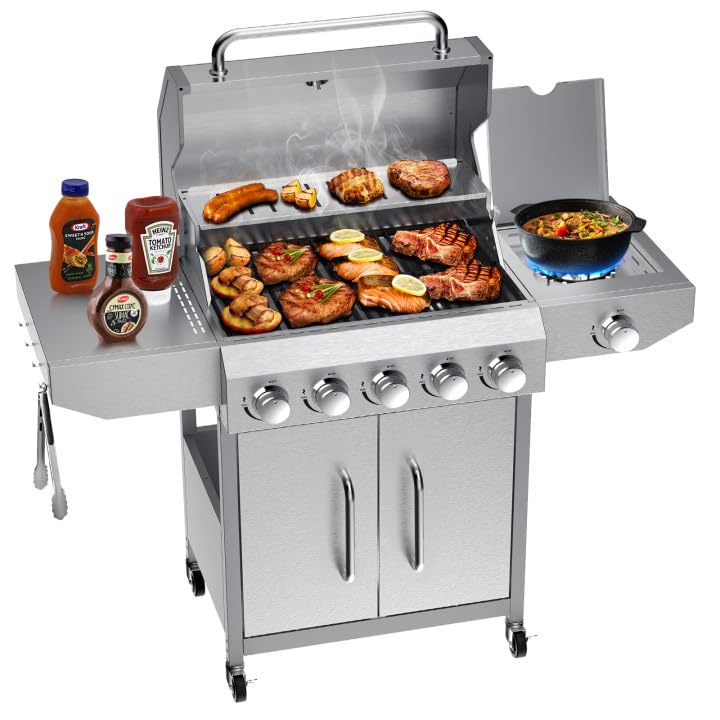
Gas grills light fast, adjust quickly, and suit frequent cooking. They work well for weeknight meals and for cooks who want steady heat without tending fuel. The trade off is less smoke flavor and a need to check fuel, hoses, and connections each season.
Charcoal Grills
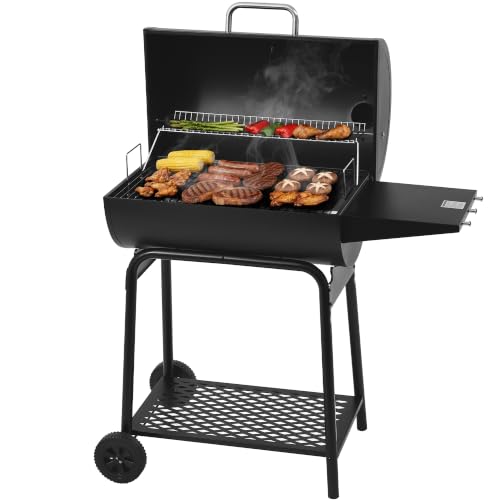
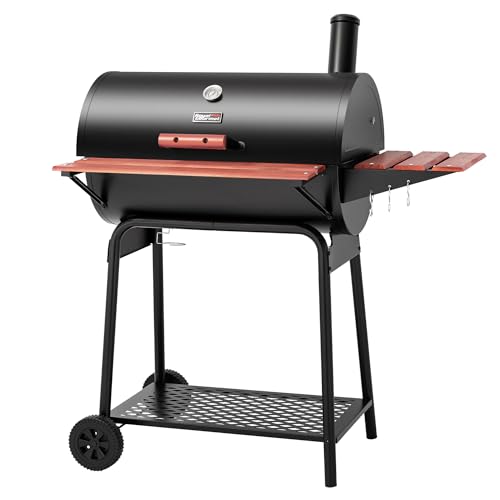
Charcoal grills suit cooks who enjoy high searing heat and classic grilled flavor. They cost less to buy in many cases, but they need more time to light, more care with airflow, and more ash cleanup. They work best when you have time to manage the fire and a safe place for hot ash.
Pellet Grills and Smokers
Pellet grills feed small wood pellets automatically and can hold steady low heat for long cooks. They suit slow roasting and smoking, and many designs also reach higher heat for grilling. They need power, dry pellet storage, and regular cleaning of the fire area and grease path.
Electric Grills
Electric grills suit small patios, balconies where allowed, and places with strict fire rules. They heat with less smoke and no open fuel, but they may not reach the same searing heat as gas or charcoal. Check local rules and outlet placement before choosing this type, because rules vary by building and community.
Key Features to Compare
Fuel Type and Running Cost
Fuel choice affects flavor, startup time, and long term cost. Gas suits frequent short cooks, charcoal suits flavor focused cooks, pellets suit long low cooks, and electric suits small spaces. Compare fuel cost per cook, not only the purchase price, and think about how often you will actually grill each month.
Cooking Area and Capacity
Cooking area is usually stated in square inches, but usable space matters more than the headline number. A warming rack helps with buns and resting food, yet it does not replace main grate space for burgers or steaks. Count how many main dishes you cook at once, then leave room to move food without crowding the grate.
Heat Output and Temperature Control
Heat output affects searing, while control affects slow cooking. Look for even heat across the grate, a clear gauge, and vents or burners that allow both high heat zones and cooler zones. A grill that only runs very hot will struggle with thick cuts, while a grill that cannot sear will disappoint for steaks.
Build, Assembly, and Warranty
Grill bodies, grates, and burners face heat, grease, and weather, so build quality affects useful life. Cast iron grates hold heat well but need care, while stainless grates resist rust and clean more easily. Check assembly time, warranty length for burners and body parts, and whether spare parts are easy to find.
Grease, Ash, and Cleanup
Cleanup decides how often a grill gets used. A reachable grease tray, an ash catcher, and grates that clean while warm all help. Pellet and charcoal designs need extra attention to ash and grease paths, because buildup can affect airflow and safety. Plan a short cleanup routine after each cook rather than a deep clean once a season.
Size, Wheels, and Storage
Measure the grill footprint, lid clearance, and storage space before buying. Wheels help on patios and uneven yards, while a cover helps in rain and sun. Leave safe clearance from walls, fences, and overhead coverings, and follow maker guidance for placement. For a smoker style option, see our guide to best backyard bbq smokers, and for a wider range of grill types, see our guide to best bbq grills.
What Spending Levels Usually Offer
Lower Cost Options for Occasional Grilling
Lower cost grills often suit occasional use and smaller groups. Expect simpler burners or airflow, thinner metal, and fewer extras, which can still cook well when the grill is covered and cleaned. Budget for a cover and basic tools, because care matters more at this level.
Midrange Options for Regular Family Cooking
Midrange grills usually add sturdier build, better heat control, and more cooking area. These features help families who grill weekly and host guests through the warm months. The added cost makes most sense when the grill will see steady use rather than a few cooks each summer.
Higher Cost Options for Heavy Use
Higher cost grills tend to focus on thick metal, strong burners, precise controls, and longer warranties. They suit frequent hosts and cooks who want steady performance over many seasons. Even at this level, placement, fuel care, and regular cleaning still decide how well the grill performs.
Common Mistakes to Avoid
- Buying only by headline cooking area without checking usable main grate space.
- Placing a grill too close to walls, fences, or overhead coverings.
- Skipping grease and ash cleaning, which can affect heat and safety over time.
- Choosing a fuel type that does not match how often you cook or where you live.
- Ignoring assembly time, warranty terms, and spare part availability.
Tips, Care, and Safety
Preheat for about 10 to 15 minutes before cooking, clean grates while warm, and cover the grill when cool and dry. Check gas connections with soapy water each season, and look for rust, worn hoses, or damaged parts before first use. Use grills outdoors only, keep them away from children and pets, and never leave an open flame or hot grill unattended. Follow maker guidance for fuel storage, ash disposal, and clearance, and check local rules for balconies and shared spaces.
Seating matters for relaxed outdoor meals, so when planning the full yard setup, see our guide to best backyard chairs. The product table can help you compare grills once seating, shade, and cooking space are all in view.
Backyard Grills: Your Questions Answered
How large a backyard grill do I need?
Size depends on how many people you feed at once and how much side space you need. A small household may do well with a compact main grate, while regular hosts need room for several main dishes plus a warming area. Measure your patio, leave safe clearance, and avoid buying extra size you cannot store or cover. A grill that fits your space and routine will get used more than an oversized design.
How often should I clean my backyard grill?
Clean grates briefly after each cook while they are still warm, and empty grease and ash on a regular schedule. A deeper clean each season helps you spot rust, worn parts, and blocked burners before they affect cooking. Pellet and charcoal designs need extra ash care, because buildup can block airflow. A short routine after cooking prevents a long and messy job later in the year.
Which grill type gives the strongest grilled flavor?
Charcoal and pellet designs usually give the strongest smoke character, because fuel and smoke contact the food directly. Gas grills give cleaner heat and faster control, but less smoke flavor on their own. Wood chips or pellets in a suitable accessory can add smoke to some gas designs, though results vary. Choose flavor style first, then check whether that type also fits your time, space, and cleanup habits.
Is a pellet grill worth the added cost?
A pellet grill can be worth it for cooks who enjoy long, steady, low heat cooking and hands off temperature control. It suits roasts, ribs, and smoked foods that benefit from hours of even heat. The added cost includes pellets, power use, and cleaning time, so it makes less sense for cooks who mainly grill burgers quickly. Match the purchase to your most common cooks, not to a single holiday meal.
How long should a good backyard grill last?
Useful life depends on build quality, weather cover, cleaning, and how often the grill cooks. A well covered grill with regular grease and ash care usually lasts longer than a stronger grill left exposed. Burners, grates, and ignition parts wear first, so check warranty terms and spare part availability. Regular care and prompt repair of small problems do more for lifespan than any single feature.
Final Thoughts
Choose by fuel, cooking area, heat control, and the space you can safely use. A fast gas grill suits weeknight cooks, while charcoal and pellet designs suit slower weekend meals and stronger smoke flavor. Measure your yard, plan for cleanup and cover, and check local rules for your setting. With those factors clear, the best backyard bbq for your home becomes the grill you will actually use often, and the product table can help you confirm that choice.


