
Best Backup Generators on the Market: Every Type Compared for 2026
Disclosure: We may earn a commission when you buy through links on this page, at no extra cost to you. As an Amazon Associate I earn from qualifying purchases. Learn more

Best backup generators on the market compared by type, with pros, cons, ideal users and price range to help you choose.
Choosing backup power feels confusing because the same word covers small portable units, quiet inverter models, whole home standby systems, and battery power stations. The best backup generators on the market for a small apartment outage kit are very different from the right choice for a large house with a well pump and medical equipment.
This guide compares each type by what it does well, where it falls short, who it suits, and what it typically costs. Start with the table of picks below, then use the sections that follow to size and choose a system you can run safely.


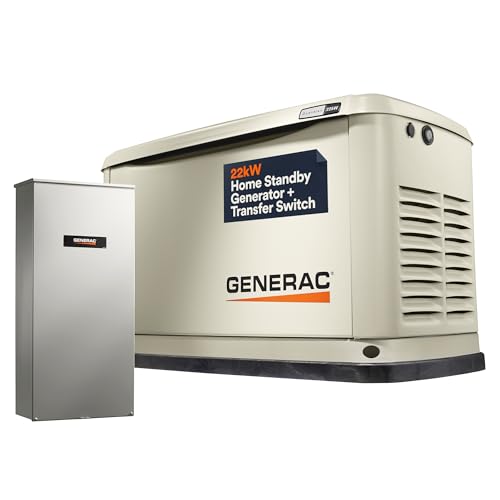
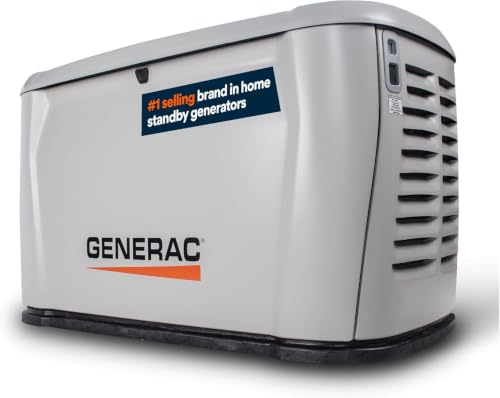
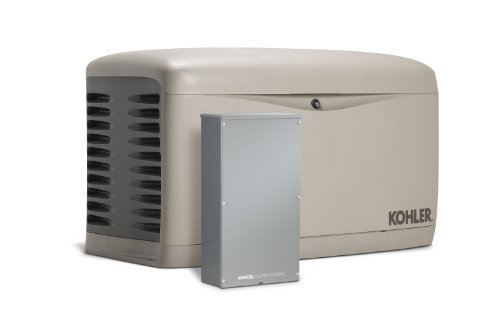


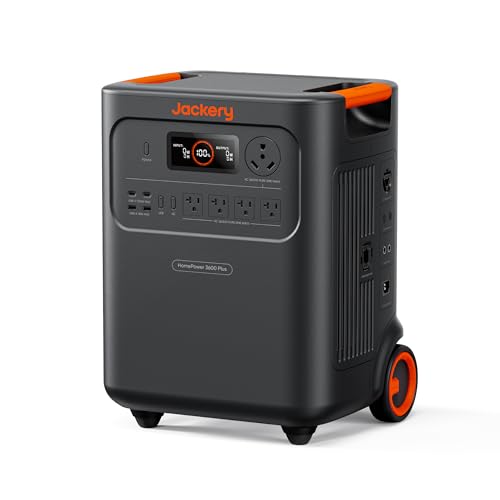
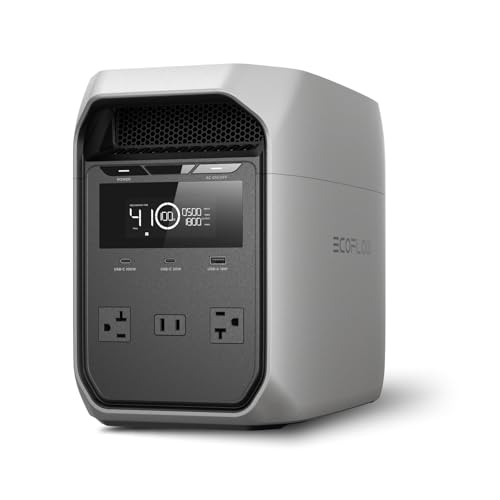
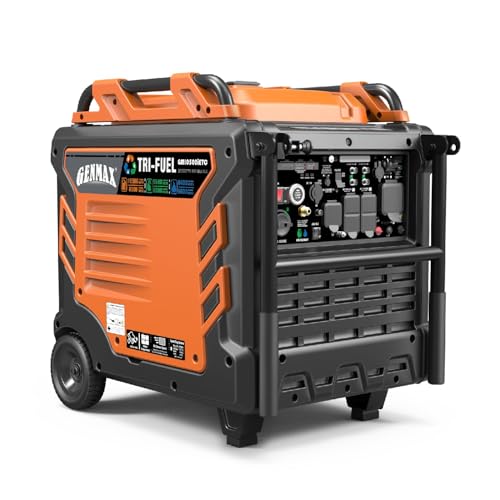
Types of Backup Generators on Markets Compared
Think of the types as a ladder of cost, convenience, and capacity. Portable and inverter units you store and wheel out by hand, usually for about $300 to $2,500 depending on size. Standby systems are installed permanently and often cost about $3,000 to $10,000 before installation. Battery power stations sit apart, with silent indoor use but limited total energy. If you want the wider category view as well, see our guide to the best generators on the market after you narrow down the type here.
Inverter Generators
Inverter models produce clean and stable power that suits laptops, phones, modern televisions, and sensitive medical devices. They adjust engine speed to match the load, so they run quieter and use less fuel during light use. Most are compact and relatively light, which makes storage and transport easier. The trade off is price per watt, since inverter units usually cost more than conventional portable models of similar size, and the largest sizes are still smaller than big portable or standby systems.
Portable Generators
Conventional portable generators deliver the most watts for the money and come in sizes that can run a refrigerator, a sump pump, lights, and several outlets at once. They run on gasoline, and many offer dual fuel operation with propane for longer storage life. They are louder, heavier, and their power is less clean, so check the total harmonic distortion rating before running delicate electronics. They suit homeowners who face occasional outages and can store and move a heavy unit safely.
Home Standby Generators
Standby generators are fixed outside the home, connect to natural gas or a large propane tank, and start automatically when the power fails. With a transfer switch they can power selected circuits or much of the house, including heating and cooling systems sized to the unit. They offer the least work during an outage and the highest capacity. The costs are installation, permits, and regular maintenance, and you will need space and professional fitting. For a deeper look at this type alone, see our guide to the best standby generators on the market once you know your load needs.
Inverter Generators vs Portable Generators: Which Should You Choose?
Choose an inverter model if quiet operation, clean power, and fuel savings during light loads matter most, for example in a dense neighborhood or for powering electronics for work. Choose a conventional portable model if you need high starting watts for pumps and tools at the lowest cost per watt. Noise is often the deciding factor at night, where inverter units at partial load are noticeably calmer. Weight also matters, because a large portable unit may need two adults to lift into a vehicle. If your main need is a fridge, lights, and device charging, a midsize inverter often covers it with less fuss, and our guide to the best portable generators on the market can help you compare portable sizes in more detail.
How to Choose the Right Backup Generators on Market
List the items you truly need during an outage, add their running watts, and note the higher starting watts for motors such as refrigerators and pumps. Buy for that total with a sensible margin, not for every appliance in the house at once. Then work through power quality, runtime, and safety below.
Clean Power (THD) for Electronics
Total harmonic distortion, or THD, describes how clean the power output is. Inverter generators typically deliver THD under 3 percent, which is close to utility power and safe for sensitive electronics. Conventional portable models can have higher THD that may stress some devices, especially at low loads. If you plan to run a computer, a modern furnace control board, or medical equipment, favor a low THD rating and confirm the maker lists the figure clearly rather than leaving it unstated.
Runtime and Fuel Efficiency
Runtime figures are quoted at 25 percent or 50 percent load, so compare models at the same load level or you will misjudge them. A unit that runs about 8 to 12 hours at half load on one tank lets you sleep through the night without refueling. Propane stores longer than gasoline but gives slightly fewer watts and lower energy per tank. Battery stations rated in watt hours work differently, since a 1,000 watt hour station running a 100 watt load lasts roughly 10 hours before losses.
Portability and Safety Features
Look for a carbon monoxide sensor with automatic shutoff, sturdy wheels, and a folding handle if you will move the unit often. Electric start saves effort, especially in cold weather, but keep the small starter battery charged. Weight matters more than it looks on paper, since you may need to move the unit across wet grass during an outage. Never run a fuel burning generator indoors or in a garage, even with the door open, because carbon monoxide can build up fast and kill.
Generator Type (Portable, Inverter, Standby, Solar Power Station)
Match the type to your housing and outage pattern. Renters and apartment dwellers often do best with a battery power station they can use indoors, and our guide to the best solar generators on the market explains that option in full. Homeowners with rare short outages usually suit a portable or inverter unit. Homes with frequent long outages, freezing risk, or essential medical loads often justify a standby system. If you are still weighing the core backup category itself, see our guide to the best backup generators for a focused overview.
How to Make Your Backup Generators on Market Last Longer
Run a fuel powered unit about once a month under a small load so seals stay lubricated and the battery stays charged, following the maker manual for your model. Change oil on schedule, keep a spare filter and spark plug, and store gasoline with stabilizer for no more than a few months. Keep the unit at least 20 feet from doors and windows while running, pointed away from the house, and let it cool fully before refueling. For standby systems, book an annual service visit and clear leaves and snow from around the cabinet.
Frequently Asked Questions
Can a generator run a refrigerator?
Yes, most midsize portable and inverter generators can run a refrigerator, because a typical fridge uses about 100 to 200 running watts with a higher surge at startup. Check the starting watts rating and avoid opening the door often during an outage to hold the cold. Run the fridge in cycles if your unit is small, alternating with other loads. Keep a thermometer inside so you know food stays at a safe temperature.
How long can a backup generator run continuously?
Portable units usually run for one tank at a time, often about 8 to 12 hours at half load, and they need cooling and oil checks between long runs. Standby systems on natural gas can run far longer, subject to service intervals in the manual. Battery stations run until their stored energy is used, then need recharging. Continuous duty limits vary by model, so the manual for your exact unit is the authority.
Do I need a transfer switch?
You need one if you want to power hardwired circuits through your home panel safely and legally. A transfer switch prevents backfeeding, which can seriously harm utility workers and your wiring. If you only plug appliances directly into the generator with suitable extension cords, a transfer switch is not required. Standby systems are normally installed with an automatic transfer switch as part of the setup. Always use a licensed electrician for panel work.
What size generator do I need to power a house?
Size depends on what you count as essential rather than on house size alone. Many homes cover fridge, lights, heating controls, a well or sump pump, and device charging with about 5,000 to 7,500 running watts. Running central air conditioning or an electric range pushes needs far higher and often points to a standby system. Add up nameplate watts for your chosen loads, include motor starting surges, and leave a modest margin.
Inverter or conventional generator: which is better?
Neither is better for everyone, because they trade cost against power quality and noise. Inverter models give cleaner power, quieter running, and better fuel use at light loads, at a higher price per watt. Conventional models give more watts for the money and suit pumps and job site style loads. Choose based on what you will power most often and how close your neighbors are. For electronics heavy use, the inverter advantage is real and worth paying for.
Our Verdict
Decide the type first, then size it from a written load list, then check THD, runtime, and carbon monoxide shutoff before you compare prices. The best backup generators on the market for you are the ones that start reliably, run your essentials safely, and fit how you live. Review the picks in the table above with your load list beside it, and arrange professional help for any transfer switch or standby installation.


