Best Attachment Capable String Trimmer (2026): Power Source, Coupler and Budget
Disclosure: We may earn a commission when you buy through links on this page, at no extra cost to you. As an Amazon Associate I earn from qualifying purchases. Learn more

Best Attachment Capable String Trimmer guide: compare battery, gas and corded power heads by coupler quality, runtime and budget.
Choosing the best attachment capable string trimmer starts with the coupler, not the trimmer head. One power head drives a string trimmer, an edger, a pole saw, a hedge trimmer, and a brush cutter, so a weak coupler or an odd shaft standard limits every tool you add later. Buy the attachment system first and the trimmer second.
This guide compares the three power head types on build materials and weather resistance, size and capacity, and assembly. The type summary below sums them up at a glance, and the sections after it explain which type fits your yard and budget.


Attachment Capable Types at a Glance
Every attachment capable trimmer falls into one of three groups. Here is the short version before the detail.
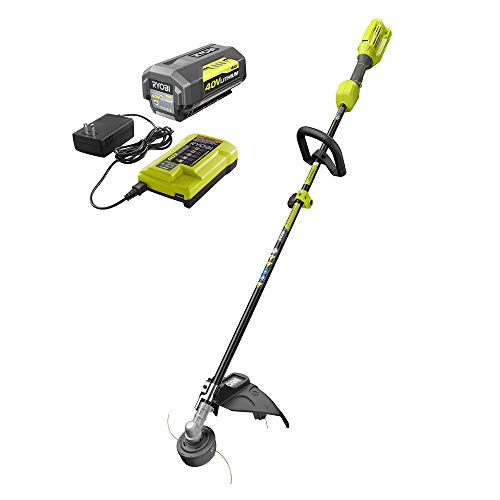
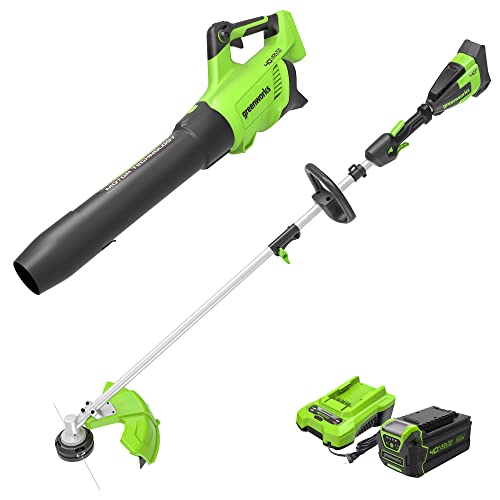
- Battery power heads: quiet, light, and easy to start, with runtime set by the battery you own. Best for small and medium yards and for owners who value low upkeep.
- Gas power heads: the strongest option for heavy brush and long sessions, with fuel and engine care as the trade off. Best for large or rough properties.
- Corded electric power heads: the lowest cost route into an attachment system, limited by cord reach. Best for small yards with an outdoor outlet nearby.
Three Power Head Types Compared
Instead of naming individual models, compare the types themselves. Specs vary by brand, yet the strengths and limits below stay consistent across nearly every attachment system on the market. All three use a split shaft with a coupler near the middle, the joint that takes the most stress in use.
Battery Power Heads for Quiet, Low Upkeep Work
A battery power head runs an electric motor from a removable pack, and most systems let the same pack run your other cordless yard tools. Starting is instant, there is no fuel to mix, and noise stays low enough for early morning work in most neighborhoods. The limit is runtime. One pack may trim a medium yard, but a pole saw or brush cutter drains it faster, so a second pack matters if you plan long sessions. Weather resistance also varies, so check whether the maker rates the head for use in damp grass or only for dry conditions.
Gas Power Heads for Power and Long Sessions
A gas power head uses a two stroke or four stroke engine, and it delivers the most torque for thick brush, tall weeds, and large properties. Refueling takes a minute, so runtime is effectively unlimited on a work day. The costs are weight, noise, exhaust, and engine upkeep such as fuel mixing, spark plug checks, and air filter cleaning. Build quality shows up in the shaft and coupler here, because engine vibration works on every joint. A steel drive shaft and a metal coupler handle that vibration better than lighter builds.
Corded Electric Power Heads for Small Yards
A corded electric power head draws power from an outlet, so it never needs charging or fuel and it usually costs the least to buy. Torque is modest, which is fine for lawn edges and light weeds. The cord is the real limit. You need an outdoor rated extension cord, you must plan your path so the cord stays behind you, and large or divided yards quickly become frustrating. Weather resistance is also the weakest of the three types, since the motor vents and the cord connection should stay dry.
How to Judge an Attachment System
Judge any system on five points drawn from maker specifications and owner manuals: build materials, weather resistance, size and capacity, assembly, and warranty cover. A metal coupler, a rigid shaft, and sealed switches point to a durable build. A warranty that covers the coupler as well as the power head tells you the maker expects the connection to last. Avoid any system sold with no stated attachment standard, because you cannot confirm that future attachments will fit.
How to Choose the Right String Trimmer
Work through the factors below in order. Power source and shaft fit come first, because they cannot be changed later.
Type: Power Source and Shaft Shape
Start with the power source using the type comparison above, then pick a shaft shape. A straight shaft reaches under shrubs and fences and pairs well with brush cutter and pole saw attachments, which is why most attachment systems use it. A curved shaft is shorter and lighter and can feel easier for simple lawn trimming, but curved shaft models accept fewer attachments. Also confirm the shaft style the system uses. Some couplers accept attachments across brands that share the same standard, while others only take attachments from the same brand.
Features Worth Paying For
Three extras earn their cost on an attachment capable trimmer. An edger attachment with a guide wheel gives a clean lawn edge that a trimmer head alone cannot match, and it is the attachment most owners use weekly. A battery and charger bundled with a battery head saves a second purchase and guarantees the pack fits the system. An auto feed or bump feed head keeps line advancing without stopping to pull line by hand. Skip decorative extras such as extra grips or carrying cases until the core system is right.
For the wider category before you narrow down to attachment systems, see our guide to the best string trimmer.
Weather Resistant Materials
Trimmers live in sheds and garages and work in damp grass, so materials decide how long the system stays tight and rust free. Look for an aluminum or steel shaft rather than thin painted tube, a coupler with metal locking parts, and plastic housings that feel thick rather than brittle. Rubber seals around the battery port or fuel cap keep moisture and dust out of the parts that fail first. No trimmer should be stored outdoors uncovered, but a well sealed head tolerates a humid shed and a light drizzle during a job far better than a basic build.
Size for Your Space
Match capacity to your yard rather than buying the largest head available. Cutting swath tells you how much grass each pass clears: about 13 to 15 inches suits small and medium lawns, while 16 to 18 inches speeds up open areas but adds weight. Line diameter matters for thick weeds, with heavier line around 0.095 inches handling stems that snap lighter line. For storage, a split shaft breaks down into shorter pieces that hang on a wall or fit in a car trunk, which is a real advantage in a small garage.
For pack sizes and charge times, see our guide to the best battery string trimmer before you commit to a battery system.
Assembly and Securing Attachments
Assembly should take minutes, not tools and guesswork. Most systems slide the attachment shaft into the coupler, align a locking pin with its hole, and tighten a knob by hand. Before the first use, run the trimmer at low speed and check that the attachment does not wobble, because play at the coupler means the pin is not seated. Recheck the knob after the first few minutes of cutting, since vibration can loosen a fresh connection. Keep the coupler clean, as grit inside it prevents a full seat and accelerates wear.
How Much Should You Spend?
Budget for the system, not just the head. A budget under $100 usually means a corded head with one trimmer attachment, enough for a small lawn. Most battery kits with a charger and gas heads sold without attachments cost about $100 to $200, while stronger gas or high capacity battery heads with better couplers cost about $200 to $300. Each extra attachment adds cost later, so a slightly better head with a common attachment standard often costs less over its life than a cheap head that locks you into pricey attachments.
If low running costs and quiet work matter most, the comparison in gas vs battery trimmer breaks down fuel, upkeep, and noise side by side.
Care and Off Season Storage
Brush grass and dirt from the trimmer head and guard after each use, and let everything dry before storage, because packed wet clippings corrode metal. Check the cutting line, the spool, and the guard screws monthly during the season. Wipe the coupler and add a thin film of light oil to its metal parts if the manual allows it, so attachments keep sliding on and off smoothly. For winter, drain fuel from a gas head or run it dry, store a battery pack indoors at partial charge, and hang attachments off the floor.
For a full step by step routine, follow how to clean a string trimmer at the start and end of each season.
Attachment Capable vs Other String Trimmers: Pros and Cons
A dedicated single purpose trimmer is usually lighter and simpler, because it carries no coupler and no extra shaft joint. An attachment capable model trades a little weight for range: one engine or motor maintains every tool, and new tools cost less because you buy only the attachment. The compromise is performance at the extremes. A dedicated brush cutter can outwork the attachment version, and a worn coupler affects every attachment you own at once.
- Pros: one power source to maintain, lower total cost across several tools, compact storage, and fast swaps between jobs.
- Cons: heavier than a basic trimmer, the coupler is a wear point, and you are committed to one attachment standard.
If maximum cutting power is your only goal and you never plan to edge or prune with the same head, a look at the best gas string trimmer options may suit you better than an attachment system.
FAQ
What is the best attachment capable string trimmer?
The best choice is the system whose attachment standard matches the tools you plan to own, with a metal coupler and a warranty that covers the power head. Beyond the sections above, check grip comfort if you can hold the tool in a store, because an attachment capable head runs longer sessions across several jobs, and a grip that suits your hands matters more over two hours than over ten minutes of trimming.
Are attachment capable string trimmers worth it?
Yes, if you will use at least three attachments, because the savings over separate tools grow with each attachment you add. One case the sections above did not cover: if you expect to use an attachment only once a year, such as a cultivator for a spring garden bed, renting that single tool for a weekend can cost less than buying the attachment and storing it all year.
How long does a string trimmer last?
A well kept gas head often lasts about 7 to 10 years, a battery head about 5 to 8 years, and a corded head somewhere in between, assuming homeowner use. The part that usually ends service is not the motor or engine but the coupler and the drive shaft connection, which wear with every swap. Systems with spare couplers and shafts sold separately can be repaired and kept in service well past those ranges.
How do you clean a string trimmer?
Start with the routine in the care section above, then add one caution: never aim a pressure washer at the head, the motor vents, or the coupler, because forced water drives grit and moisture into bearings and electrical parts. Avoid strong solvents on the plastic guard as well, since some cleaners soften plastic over time. A stiff brush, a damp cloth, and full drying before storage clean the tool safely.
What is the most reliable string trimmer brand?
No single brand wins for everyone, and reliability claims without data behind them are hard to trust. A better test is support: choose a maker that publishes parts diagrams, sells replacement couplers and spools, and has dealers near you. A mid priced head with parts available in five years will outlast a stronger head that becomes unusable when a small part breaks.
Final Thoughts
Pick the power source for your yard size, insist on a metal coupler and a clear attachment standard, and budget for the attachments you will actually use. Judged that way, the best attachment capable string trimmer is the one you can keep expanding instead of replacing. Use the product table above to compare current models against these criteria, and check the string trimmer buying guide for a wider look at trimmer sizing and line types.