
Best Briggs and Stratton Snow Blowers (2026): Engines and Types
Disclosure: We may earn a commission when you buy through links on this page, at no extra cost to you. As an Amazon Associate I earn from qualifying purchases. Learn more
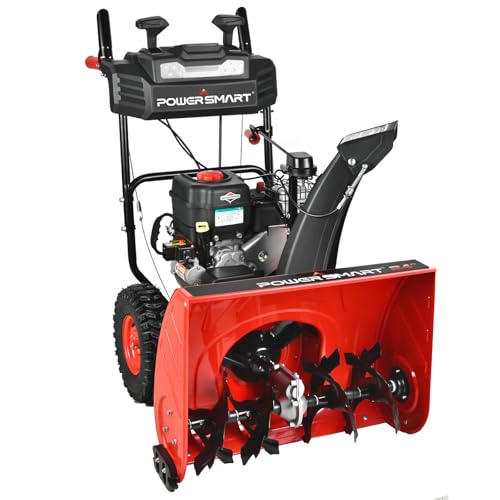
Compare snow blowers powered by Briggs and Stratton engines and find the best briggs and stratton snow blower for your driveway.
Choosing a snow blower from one brand sounds simple until you face the real questions. How wide should the machine be, how many stages do you need, and will it handle the wet snow at the end of your driveway? This guide to finding the best briggs and stratton snow blower compares the main types by build materials, clearing size, and how much assembly each one needs.
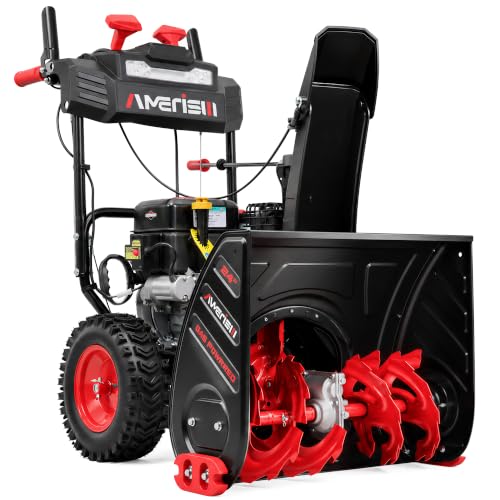
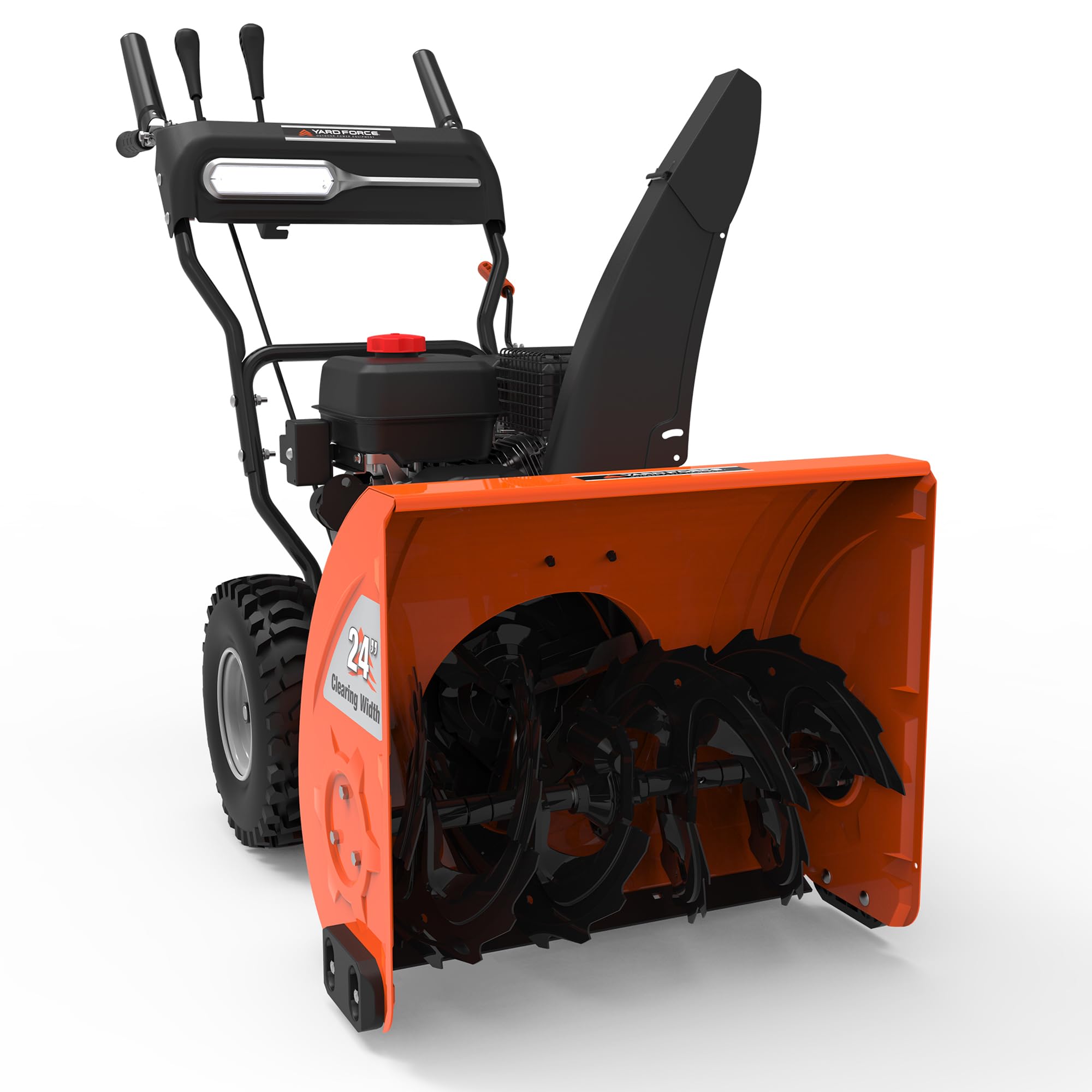
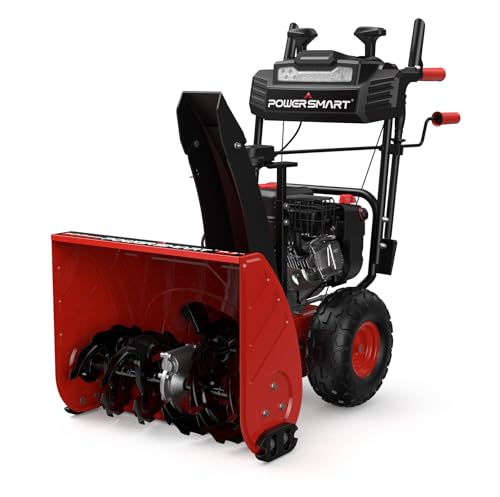
The product table above lists gas snow blowers that run on Briggs and Stratton engines, mostly two stage models. Read on for the details that separate a good match from an expensive mistake.
Snow Blower Types at a Glance
Snow blowers come in three broad types, and each one suits a different kind of property and snowfall pattern.
- Single stage models: compact and light, best for paved driveways and light to moderate snow.
- Two stage models: stronger and wider, best for deeper snow, longer driveways, and mixed surfaces.
- Larger two stage models: the widest clearing paths and the most comfort features, best for big properties and frequent heavy storms.
Three Types Compared: Single Stage, Two Stage, and Larger Two Stage
Single Stage Models for Light to Moderate Snow
Single stage models use a rubber edged auger that touches the ground, pulling the machine forward as it clears down to the pavement. Clearing widths usually run about 18 to 22 inches, which suits a driveway built for one or two cars in a region with modest storms. Because the auger contacts the surface, these machines leave a cleaner finish than two stage models. They are also lighter, easier to turn in tight corners, and simpler to store in a crowded garage.
Two Stage Models for Deeper Snow
Two stage models add an impeller behind the auger that throws snow farther, and the auger itself rides just above the ground. That gap lets the machine work on gravel without scooping up stone, and widths of about 24 to 27 inches clear a long driveway in fewer passes. Driven wheels do the pushing, so deep or wet snow takes less of your own strength. If you want to compare two stage machines across brands, see our guide to the best two stage snow blower for the wider field.
Larger Two Stage Models for Long Driveways and Gravel
The largest models stretch to about 28 to 30 inches of clearing width and pair that width with stronger engines and bigger tires or track style drive on some versions. They earn their keep on rural lanes, shared driveways, and properties where the street plow leaves a tall, dense ridge at the entrance. The trade off is weight and storage space, since a machine this size needs a clear parking spot all year. Buy this type only when your widest storms and longest runs truly demand it.
How We Chose the Best Briggs and Stratton Snow Blowers
We judged the candidates against five criteria drawn from manufacturer specifications and patterns in verified buyer feedback. Those criteria are build materials and weather resistance, size and capacity, ease of assembly, expected durability, and warranty coverage. The comparisons below rest on published specifications and widely reported ownership experience.
How to Choose the Right Snow Blower
Size and Form Factor
Clearing width decides how many passes your driveway takes, but weight and balance decide how tired you feel afterward. A compact single stage machine can weigh half as much as a large two stage model, and that gap matters on slopes and in tight turnarounds by the garage door. Check the folded handle height and overall footprint before you buy, since handles that fold down can save real floor space. If you will lift the machine into a truck or onto a raised storage shelf, weight alone may settle the choice.
Type
Briggs and Stratton is known first as an engine builder, and the snow blowers that use its engines are gas powered, which delivers long run times and strong throwing power in cold weather. Battery and corded electric machines from other brands trade some of that power for quiet running and no fuel upkeep. The stage count still matters more than the power source for deep snow, so read our breakdown of single stage vs two stage snow blower designs before you decide. Pick gas when storms are heavy and driveways are long.
Features Worth Paying For
Electric start tops the list for most buyers, since it lets you start a cold engine with a button while the machine is plugged in, with the recoil starter kept as backup. Headlights matter if you clear before dawn or after work in midwinter darkness. Power steering helps on wide two stage models, letting you turn with lever inputs instead of muscle. Heated handles are a comfort extra that people with long clearing sessions value, but they should never come before the right width and stage count.
Weather Resistant Materials
Look at what the housing, auger, and chute are made from, because a snow blower lives a hard life of slush, road salt, and freezing spray. Steel housings shrug off impacts from ice chunks and buried debris better than thin panels. Polymer chutes resist rust and tend to shed wet snow instead of clogging, while steel chutes feel sturdier and can cost more. Sealed controls and protected cables also matter, since moisture that freezes inside a cable can leave a control stuck on the coldest morning of the year.
Size for Your Space
Measure before you shop, starting with the narrowest gate or shed door the machine must pass through. Then count how many passes each width needs on your driveway, because a wider machine that saves four passes per storm pays you back all winter. Sidewalks usually suit narrower widths, while open parking areas reward width. Also check where the machine will sit from spring through fall, since a two stage model parked badly can block bikes, mowers, and everything else you own.
Assembly and Setup
Most models arrive partly assembled, with the handle, discharge chute, and controls left for you to fit. Set aside about an hour, keep basic hand tools ready, and ask a second person to help lift a two stage machine off its pallet, since these are heavy and awkward when boxed. Add engine oil if the manual says it ships dry, and confirm the chute rotation and deflector controls move freely before the first storm. Keep the spare shear pins that ship with many models in a labeled spot you will remember.
Care and Off Season Storage
At the end of the season, run the engine until the carburetor is dry or treat the remaining fuel as the manual directs, because stale fuel is the top cause of hard starting in the fall. Wash off salt and slush residue, dry the machine, and touch up chipped paint on steel parts before rust takes hold. Store it indoors on a flat surface with the tires at the pressure listed in the manual. For a full step by step routine, follow our guide on how to winterize a snow blower before the warm months arrive.
How Much Should You Spend?
Under $300, you are mostly looking at compact electric machines for light snow, not new gas models from this brand. At about $300 to $500, entry level single stage gas models cover small paved driveways well. Spending about $500 to $1000 puts most two stage models in reach, with wider paths and driven wheels. Budgets of about $1000 to $2000 buy the largest widths, stronger engines, and comfort features bundled together. Match the tier to your heaviest typical storm, not your mildest one.
Briggs and Stratton Snow Blowers Explained
Many Briggs and Stratton powered machines are built by other equipment makers who fit a Briggs and Stratton engine, often a 208cc unit in a 24 to 26 inch two stage blower with electric start. Listings lean on two facts, the stage type and the clearing width, so a wider number almost always means a bigger machine built for more snow per pass. Higher up the range, tires get larger and comfort features such as headlights and handle warmers appear. If your snowfall is light and your driveway is short, it is worth glancing at our guide to the best electric snow blower before you commit to gas.
One more thing sets this brand apart. Because Briggs and Stratton engines power equipment from many makers, parts and service knowledge for the engines are widely available at local repair shops. That support network can matter as much as any single feature once the machine is several seasons old.
Common Mistakes to Avoid
- Sizing for the average storm: a machine matched to light snow will struggle badly on the two or three heavy storms that define your winter.
- Running a single stage model on gravel: the ground contact auger picks up loose stone and throws it, which can damage windows and the machine itself.
- Skipping measurements: buyers who never check gate width or storage space can end up with a machine that fits nowhere but the middle of the garage.
- Waiting for the first snowfall to start the engine: a starting problem found in October is a quick fix, while the same problem found in a blizzard is a crisis.
- Clearing a clogged chute by hand: reaching into the chute or auger area can cause serious injury even when the engine seems to be off.
FAQ
What is the best briggs and stratton snow blower?
For most homeowners, a two stage model in the 24 to 27 inch range is the strongest all around answer, since it handles deep snow, gravel, and the plow ridge at the street. One factor buyers overlook is local service. Because these engines are so common, most small engine shops already stock parts for them, which shortens repair waits in midwinter when every shop in town has a long line.
Is Briggs and Stratton a good snow blower brand?
Briggs and Stratton is best known as an engine maker, and many snow blowers from other brands use its engines. That engine heritage shows up in easy parts availability and a repair network that covers most regions. The machines themselves vary by maker, so judge the build, warranty and seller as well as the engine badge.
How long does a snow blower last?
Years of service depend more on hours of use and storage habits than on age alone, since a machine clearing one short driveway works far less than one clearing a shared lane. Indoor storage, fresh fuel, and an annual oil change do more for lifespan than any single build feature. Our detailed answer at how long does a snow blower last walks through the wear parts that usually decide when repair stops making sense.
Is a snow blower worth buying for a small driveway?
It depends on how many real storms you get and how heavy they are. If your area sees several storms a season that drop six inches or more, a compact machine saves your back and turns an hour of shoveling into fifteen minutes of walking. If you get one or two light storms a year, a good shovel or a small electric snow shovel is the smarter spend, and garage space stays free.
How do you clean a snow blower after a storm?
Stop the engine, remove the key or disconnect the plug, and let moving parts come to a full stop before you touch anything. Use the clean out tool stored on the machine, never your hands, to clear packed snow from the chute and auger housing. Then brush snow off the top surfaces and around the controls, since melt water that refreezes overnight can lock cables and linkages in place by morning.
Final Thoughts
Match the stage count to your surface, the width to your driveway, and the budget to your heaviest normal storm, and the lineup narrows to an easy decision. For most homes, the best briggs and stratton snow blower is a mid width two stage model, while small paved driveways do fine with a single stage machine. Use the product table above to compare the models once more, and if you want the full cross brand picture, start with our roundup of the best snow blower options for every budget.


