Best Budget Robotic Pool Cleaners (2026): Types and Guide
Disclosure: We may earn a commission when you buy through links on this page, at no extra cost to you. As an Amazon Associate I earn from qualifying purchases. Learn more

Floor only or wall climbing, cordless or corded? Find the best budget robotic pool cleaner for your pool.
A robotic cleaner should save you skimming, vacuuming, and scrubbing by hand, but prices climb fast once you add apps, caddies, and extra drive modes. If you mainly need clean floors and clearer water without paying for extras you will rarely use, a best budget robotic pool cleaner can do the core job well. The key is matching the cleaner to your pool type, surface, and debris load.
This guide compares cleaner types rather than naming picks, so you can judge any model against the same criteria, from materials and capacity to assembly and care. The product table above lists budget models, and the sections below show how the main types line up.

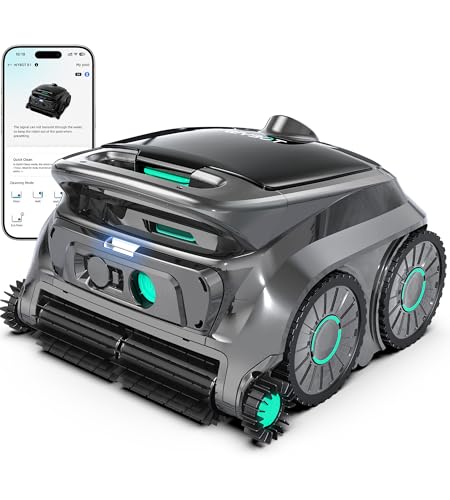
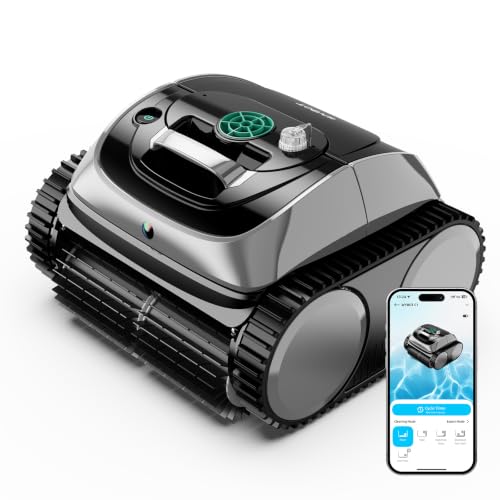
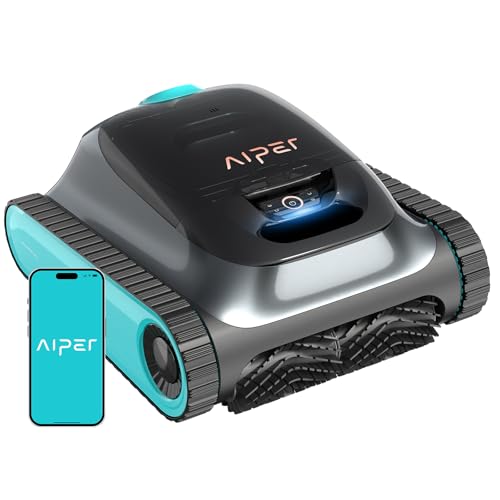

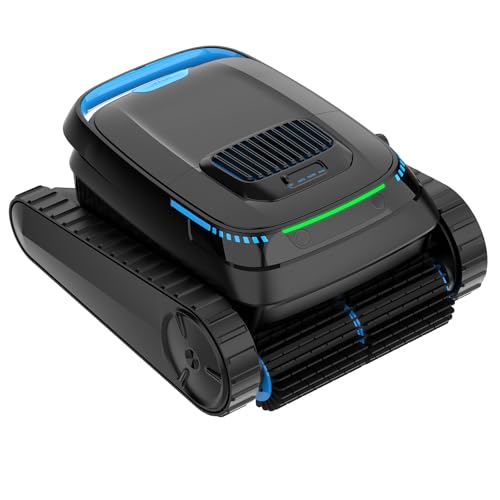
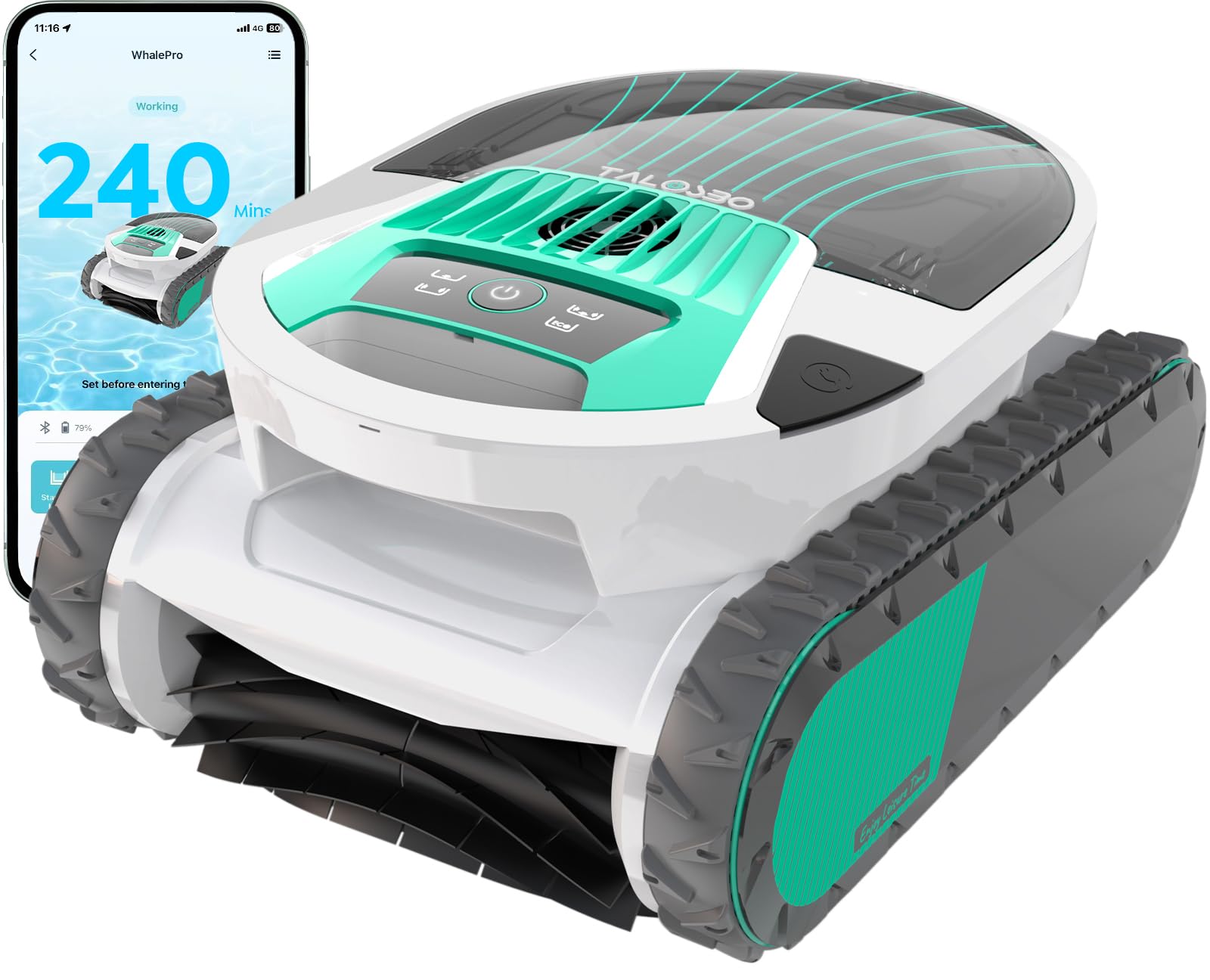
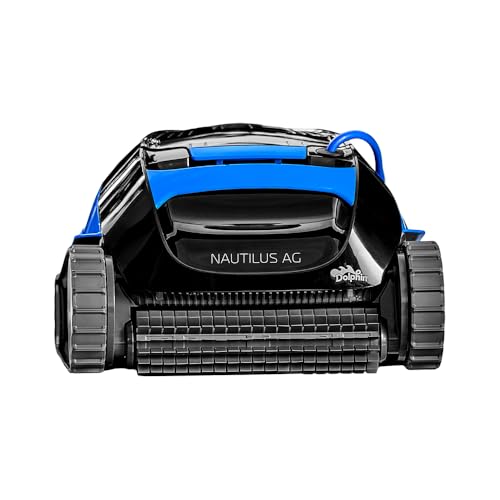
Budget Robotic Pool Cleaner Types Compared
Budget robots fall into a few clear groups, and the group matters more than any single spec. Floor only models are the simplest and usually the lowest priced. They travel across the pool bottom, collect debris in a basket or bag, and stop when the cycle ends or the battery runs low. They suit flat bottom above ground pools and gentle slopes where most dirt settles on the floor.
Wall climbing budget models add traction and stronger suction so the robot can rise partway or fully up the walls. That helps with the waterline, where oils and fine dirt tend to collect, but it adds weight and cost. If your walls stay fairly clean and you brush them by hand now and then, you may not need this ability at all.
Corded models plug into a power supply and can run longer cycles without charging. Cordless models run on a built in battery, so there is no cable to manage, but run time is fixed. For a broader view, see our guide to the best robotic pool cleaner options for every pool type.
How We Chose the Criteria for This Guide
We judged budget models on the factors that change daily use the most, using maker specifications and patterns in verified buyer feedback. Build materials and weather resistance came first, because a cleaner lives in chlorinated or salt water and sits in strong sun between runs. Size and capacity came next, since a small basket that fills in minutes will cut a cycle short.
We also weighed assembly, durability, and warranty cover. A budget cleaner should arrive nearly ready to use, with clear steps for the first charge or cable setup and for emptying the filter.
How to Choose the Right Robotic Pool Cleaner
Type
Start with where your pool dirt collects and how your pool is built. Above ground pools with flat or gently dished bottoms often do well with a light floor only robot that will not stress the liner or get stuck on seams. If that is your setup, our guide to the best above ground robotic pool cleaner explains the fit points in more depth.
Inground pools with steps and deeper slopes place more demand on navigation and traction. A model that handles inclines and turns cleanly at the wall base will cover more area in one cycle. Suction side and pressure side cleaners rely on your pool pump, so they are not true robots.
Solar powered skimmers are a different tool. They float and collect leaves before they sink, but they do not vacuum the floor or scrub walls.
Features Worth Paying For
Wall climbing is worth paying for if you see a dull film or grit on the walls and dislike brushing them by hand. It is less valuable in a small above ground pool where a quick brush pass takes only a few minutes. Judge the claim by traction and brush design, not by the label alone, since some budget models climb only in ideal water conditions.
An app helps if you want to start a cycle from indoors or set a schedule. It adds little if you are happy pressing one button on the unit. A caddy helps if you move the robot far from storage, while a large filter basket helps most in yards with trees.
If cable free running is your priority, compare run time and charge time closely and read our guide to the best cordless robotic pool cleaner before you decide. A cordless model that runs for about 60 to 90 minutes suits many small and mid size pools, but a large pool may need two charges to finish.
Weather Resistant Materials
Look for a housing made from sturdy plastic that resists sun damage and pool chemicals, with seals that keep water out of the motor and battery areas. Rubber or soft compound tracks and wheels grip better than hard plastic and are kinder to vinyl and fiberglass surfaces. Brushes should feel firm enough to loosen dirt but not so stiff that they scuff a liner.
Rinse the robot with fresh water after use, let it dry in shade, and keep it out of direct sun and freezing cold when it is not running. Heat and sun age seals, fade housing, and shorten battery life.
Size for Your Space
Match cleaner size and cleaning path to your pool length and shape. Makers state a maximum pool length for each model, and you should stay within that limit so the cable or battery can cover the full floor. A compact robot turns more easily in tight corners and around ladders, while a wider body covers open water faster but may struggle in narrow swim outs.
Filter capacity matters alongside body size. Fine mesh suits sand and dust, while a larger basket with a wider opening handles leaves and acorns better. If your pool sits under trees, choose capacity over speed, because a robot that stops with a full basket leaves the rest of the floor dirty no matter how fast it moves.
Weight matters too, because you lift the robot out after every run and it will be heavier when full of water and debris. If lifting is hard for you, favor a lighter model with a clear handle and a quick drain.
Assembly and Anchoring
Most budget robots need very little assembly. You may attach a handle, fit the filter basket, charge the battery, or connect the power supply and lay out the cable so it floats without tight bends. Read the first run steps in full, because some models need the filter seated in a precise way before suction works as it should.
Place the unit in the water slowly, hold it upright while air escapes, and let it sink to the floor before you start the cycle. Starting it while full of air can cause it to float, wander, or miss large areas.
Care and Off Season Storage
Empty and rinse the filter basket or bag after each run, and let it dry before the next cycle so trapped grit does not smell or clog the mesh. Check brushes, tracks, and wheels for hair, string, and small stones, and clear the intake area if suction drops. These small steps keep a budget model cleaning at full strength without extra cost.
During the off season, clean the robot fully, dry every part, charge a cordless battery to the level the manual advises for storage, and keep the unit indoors. Coil a corded cable loosely in large loops rather than tight wraps.
How Much Should You Spend?
Under about $200, expect basic floor cleaning for small above ground pools, simple controls, and a smaller filter. These models can be a smart first robot if your pool is modest and your debris is mostly dust and small leaves. Our dedicated guide to the best robotic pool cleaner for above ground pools can help you check fit for that pool style.
In the range of about $200 to $400, you gain stronger suction, better navigation, larger baskets, and in some cases wall climbing. This is the range where many inground pool owners find enough cleaning power without paying for premium extras. Run time and brush quality tend to improve here as well.
Between about $400 and $700, you gain smarter mapping, finer filtration, and longer warranties. Above that level, up to about $1000 and about $1500, you pay for advanced navigation, app control, and larger pool coverage, which rarely changes results in a small pool.
Budget vs Other Robotic Pool Cleaners: Pros and Cons
The main advantage of a budget robot is value for routine cleaning. It works on its own, uses its own filter instead of loading your pool filter, and needs no hose connection to a pump. For many owners that means a cleaner floor with less weekly effort and no change to the pool plumbing or pump schedule.
The trade offs are coverage and extras. Budget models may follow a simple pattern, so they can miss a spot in an odd shaped pool and need a second cycle. Filtration is often coarser, and brushes and tracks may wear sooner than on premium units.
Premium robots earn their price when the pool is large, has complex steps and benches, or collects heavy leaf loads daily. If your pool is simple in shape, a budget model used often will usually keep up better than a costly model used only rarely.
FAQ
What is the best budget robotic pool cleaner?
There is no single model that fits every pool, so the best choice is the type that matches your pool surface, size, and debris. A light floor only robot suits small above ground pools, while inground pools often need stronger traction and a larger basket. Use the product table above and the criteria in this guide to compare any model on materials, capacity, run time, and warranty before you buy.
Are budget robotic pool cleaners worth it?
Yes, if your goal is routine floor cleaning without hand vacuuming each week. A budget robot will not match the mapping or filtration of a premium unit, but it removes the dirt that makes a pool look dull. Worth depends on use, so it pays off most when you run it often, rinse the filter after each cycle, and store it out of harsh sun.
How long does a robotic pool cleaner last?
Many home robots last about 3 to 5 years with regular care, though batteries, brushes, and tracks may need replacement sooner. Life varies with water balance, storage, and how often the unit runs in heavy debris. For a fuller look at wear points and replacement timing, read our article on how long does a robotic pool cleaner last before you set your budget.
Is a robotic pool cleaner worth it?
For most pool owners, yes, because it cleans independently from the pump and filter system and can run at times that suit you. It also scrubs as it vacuums. It is less worthwhile for a pool used only a few weeks a year.
How do you clean a robotic pool cleaner?
Lift the robot out, open the top or base, and remove the basket or bag over a bin or lawn area away from the pool. Shake out debris, rinse the filter with a garden hose until the water runs clear, and let it air dry before refitting it. Wipe the housing, check the intake for trapped grit, and never use a pressure washer, which can damage fine mesh and seals.
What is the most reliable robotic pool cleaner brand?
Reliability depends more on the specific model, warranty terms, and local service support than on a brand name alone. Look for a warranty that covers the motor and battery for a clear period, easy access to spare brushes and filters, and a maker that publishes manuals and parts lists. A slightly plain model with good parts support will often serve you longer than a feature rich model with no spare parts.
Final Verdict
A budget robot is the right buy when you match type, size, and filter capacity to your pool and accept simpler navigation in return for a lower price. Floor only models serve small above ground pools, wall climbing types suit inground pools with dirty walls, and cordless types suit owners who hate managing a cable. For deeper help with specs and sizing, see our robotic pool cleaner buying guide alongside this article.
Check the product table above once more, confirm the maximum pool length and surface fit for your short list, and choose the best budget robotic pool cleaner type that fits your water, your debris, and your lifting comfort. Run it often and rinse the filter each time.