
Best Asics Running Shoes for Overpronation: Stability Guide
Disclosure: We may earn a commission when you buy through links on this page, at no extra cost to you. As an Amazon Associate I earn from qualifying purchases. Learn more

Overpronators need stability without a stiff ride. See how to choose the best asics running shoes for overpronation, from guidance to fit.
Overpronation means the foot rolls inward more than usual after landing, which can leave the arch, shin, or knee tired on longer runs. This guide to the best asics running shoes for overpronation explains how stability shoes guide the foot, what to check for fit and cushioning, and when to ask a professional for help.
Use the product table to compare options, then read the sections below to match a shoe to your stride, mileage, and comfort needs.

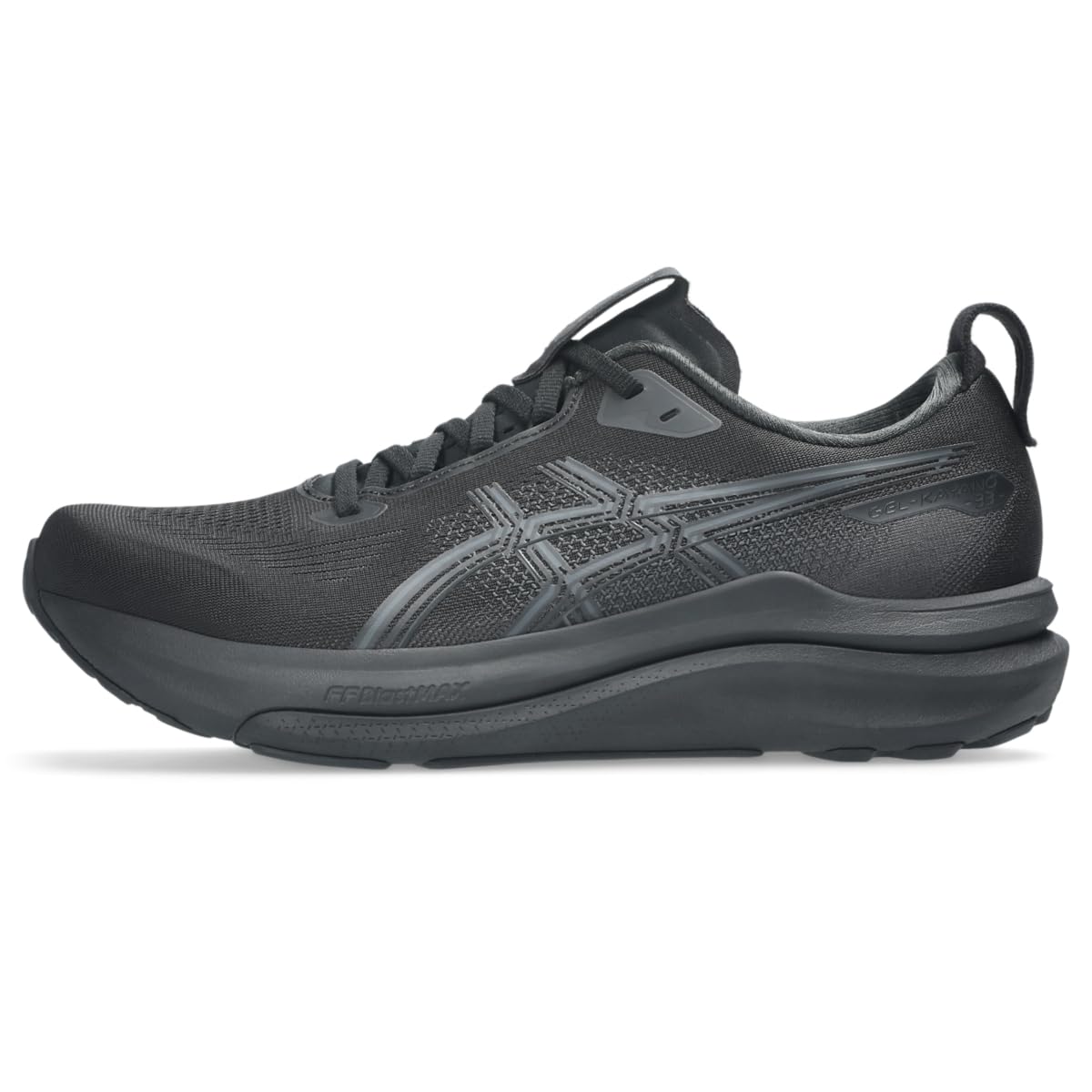
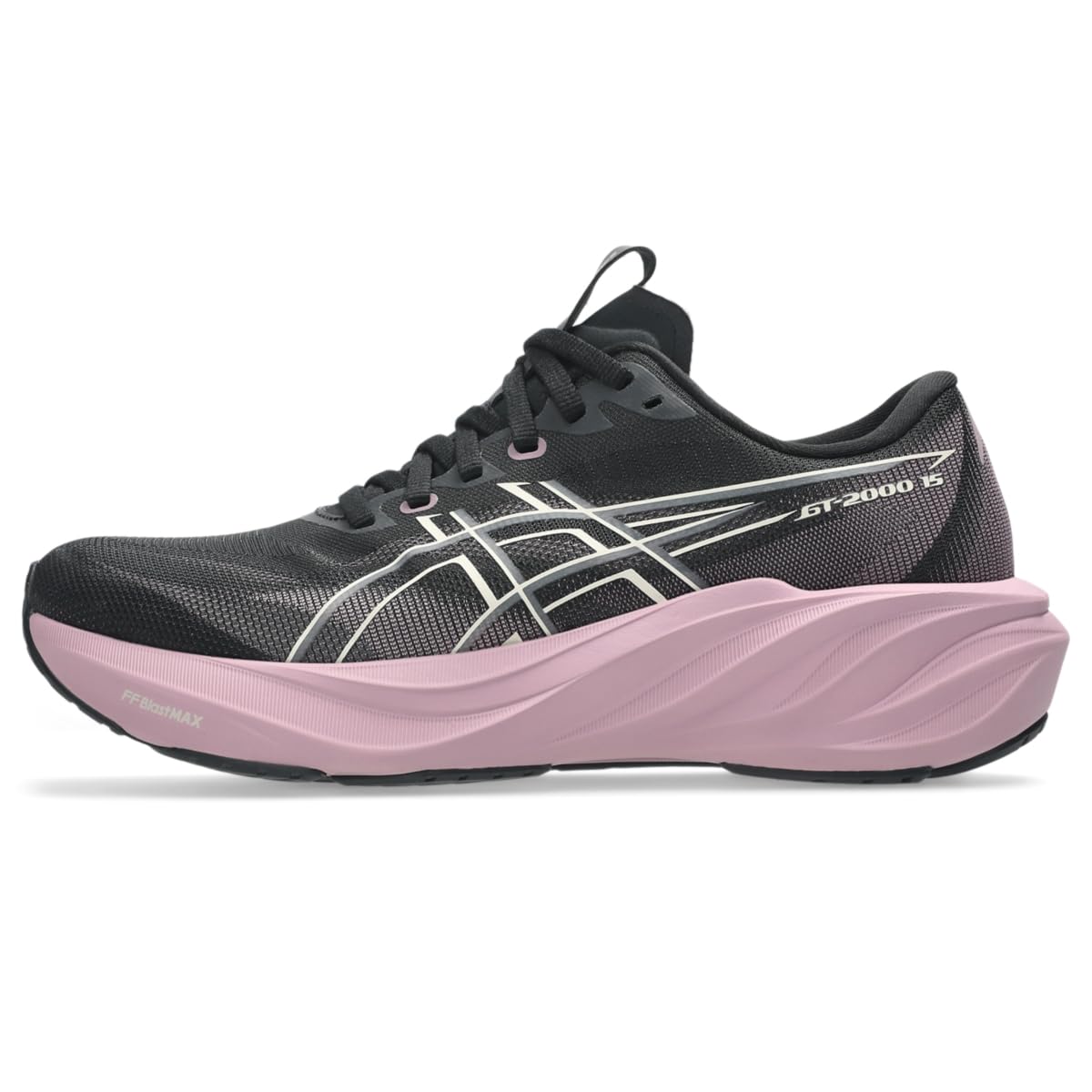


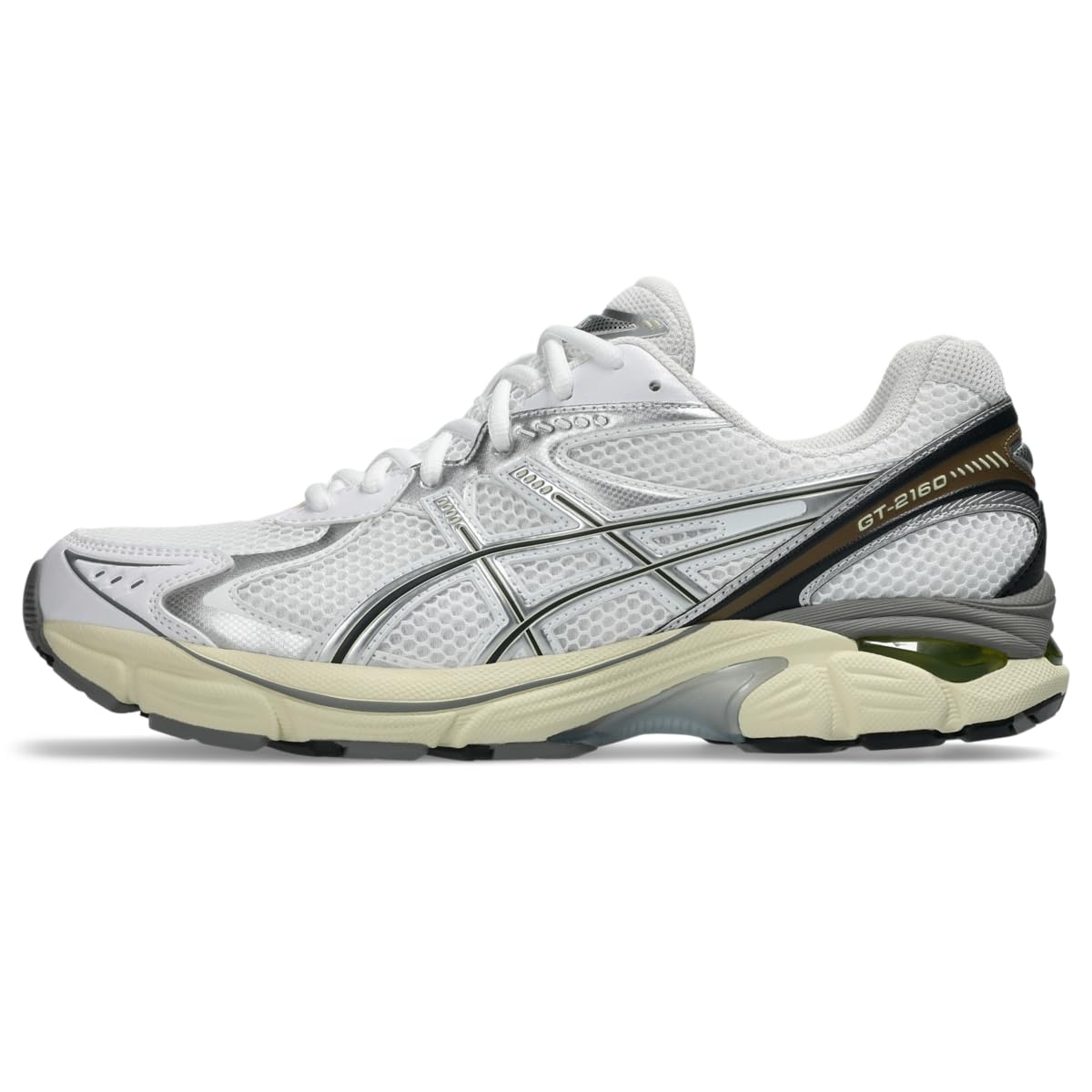
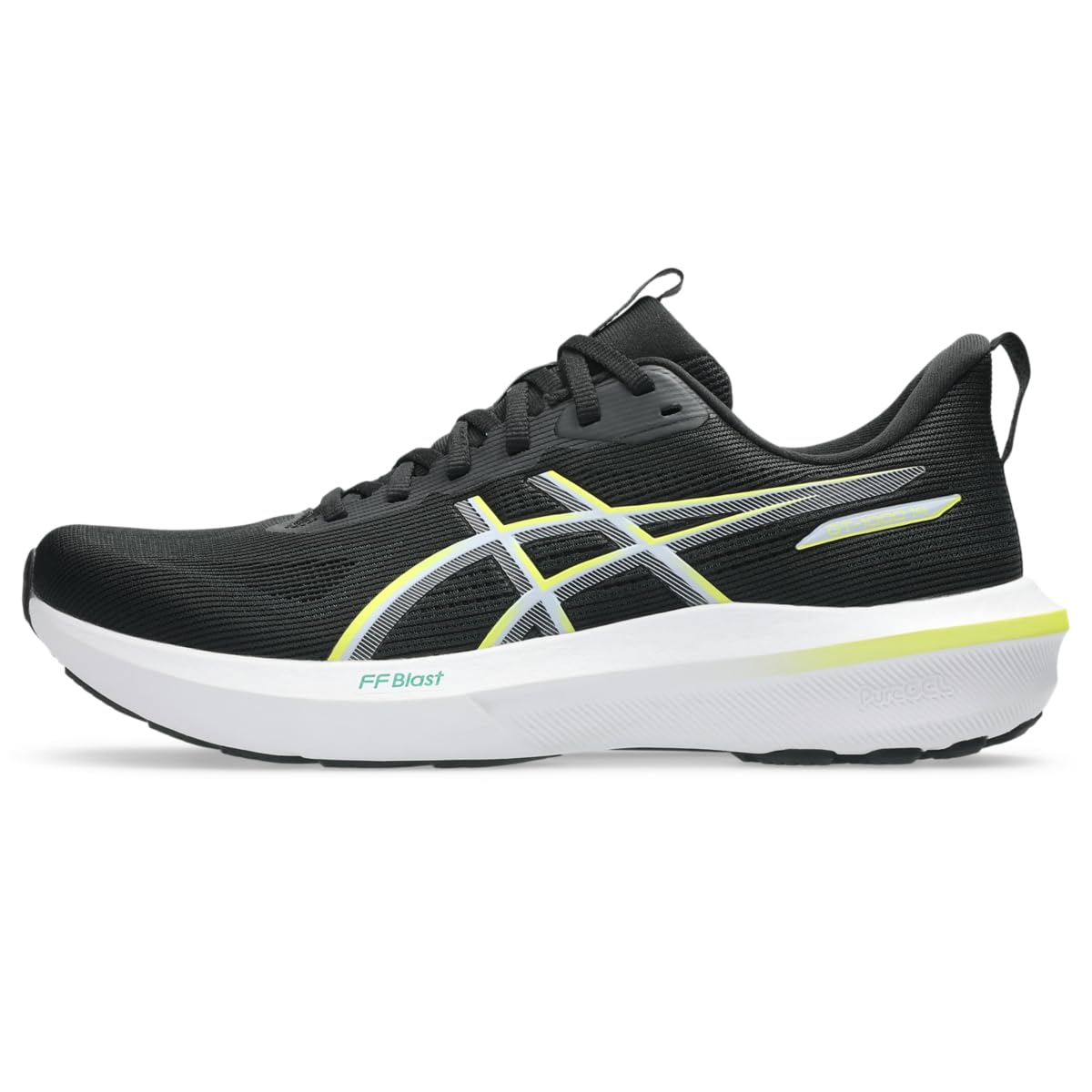
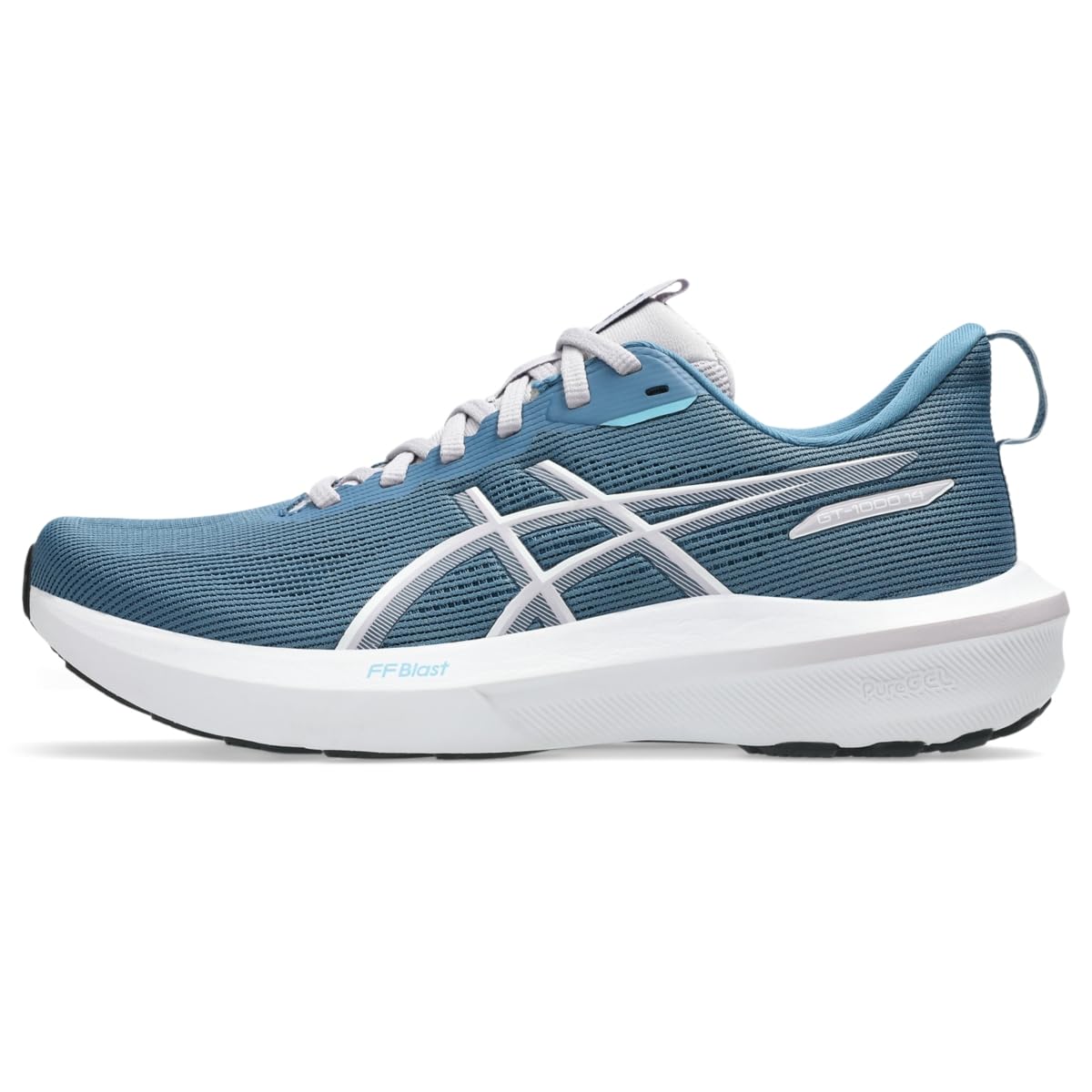
Who Should Buy These Shoes
These shoes suit runners whose ankles collapse inward, whose old shoes wear down on the inner heel, or who feel arch or shin fatigue after a run. They also suit runners with flat or low arches, who often overpronate, and heavier runners who need a firmer platform.
If your feet roll evenly or outward, a neutral shoe is usually more comfortable. Stability features that help an overpronator can feel intrusive on a neutral foot.
Stability Features That Guide the Foot
Stability shoes slow the inward roll with a firmer section on the inner midsole, a wider base, or a supportive frame near the arch. The goal is a straight, smooth stride, not a stiff shoe that fights your foot.
Good stability should feel supportive at the arch but not poke or press. If the inner side feels like a bump, try a model with a softer or more gradual guidance system.
Cushioning for Daily Miles
Stability does not mean hard. Modern stability trainers use soft foam over a firmer inner section, so the landing feels cushioned while the foot stays on track. That mix matters on long runs when form starts to fade.
If you are choosing between two shoes, pick the one that feels stable and smooth at the end of a run, not just in the first few minutes.
Fit Around the Midfoot and Heel
A secure midfoot wrap and a heel that does not slip keep stability features in the right place. A loose shoe lets the foot roll inside it, which defeats the design.
Leave a thumb's width in front of the longest toe, and make sure the arch area does not dig in. Try shoes with the socks and any insoles you plan to use, and shop in the afternoon when feet are slightly swollen.
Drop and Stride Feel
Heel-to-toe drop changes how your foot lands and how much work your calves do. Most stability trainers sit in the middle range, which suits many runners. A very low drop asks more of the calves and Achilles, so change drop gradually.
Outsole Grip and Durability
Rubber coverage in high-wear areas keeps grip on wet roads and protects the stability geometry for more miles. Overpronators often wear the inner heel and forefoot first, so check that those zones have solid rubber.
How to Tell If You Overpronate
A few simple clues help. Look at the soles of old running shoes: heavy wear on the inner edge of the heel and forefoot often points to inward roll. Stand barefoot and check whether your arch flattens and your ankles tilt inward. A running shop can also film your stride on a treadmill, which shows how far the heel tilts.
None of these signs is a diagnosis. Many runners with mild overpronation run without trouble, and the shoe only needs to feel stable and comfortable. If you have pain, a podiatrist can assess your feet and suggest whether insoles or exercises would help.
Warning Signs to Watch
Sharp ankle pain, swelling that lasts, numbness, or pain that changes your stride are reasons to stop and talk with a doctor or podiatrist. New shoes can improve comfort, but they do not diagnose or treat injuries.
Choosing the Best Asics Running Shoes for Overpronation
Start with your longest weekly run, then choose the support level that keeps your stride steady in the final miles. Mild overpronators often do well in light stability shoes, while strong overpronators and heavier runners may prefer a firmer, wider platform.
- Try shoes in the afternoon, wearing your running socks.
- Walk and jog a few steps to check the arch and heel.
- Break new shoes in over a few short runs.
- Replace them after roughly 300 to 500 miles.
Related Choices Worth Comparing
To widen your search, read the best running shoes and best running shoes for overpronation guides. Brand-focused readers can also compare the best asics running shoes roundup, the best asics shoes for overpronation guide, and the best asics women's running shoes guide.
Mistakes to Avoid
- Buying a neutral shoe because it felt softer in the store.
- Choosing the firmest stability shoe when a lighter one would do.
- Ignoring fit and relying on support features alone.
- Running through persistent pain in new shoes.
FAQ
What is overpronation in running?
Overpronation is excess inward roll of the foot after landing. Some pronation is normal and helps absorb shock, but too much can strain the arch, ankle, and shin.
Do stability shoes fix overpronation?
Stability shoes guide the foot, but they do not cure gait issues. Strength work, mobility, and a gradual mileage build matter too, and a podiatrist can advise on orthotics.
How should stability running shoes fit?
They should feel snug at the midfoot with a firm heel hold and room for the toes. The arch area should feel supported without pressure.
Can overpronation shoes feel soft?
Yes. Many stability trainers feel cushioned and smooth because the soft foam sits over a firmer guidance section.
When should I see a doctor about foot pain?
See a doctor for lasting pain, swelling, or numbness, especially if it appears on one side or limits running.
Final Thoughts
The best asics running shoes for overpronation keep your foot steady without feeling stiff. Compare the options in the product table, match the support level to your stride and mileage, and check the fit carefully before a long run. If pain persists, talk with a professional before you decide.


