
Best Athletic Shoes for Flat Feet 2026 Guide
Disclosure: We may earn a commission when you buy through links on this page, at no extra cost to you. As an Amazon Associate I earn from qualifying purchases. Learn more

Learn how arch support, stability, and cushioning help you choose athletic shoes for flat feet that feel steady on walks, runs, and daily training.
Flat feet change how weight moves through the foot, so a shoe that merely looks sporty is not enough. This guide explains how to choose the best athletic shoes for flat feet by comparing stability, arch support, cushioning and fit, so you find a pair that feels steady on walks, runs and training days.
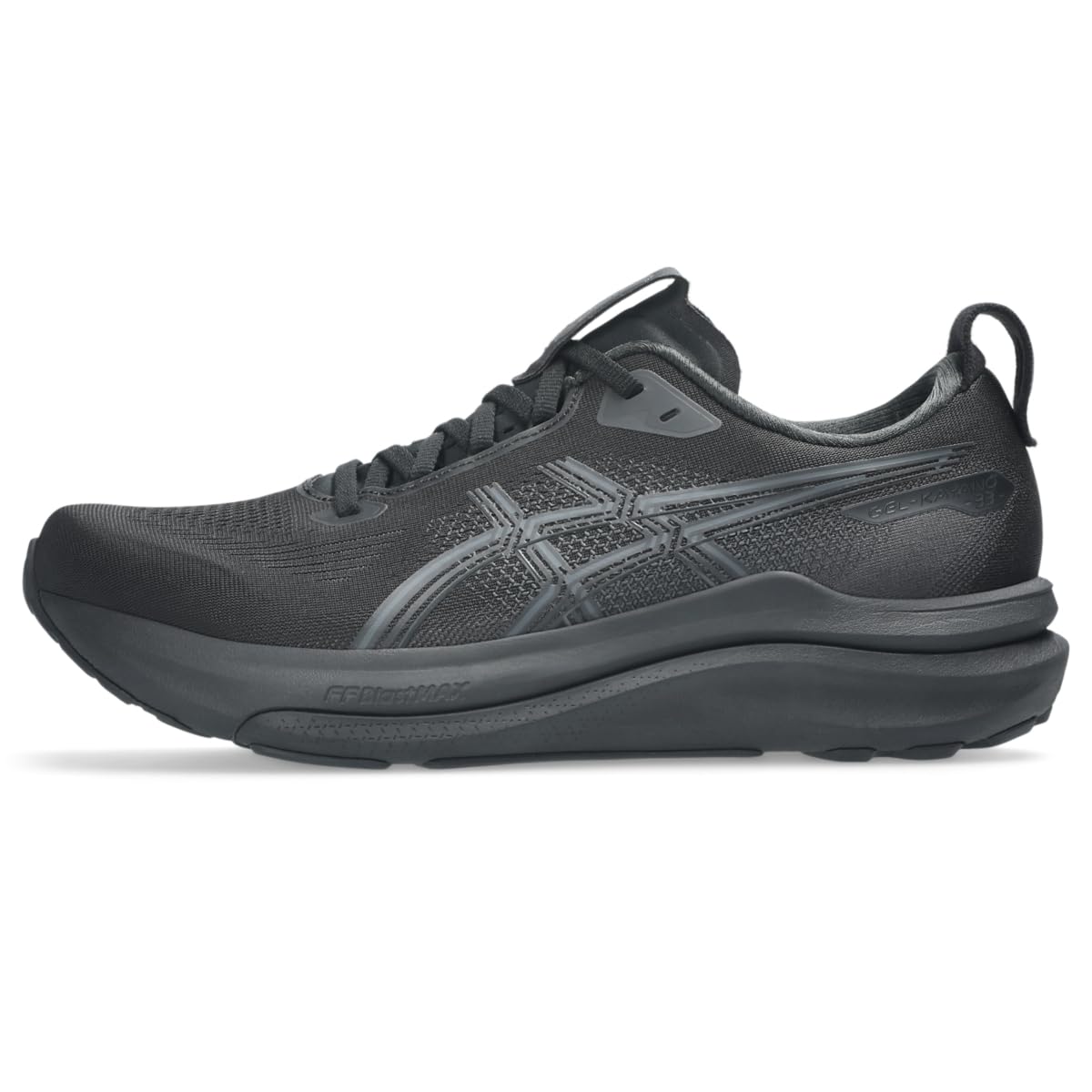
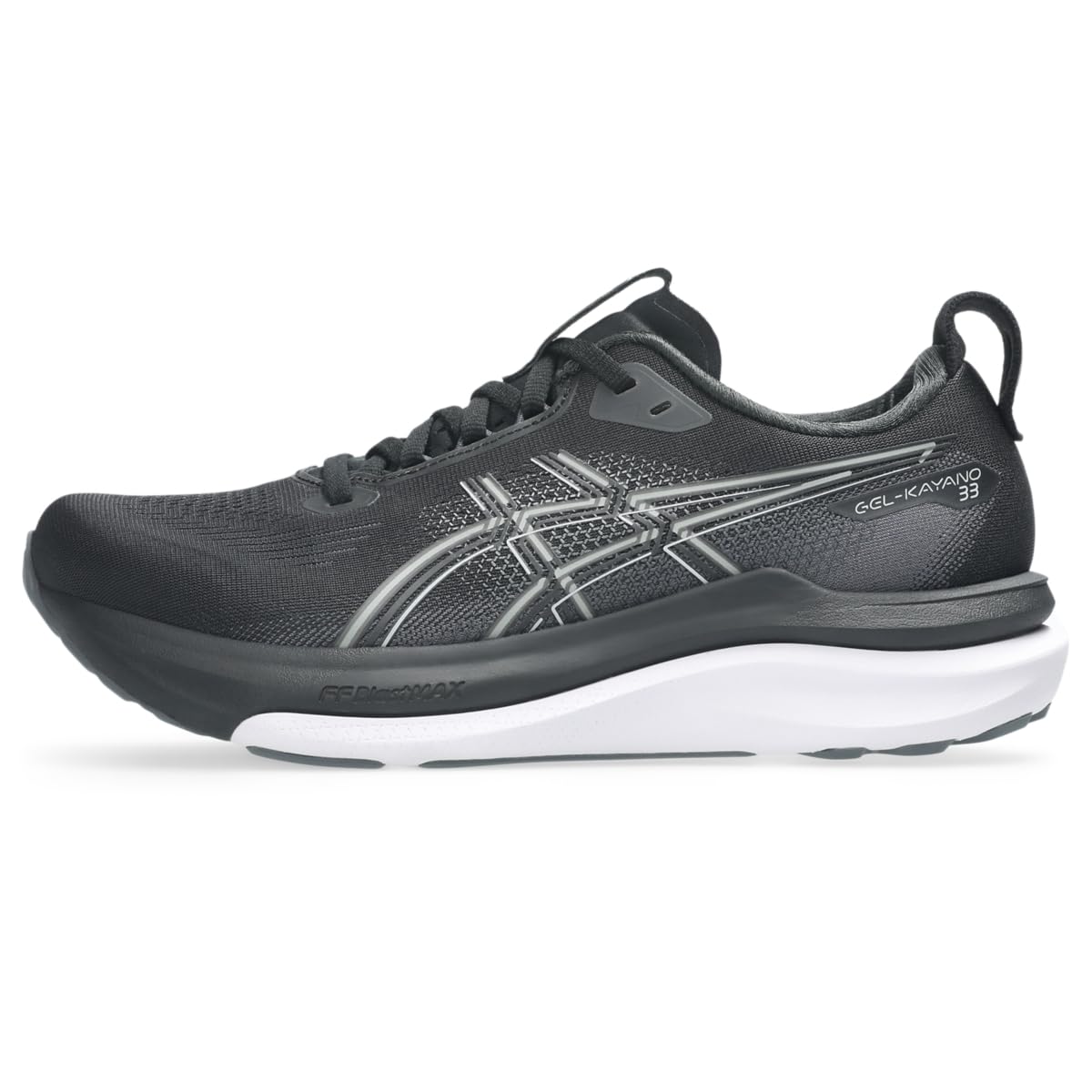
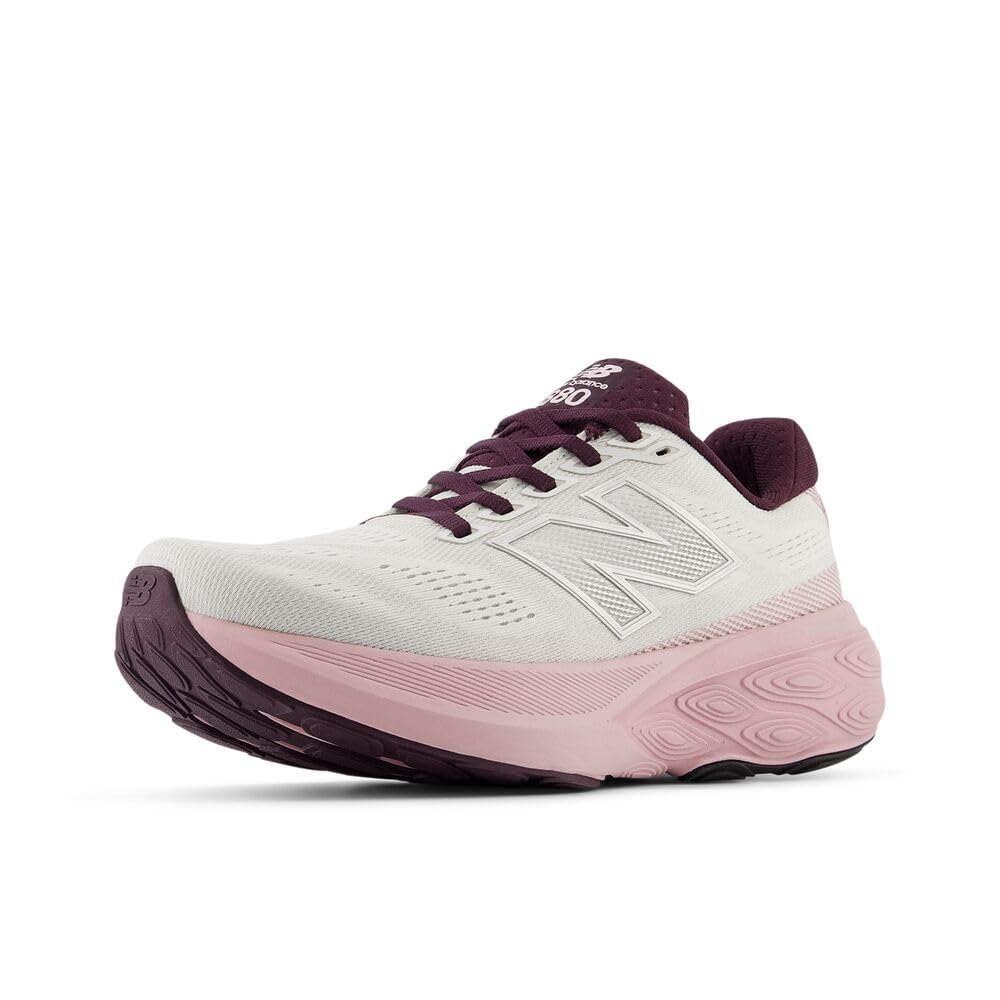
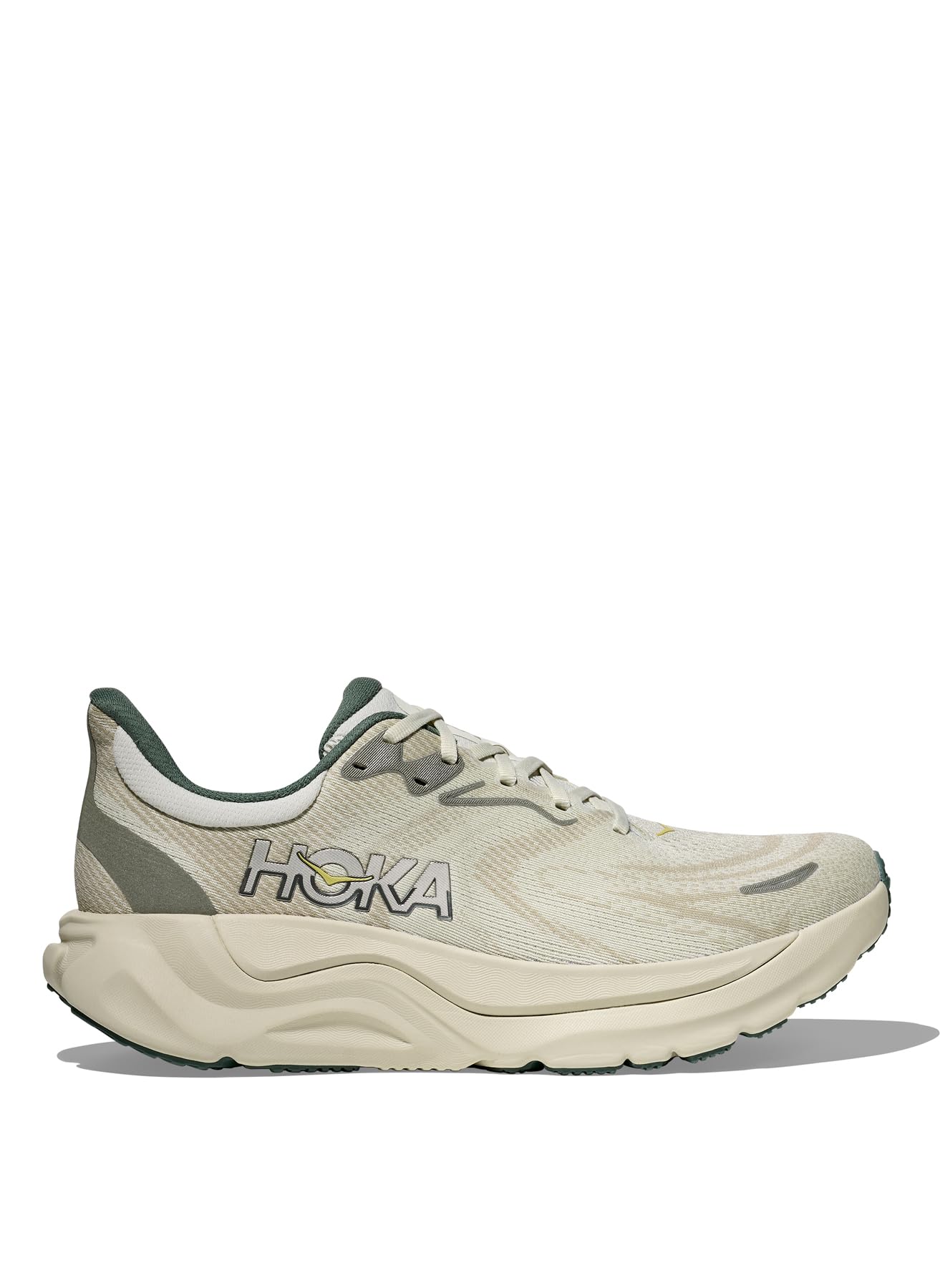
The product table lists stability and cushioned shoes for men and women from several makers. This guide gives buying information only. If you have ongoing foot pain, talk with a podiatrist or clinician about what suits your feet.




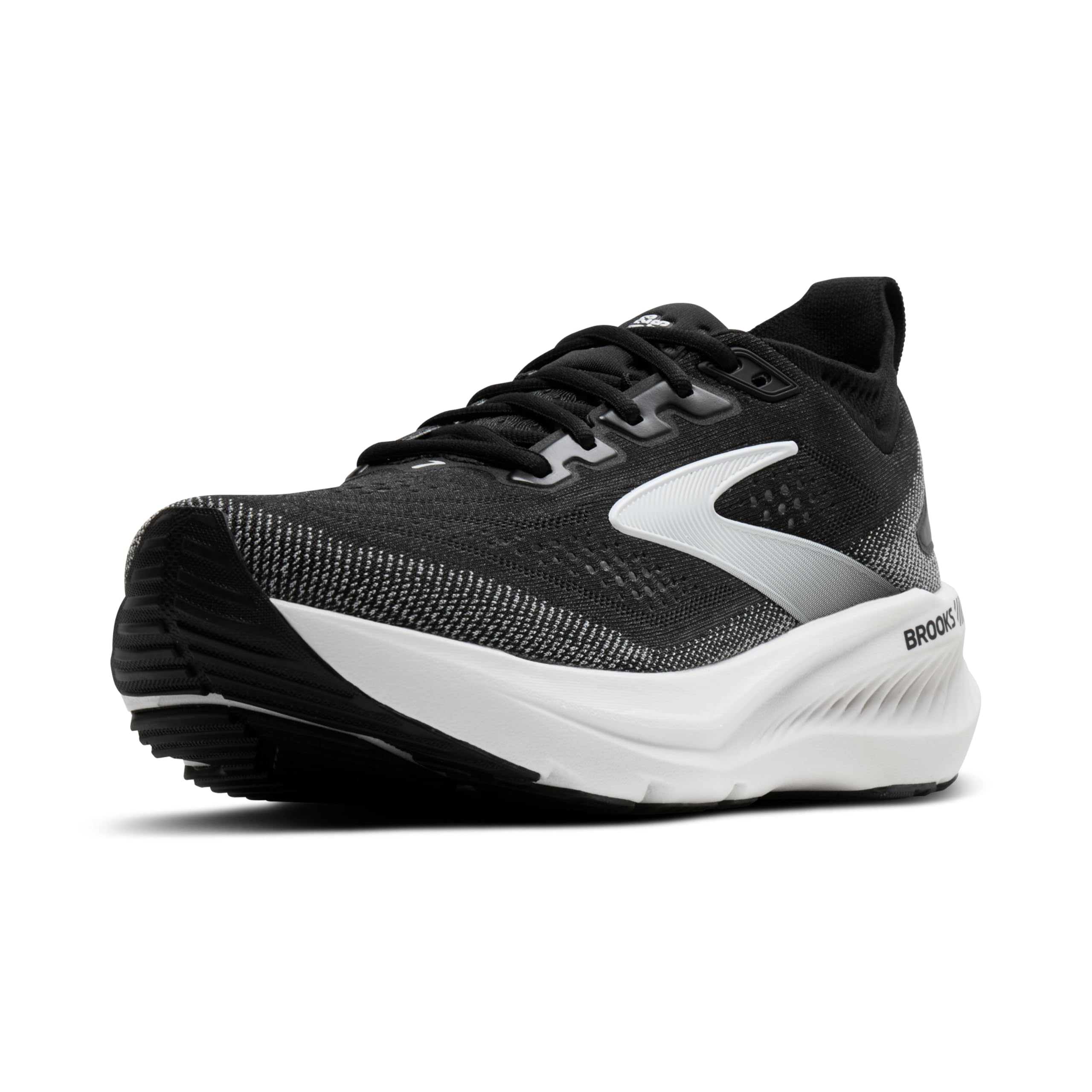
Who Is This For?
It is for walkers, runners and gym goers whose arches sit low or relax inward when they move. If you fit more than one group, rank your needs and let the top one decide, since no single shoe is perfect for every use. Write down your top three needs before shopping to avoid impulse choices.
Key Features Explained
Arch support
A shaped midsole and insole help the arch hold its position instead of rolling inward with every step. Support should contact the arch comfortably without pressing into it. If an insole feels intrusive, look for a model with a removable insole so you can swap in your own.
Heel stability
A firm heel counter keeps the heel upright and helps the ankle stay steady on uneven ground. Press the back of the shoe: a stiff cup that holds its shape is a good sign.
Cushioning that lasts
Foam that stays supportive through a long walk matters more than foam that feels plush for five minutes. A balance of cushion and a firm base usually suits flat feet best.
Room in the toe box
Toes need space to spread, especially when feet swell a little during longer sessions. Check width options if your feet are broad.
Types Compared
| Type | Best For | Typical Price |
|---|---|---|
| Stability trainers | Daily walking and easy running | about $90 to $160 |
| Neutral cushioned shoes | Short walks and light training | about $70 to $130 |
| Motion control shoes | Feet that roll inward strongly | about $110 to $180 |
| Trail trainers | Paths and mixed surfaces | about $100 to $170 |
Prices vary by brand and season. A lower price is a good deal only if the type still meets your main need.
Fit and First Checks
Try shoes late in the day when feet are a little larger, and walk for several minutes on a hard floor. Leave a thumb width of space in front of your longest toe and make sure the heel does not slip. At home, test the shoes in your real routine for several days while the return window is open.
Replace running shoes at roughly 300 to 500 miles, or sooner if the inner heel is wearing down unevenly or the foam feels flat.
Warning Signs
Seek advice if you notice sharp pain, swelling that does not settle, numbness or tingling. These signs can point to problems that shoes alone will not fix. If you are unsure whether a symptom matters, ask a clinician.
Common Mistakes to Avoid
- Choosing only on softness. Cushion alone does not guide a flat foot.
- Buying too narrow. Flat feet often spread more.
- Ignoring wear patterns. Extra wear on the inner heel is a clue to look for stability.
- Skipping the trial. Walk before you commit.
For more reading, see our guides to the best athletic shoes for flat feet womens, the best athletic shoes for arch support and the best athletic shoes for high arches.
Frequently Asked Questions
Do flat feet need stability shoes?
Many people with flat feet like them, but comfort decides. Try both stability and neutral options and notice how your feet feel after a walk.
Can I use my own insoles?
Often yes. Choose a shoe with a removable insole and enough volume to hold an insert comfortably.
How should the shoe fit?
Secure at the heel and midfoot, with room for toes to spread and no pressure along the arch or sides.
How long is the break in period?
Plan on a few short outings over the first week. Stop if you feel sharp pain or numbness.
When should I see a professional?
If pain persists, worsens, or comes with swelling or numbness, talk with a clinician or podiatrist.
Final Thoughts
Choose steady support, a comfortable arch fit and enough forefoot room, and build wear time gradually. Compare options in the product table above, and the best athletic shoes for flat feet will feel steady from the first walk.


