
Best Athletic Shoes for High Arches 2026 Buying Guide
Disclosure: We may earn a commission when you buy through links on this page, at no extra cost to you. As an Amazon Associate I earn from qualifying purchases. Learn more

Compare athletic shoes for high arches by cushioning, arch shape, and shock absorption. Find a pair that spreads pressure and keeps training comfortable.
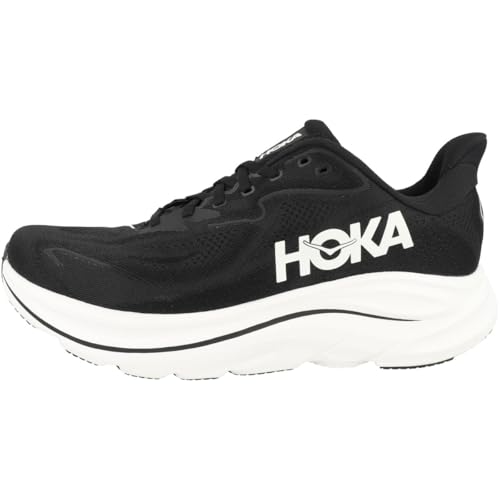
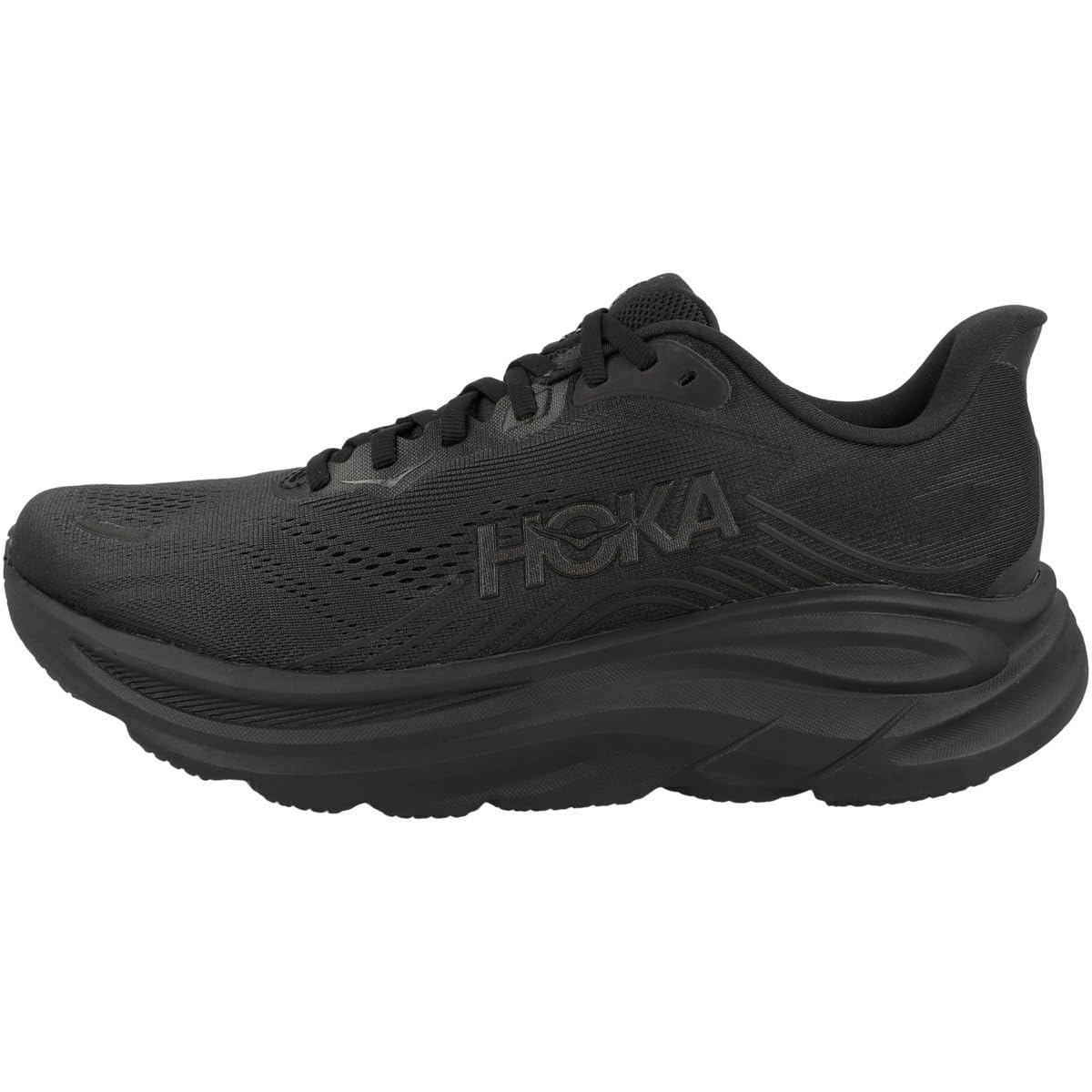
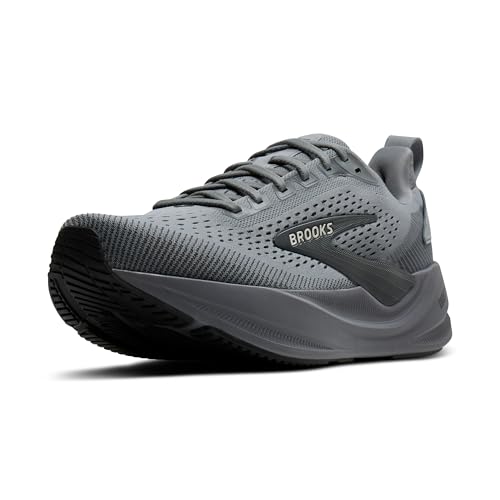
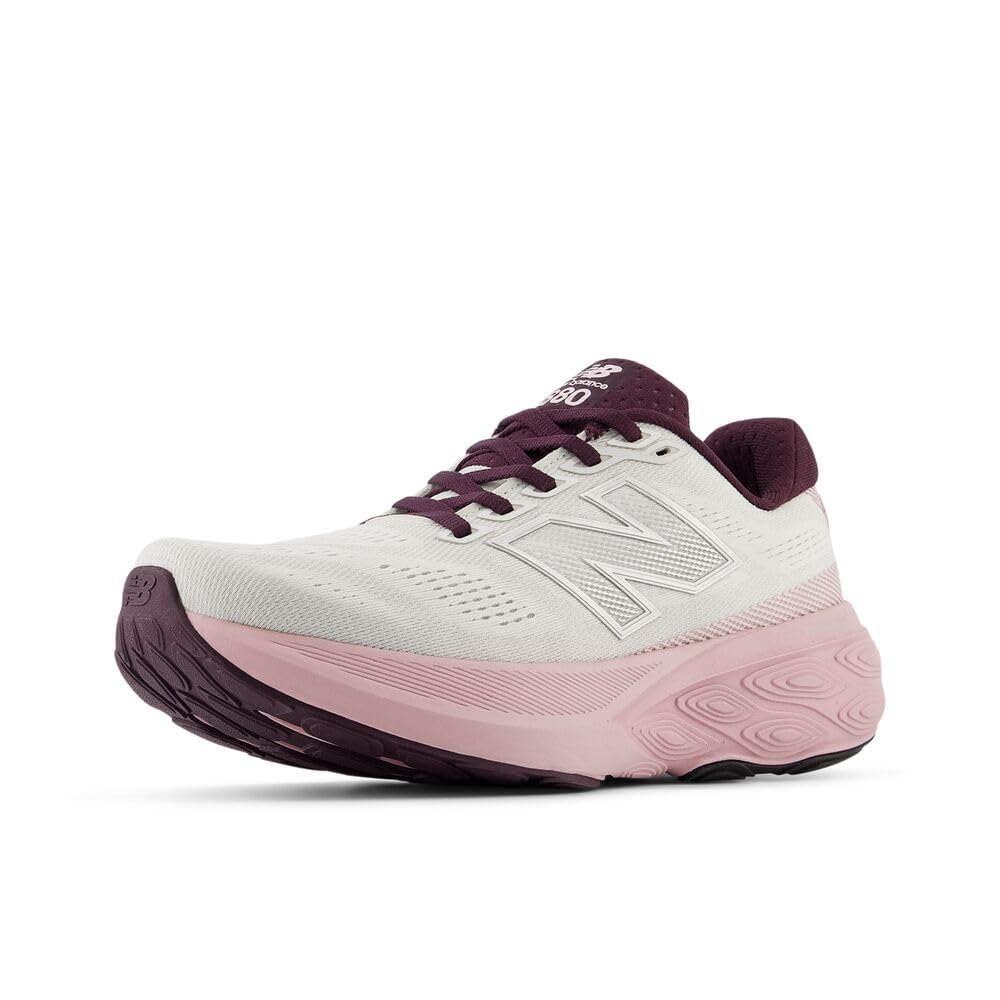
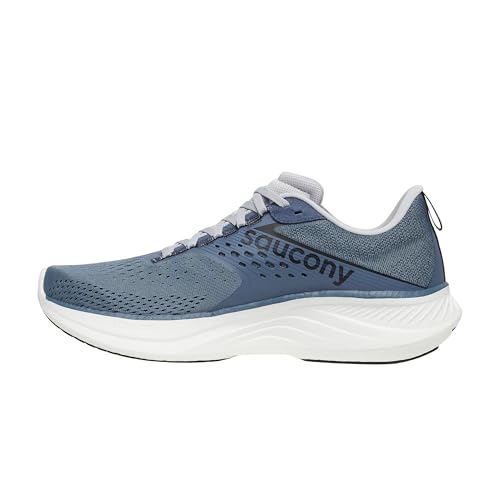
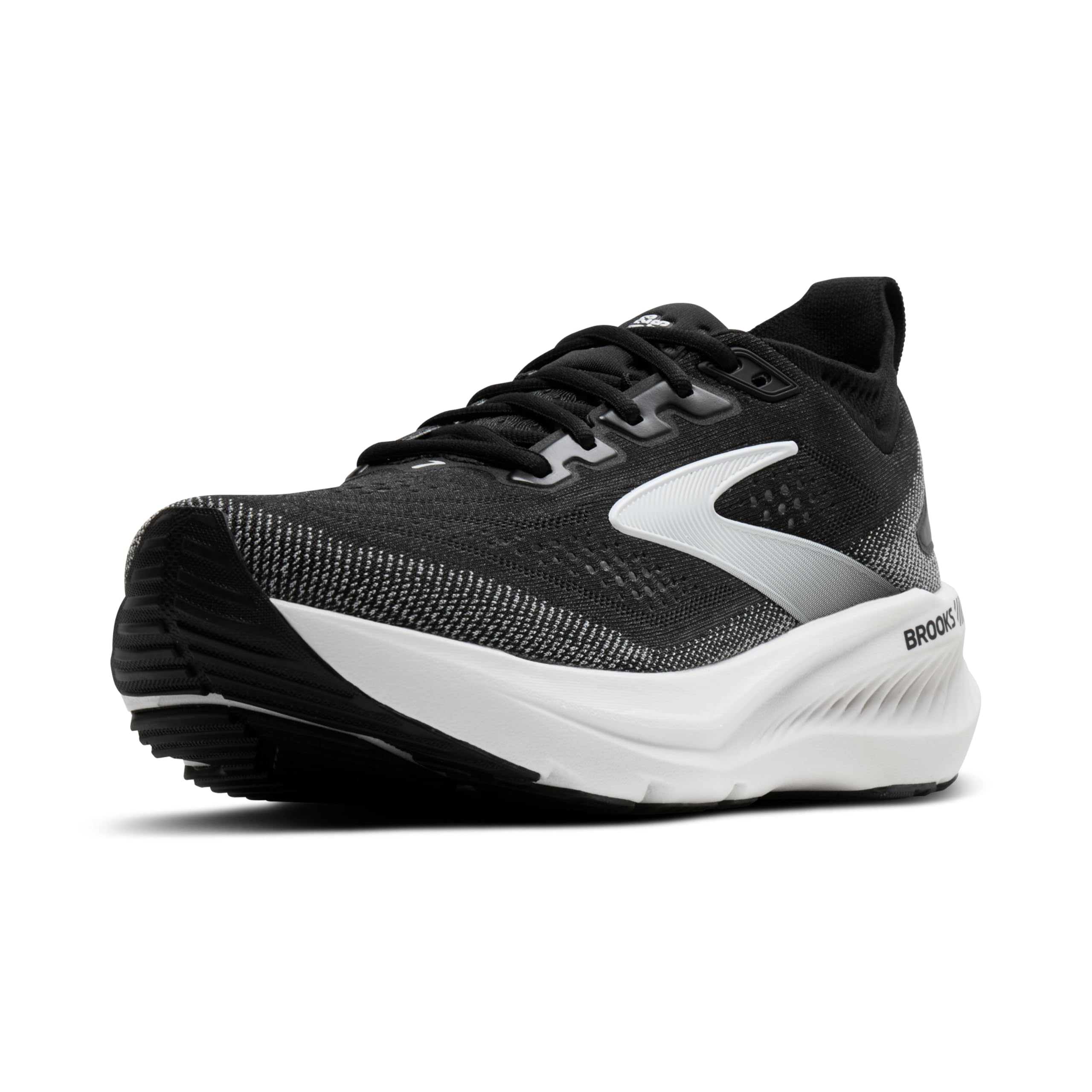
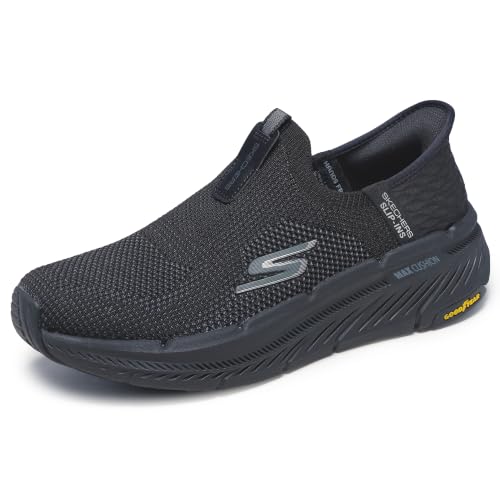
Choosing best athletic shoes for high arches is about pressure, not just softness. A high arch leaves a smaller contact area with the ground, so impact concentrates under the heel and the ball of the foot. The right shoe spreads that load with shaped cushioning and a supportive insole. The product table below lists cushioned options.
Many runners with high arches are told to buy the softest shoe available, but softness alone can feel unstable. What matters is cushioning that compresses evenly and rebounds, plus an insole that fills the arch gap without pressing hard. The sections below explain how to judge both.



Why High Arches Need Special Cushioning
High arches tend to be rigid, which means the foot absorbs less shock naturally. Each step sends more impact through the heel and forefoot, so impact can feel harsher after longer sessions. Cushioned midsoles and shaped insoles help by spreading force across a wider area.
Look for shoes described as neutral cushioned rather than heavily corrective. Strong inward guidance suits low arches, while high arches usually need room to move naturally with good shock absorption. A shoe that fights your natural gait can feel awkward and tiring.
Insole Shape and Midsole Feel
A contoured insole that touches the arch gently helps distribute pressure. Press the insole with your hand to feel whether the arch area is raised and smooth rather than hard and abrupt. Removable insoles are a plus, since you can swap in a shape that fits better.
Midsole foam should feel even from heel to toe. Soft heel cushioning protects landing, while forefoot cushioning protects push off. If one zone feels dead while another feels springy, the shoe may fatigue your feet unevenly over distance.
Fit Details That Matter More
High arches often come with a higher instep, so check the lacing area and tongue. A shoe that pinches across the midfoot will hurt long before the cushioning matters. Skip eyelets or use a window lacing pattern if pressure sits on the top of the foot.
Width matters too, since a narrow shoe squeezes the forefoot and increases pressure points. Try the shoe with your training socks and walk briskly, not just standing still. Any hot spot in the shop will grow worse after a mile.
Training Use and Rotation
Use cushioned trainers for most runs and workouts, and keep firmer shoes for short gym sessions if you like them. Rotating two pairs lets foam recover and gives you a comparison if one pair starts to feel flat. Track mileage roughly, since cushioning fades gradually.
Strength and flexibility work for feet and calves supports any shoe choice. Calf raises, toe spreads, and gentle stretching help the foot handle load better. These habits do not replace good shoes, but they make good shoes work better.
Warning Signs to Watch
Talk with your clinician if you notice persistent foot or ankle pain, swelling, numbness, stress fractures, or pain that changes your gait. High arches can be linked to conditions that need assessment, and early advice prevents small problems from growing. Shoes support comfort, but they do not treat medical conditions.
Replace shoes when cushioning feels flat, the heel tilts outward, or soreness returns after previously comfortable runs. The product table above recaps the cushioning styles covered here.
Related Buying Guides
For more detail, see our guides to the best shoes for high arches, the best running shoes for high arches and the best shoes for high arches women.
Before You Buy Checklist for High Arch Shoes
High arches need cushioning that spreads pressure rather than strong inward guidance. Use this checklist to avoid shoes built for the opposite foot type.
- Cushioning described as neutral rather than heavily corrective
- Insole arch area raised smoothly, not hard and abrupt
- Midsole feels even from heel to toe without dead zones
- Midfoot lacing does not pinch across a high instep
- Width allows the forefoot to spread without squeezing
- Shoe tested with a brisk walk, not just standing still
- Surface matched, whether road, trail, track, or gym
- Replacement planned when cushioning feels flat or soreness returns
Keep this list for future purchases too, since your arch needs stay fairly stable over time.
Common Mistakes to Avoid
- Choosing maximum softness without stability. Very soft foam compresses unevenly and can bottom out.
- Ignoring the insole. Many stock insoles are flat, so check the arch area and swap it if it feels wrong.
- Using one pair for every activity. A soft trainer may feel wobbly for lifting.
Frequently Asked Questions
Do high arches need stability shoes?
Most high arches do better in neutral cushioned shoes than in strong stability models. Stability features guide inward rolling, which high arches rarely need. A neutral shoe with good cushioning lets the foot move naturally while absorbing shock.
Should I use a custom insole for high arches?
A shaped ready made insole often helps by filling the arch gap and spreading pressure. Custom insoles suit persistent pain or unusual shapes and need a professional fitting. Try a quality ready made option first and judge it over several weeks.
Are soft shoes always better for high arches?
Not always, since very soft foam can feel unstable and bottom out under heavier runners. The best feel is cushioned yet stable, with even compression and rebound. Test the shoe with a brisk walk and a short jog rather than judging by hand feel alone.
What socks help with high arch comfort?
Cushioned running socks with arch bands add gentle support and reduce friction. They work best as a complement to a good shoe, not as a fix for a poor fit. Choose socks that match your training length and wash them without fabric softener for lasting cushioning.
How often should I replace cushioned trainers?
Most cushioned trainers last about 300 to 500 miles, depending on weight, surface, and foam type. Heavier runners and hard surfaces wear foam faster. Replace them when soreness returns or the midsole feels flat and uneven.
Final Thoughts
Seek even cushioning, a gentle arch fill, and a fit that never pinches the midfoot. With those checks, best athletic shoes for high arches becomes a practical search rather than a guess.


