
Best Athletic Shoes for Arch Support: A Complete Guide for 2026
Disclosure: We may earn a commission when you buy through links on this page, at no extra cost to you. As an Amazon Associate I earn from qualifying purchases. Learn more

Learn how to choose athletic shoes for arch support by arch height, stability, cushion and fit for daily walking and training for first time buyers.
The right arch support depends on your arch height: too little can feel flat and tiring, while too much can feel uncomfortable. This guide explains how to choose the best athletic shoes for arch support by matching arch height, midsole stability, cushioning and fit to your walking, running and training.
The product table lists supportive and cushioned running and walking shoes from several makers. This guide gives buying information only. If you have ongoing foot pain, ask a podiatrist or clinician what suits your feet.

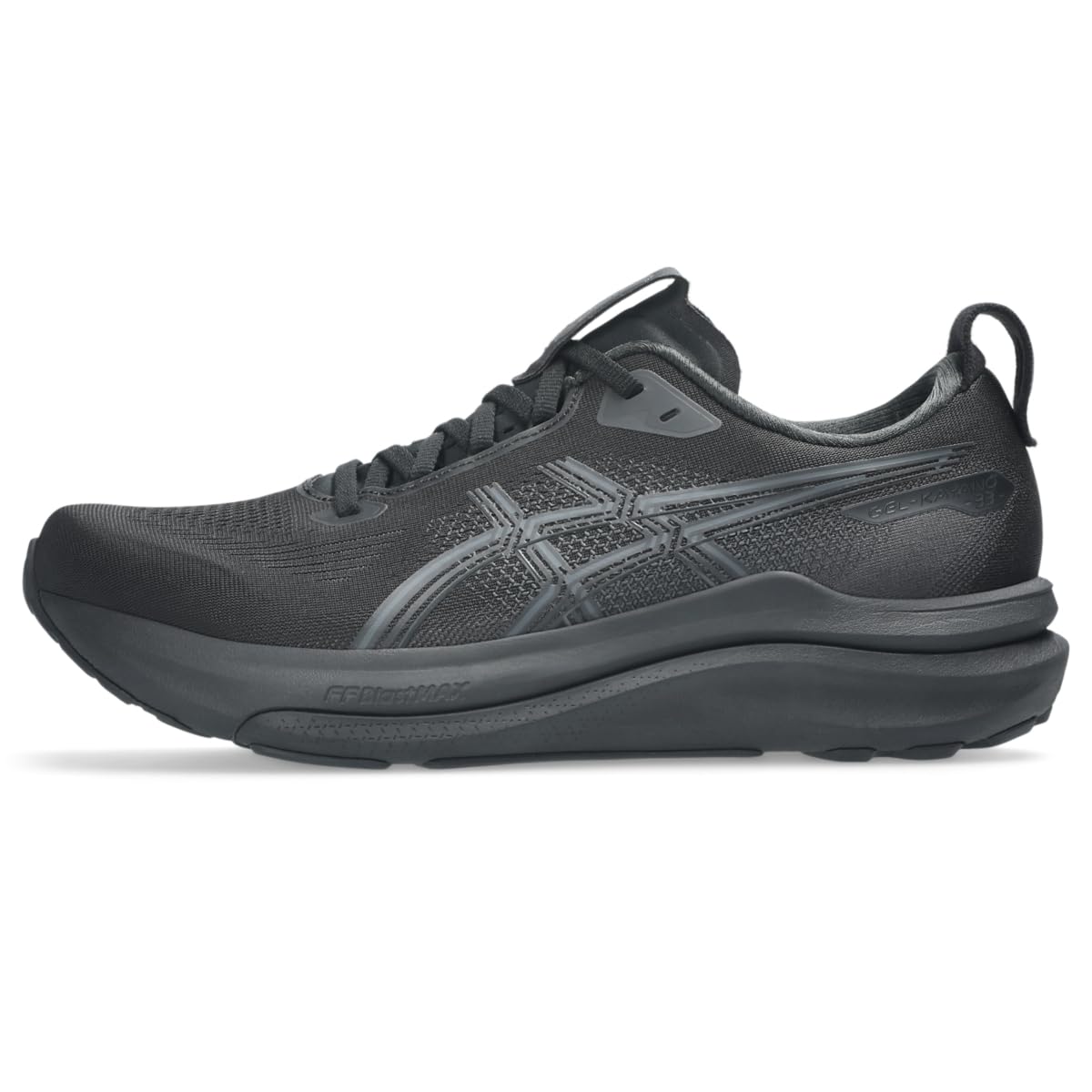
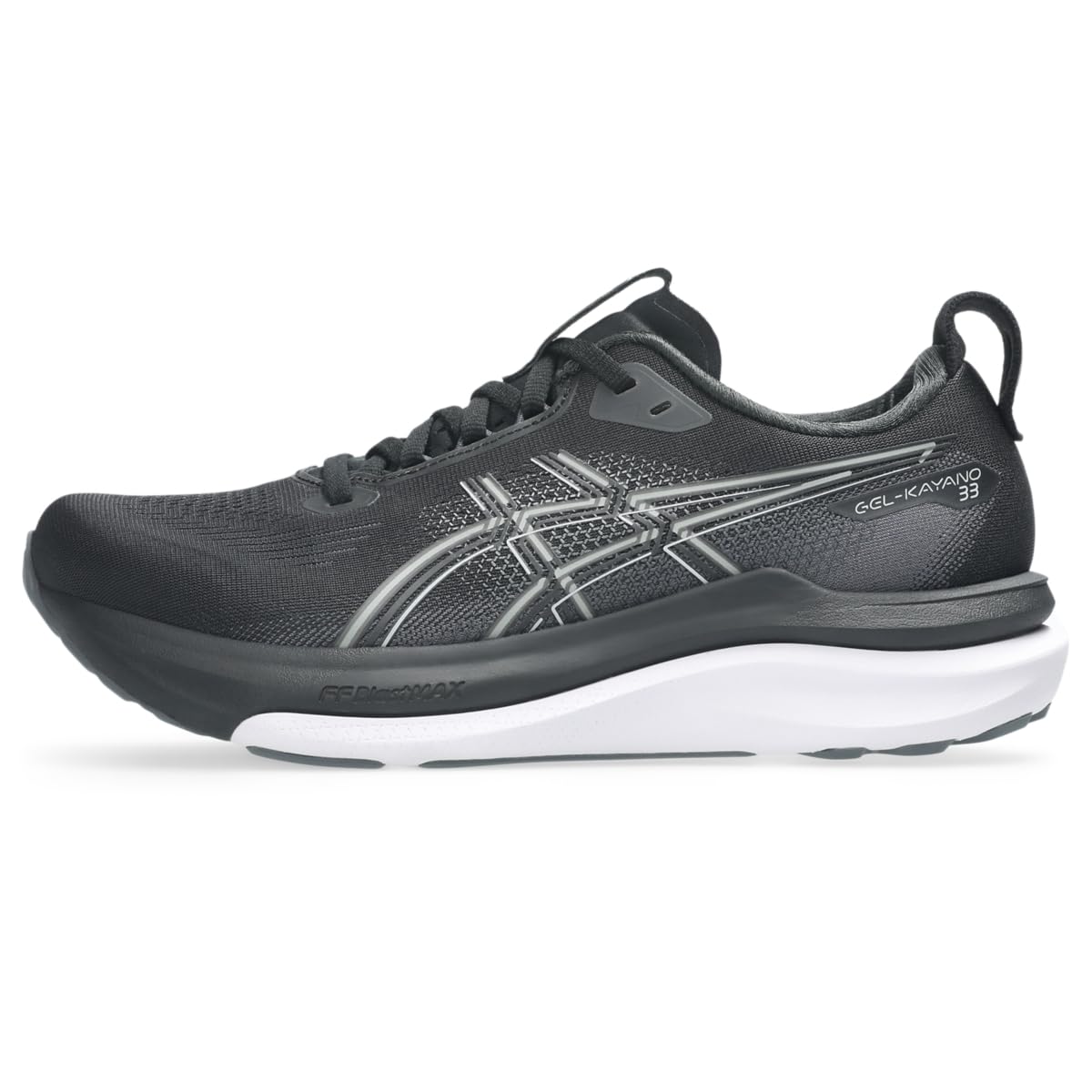
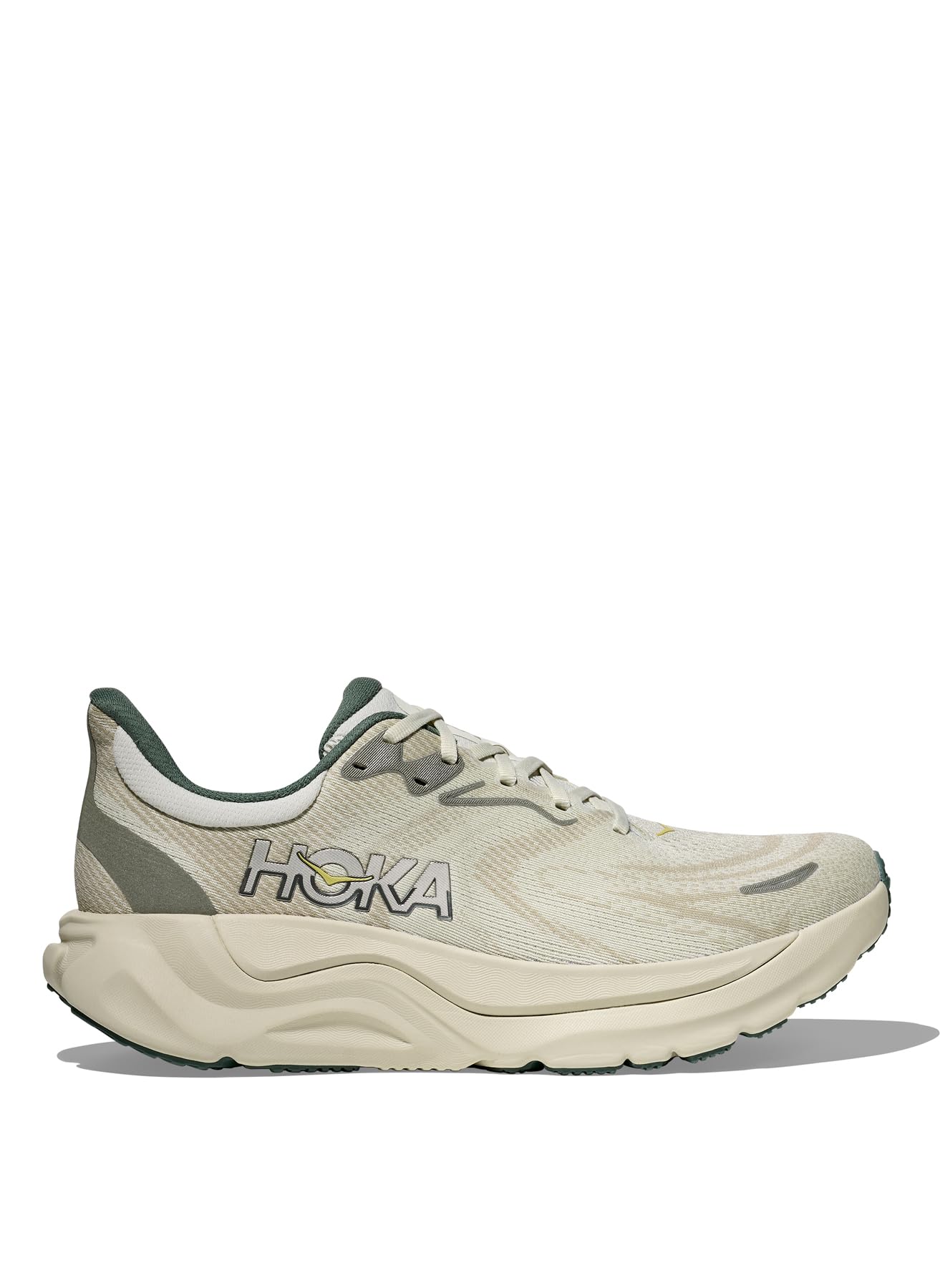


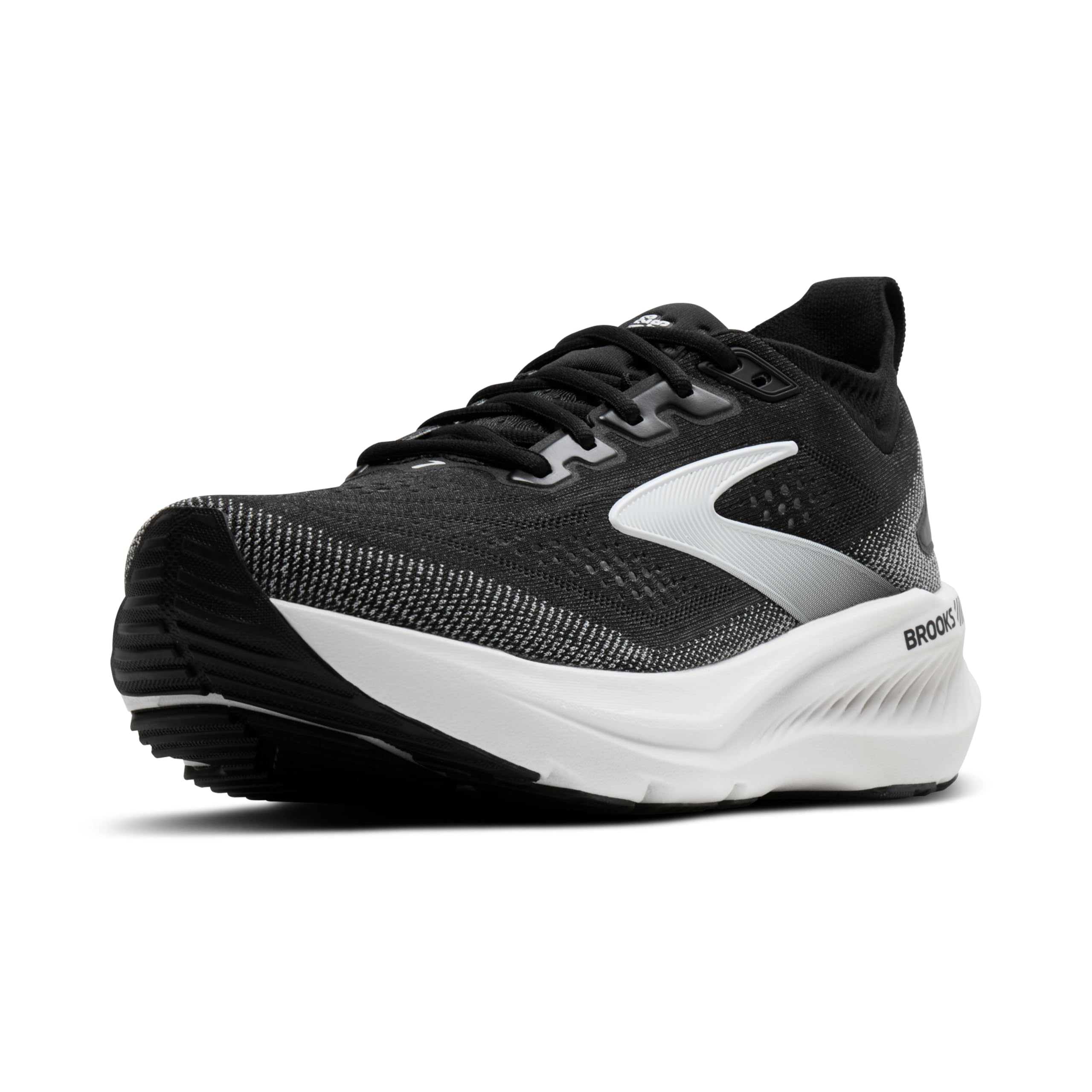
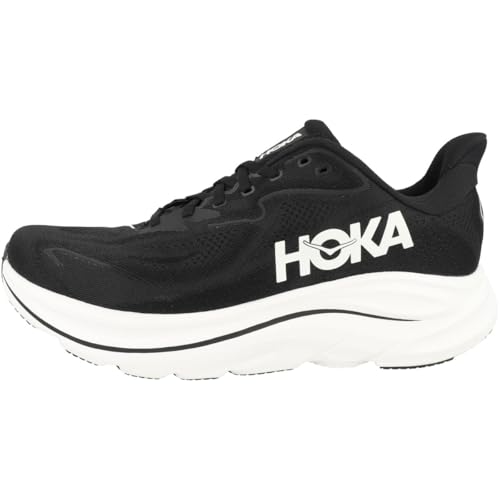
Which Arch Type Are You?
Low arches
If your wet footprint shows nearly the whole sole, your arches are low. Many people with low arches prefer stability shoes with a structured midsole and a firmer inner side that feels steady when the foot rolls inward.
Medium arches
A footprint with a clear but moderate curve suggests a neutral arch. Balanced cushioned shoes suit most walkers and runners here, and you have the widest choice.
High arches
A footprint with a very thin band through the middle suggests a high arch. High arches tend to prefer flexible, well cushioned shoes that absorb shock without forcing the foot flat.
A quick home check works fine: wet your foot, step on cardboard or a paper bag, and compare the print with the descriptions above.
Key Features Explained
Midsole stability features
Posts, guide rails and firmer foam on the inner side of the midsole limit excess rolling. Stability shoes are labeled as supportive, GTS or stability in many lineups.
Cushion type and firmness
Soft cushion alone is not the same as support. Firmness shapes the ride: a plush shoe can feel great for an hour and unstable on a long day, while a firmer base feels more planted.
Fit, width and insole options
Width and toe room matter as much as arch shape. Removable insoles let you swap in your own inserts, and a roomy toe box prevents the cramped feeling that makes any arch feel worse.
Flexibility and drop
Check how the shoe bends at the ball of the foot, and whether the heel drop suits your stride. Most daily trainers sit around 8 to 12 mm.
Types Compared
| Type | Best For | Trade Off |
|---|---|---|
| Stability shoes | Low arches, feet that roll inward, daily miles | Firmer feel, heavier |
| Neutral cushioned shoes | Medium arches, neutral stride | Less guidance if your foot rolls inward |
| Cushioned flexible shoes | High, rigid arches | Less structured support |
Fit Tips
Try shoes in the afternoon with the socks you wear most, and walk on a hard floor for several minutes. A good arch support feels supportive rather than intrusive, with no hot spots or pressure points. Leave a thumb width of space in front of your longest toe, and make sure the heel does not slip.
Build wear time over the first week, since a new shape can feel different. Replace running shoes at roughly 300 to 500 miles, or sooner if the foam feels flat.
Common Mistakes to Avoid
- Assuming more support is better. Choose support that matches your arch.
- Confusing soft with supportive. Cushion and support do different jobs.
- Skipping the width. A narrow fit can make any arch uncomfortable.
- Wearing worn shoes. Foam that has compressed no longer supports well.
For related reading, see our guides to the best women's athletic shoes with arch support, the best men's athletic shoes with arch support and the best athletic shoes for high arches. For warm weather, see the best athletic sandals arch support guide.
Frequently Asked Questions
How do I know my arch type?
The wet footprint test is a simple start. A shoe store or podiatrist can also assess your feet more closely.
Are insoles better than a supportive shoe?
They solve different problems. Insoles tune support inside a shoe, but they need a stable shoe with a removable insole and enough volume to hold them.
Do flat feet need stability shoes?
Many people with low arches like stability shoes, but comfort decides. Try both stability and neutral options and notice how your feet feel after a walk.
How long does a break in take?
Plan on a few short outings over the first week. Stop wearing shoes that cause sharp pain or pressure points.
When should I see a professional?
If pain persists, worsens or comes with numbness or swelling, talk with a clinician or podiatrist rather than relying on shoes alone.
Final Thoughts
Match support to your arch, check cushioning, width and fit, and build wear time gradually. Compare options in the product table above, and the best athletic shoes for arch support will feel steady and comfortable on long days.


