
Best Athletic Shoes for Flat Feet Womens: Types Explained for 2026
Disclosure: We may earn a commission when you buy through links on this page, at no extra cost to you. As an Amazon Associate I earn from qualifying purchases. Learn more

The best athletic shoes for flat feet womens balance stability, arch support and cushion. Learn how to judge fit for walking and the gym.
Flat feet need steady support that guides the foot without making the shoe feel rigid. This guide explains how to choose the best athletic shoes for flat feet womens shoppers can wear for walking, errands and the gym, by comparing stability, arch support, cushioning and fit.
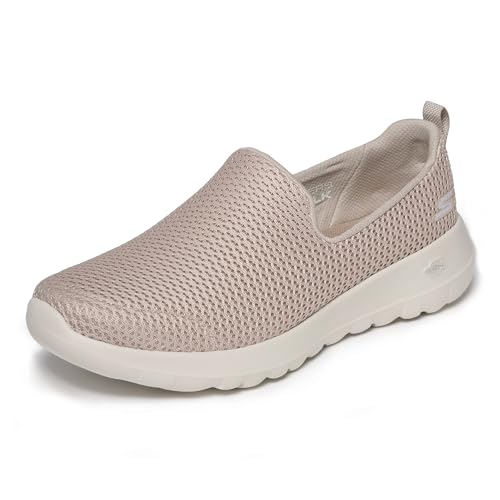
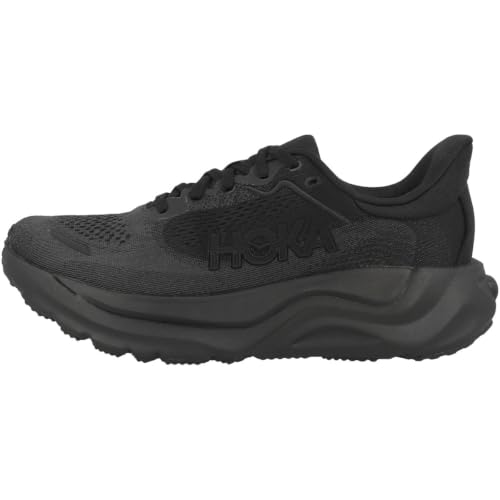
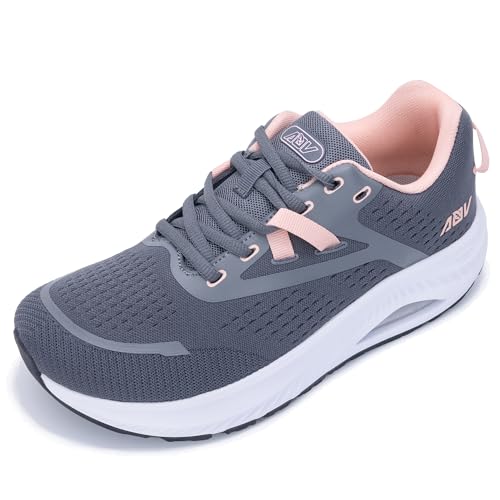
The product table lists women's stability and cushioned shoes from several makers. This guide gives buying information only. If you have ongoing foot pain, talk with a podiatrist or clinician about what suits your feet.

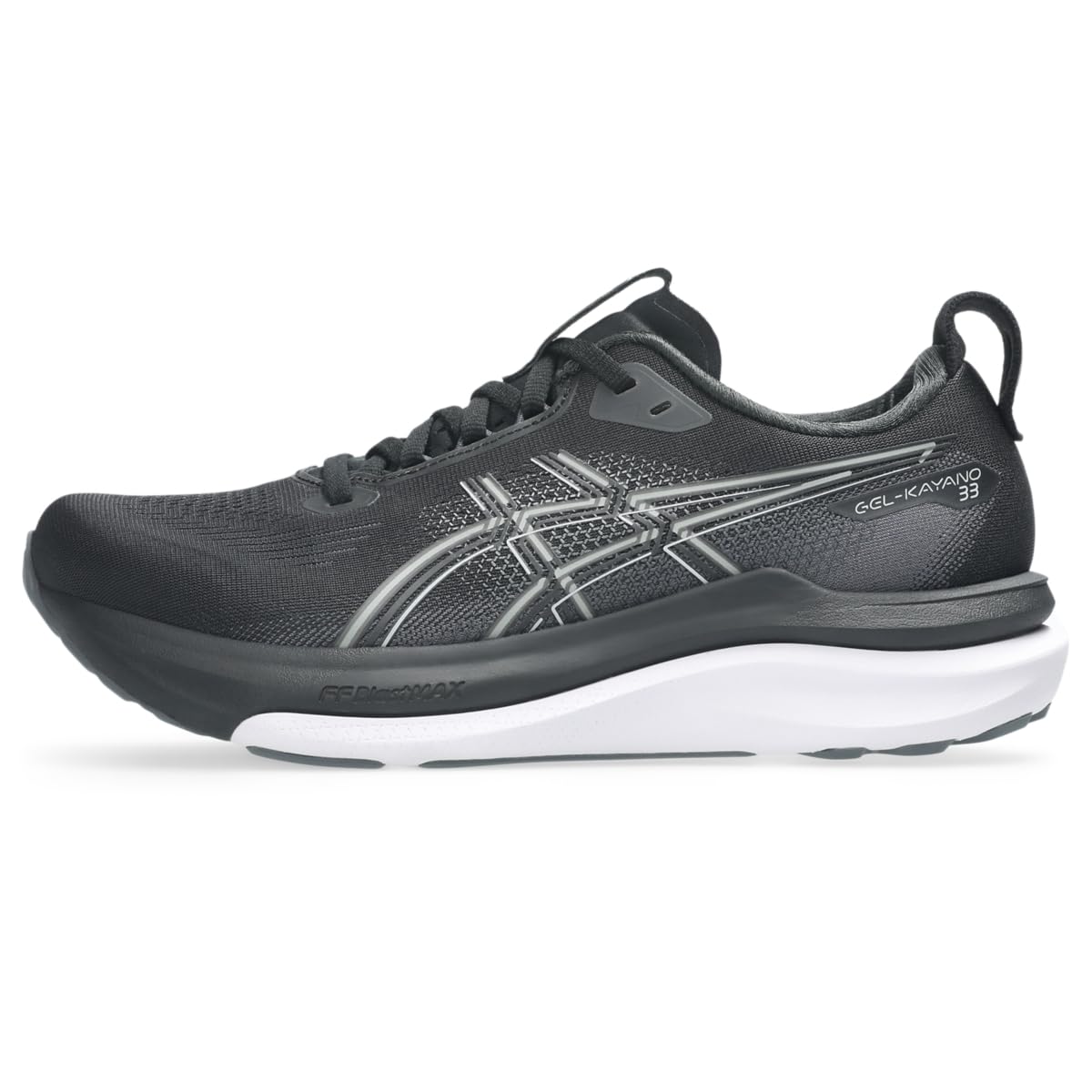
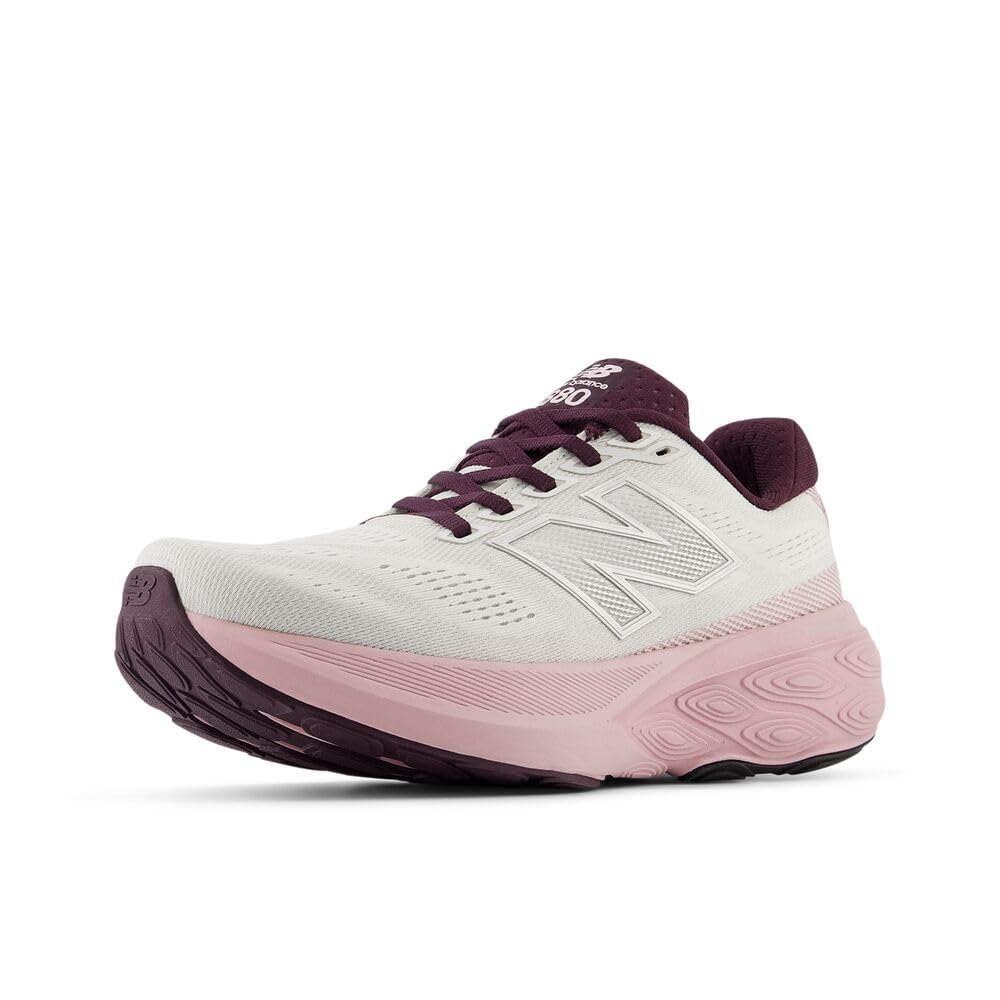
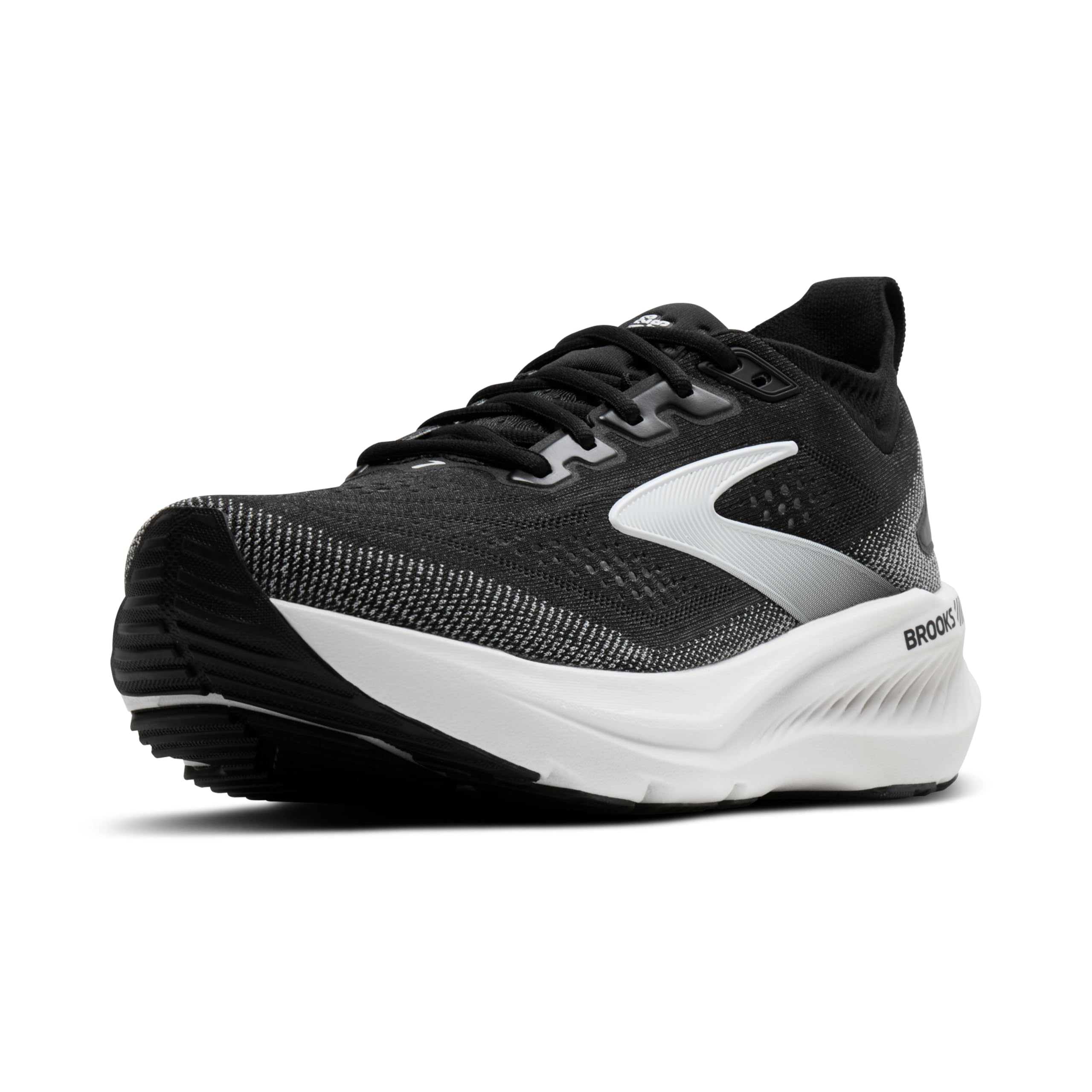

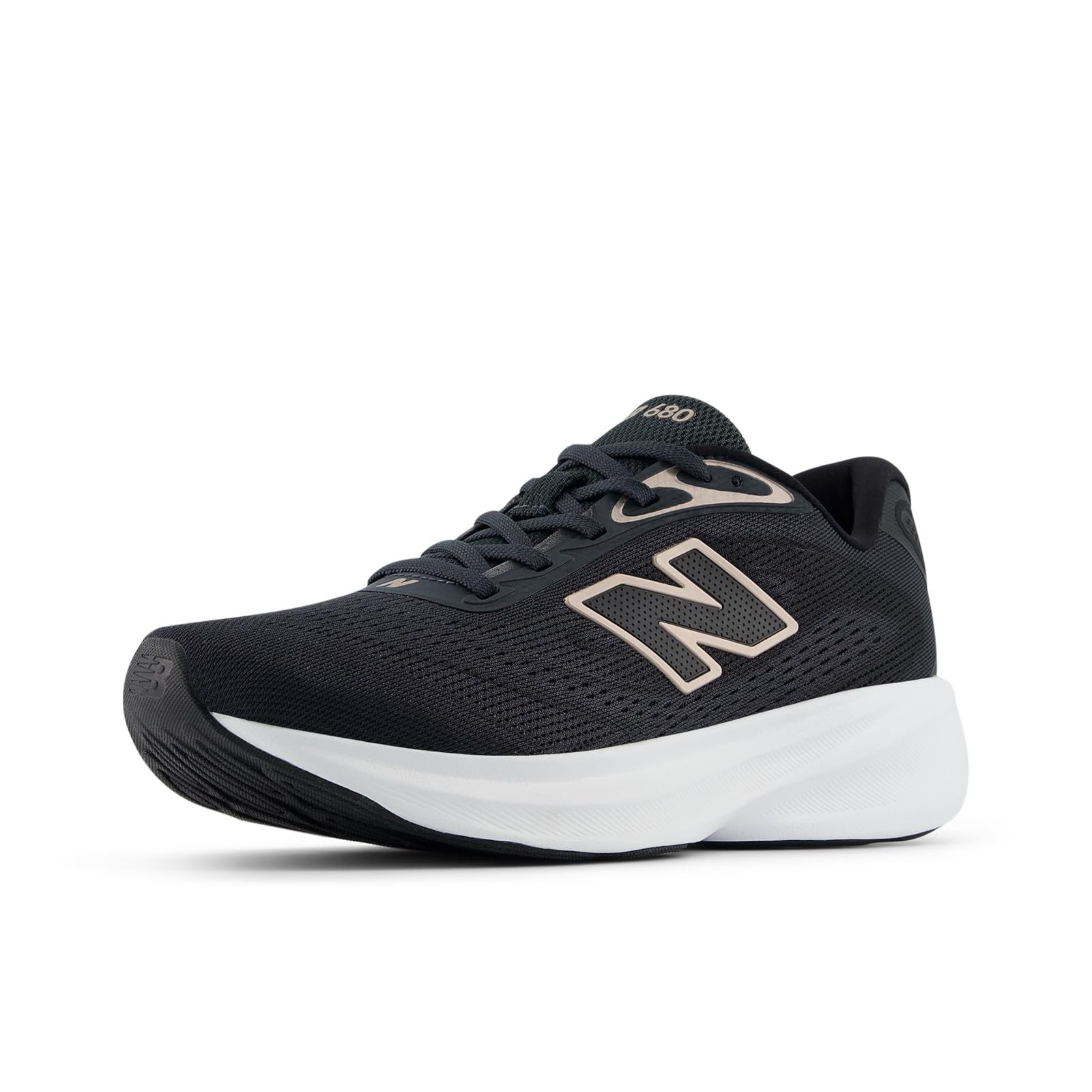

Which Description Fits You?
Women who walk daily
For errands, commuting and long days on sidewalks, look for a stable base, a firm heel counter and cushioning that does not collapse over hours. Try shoes on a hard floor, since carpet hides how the midsole feels.
Women who train in the gym
Strength work and classes involve side to side movement, so a wide, stable base and a snug midfoot matter more than soft bounce. A lower, flatter sole usually feels steadier for lifting.
Women with wide and flat feet
Wide flat feet need forefoot room as well as support. Look for wide width options and a roomy toe box with a secure heel and midfoot. Too much arch can feel as uncomfortable as too little.
Key Features Explained
Stability features
Firmer foam on the inner side of the midsole, guide rails or a post help steady a foot that rolls inward. Many lineups label these shoes as stability, supportive or GTS.
Arch support that feels natural
Support should contact the arch comfortably without pressing painfully into it. Try the insole alone: if it feels intrusive, look for a different shape or a model with a removable insole so you can swap in your own.
Cushioning and firmness
Cushion softens impact, while support guides the foot. A shoe that is plush but unstable can tire flat feet quickly. A balance of cushion and a firm base usually feels best on long days.
Fit and width
Measure in the afternoon and leave a thumb width of space in front of your longest toe. Flat feet often spread more, so check width options and avoid a narrow toe box.
Types Compared
| Type | Best For | Trade Off |
|---|---|---|
| Stability running and walking shoes | Daily miles, feet that roll inward | Firmer feel, a bit heavier |
| Neutral cushioned shoes with a stable base | Everyday wear, mild flat feet | Less guidance |
| Wide width walking shoes | Wide, flat feet, long standing | Fewer lightweight options |
Fit Tips and Care
Build wear time over the first week, and rotate two pairs if you walk daily so the foam can recover. Replace shoes when the cushioning feels flat or the inner heel wears down unevenly, which is often around 300 to 500 miles for running shoes. For more reading, see our guides to the best athletic shoes for flat feet, the best gym shoes for flat feet womens and the best tennis shoes for flat feet womens.
Common Mistakes to Avoid
- Choosing only on softness. Cushion alone does not guide a flat foot.
- Buying too narrow. Flat feet often need extra width.
- Ignoring wear patterns. Extra wear on the inner heel is a clue to look for stability.
- Skipping the trial. Walk for several minutes on a hard floor before you commit.
Frequently Asked Questions
Do flat feet need stability shoes?
Many women with flat feet like them, but comfort decides. Try both stability and neutral options and notice how your feet feel after a walk.
Can I use my own insoles?
Often yes. Choose a shoe with a removable insole and enough volume in the midfoot to hold an insert comfortably.
How should the shoe fit?
Secure at the heel and midfoot, with room for toes to spread and no pressure along the arch or sides.
How long is the break in period?
Plan on a few short outings over the first week. Sharp pain or numbness is a reason to stop and check the fit.
When should I see a professional?
If pain persists, worsens, or comes with swelling or numbness, talk with a clinician or podiatrist rather than relying on shoes alone.
Final Thoughts
Choose steady support, a comfortable arch fit and room for your forefoot, and build wear time gradually. Compare options in the product table above, and the best athletic shoes for flat feet womens will feel steady and comfortable on long days.


