
Best Asics Shoes for High Arches: Cushioning and Fit Guide
Disclosure: We may earn a commission when you buy through links on this page, at no extra cost to you. As an Amazon Associate I earn from qualifying purchases. Learn more

High arches need even cushioning and instep room. See how to choose the best asics shoes for high arches, with fit checks and warning signs.
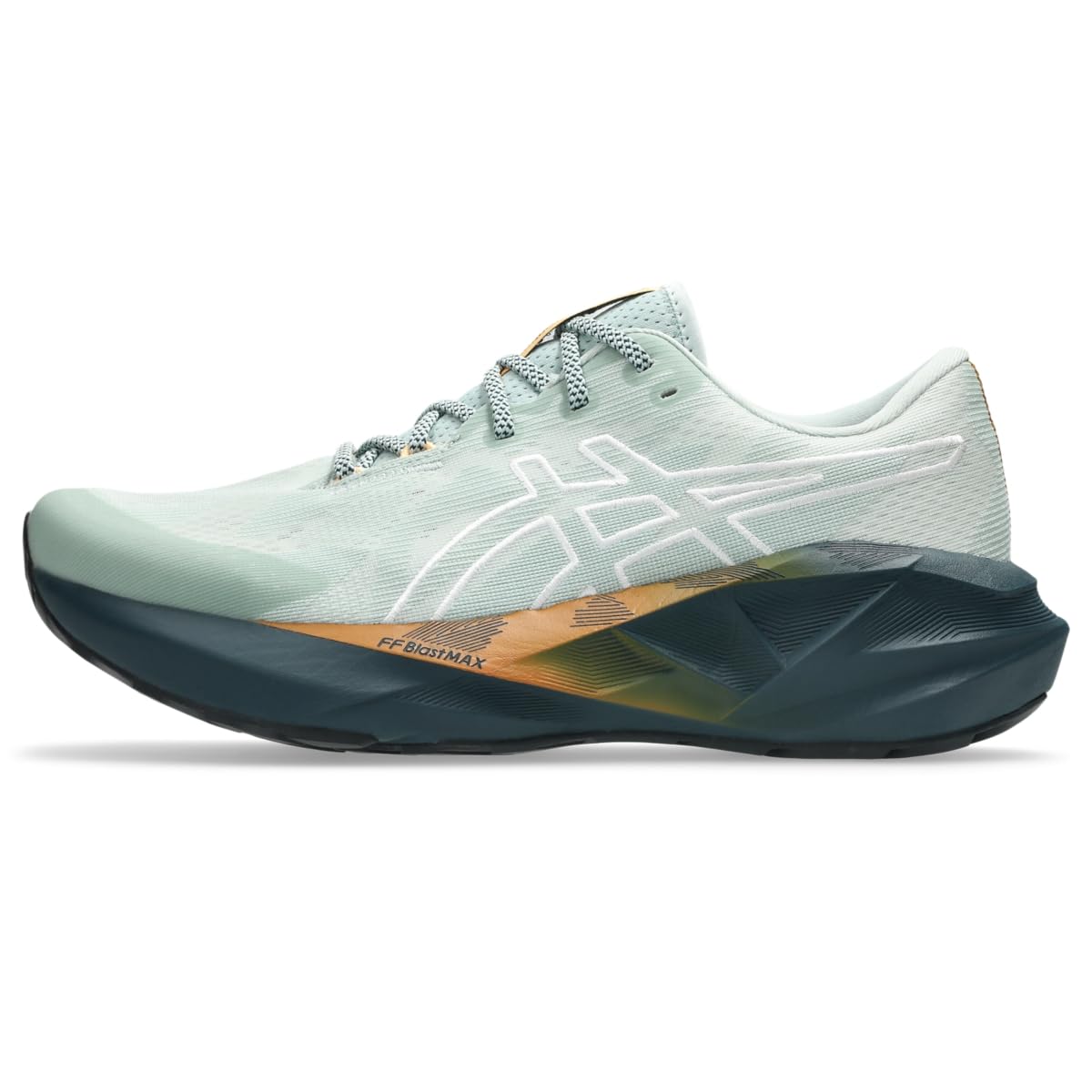
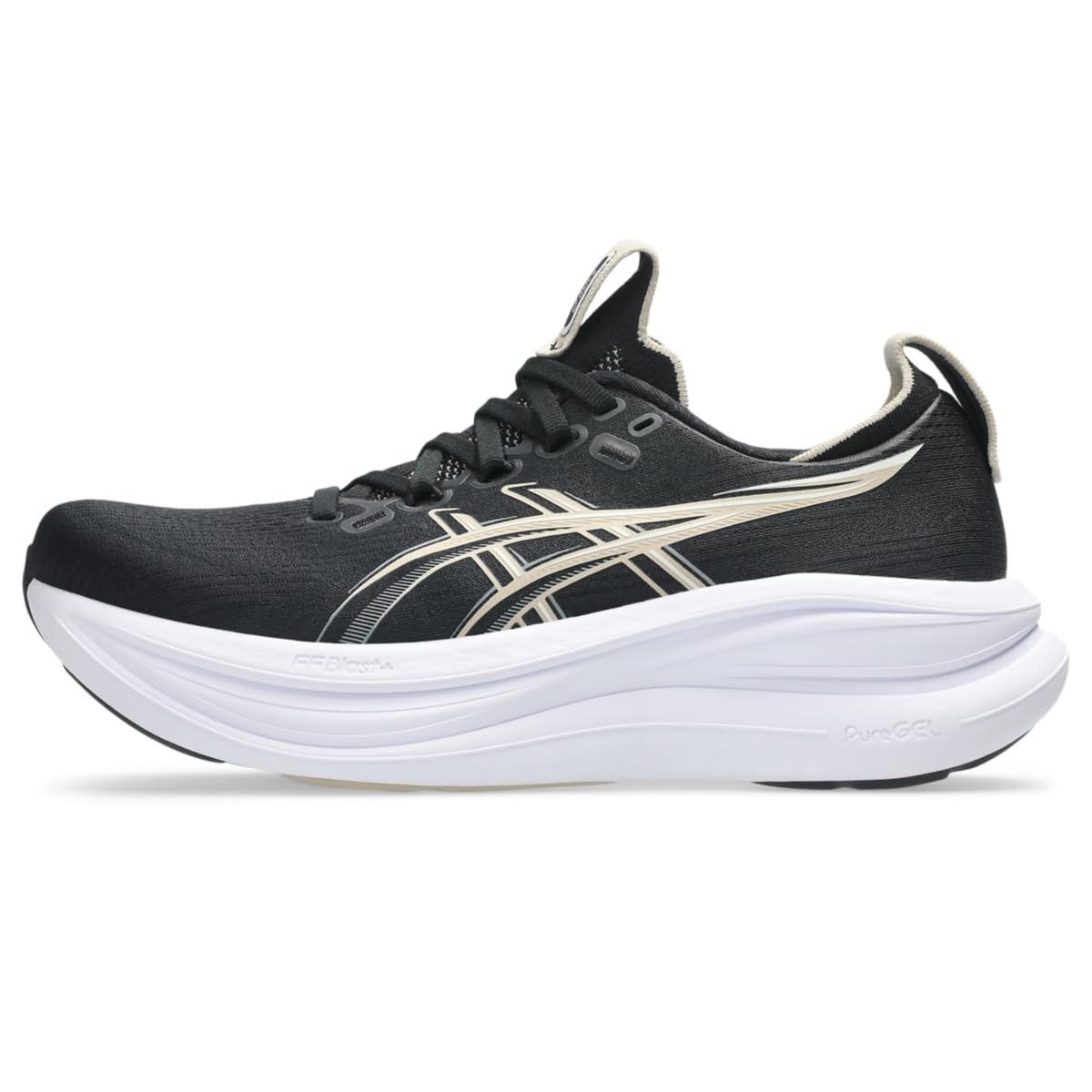
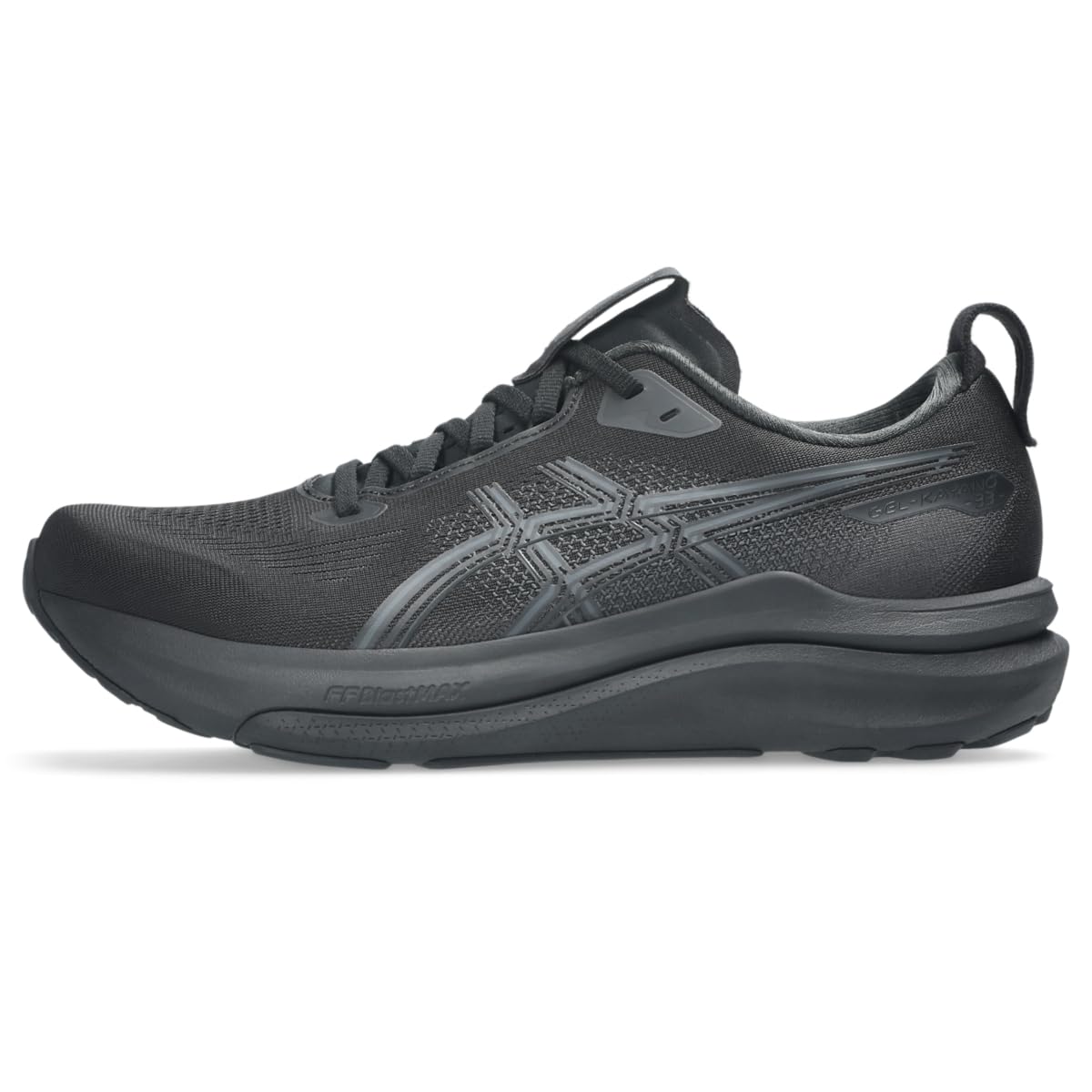
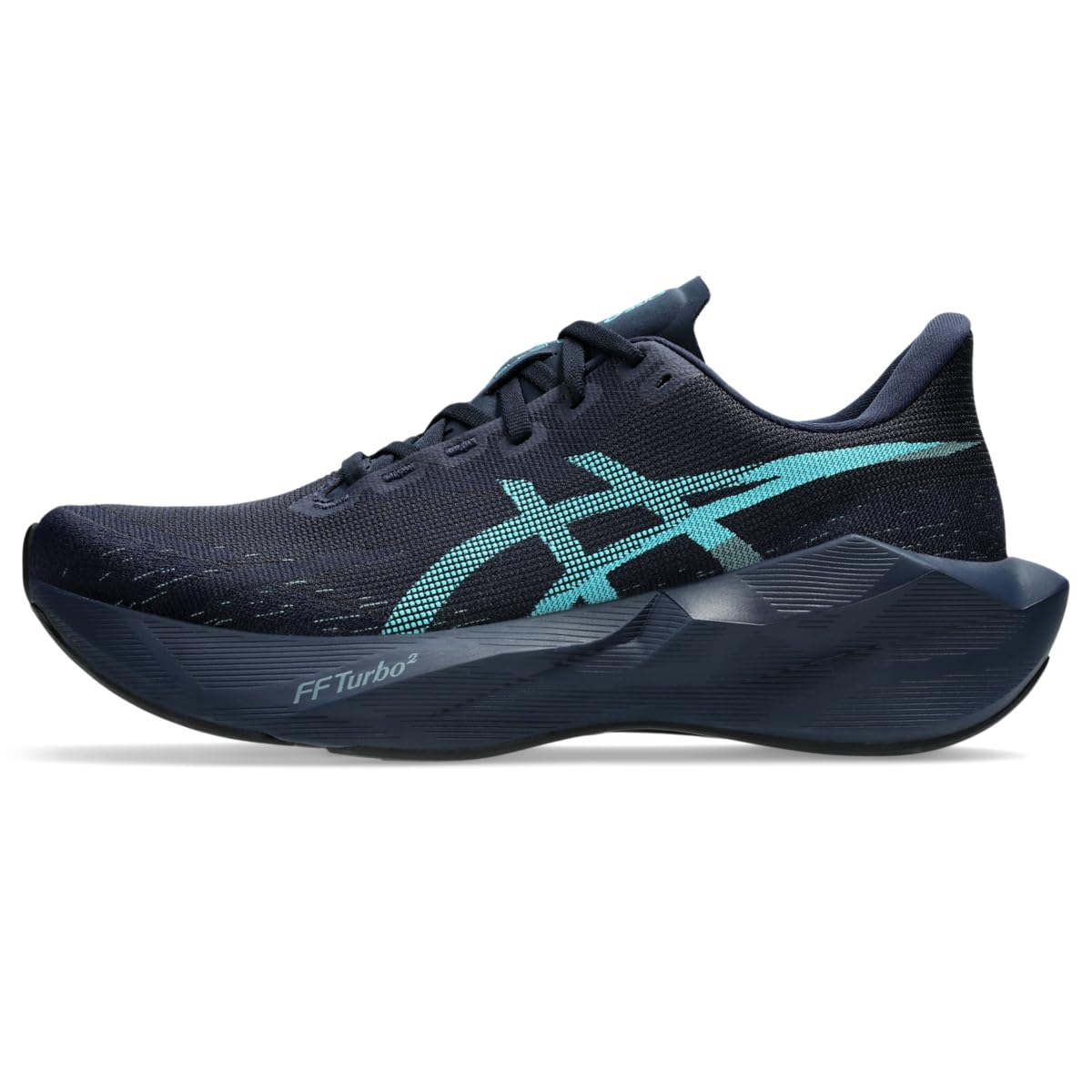
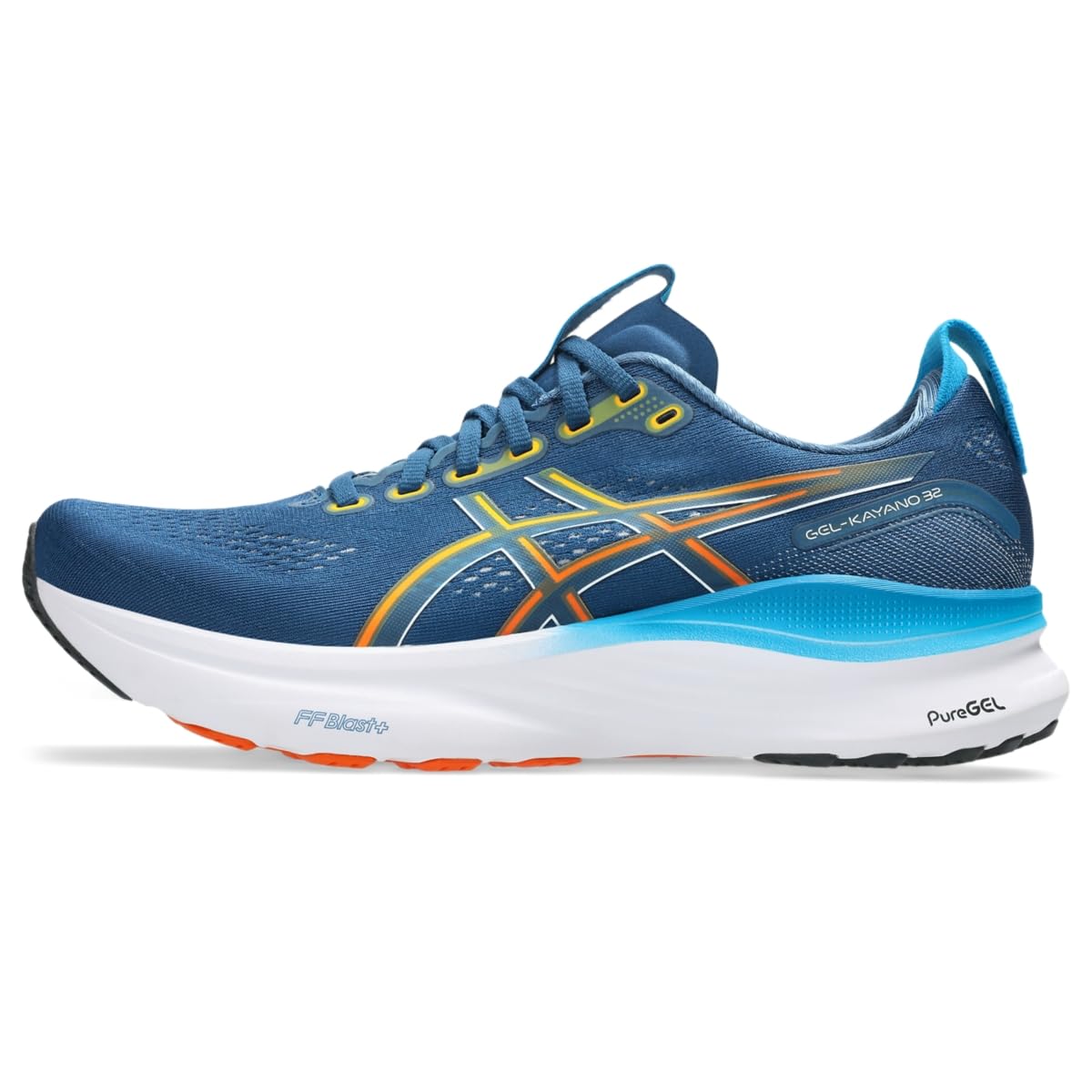
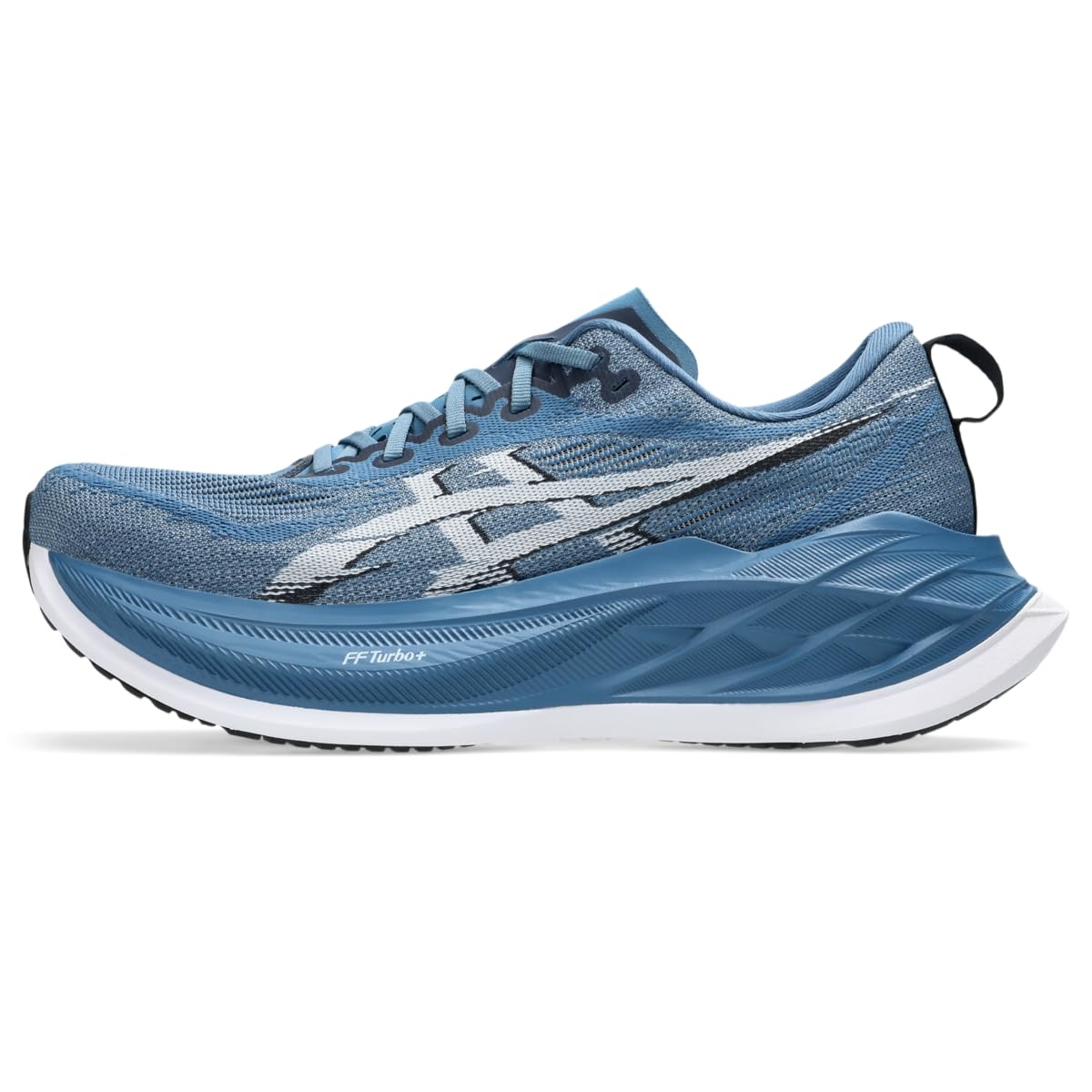
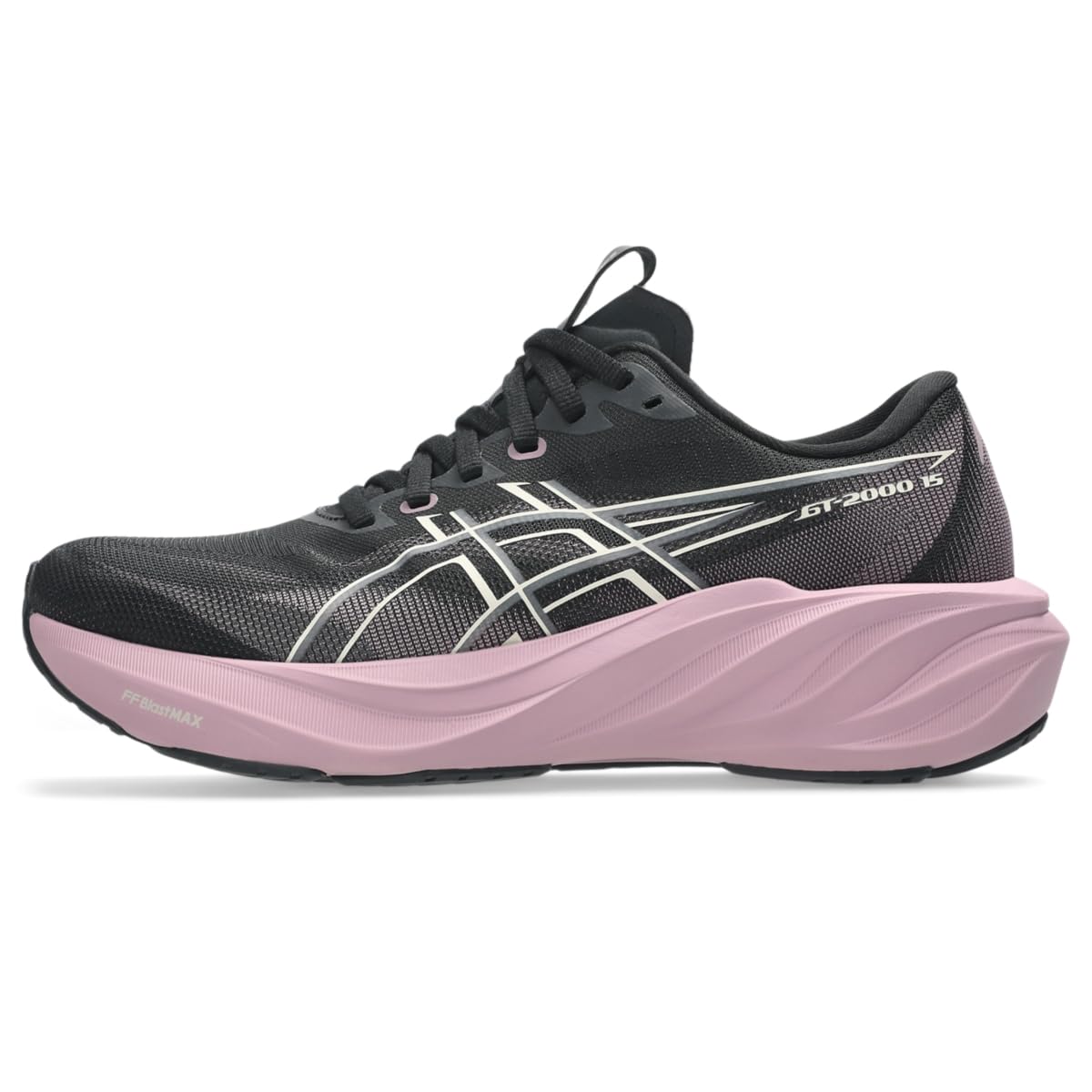
Finding the best asics shoes for high arches means looking for cushioning that fills the arch gap, rather than support that pushes hard into it. High arches leave less foot in contact with the ground, so pressure concentrates on the heel and forefoot, and shoes with firm arch posts can feel harsh. This guide explains Asics cushioning, fit checks, and use by activity, so you can choose comfort that lasts.
The comparison table below lists cushioning types, fit features, and activity uses side by side. Use it to narrow your shortlist, then try shoes later in the day when feet are slightly larger. If foot pain persists, worsens, or includes numbness, swelling, or sores, talk with a clinician or podiatrist rather than relying on shoes alone.



How High Arches Change Shoe Needs
High arches, also called cavus feet, curve upward more than average, leaving a smaller contact area with the ground. That shape reduces natural shock absorption, so heels and forefeet take more impact with each step. Shoes with generous cushioning spread that impact better, while shoes with rigid arch support can create pressure points under a high arch.
High arches also tend to roll outward slightly, which wears the outer edge of soles faster. Check your current shoes for outer wear patterns, since that wear tells you about your gait. A neutral cushioned shoe usually suits high arches better than a stability shoe built to correct inward rolling, which high arches rarely need.
Cushioning Types and What They Feel Like
Asics cushioning systems use gel and foam combinations that absorb impact and return energy. Gel units in the heel and forefoot soften landing, while foam midsoles provide the main ride and durability. Softer foam feels plush at first but may compress faster under heavier runners, while firmer foam feels responsive and lasts longer.
For high arches, prioritize cushioning volume and even feel over maximum softness alone. A shoe that cushions heel and forefoot evenly protects both pressure points, while a shoe soft only in the heel leaves the forefoot exposed. Walk and jog in the shop, and notice whether pressure spreads evenly or concentrates in one spot.
Fit Checks for the Best Asics Shoes for High Arches
Fit starts with length and width, but high arches add instep height to the checklist. A shoe with a low, tight instep squeezes the top of a high arch and causes discomfort across the midfoot, even when length and width seem right. Lace the shoe fully and check for pressure over the instep, since loose lacing hides a poor instep fit.
Toe room matters too, since high arches often pair with toes that grip for stability. Give toes room to spread without pressing the front, and check both feet, fitting the larger one first. Try shoes with the socks you will actually wear, and walk on a hard floor for several minutes, including turns, before deciding.
Running, Walking, and Training Uses
Running shoes for high arches should prioritize cushioning and a smooth ride, since running multiplies impact forces. Look for neutral road shoes with ample gel and foam, and replace them when cushioning compresses unevenly, often after several hundred miles depending on weight and surfaces. Track mileage loosely, since worn cushioning quietly returns impact to your feet.
Walking shoes need similar cushioning with a more flexible forefoot for a natural rolling step. Training shoes need lateral stability for side movements, which differs from straight line running cushioning, so avoid using running shoes for court sports. Match the shoe to the activity you do most, rather than buying one pair for every sport.
Insoles, Socks, and Added Comfort
Aftermarket insoles can fill the arch gap further, especially soft contoured insoles that cushion rather than force support. Try insoles in the shoe before buying, since they change fit and may crowd toes. Custom insoles from a podiatrist suit persistent pain or unusual arch shapes, while off the shelf cushioned insoles suit general comfort needs.
Socks affect fit and blister risk, so choose moisture wicking socks with cushioning matched to your activity. Seamless toes reduce irritation, and proper thickness prevents the shoe from feeling loose or tight. Replace worn socks promptly, since thin, baggy socks change fit and increase friction during longer sessions.
Warning Signs and Professional Care
Shoes help many high arch feet, but persistent pain needs assessment. Seek care for sharp foot pain, swelling, numbness, tingling, color changes, or pain after an injury, and seek care early if you have diabetes and any foot sore or redness. High arches sometimes link with nerve or muscle conditions, so new weakness, tripping, or one sided changes deserve prompt clinician attention.
A podiatrist can assess arch height, gait, and footwear together, and may suggest exercises, insoles, or other care. Bring your current shoes to the appointment, since wear patterns reveal gait details words cannot capture. The closing advice is simple: cushion your arches well, and seek professional help when pain or new symptoms outlast sensible footwear.
Running Surfaces and Impact
Running surfaces change the impact your arches must absorb, so surface choice matters as much as shoe choice. Soft trails and tracks cushion landing, while concrete and asphalt transmit more shock through heel and forefoot. If you run mainly on hard surfaces, prioritize maximum cushioning and replace shoes sooner, since hard surfaces compress foam faster.
Vary surfaces when possible to spread load across different tissues, and increase mileage gradually rather than jumping to long runs on hard ground. Warm up with gentle walking and mobility work, and cool down with stretching for calves and feet, since tight calves increase arch strain. Listen to early warning aches, since pushing through new foot pain on hard surfaces often turns a small strain into a lasting problem.
Related Guides
Runners can compare road models in the best asics running shoes for high arches guide. For a wider view across brands, see best shoes for high arches, best running shoes for high arches, best athletic shoes for high arches, and best shoes for people with high arches.
Frequently Asked Questions
Do high arches need stability shoes?
High arches usually suit neutral cushioned shoes better than stability shoes, since high arches tend to roll outward rather than inward. Stability shoes correct inward rolling, which can feel harsh and create pressure under a high arch. Prioritize cushioning volume and an even ride, and check wear patterns on your current shoes. A podiatrist can confirm your gait type if you are unsure.
Should I use insoles for high arches?
Soft contoured insoles can help by filling the arch gap and spreading pressure, especially in shoes with flat footbeds. Try insoles in the actual shoe, since they change fit and may crowd toes. Rigid arch supports often feel uncomfortable under high arches, so prefer cushioning insoles unless a podiatrist advises otherwise. Custom insoles suit persistent pain or unusual foot shapes.
How often should I replace running shoes?
Most running shoes last several hundred miles, depending on weight, surfaces, and foam type, with heavier runners and rough surfaces shortening life. Replace shoes when cushioning feels flat, the sole wears unevenly, or new aches appear after runs. Track mileage loosely with an app or log, and rotate two pairs if you run often, since rotation extends each pair and reveals wear by comparison.
Can high arches cause knee or back pain?
High arches change how impact travels through feet, legs, and back, and poor shock absorption can contribute to shin, knee, or back discomfort in some people. Cushioned shoes, gradual training increases, and strength work help many runners and walkers. Persistent knee or back pain deserves clinician or physiotherapist assessment, since footwear alone cannot fix every cause. Bring your shoes to appointments for gait clues.
What socks suit high arches best?
Moisture wicking socks with moderate cushioning suit high arches, since they manage sweat and add a little extra padding under heel and forefoot. Seamless toes reduce irritation, and proper thickness keeps fit consistent without crowding. Avoid very thin dress socks for running or long walks, since they add no cushioning and increase blister risk. Replace socks when they thin or lose elasticity.
Final Thoughts
The best Asics shoe for high arches cushions heel and forefoot evenly, fits the instep without pressure, and matches your main activity. Neutral cushioning usually beats stability posting, and a fit checked on hard floors over several minutes beats first impressions in the shop.
Use the product table to compare cushioning and fit features, then confirm your shortlist with a proper fitting. If pain persists or new symptoms appear, talk with your clinician or podiatrist. Good cushioning plus timely professional care keeps high arches comfortable for miles.
Keep this in mind when you compare the best asics shoes for high arches: let fit, features, and honest needs guide the final call.


