
Best Athletic Sandals Arch Support: Everything to Know Before Your First Purchase for 2026
Disclosure: We may earn a commission when you buy through links on this page, at no extra cost to you. As an Amazon Associate I earn from qualifying purchases. Learn more

Shopping for the best athletic sandals arch support for the first time? Learn the terms, compare options, and avoid rookie mistakes with this easy guide.
Flat flip flops feel fine for ten minutes by the pool and rough after a full day of walking. Athletic sandals with real arch support solve that problem, but the terms on the listing can confuse a first time buyer. This guide explains the best athletic sandals arch support features in plain language, so you can choose with confidence.
We will cover how a supportive sandal works, what each spec means, and how fit should feel on day one. Then we will look at mistakes to avoid and simple first steps once your pair arrives. Keep the product table below open as you read, and test each option against the points here.


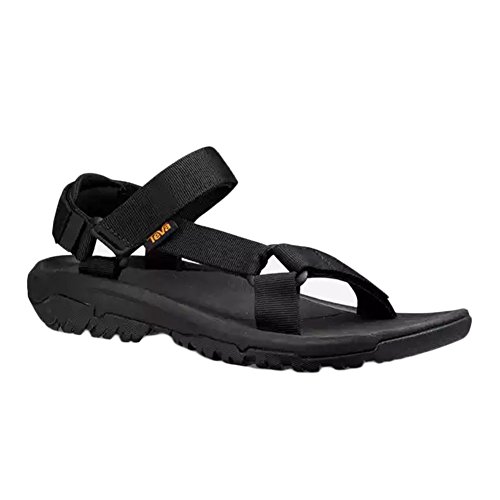
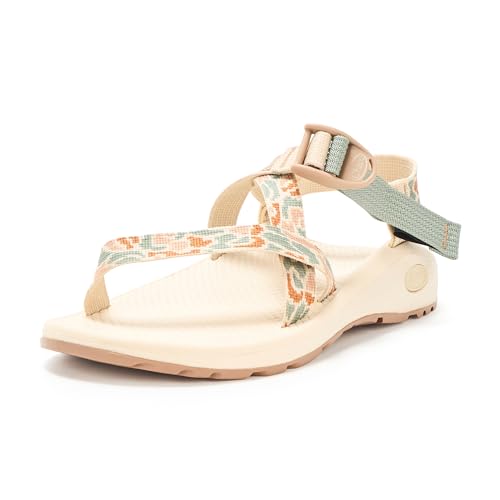

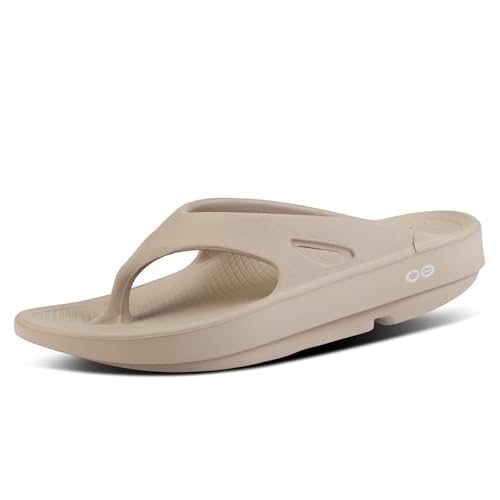


Athletic Sandals Arch Supports 101: The Basics
An athletic sandal is an open shoe built for movement: secure straps, a grippy outsole, and a footbed shaped to support your foot while you walk, hike light trails, or spend a day sightseeing. Arch support means the footbed rises in the middle to meet your arch, spreading pressure across the whole foot instead of loading only the heel and forefoot.
Support works by giving your foot a stable platform. When the arch is held at a natural height, your stride stays more even and the muscles in your feet and calves share the work. That is why a supportive sandal can feel tiring for the first few short wears if you are used to flat shoes, then feel easier as your feet adapt.
Basic terms help you shop. The footbed is the surface your foot rests on. The midsole adds cushioning under it. The outsole is the bottom rubber layer that grips the ground. Straps may be fixed or adjustable, and adjustable straps are the safer choice for a first pair because they forgive small fit errors.
Key Specs Explained in Plain English
Fit, Sizing, and Toe Box
Measure your feet in the afternoon while standing, because feet swell during the day and a morning measurement can lead you to buy too small. Your heel should sit fully inside the heel cup with no overhang, and your toes should rest on the footbed without gripping the front edge. A small margin of footbed in front of your toes is correct.
The toe box area on a sandal is open, but strap placement still matters. Straps should hold the forefoot without pressing on the widest part of your foot. If a sandal only comes in whole sizes and you fall between them, most buyers do better with the larger size, because a short footbed changes where the arch support lands under your foot.
Durability and Expected Lifespan
Durability shows up in three places: strap stitching, the bond between footbed and outsole, and the depth of the tread. Deep lugs grip trails but wear faster on concrete, while shallow tread lasts longer on pavement and grips less on loose ground. Molded one piece footbeds tend to outlast glued layers that can separate in heat.
For lifespan, use a common shoe guide: replace running shoes every 300 to 500 miles, and expect a similar working range from athletic sandals worn for daily walking. Foam compresses with use, and once the arch support feels noticeably flatter and your feet tire sooner, the sandal is near the end of its supportive life even if it still looks fine.
Waterproofing (Gore Tex and Membranes)
Most athletic sandals are not waterproof in the membrane sense, and many do not need to be. Open sandals built from synthetic straps and rubber or foam footbeds simply get wet and dry again, which is the right design for river walks and beach days. Gore Tex and similar membranes appear more in closed trail shoes than in open sandals.
The trade off is drying time and comfort. Leather footbeds feel great dry but stay damp for hours and can crack if dried with heat. If your plans involve water, choose quick drying synthetic materials and skip leather. If your plans are dry trails and town walking, water resistance matters far less than fit and support.
Break In Period and Comfort Out of the Box
A supportive footbed often needs a short break in period, not because the sandal changes much, but because your feet do. Start with one to two hours of wear and add time over several days. Mild awareness of the arch is normal at first, especially if you have worn flat sandals for years.
Sharp pain, numbness, or straps that cut into the skin are not break in stages and signal a wrong size or shape. Practical know how: adjust straps in order, heel first, then ankle, then forefoot, because a secure heel makes the other straps easier to set. Test new sandals on a walk around the block before a long outing, and keep the return option open until they pass that test.
Cushioning and Support
Cushioning softens impact, while support controls how your foot moves. A sandal can have both, one, or neither, and listings often blur the two. For arch support, look for a firm, shaped rise under the midfoot rather than a soft flat pad. Very soft foam feels plush in the store but can bottom out under a full day of walking.
Heel to toe drop on a sandal is small, often around 4 to 8 mm, and a modest drop suits most walkers. Stability comes from a wide base, a heel cup, and straps that hold the midfoot. If you overpronate, meaning your foot rolls inward, favor a firmer footbed and a secure strap system over a minimal slide style.
If support is your main reason for buying, our guide to the best sandals with good arch support explains support levels in more depth, and our guide to the best athletic shoes for arch support helps if you want a closed shoe for cooler days.
Picking the Right Athletic Sandals Arch Supports for Different Uses
Tips for Men Buying a First Pair
For men, three points matter most. Men often need a longer and wider footbed, so confirm the brand offers wide sizes if your forefoot is broad. Strap strength matters too, because a heavier stride stresses stitching and adjustment points more, so look for reinforced strap anchors.
Finally, men who plan trail use should favor deeper tread and a toe bumper that guards against rocks and roots. A town focused pair can stay lighter and lower profile. Our guide to the best men's sandals with arch support covers men specific fit questions in more detail.
Rookie Mistakes to Avoid
- Buying your dress shoe size. Sandal sizing runs differently, and the arch must land in the right place, so measure and check the chart.
- Choosing soft over supportive. A plush flat footbed is not arch support, no matter how the listing words it.
- Wearing them all day on day one. Feet used to flat shoes need a gradual build up to a shaped footbed.
- Ignoring strap adjustment. Loose straps let the foot slide, which causes friction, blisters, and tired arches.
- Using pavement sandals on rough trails. Shallow tread and open toes are a poor match for rocky ground.
Getting Started: Setup and First Use
When your sandals arrive, set the straps before your first real walk. Stand in them, set the heel strap so your foot sits centered in the heel cup, then set the forefoot straps so they feel snug without pressure points. Walk indoors for fifteen minutes and check for rubbing while returns are still easy.
Build wear time over the first week, and pay attention to how your arches feel in the evening. Mild tiredness is fine, but stop and reassess if you develop new pain in your heel, arch, or shin, and talk with a clinician if pain persists. Feet with ongoing problems deserve professional advice, not just new footwear.
For care, rinse off grit and salt water, then air dry wet shoes away from direct heat, because heat can warp foam footbeds and weaken glue. Brush dried mud from the tread so grip stays reliable. Rotating a second pair on heavy use weeks extends the life of the foam in both pairs.
If walking is your main exercise, our guide to the best walking sandals with arch support focuses on all day pavement comfort, while readers with very high arches can compare notes in our guide to the best sandals with high arch support.
FAQs
Do I need waterproof shoes?
For sandals, you rarely need waterproof construction, because open designs are meant to drain and dry. What you need is water friendly material: synthetic straps and a footbed that does not stay soggy. Leather looks good for dry town wear but dries slowly. Choose based on how often your feet will actually get wet, not on a rating alone.
How often should I replace my athletic sandals arch supports?
Replace them when the arch feels flat, the tread is smooth under the heel, or your feet tire much faster than they did when the pair was new. For daily walkers that is often after 300 to 500 miles. A simple check is to set the sandal on a table and look for a lean, which shows uneven compression and worn support.
How should athletic sandals arch supports fit?
Your heel should sit inside the heel cup, the arch rise should meet the middle of your foot without digging, and your toes should rest flat with a small margin of footbed ahead of them. Straps should feel secure without leaving deep marks after a short walk. If the arch rise hits too far forward or back, try the next size.
Can I wear them all day?
Yes, once you have built up wear time and the support level suits your feet. All day wear goes best with a firmer shaped footbed, adjustable straps you can loosen as feet swell, and a tread matched to your surface. Carry a backup pair of shoes on the first long day, and switch if hot spots appear so a small rub never becomes a blister.
How long is the break in period?
Expect about three to seven days of increasing wear for your feet to adapt to a shaped footbed. The sandal itself changes little; your foot muscles and stride adjust to the support. Shorten the process by walking on varied surfaces, and lengthen your outings only when the previous day ended with no soreness that lingered into the morning.
Wrapping Up
For a first pair, get three things right: the arch rise landing under the middle of your foot, straps that hold without cutting, and materials matched to water and heat where you live. Those points matter more than color or brand story. Use the product table above to test your shortlist against them.
The best athletic sandals arch support can offer is support you stop noticing, because your feet simply feel less tired at the end of the day. Start gradually, adjust the straps with care, and your first pair will teach you exactly what your feet want from the next one.


