
Best Asics Trail Running Shoes: Grip, Protection and Fit Guide
Disclosure: We may earn a commission when you buy through links on this page, at no extra cost to you. As an Amazon Associate I earn from qualifying purchases. Learn more

Trails need grip, toe protection, and stable footing. See how to choose the best asics trail running shoes for groomed paths, rocks, and mud.
Trail running adds mud, roots, loose rock, and steep ground to every run. Road shoes can slip, bruise, or roll on that terrain. This guide to the best asics trail running shoes explains what grip, protection, and stability actually do, so you can compare the product table with a clear idea of what you need.
Asics trail shoes keep much of the cushioning that road runners like and add rugged outsoles, tougher uppers, and extra protection.
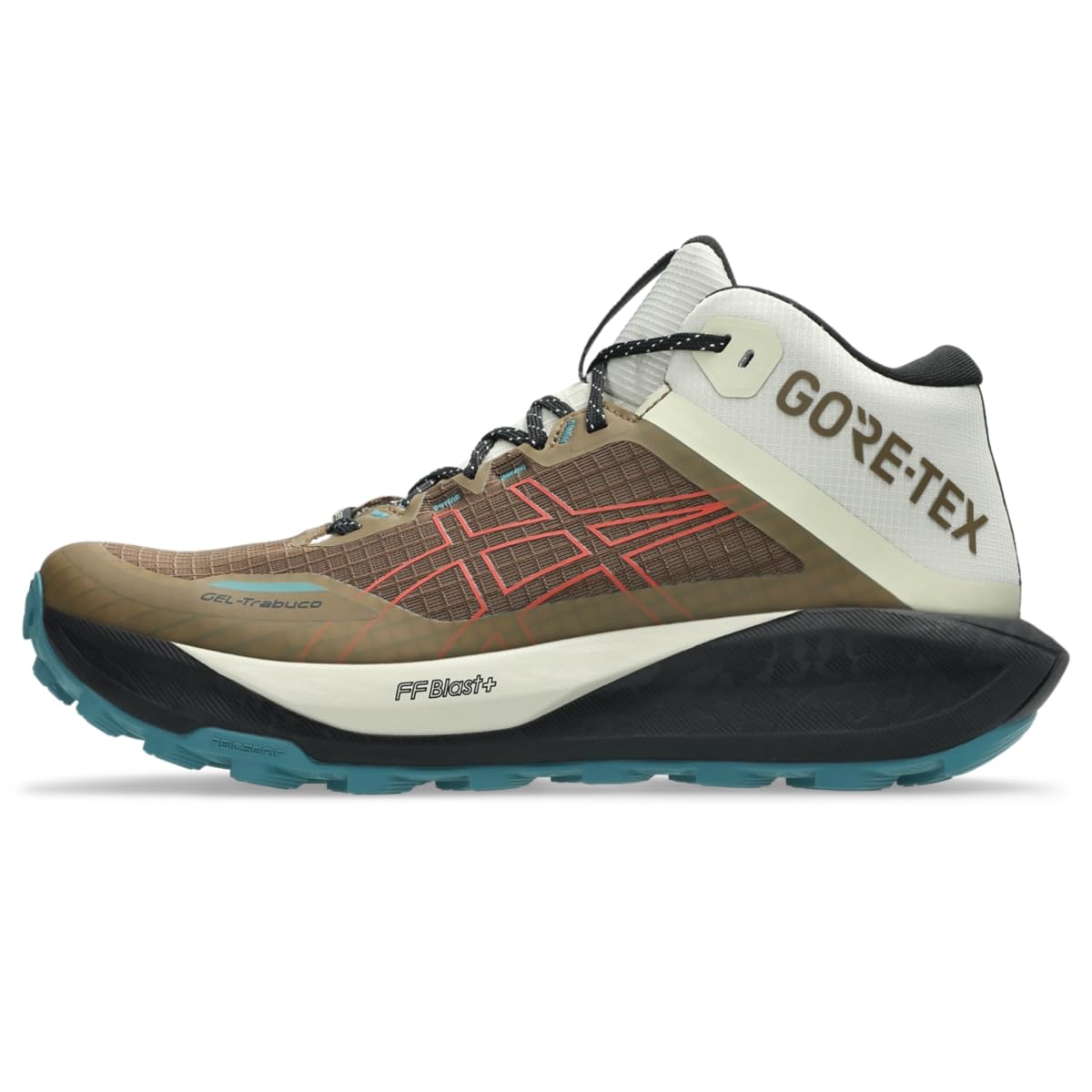
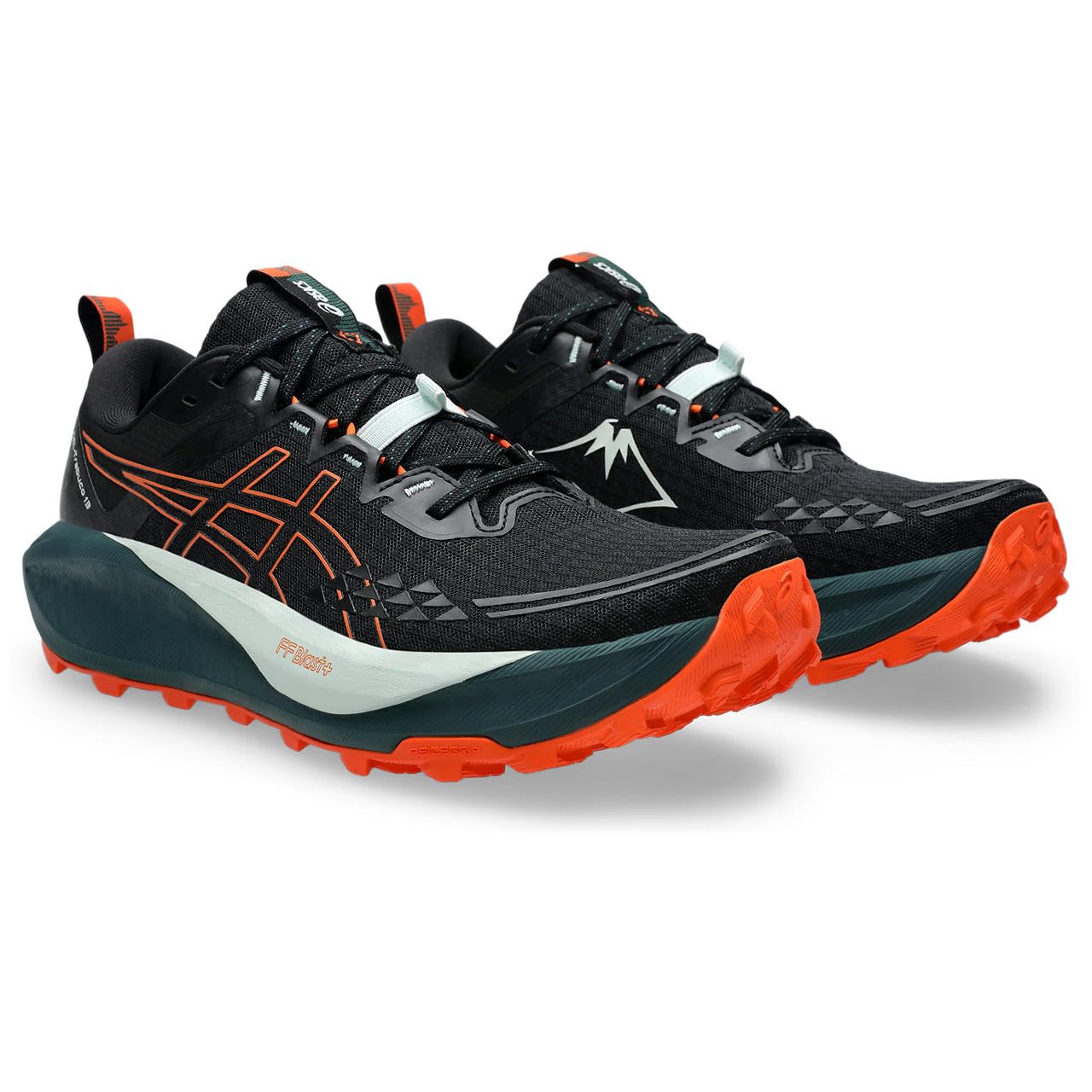

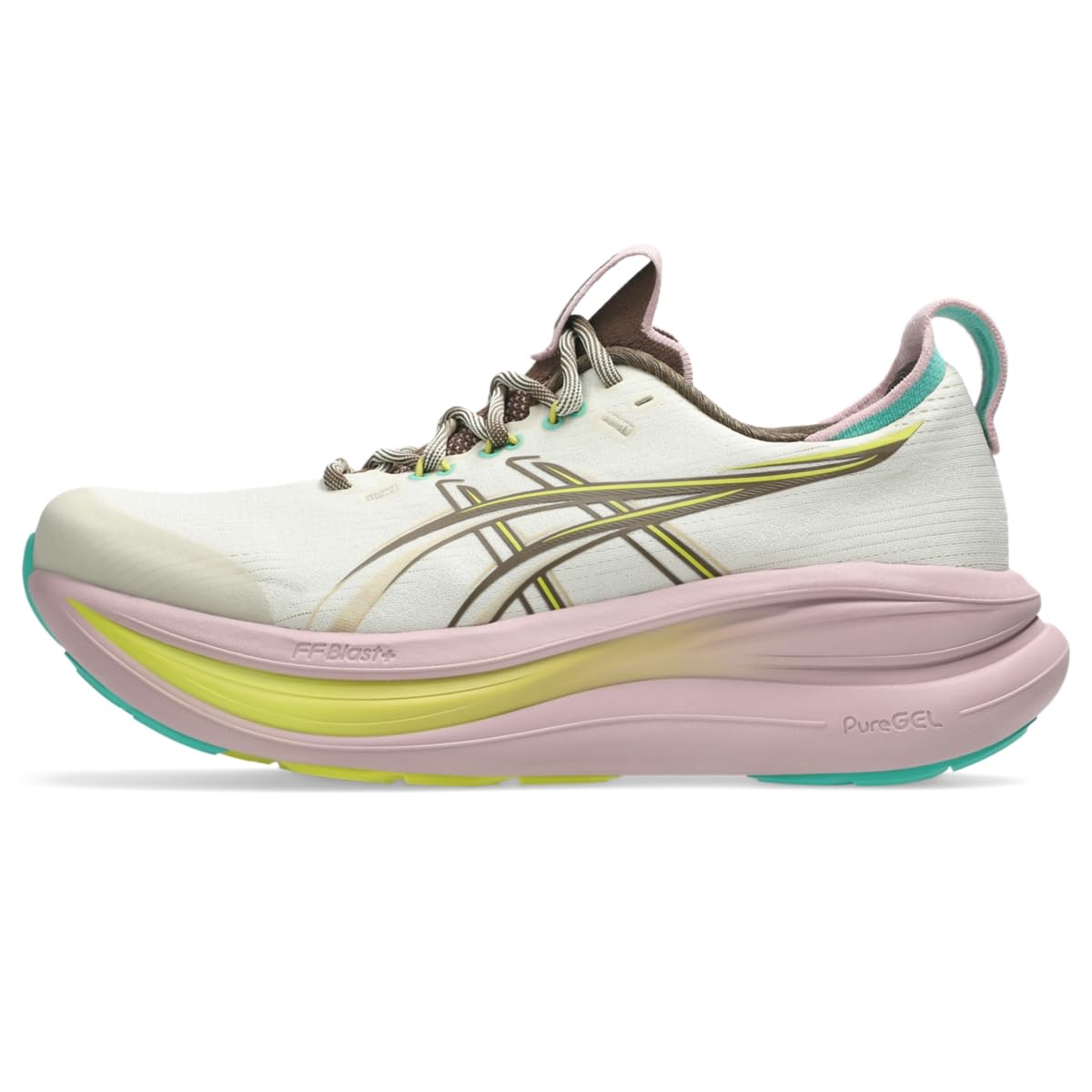
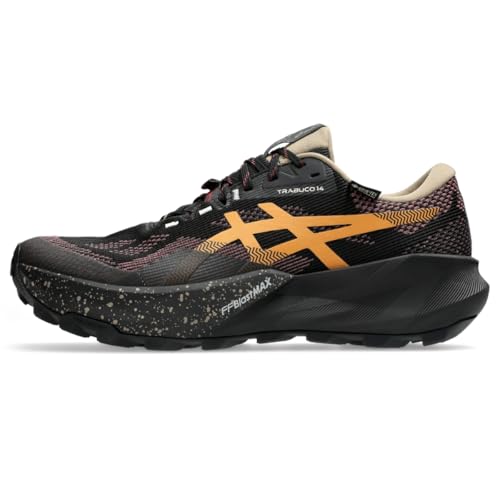
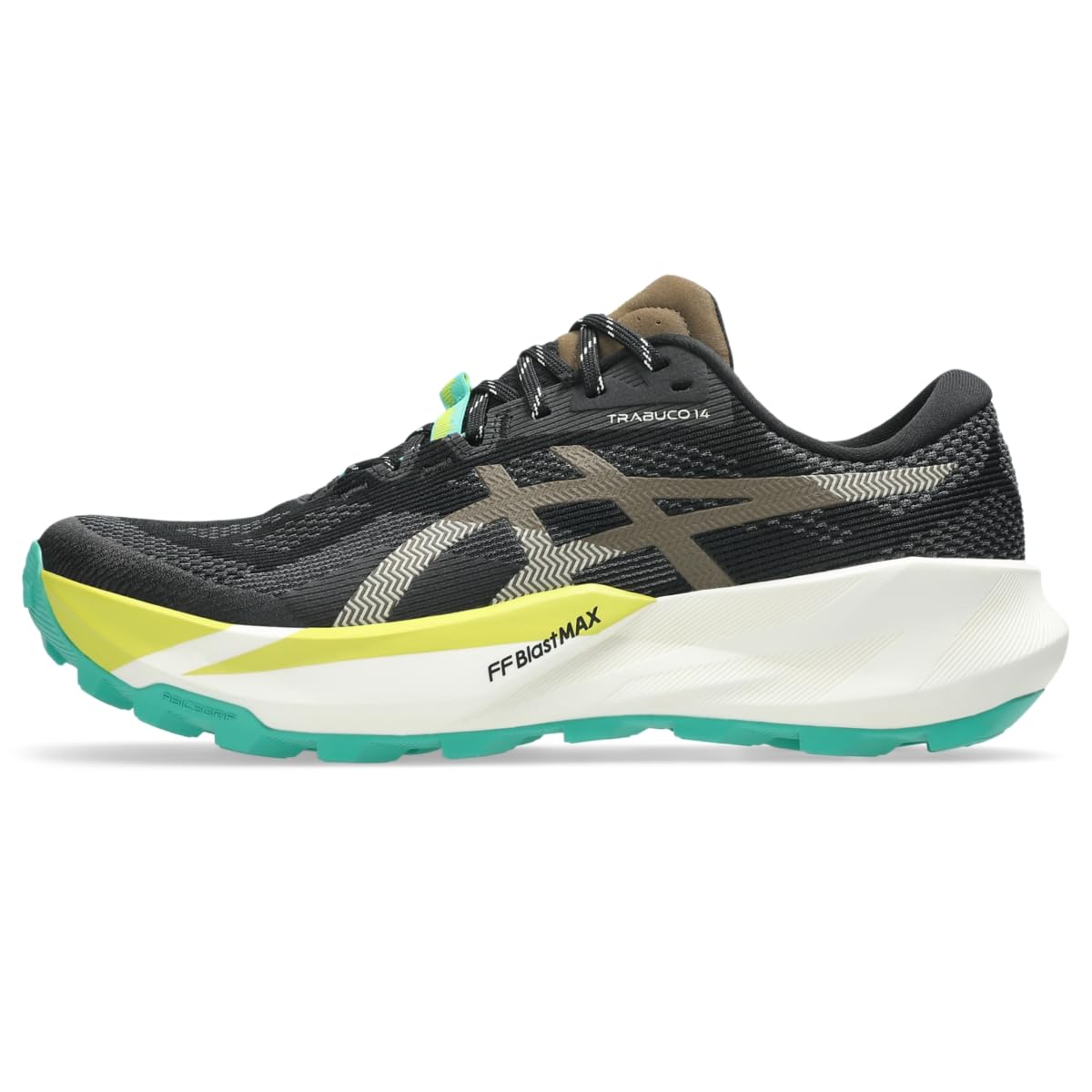


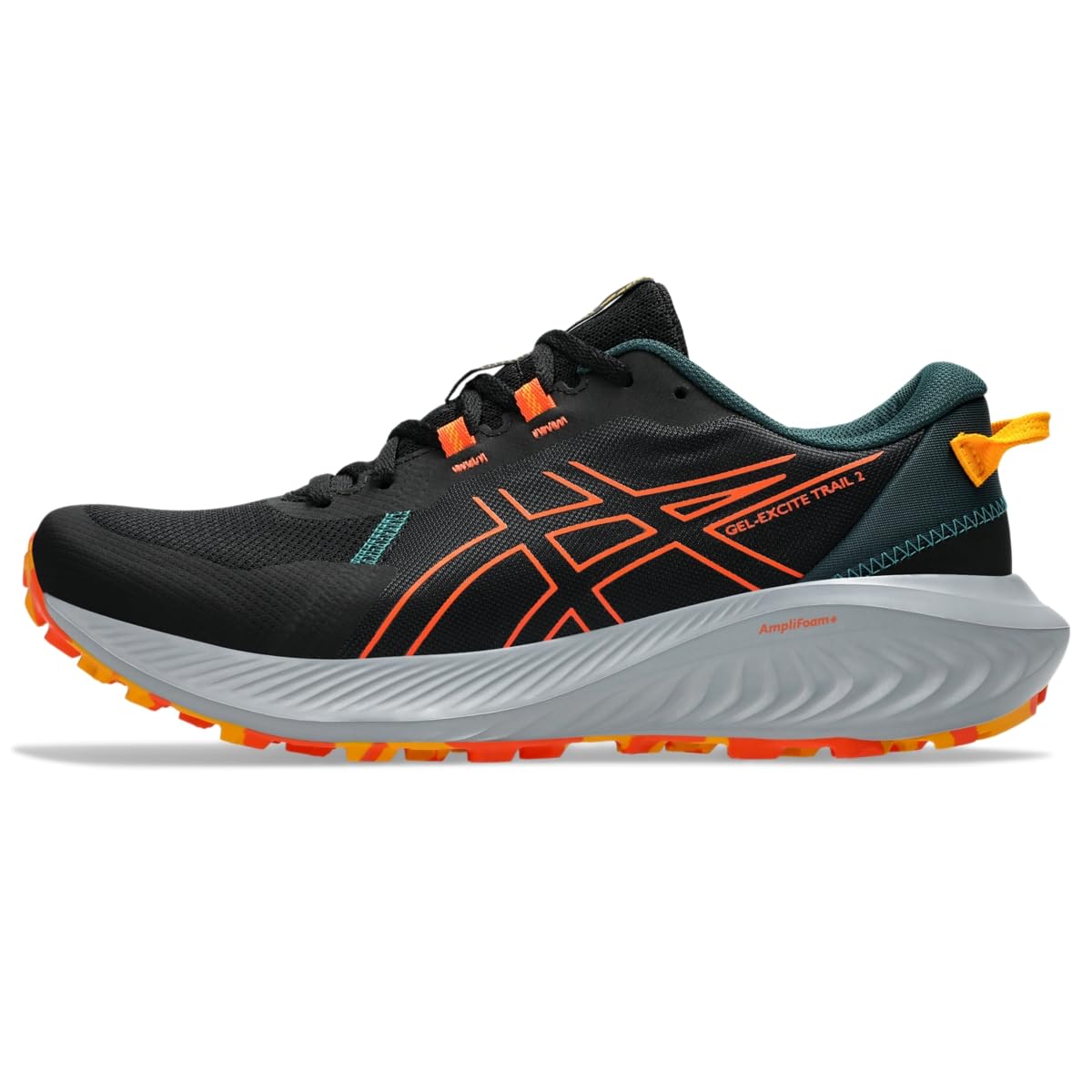
Who These Shoes Suit
These shoes suit trail runners, road runners moving onto dirt paths, and hikers who like a lighter running-style shoe on rough ground. They also suit runners who want grip on wet leaves and gravel roads. For pure road running, a road shoe is lighter and cheaper.
What to Look For in the Best Asics Trail Running Shoes
Outsole lugs and grip
Deeper lugs bite into mud and soft dirt, while shallower, closely spaced lugs feel better on hard-packed trails and gravel. Rubber that stays tacky on wet rock is a bonus for technical ground.
Toe and underfoot protection
A reinforced toe cap protects against kicked roots and rocks. A rock plate or firm midsole layer spreads the pressure from sharp stones. Heavier protection adds weight, so choose by how rough your trails are.
Stability on uneven ground
A wider base and a secure heel help keep the ankle steady on off-camber trails. Very tall, soft midsoles can feel wobbly on rocky ground.
Drainage and drying
Mesh uppers drain and dry fast but let in grit. Water-resistant uppers keep feet drier in rain and snow but breathe less in summer.
Fit with trail socks
Leave a thumb's width in front of the longest toe, since feet slide forward on descents. A snug midfoot and a locked heel reduce blisters and black toenails.
Styles and Options Compared
- Light trail shoes: low lugs and flexible soles for groomed paths and fast runs.
- Rugged trail shoes: deeper lugs, tougher uppers, and more protection for technical terrain.
- Water-resistant trail shoes: a weather-resistant upper for wet, cold, or snowy trails.
A moderate shoe works for mixed routes, while specialists make sense if most of your running sits at one extreme.
A Simple Way to Decide
- Note the surface you run most: groomed, rooty, rocky, or muddy.
- Pick a protection level: light, moderate, or maximum.
- Choose the cushioning you want for your longest run.
- Try shoes in the afternoon with your trail socks.
- Walk up and down a slope to check heel hold and toe room.
Care and Replacement
Clean mud from the lugs after runs, dry shoes away from direct heat, and check tread wear before steep or slippery routes. Trail shoes often last 300 to 500 miles, though sharp rocks can shorten that. Replace them when the lugs wear down, the midsole feels flat, or the upper tears.
Safety Notes
Persistent pain, swelling, numbness, or a twisted ankle that keeps hurting after a trail run should not be ignored just by changing shoes. Trail shoes improve grip and protection, but they do not diagnose or treat injuries. Talk with your doctor about pain that limits walking or running.
Worth Comparing Before You Order
To widen your search, read the best running shoes and best asics running shoes guides. For more trail options, see the best looking trail running shoes, best men's trail running shoes, and best trail running shoes for women guides.
Frequently Asked Questions
Can I run on roads in trail shoes?
Yes, for short stretches. Deep lugs wear faster on pavement and can feel harsh, so road shoes are better for mostly road routes.
Do I need waterproof trail shoes?
Only if you run often in cold rain, snow, or deep wet grass. Waterproof uppers breathe less and dry slowly once soaked, so many runners prefer fast-draining mesh.
How should trail shoes fit?
Snug at the heel and midfoot, with room for toes to spread, and about a thumb's width in front of the longest toe. Feet swell on long runs, so shop in the afternoon.
How often should I replace trail shoes?
Often between 300 and 500 miles. Check the lugs, the midsole feel, and the upper for tears.
Are trail shoes good for hiking?
Many hikers like them for day hikes on well-kept trails because they are light and comfortable. For heavy packs or very rough terrain, a sturdier hiking shoe may suit better.
Final Thoughts
The best asics trail running shoes match your terrain, your distance, and the protection you need. Compare the options in the product table, try them on a slope, and give new shoes a few easy runs before a big effort. If pain persists, talk with your doctor before you decide.


