
Best Altra Trail Running Shoes 2026
Disclosure: We may earn a commission when you buy through links on this page, at no extra cost to you. As an Amazon Associate I earn from qualifying purchases. Learn more

Light, cushioned or rugged: how to choose the best altra trail running shoes for your terrain, with fit and zero drop tips.
Trail runners who want room for their toes on long descents often start with the best altra trail running shoes. This guide covers the features that matter, the main model types and the mistakes that cost the most.
The comparison table below gives a quick overview, and the sections that follow explain fit, grip and care.
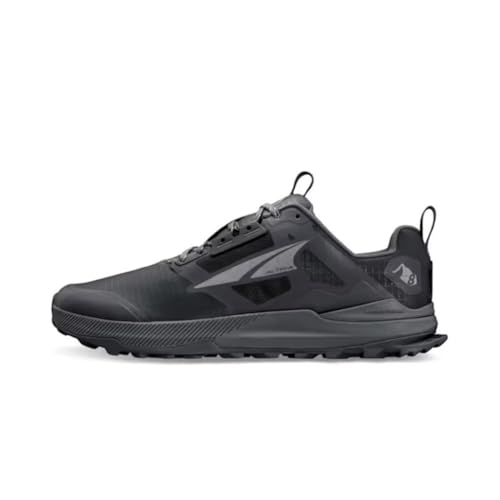
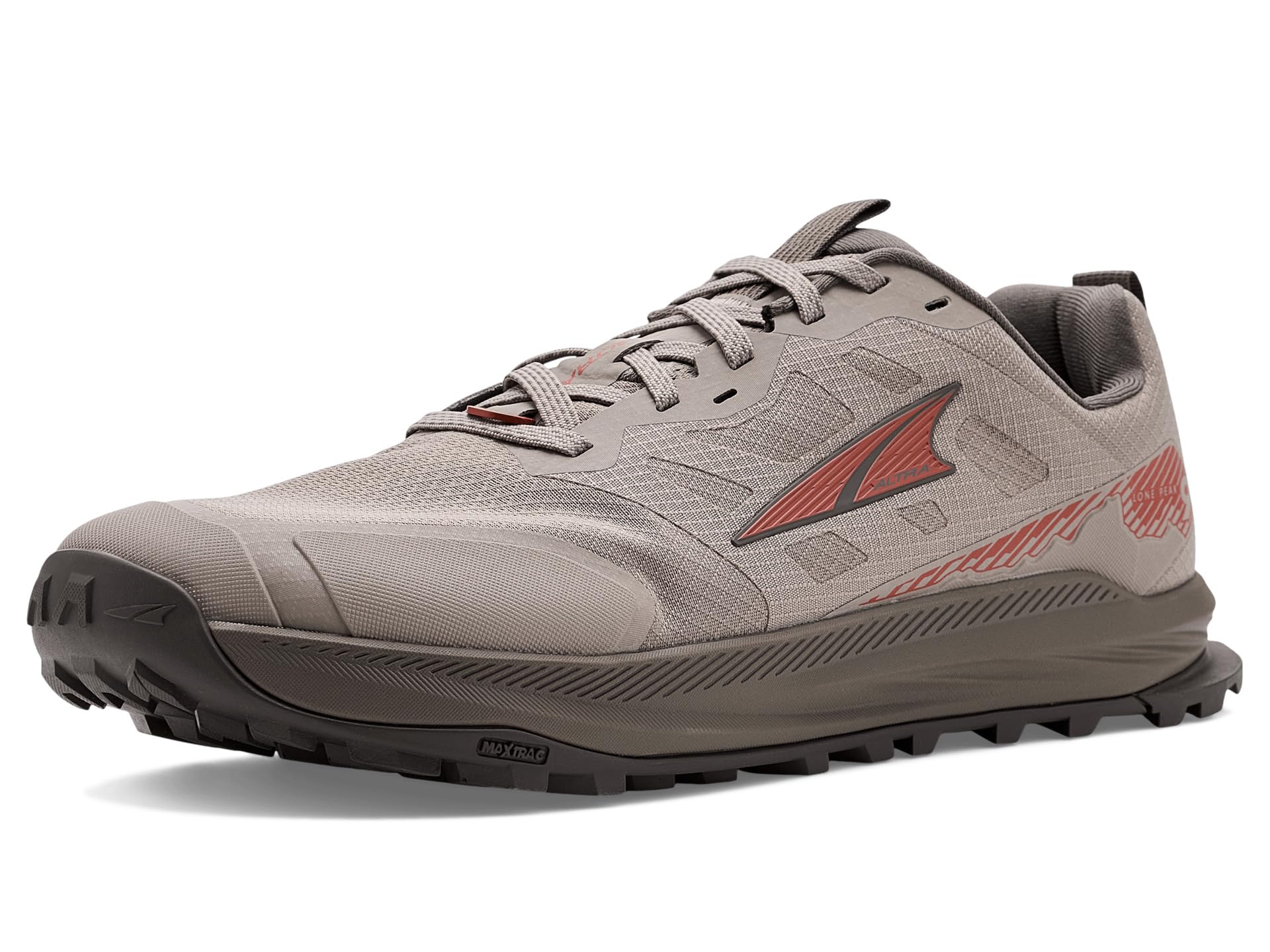
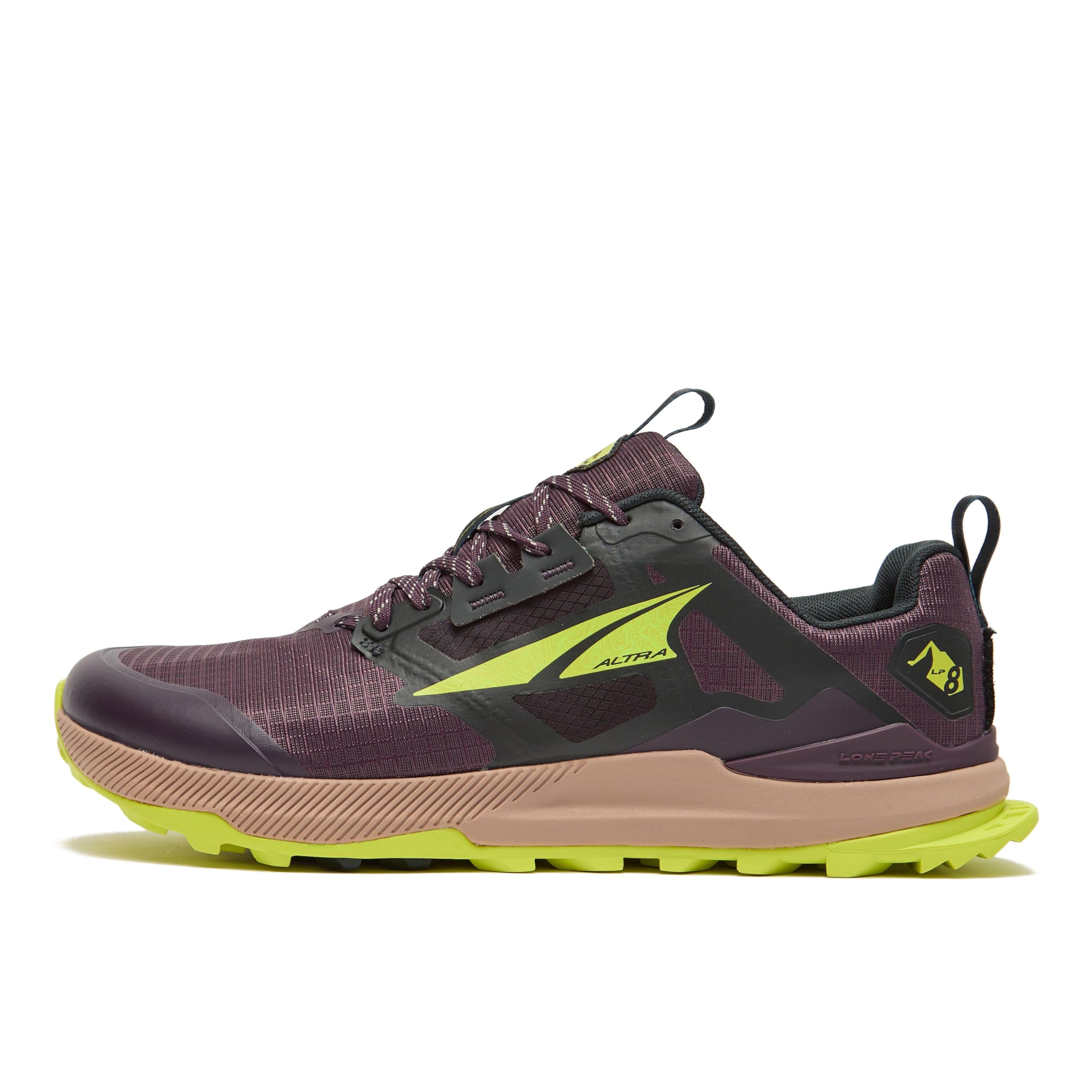


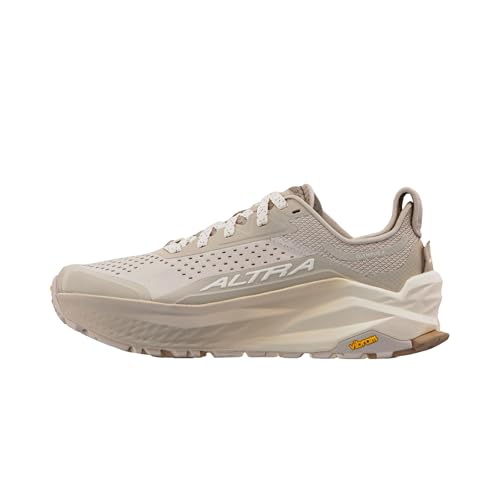
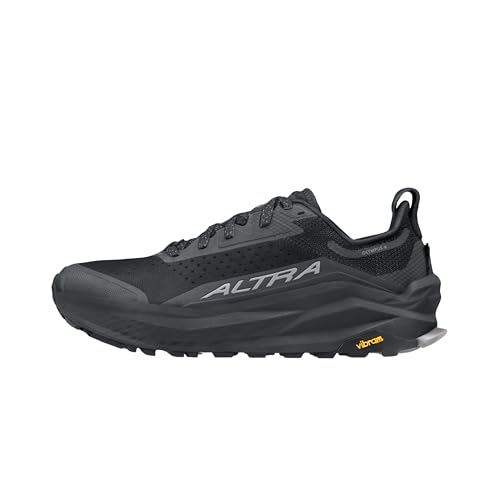


Who Should Buy Altra Trail Running Shoes
Altra trail running shoes suit runners who want a wide toe box and a level platform that lets feet spread naturally on trails. They work for trail running, hiking, and long mixed terrain days. They suit runners with wide feet, or runners who dislike tapered toe boxes that squeeze toes on descents. They are a weaker fit for runners who rely on a high heel drop or strong arch support from the shoe itself, since Altra designs are deliberately flatter and roomier.
Key Features to Compare
Focus on the features below before looking at price.
Foot shape toe box
The wide toe box is the defining feature, giving toes room to spread on climbs and descents. This can reduce blistering and black toenails on long downhill sections. Check toe room with the socks you run in, and wiggle your toes at the end of a run, when feet swell slightly. A toe box that feels roomy in the shop should still feel roomy after an hour on trails.
Balanced cushion and drop
Altra shoes use a balanced platform, meaning heel and forefoot sit at a similar height. This encourages a midfoot landing and can feel different if you are used to a high drop shoe. Transition gradually, starting with shorter runs, to let calves and Achilles adjust. Cushion levels vary from light and responsive to thick and protective, so match cushion to distance and terrain roughness.
Grip and trail protection
Trail grip comes from lug depth, spacing, and rubber compound. Deeper lugs grip mud and loose gravel, while shallower lugs run smoother on hardpack. A rock plate or protective midsole helps on sharp rocky trails without adding much weight. Check outsole coverage at the edges, since edge grip matters on cambered and wet trails.
Replace shoes when lugs wear smooth, because grip fades before the upper fails.
Fit, sizing, and foot care
Fit should be snug at the midfoot and heel, with room in the toe box and no heel slip on descents. Lace with a heel lock pattern if your heel lifts, and try them on a downhill slope when possible. Altra sizing can vary between models, so check the specific model rather than assuming your usual size. For persistent foot pain, swelling, numbness, or a sore that does not heal, talk with a clinician rather than trying to run through it.
Types Compared
Altra trail models fall into three broad groups.
Light trail Altra shoes
Light trail shoes suit smooth trails, forest paths, and mixed road and trail running. They are lighter and more flexible, with shallower lugs. They feel fast on gentle terrain but offer less protection on rocky ground. Choose light when your trails are mostly smooth and you value speed.
Cushioned trail Altra shoes
Cushioned trail shoes suit long distances and rough terrain, with thicker midsoles that absorb impact. They feel softer on descents and reduce fatigue on ultra distances. They are heavier and less ground sensitive than light models. Choose cushioned when distance and comfort matter more than speed.
Rugged trail Altra shoes
Rugged trail shoes add deeper lugs, rock protection, and tougher uppers for technical and muddy trails. They suit mountain running, wet conditions, and sharp rocky ground. They are heavier and stiffer at first, breaking in over several runs. Choose rugged when grip and protection matter more than light weight.
What Your Money Gets You
Altra trail running shoes usually cost about $100 to $180, with light models near the lower end and cushioned or rugged models higher. Budget for trail socks, which affect fit and blister prevention, and for replacement roughly every 500 to 800 kilometres depending on terrain. A dearer model mainly buys more cushion, better protection, or a tougher upper, not necessarily more speed. Buy the model that fits your foot shape and terrain, since a roomy toe box only helps if the heel and midfoot stay secure.
If you are new to balanced cushion, allow time to adapt before judging the shoe.
Care and Warning Signs
Care extends trail shoe life and protects feet. Clean mud off after runs and air dry away from direct heat, since radiators can warp midsoles and shrink uppers. Remove insoles to dry faster, and rotate two pairs if you run daily, so foam recovers between runs. Check lugs, midsole creasing, and upper tears regularly, and retire shoes when grip fades or cushion feels flat.
For foot pain that persists, worsens, or comes with swelling or numbness, seek clinician advice promptly, and do not rely on a new shoe alone to fix an injury.
Common Buying Mistakes
The usual errors are choosing a deep lug shoe for mostly smooth trails, going straight to long runs in new zero drop shoes, and sizing to the road shoe size without checking a downhill. Try shoes late in the day, with trail socks, and kick the toe against the floor to see whether the toes stay clear.
Related Guides to Compare
For the wider market, see best running shoes and best trail running shoes for women. The road side of the brand is covered in best altra running shoes.
Frequently Asked Questions
What makes Altra trail shoes different?
The wide foot shape toe box and balanced platform set them apart. Toes can spread naturally, and heel and forefoot sit at a similar height. This suits runners who want a natural foot position on trails. It feels different from high drop shoes, so transition gradually with shorter runs at first.
Are Altra shoes good for wide feet?
Yes, generally. The foot shape toe box gives more width than most tapered running shoes, especially in the forefoot. Midfoot and heel fit still matter, so try the specific model with your running socks. If your heel slips, try a heel lock lacing pattern before sizing down, which can crowd the toes.
Do I need to transition to zero drop shoes?
Yes, gradually. Moving from a high drop shoe to a balanced platform changes calf and Achilles loading. Start with short easy runs and walking, then build distance over several weeks. Soreness that fades is normal, but sharp pain, swelling, or numbness is a reason to stop and talk with a clinician.
How long do Altra trail shoes last?
Roughly 500 to 800 kilometres, depending on terrain, weight, and running style. Rocky and muddy trails wear lugs and uppers faster than smooth paths. Replace shoes when grip fades, cushion feels flat, or the upper tears near the toes. Rotating two pairs can extend the life of each pair.
Are Altra trail shoes good for hiking?
Yes, for many hikers, especially on trails where a running shoe weight and grip suit the terrain. The wide toe box helps on long descents, and the grip handles mixed surfaces. For heavy packs or very technical scrambling, a sturdier hiking boot may offer more ankle support and protection. Choose by pack weight and terrain, not by brand alone.
Final Thoughts
The best altra trail running shoes are the ones whose toe box, grip and cushion match your trails. Use the product table above to compare types, then judge your shortlist by how it feels on your normal route.


