Best Boots for Achilles Tendonitis 2026: Budget, Midrange, and Premium Bands
Disclosure: We may earn a commission when you buy through links on this page, at no extra cost to you. As an Amazon Associate I earn from qualifying purchases. Learn more
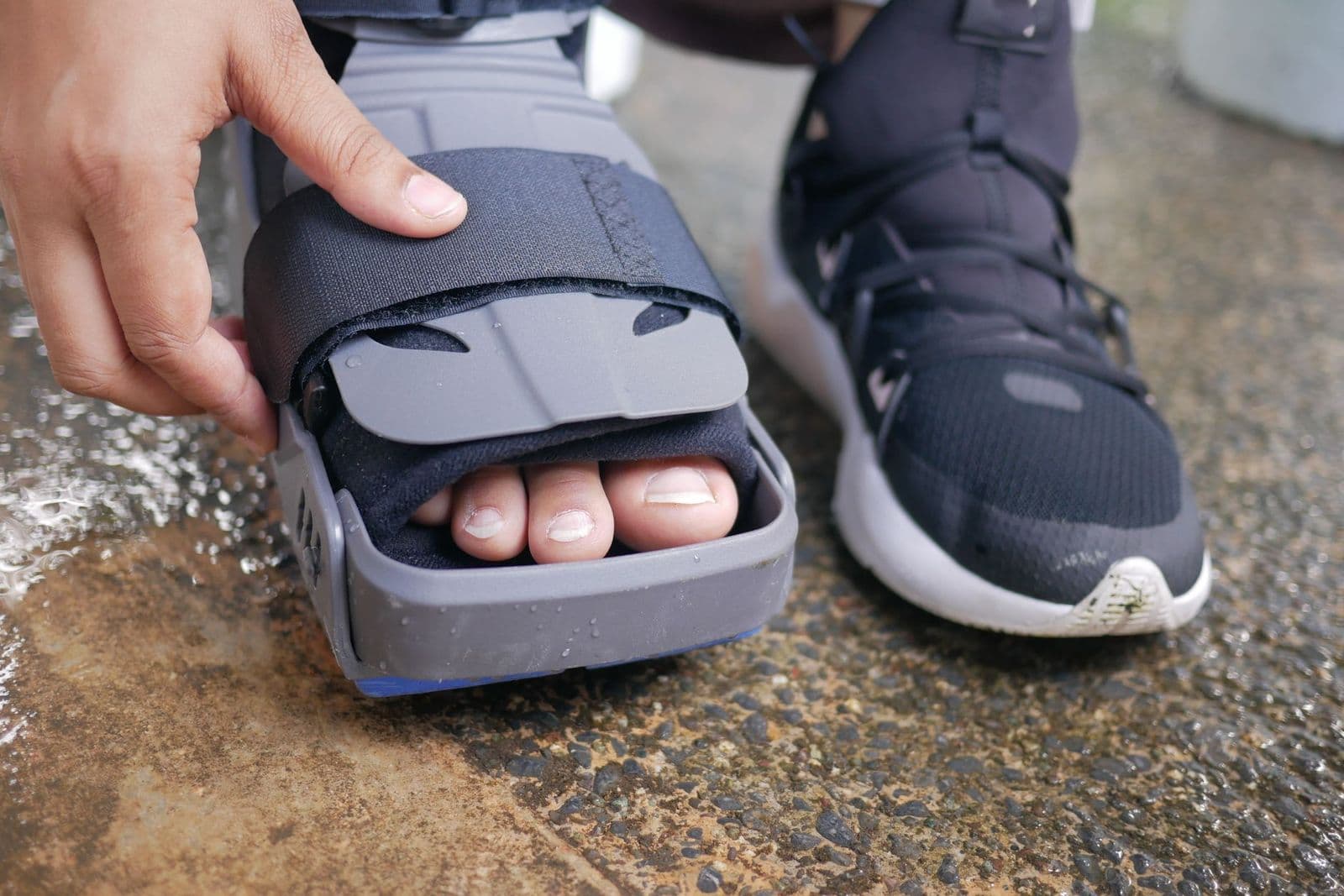
Compare the best boots for achilles tendonitis by budget band, with the fit, heel geometry, and comfort factors to weigh carefully before you spend.
Boots for a sore Achilles tendon span a wide price range, and the price alone tells you very little. What matters is how the boot fits your heel, how its shape treats the back of your ankle, and whether you can wear it for the hours your day demands. This guide sorts the best boots for achilles tendonitis by budget band, but it starts somewhere more important: with what a boot can and cannot do.
Read the condition notes first, even if you came for prices. The sections after them explain the fit factors band by band, so your money lands on the details that change how the boot feels at the tendon.
First, the Condition: What a Boot Can and Cannot Do
Stated plainly: Achilles tendonitis is a condition, and a boot is footwear. It treats nothing. This article stays at fit and comfort only: how a boot holds the heel, how much pressure its collar puts on the tendon, and how its shape changes the angle of your foot while you walk or stand. Any claim that a boot cures, heals, or fixes a tendon should be read as marketing, not fact.
Some signs are not a shopping problem at all. Swelling at the back of the ankle, a snap or pop feeling, weakness when you push off or climb stairs, trouble walking normally, or pain that keeps getting worse all belong to a clinician, and promptly. The same goes for pain after a fall or a sudden sports injury. See a clinician first and shop later, because the right response to those signs is an examination, not a new pair of boots.
One fit fact runs through everything below. Heel geometry, meaning the height difference between the heel and the front of the boot, is a fit fact. A higher heel stack shortens the stretch on the tendon with each step, which many wearers find more comfortable, while a flat boot lengthens it. That is a comfort observation about shape, never a treatment, and what suits your tendon is a question your clinician can answer for your case.
What Your Money Gets You at Each Price Band
Budget Band: Sound Basics, Fewer Refinements
Budget boots run about $50 to $90. Expect a padded collar, a modest heel stack, and a cushioned insole over a fairly basic midsole. Fit runs wider and less precise, so heel hold can be loose, and a loose heel that slides is a poor match for a sore tendon. At this band, try before you commit if you can, and judge the pair on heel grip and collar softness rather than on the feature list.
Midrange Band: Where Fit Improves Fastest
Midrange boots run about $90 to $160, and this is where fit quality climbs fastest. Heel counters get firmer and better shaped, collars are padded where the tendon actually sits, and insoles and midsoles hold their shape for more months of daily wear. Most buyers with a comfort goal land here, because the gains are in the exact places this condition cares about: hold, padding, and a steady heel height.
Premium Band: Materials and Longevity
Premium boots run about $160 to $280. The extra money buys full grain leather or advanced fabrics, resolable or long wearing outsoles, and more sizes and widths, which is a genuine fit advantage for hard to fit feet. It does not buy a stronger medical effect, because there is none to buy. Pay this band for fit range and years of service, not for any promise about your tendon.
What to Look For in the Best Boots for Achilles Tendonitis
Heel Geometry as a Fit Fact
Look at the heel stack before the styling. Many wearers with Achilles soreness find a boot with a clearly raised heel, roughly eight to twelve millimeters above the front, more comfortable than a flat one, because the shape reduces how far the tendon stretches at push off. Treat that as a starting point for trying on, not a rule. If your clinician has advised a specific heel lift or insert, that advice outranks anything printed here.
Fit, Sizing, and Toe Box
Fit decides whether the geometry can help at all. Shop late in the day, when feet are at their largest, and wear the socks you will actually use. The heel should sit locked with almost no lift as you walk, while the toes need room to spread, so a toe box that lets the front of the foot relax keeps your weight from shifting backward into the heel. A boot that fits in length but squeezes width will change how you walk, and gait changes load the tendon in new ways.
Cushioning and Support
Cushioning under the heel softens each landing, and a firm heel counter keeps the back of the foot from wobbling side to side. Both are comfort features, and both matter more than a tall list of branded foams. Very soft, unstable soles can let the ankle roll slightly with each step, which some wearers find tiring over a long day. A stable, moderately cushioned base is the safer default for all day wear.
Outsole Traction and Terrain
Traction is a comfort feature here in an indirect way: a secure step is a relaxed step. Deep lugs suit mud, gravel, and winter sidewalks, while flatter soles suit concrete and indoor floors. Slipping and catching yourself loads the tendon suddenly, so match the outsole to the ground you actually cross. Waterproof membranes help in wet work and wet climates, but they also make a boot warmer, which some wearers dislike indoors.
Durability and Expected Lifespan
A daily wear boot typically serves one to two years before its cushioning packs down and its heel counter softens. That decline matters for this condition, because a boot that once held your heel well can slowly stop doing so. Premium materials stretch the timeline, and leather uppers can often be resoled, but no boot keeps its new fit forever. Mark the purchase date and reassess the pair when heel hold fades.
Boots for Specific Needs
Best Walking Boots for Achilles Tendonitis
Walking asks for a smooth rolling sole, a light build, and a collar that stays clear of the tendon across thousands of steps. A walking boot should flex at the front while the heel stays planted, and its heel stack should match what you have already found comfortable on short walks. Build distance up gradually in any new pair, and let comfort, not the calendar, set the pace of longer outings.
Work, Trail, and Home Variations
For long shifts on hard floors, the work focused options in our guide to the best work boots for achilles tendonitis apply the same fit and comfort rules inside safety rated designs. On uneven ground, the trail options in our guide to the best hiking boots for achilles tendonitis add ankle coverage and grip while keeping the heel hold this condition needs. Women comparing lasts and width options can start with our guide to the best women's boots for achilles tendonitis, since fit ranges differ by line.
Boots are not the only footwear in a day. Around the house, many wearers rotate to a supportive indoor option, and our guide to the best slippers for achilles tendonitis covers pairs that keep the heel slightly raised and held rather than loose and flat. In warm weather, our guide to the best sandals for achilles tendonitis looks at open designs with a shaped footbed and a heel strap, worn for comfort on short outings rather than long walks.
Long Term Costs to Factor In
The boot price is not the whole spend. Replacement insoles run about $20 to $50 a pair and often need renewing once or twice a year under daily use. Heel lifts, if your clinician suggests them, are a small added cost, and leather care for premium uppers adds a little more. Rotating two pairs extends the life of both, since foam recovers between wears, but it doubles the upfront cost. Weigh the total against how many hours a day the boots will actually be on your feet.
Boots: Your Questions Answered
How should boots for Achilles tendonitis fit?
Boots for Achilles tendonitis should fit with the heel locked and the toes free. Your heel should barely lift inside the boot as you walk, the collar should pad the tendon without pressing a hard edge into it, and the toe box should let your toes lie flat. Fit them in the afternoon with your usual socks. One new point worth knowing: a slight heel slip in the shop usually grows with wear, so a pair that slips on day one is the wrong pair.
Can boots for Achilles tendonitis be worn all day?
Many wearers can wear a well fitted pair all day, but build up to it. Start with a few hours, then add time over several days while you watch how the tendon feels the next morning, since next day stiffness is the most honest feedback you get. Alternate pairs if you can, and sit when the day allows. If all day wear keeps leaving the tendon worse, that is information for your clinician, not a reason to push through.
How long does the break in period for new boots take?
Most boots settle in over one to two weeks of regular short wears. Leather uppers soften and mold to the heel, and your feet adjust to the heel height if it differs from your old pair. Wear new boots at home first, where you can change out of them, rather than debuting them on the longest day of your month. A break in should feel easier each day; growing tendon pain during break in is a stop signal, not a stage to endure.
How often should boots be replaced?
Replace boots when the fit facts change: when the heel counter softens enough that the heel starts to move, when the midsole feels packed and flat, or when the outsole wears smooth at the heel. For daily wear that is often somewhere between twelve and twenty four months. Keep a note of when a pair was bought, because decline is gradual and easy to miss. A fresh pair of the same design is a reasonable replacement when the old one served you well.
Do boots for Achilles tendonitis need to be waterproof?
Waterproofing is a climate choice, not a tendon requirement. A membrane keeps feet dry in rain, snow, and wet work, and dry feet blister less on long days, which helps you keep a natural stride. The trade is warmth and a stiffer feel while the boot is new. If your walking is mostly indoors or in a dry climate, a breathable non waterproof boot will usually feel better and cost less, with no comfort loss at the tendon.
Final Thoughts
Spend on heel hold, collar padding, and a heel shape that feels right, in that order, and let the band follow from those three. The midrange band serves most buyers best. Above all, treat the best boots for achilles tendonitis as the pair that keeps you comfortable through your real day, and take any worrying sign to a clinician rather than to a checkout page.