
Best Archery Boots for 2026: Every Type Explained Side by Side
Disclosure: We may earn a commission when you buy through links on this page, at no extra cost to you. As an Amazon Associate I earn from qualifying purchases. Learn more

Compare archery boot types by grip, fit, shaft height and warmth, with sizing help, youth notes and care tips for range days and field rounds.
Archery boots look similar on a shelf, yet your ground changes what works. A flat range floor, a woodland course with roots and mud, and a quiet walk to a hunting stand each ask something different from a sole and an upper. The best archery boots match those demands, and this guide compares the main types side by side so you can read the comparison table below with confidence.
Start with three questions: where do you shoot most often, how far do you walk to get there, and what weather do you shoot in? Your answers point to a type first.
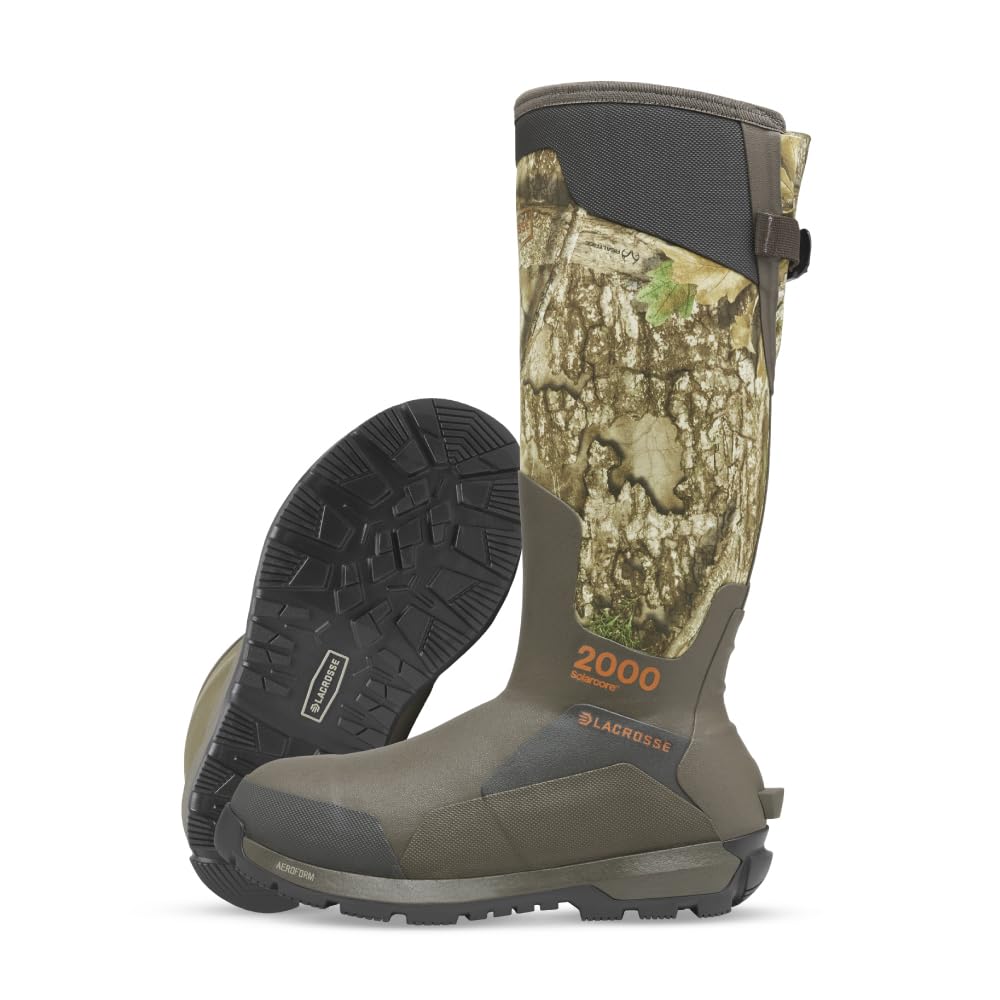
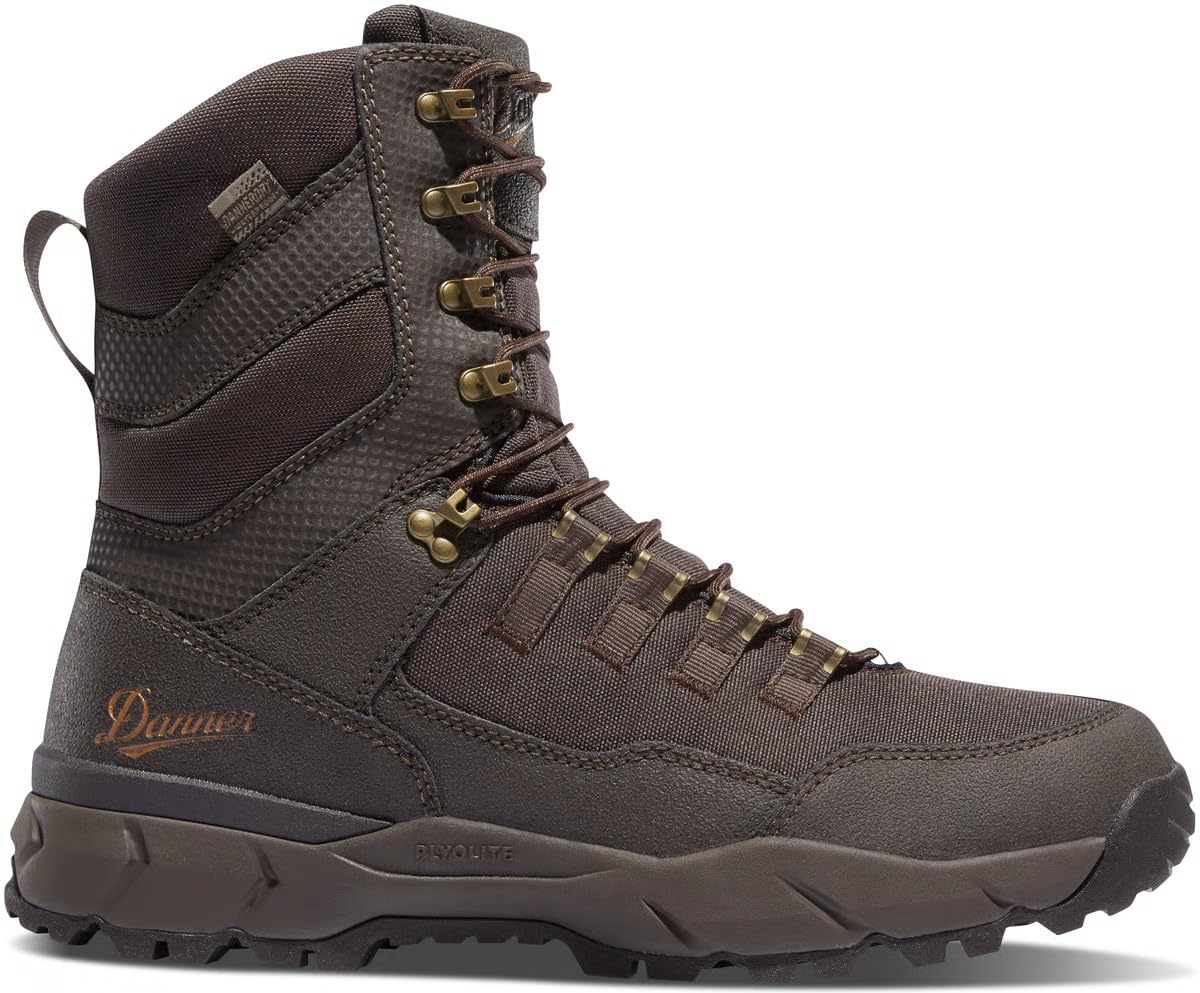


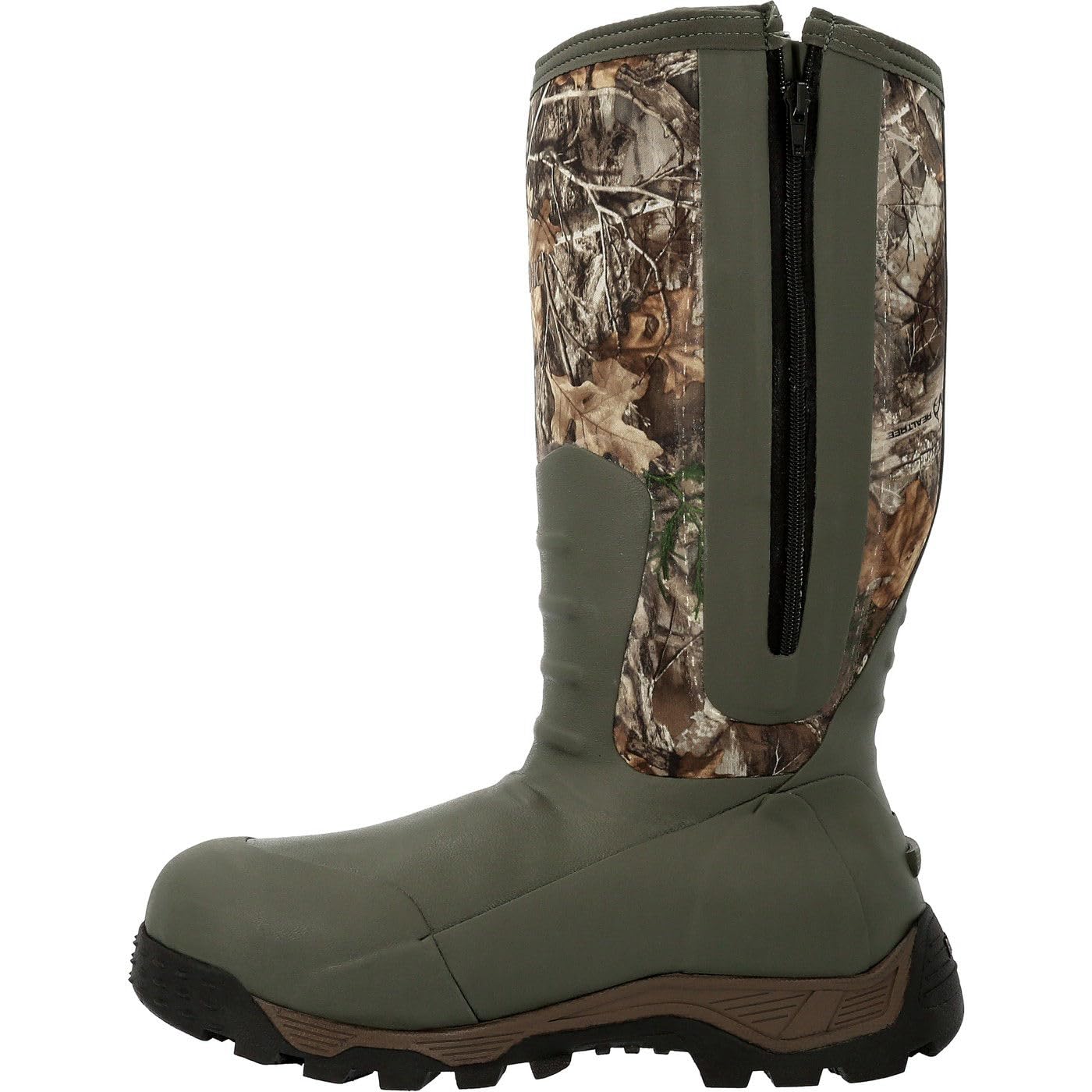

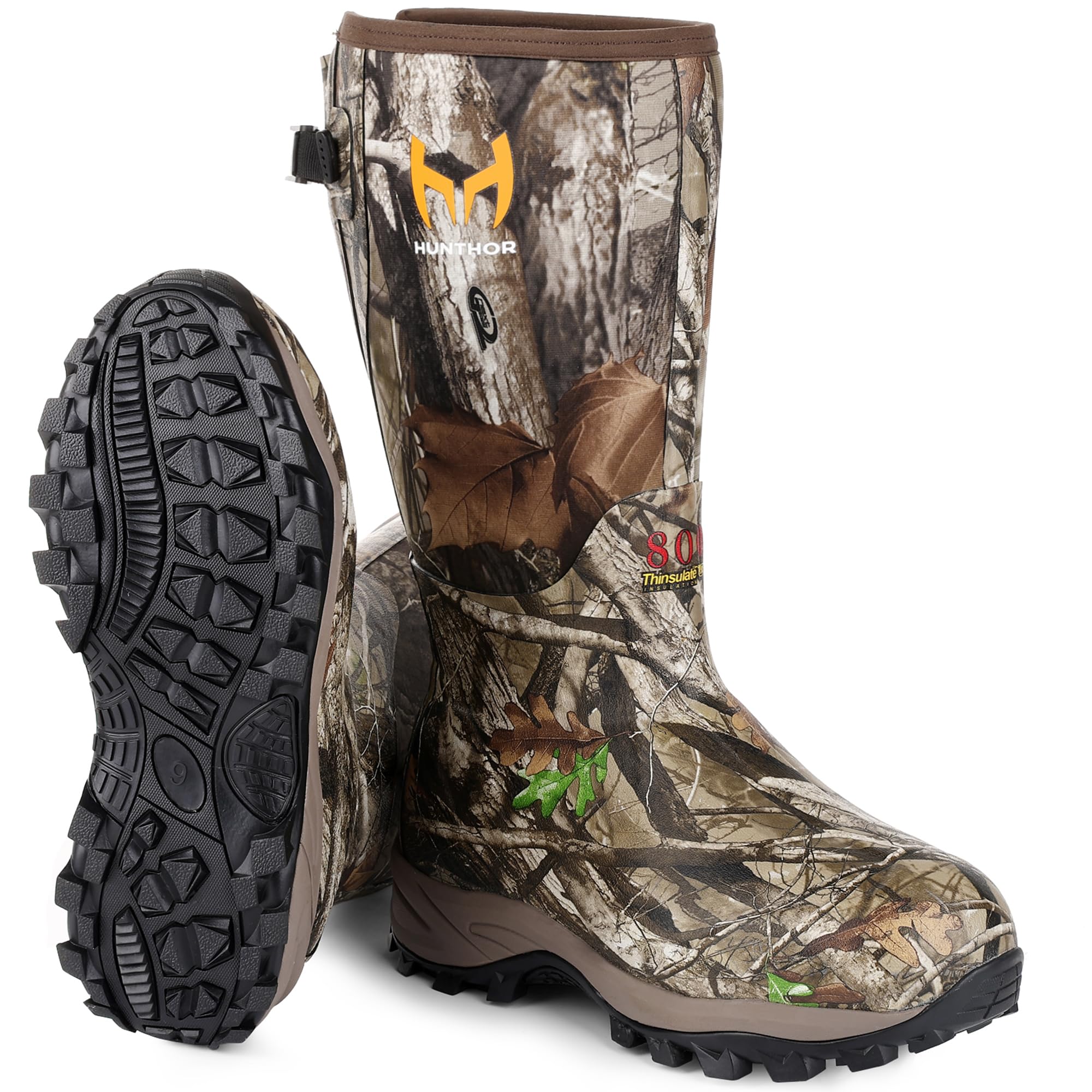


Types of Archery Boots Compared
Most archery boots fall into four broad kinds, and prices overlap, from about $60 to $120 for light field boots up to about $130 to $280 for insulated pairs.
Lightweight Field Boots for Range and 3D Courses
Light field boots use a fabric, suede or all synthetic upper on a flexible sole. They feel nimble when you walk between targets and stand on gravel, grass or packed dirt, and the softer sole steps quietly on dry ground. A low or mid height shaft keeps your ankles free, which suits target archery and 3D courses. Deep mud, standing water and real cold expose their limits, since most offer only modest water resistance and little warmth.
Rubber Boots for Wet Ground and Quiet Approaches
Rubber boots are tall pull on boots that seal out water from sole to knee. The smooth shaft sheds mud with a rinse and carries less scent from grass and soil than porous fabric, which is why bowhunters like them for wet morning approaches. A flexible sole bends silently over twigs and leaf litter. The trade offs are heat on summer days, a looser ankle fit and less precise footing on steep slopes.
Tall Leather Boots for Rough Cover and Support
Tall leather boots pair a sturdy leather upper with a higher shaft and a firmer sole. The leather resists brush, stubble and rocky edges, and the shaft guards your calf and supports your ankle on slopes. They suit long walks in rough country and shooters who want one durable pair for most of the year. Expect a break in period of several outings, more weight on every step, and regular conditioning to keep the leather supple.
Insulated Boots for Cold Weather Shooting
Insulated boots add a warm lining inside a rubber or leather shell. They matter most when you sit still, since a still body loses heat faster than a walking one, and cold feet end a session early. Light lining suits cool autumn mornings, while thick lining suits winter rounds and long sits below freezing. The bulk can dull your feel of the ground, and the same pair feels far too hot in July, so let a lighter pair handle the warm months.
Who Should Buy Which Archery Boots?
Kids and Youth Options for Young Archers
Young archers outgrow boots fast, so value and light weight beat premium materials. A light field boot or a simple rubber boot with room for growth serves a season or two without a large bill. Easy closures help younger kids dress without help. If a young archer is building a first kit, see our guide to the best youth archery sets so bow gear and boots can share one budget.
Beginner Options for New Archers
A beginner friendly first pair is usually a light field boot in the middle price range. It walks well, needs no break in and works at the range, on a backyard line and on a first field course. Spend early effort on fit, not features, since sore feet teach bad stance habits. If you are assembling starter gear too, see our guide to the best archery sets for bow packages that pair well with a simple first boot.
Bowhunters Who Walk Far and Then Sit Still
Bowhunters ask the most of a boot: quiet steps on the way in, dry feet in wet cover and warm, steady feet during long still sits. Rubber boots fit wet low ground, while insulated leather boots fit cold, rough country. Hunters who want a deeper hunting focused comparison can see our guide to the best boots for archery hunting. During long sits, many hunters also glass field edges, and our guide to the best binoculars for archery hunting covers that wait.
How to Choose the Right Archery Boot
Once the type is settled, choosing the best archery boots comes down to five checks. Work through them in order, because a boot that fails the first check will not be saved by the rest.
Size, Weight, and Fit
Boot sizes are set by foot length, not by your height or weight, and brands differ, so always read the size chart for the pair in front of you. Measure both feet from heel to longest toe while standing, late in the day, in the socks you shoot in. Leave about a thumb width before your toes so your feet can spread under your stance. Most walking pairs weigh about 2 to 4 pounds in total. Rise onto your toes, kneel and shift side to side, and reject any pair where your heel lifts or your toes jam.
Grip and a Quiet Sole
Grip comes from lug shape and rubber softness working together. Shallow, closely spaced lugs grip hard floors and dry rock and pick up less mud, while deeper lugs bite into soft soil and wet slopes but can clog and click on stone. Softer rubber steps more quietly on dry leaves and holds better on slick surfaces, though it wears faster on pavement.
Shaft Height and Ankle Support
Shaft height shapes both protection and freedom. Low boots of about 5 to 6 inches feel light and flex easily for kneeling shots and warm weather. Mid height boots of about 7 to 9 inches add ankle support, keep out trail grit and suit most course walking. Tall boots of about 12 to 16 inches shield your calf from brush, shallow water and ticks, but they take longer to put on and feel stiff when you crouch.
Waterproofing, Breathability, and Warmth
Waterproof boots keep rain and wet grass out, but a barrier that blocks water also slows the escape of sweat. A membrane inside a fabric boot breathes a little and suits walking in mixed weather. A rubber boot blocks water fully and breathes hardly at all, so it feels clammy on long warm walks. Warmth then depends on lining and socks more than on the shell. Plan by season, and save insulation for cold, still days.
Upper Material and Durability
Durability starts with how the upper handles scrapes and flexing. Leather shrugs off brush and rocky edges and can last for years, but it costs more, weighs more and needs care. Synthetic fabrics weigh less, dry faster and cost less, though sharp stubble and rock wear them sooner. Rubber never soaks through and rinses clean, yet it can crack if stored folded or left in strong sun. Check stitching and the join between upper and sole, since those seams strain as the boot flexes.
Common Mistakes to Avoid
- Ordering your usual shoe size without checking the brand size chart leaves toes jammed and heels loose.
- Wearing cotton socks that hold sweat against the skin leads to blisters and cold feet.
- Buying the tallest, warmest boot for summer shooting makes your feet overheat and swell.
- Choosing deep mud lugs for mostly range use tracks dirt indoors and feels clumsy on hard floors.
- Storing boots while they are still damp invites odor, mold and cracked material.
How to Make Your Archery Boots Last Longer
Clean and dry your boots after every outdoor use. Brush off dry mud, rinse heavy mud with plain water and let them dry at room temperature, away from direct heat that can warp rubber and dry out leather. Check soles and uppers before each use for worn lugs, loose stitching and cracks, since a small split found at home is a dry foot saved in the field.
Store boots upright in a cool, shaded place, out of direct sun and extreme heat, and support tall shafts with a rolled towel so they do not fold and crease.
FAQ
Is a premium pair of archery boots worth buying for a beginner archer?
Usually not for a first season. A mid priced light field boot with a correct fit will serve a new archer well while skills and habits form. Premium prices buy lighter materials, tougher leather and longer warranties, and those gains matter once you walk long courses every week. Put the savings toward lessons, arrows and good socks first.
How long do archery boots usually last?
Archery boots usually last about two to four seasons of regular use. The sole is often the limiting part, since worn lugs lose grip and a worn heel can tilt your stance before the upper looks tired. Replace a pair when the tread looks smooth in the middle.
Does shooting indoors or outdoors change which archery boots you need?
Yes, the surface changes what your feet need. Indoor ranges have flat, dry floors, so a light low boot can be enough, and many venues ask for clean soles with no mud. Outdoors adds slopes, wet grass, roots and cold, so grip, water protection and support start to matter. If you shoot both, buy for the outdoor ground and clean the soles before an indoor session.
What size of archery boots should you get?
Get the size that fits your larger foot with your shooting socks on. Most people have one foot slightly longer, and sizing to the smaller one cramps the other toe box. Try boots late in the afternoon, when feet have spread, and stand in your shooting stance as well as walking.
Final Thoughts
Let your ground and season choose the type, then let fit settle the pair. A quiet sole, the right shaft height and room for your toes will do more for your shooting than any premium label. Use the product table above to compare types and prices against the checks in this guide.
When you shop for best archery boots with those points in mind, the choice narrows quickly. Buy the simplest pair that fits your feet and your usual course, and spend the saved money on practice time.


