
Best Archery Sets in 2026: Which One Fits the Way You Use It?
Disclosure: We may earn a commission when you buy through links on this page, at no extra cost to you. As an Amazon Associate I earn from qualifying purchases. Learn more

Not all archery sets fit every routine. See which set matches how you actually use it, what features to prioritize, and what you can safely skip.
There is no single set that suits every archer, because a backyard beginner, a club shooter, and a parent buying for a child need very different gear. Draw weight, bow length, and included accessories matter more than a long parts list. This guide to the best archery sets starts with how you will actually shoot, then matches set types to that routine.
A set bundles a bow with arrows, a target or arm protection, and basic extras so you can start in one purchase. The bundle is only a bargain if the bow fits your body and strength. Use the comparison table below to shortlist by user type, then check draw weight and sizing in the feature sections before you spend.



Who Should Buy Which Archery Sets?
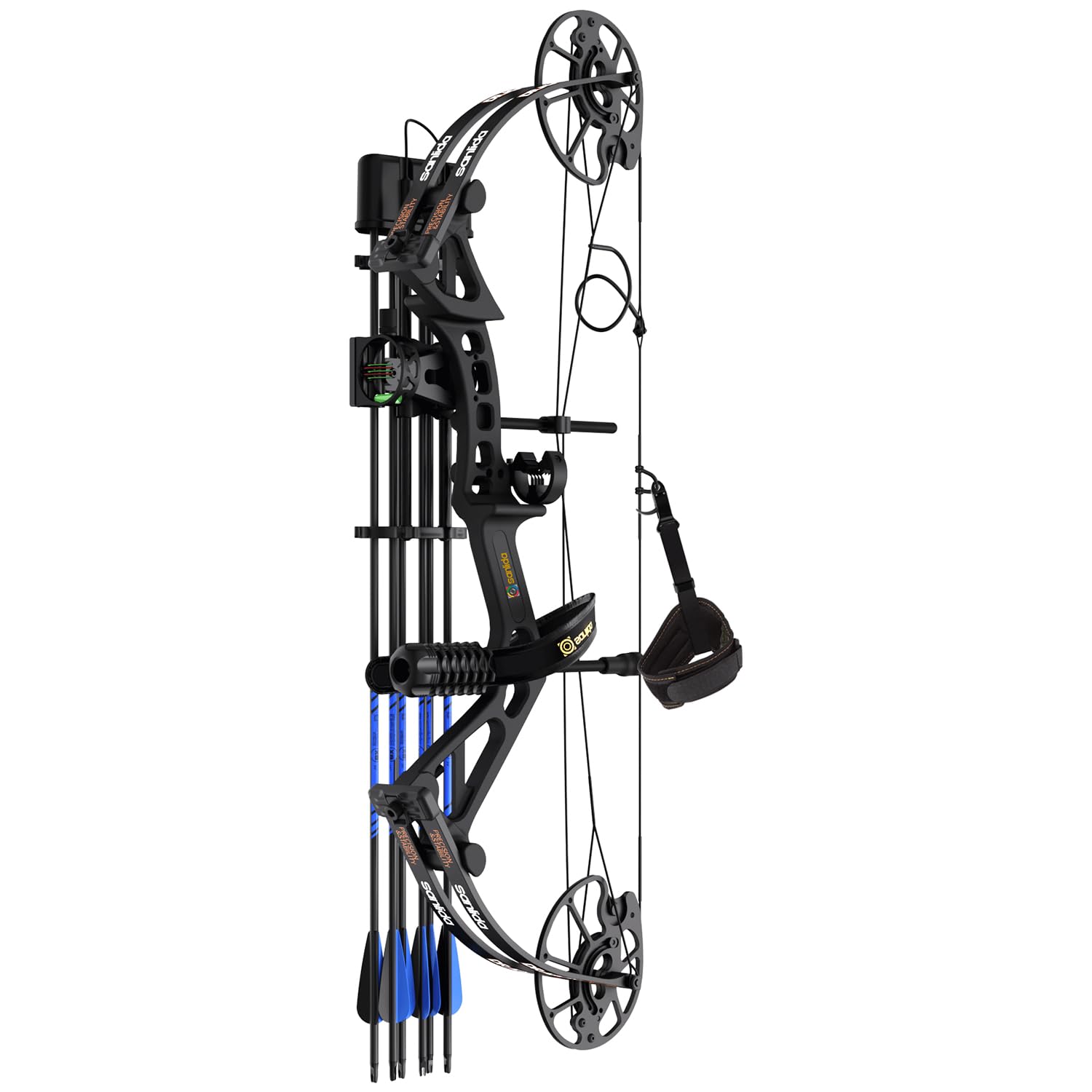
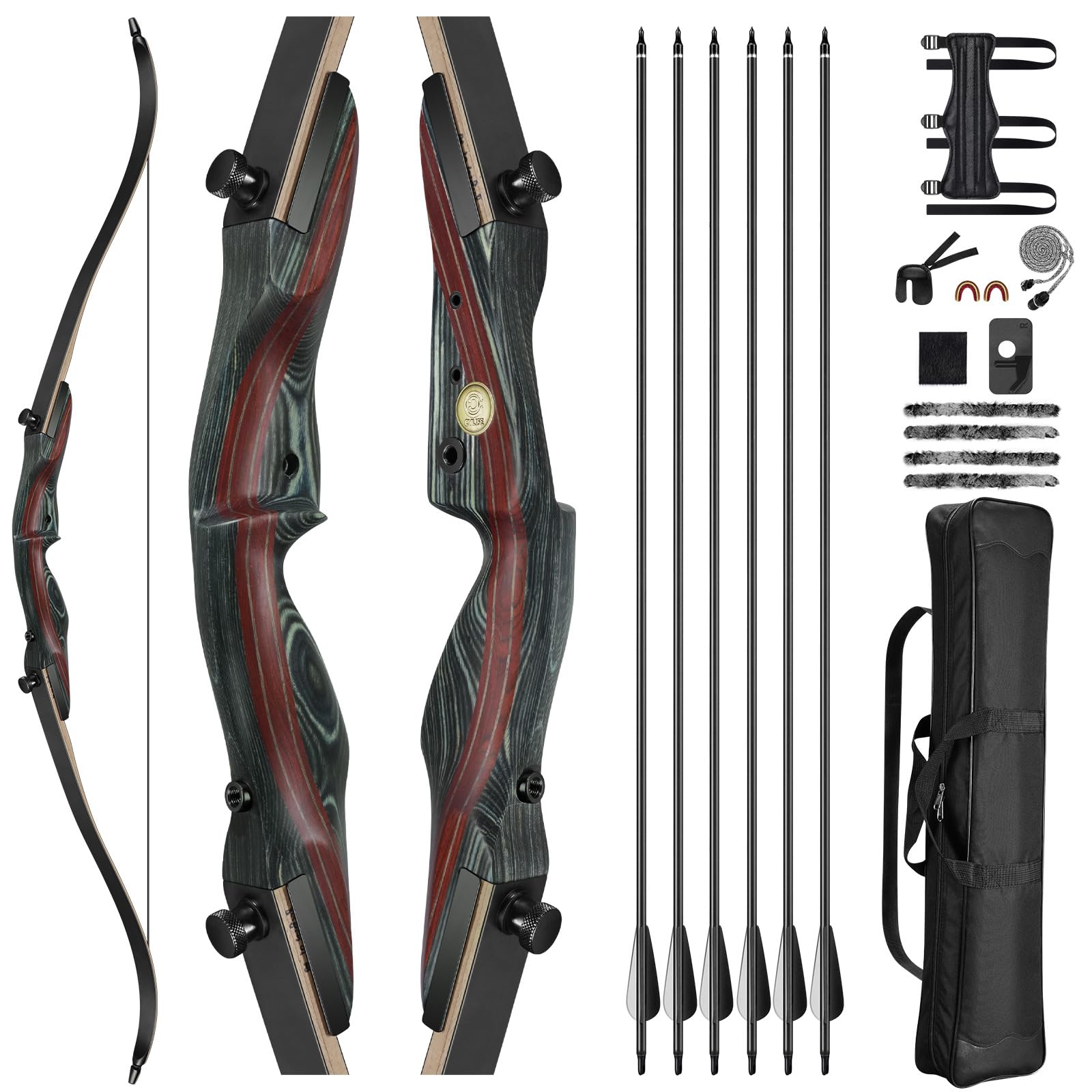
Most sets fall into three families. Takedown recurve sets let you swap limbs as strength grows. One piece recurve and longbow sets favor simplicity and a classic feel. Compound sets add cams and let off for hunting and target accuracy at higher draw weights. Your experience and setting decide which family makes sense first.
For Frequent or Serious Users
If you shoot weekly at a club or train for competition or hunting seasons, prioritize limb quality, stable riser construction, and a draw weight you can hold with good form for a full session. Serious users outgrow basic arrows and soft targets quickly, so a set with durable arrows, a proper target, and replaceable strings is better value than a set padded with novelty extras.
Budget about $200 to $450 for a set at this level, and expect to add a quality release aid or finger tab, plus spare arrows, over time. Warranty support on limbs and riser matters because regular shooting finds weak points. If you are an adult building a long term setup, our guide to the best archery sets for adults covers adult sizing and draw weight ranges in more depth.
For Weekend Beginners
If you are new and shooting for fun on weekends, ease of use beats power. A light draw weight, around 15 to 25 pounds for most adults starting out, lets you learn form without shaking or rushing the shot. Takedown recurve sets shine here because you can start with light limbs and buy heavier limbs later instead of replacing the whole bow.
Look for a set that includes an arm guard, finger protection, at least six arrows, and a target you can use at home where local rules allow. Expect about $80 to $180 for a sound starter bundle. Our dedicated guide to the best archery sets for beginners walks through first set choices step by step if you want a slower pace.
For Small Spaces and Easy Storage
If storage space is tight or you travel to a range, a takedown set is the natural pick. The limbs unbolt from the riser in minutes, and the whole kit fits in a short case or backpack. That portability also makes it easier to store the bow safely away from children and pets, which matters in a small home.
Avoid one piece longbows if space is your main constraint, since a bow near five feet long needs a tall closet or wall hooks. Also check target size. A compact foam target stores easily but suits shorter distances and lighter draw weights. A large bag target lasts longer with strong bows yet needs floor space. Match both halves of the set to the space you truly have.
Archery Sets for Specific Needs
Some buyers shop for someone else, and that changes the checklist. Gifts for children are the clearest case, because safety, fit, and supervision outweigh every performance claim. The points below keep that purchase grounded.
Best Archery Sets for Kids
For young archers, draw weight and bow length must match the child, not the adult buying. Most children do well with about 10 to 20 pounds of draw weight and a shorter bow they can hold steady. Lightweight composite bows with soft tip arrows or a low power recurve suit a first taste, while older children ready for real target work need matched arrows and a proper target.
Adult supervision is essential at all times, with a clear range, a safe backstop, and a firm rule that bows are never pointed at people or animals. Choose sets with an arm guard included and clear age guidance from the maker. Our guide to the best youth archery sets compares youth sizing in detail for parents who want more help.
Key Features to Compare
Once your user type is clear, compare sets on construction, portability, safety, skill fit, and sizing. These five checks reveal most weak bundles quickly, because a low price often hides arrows that do not match the bow or a target that a stronger bow will shoot through.
Materials and Construction
Risers come in wood, composite, and metal. Wood feels warm and classic, composite keeps cost and weight down, and metal risers offer stiffness and accessory mounts for sights and stabilizers. Limbs are often laminated wood and fiberglass on recurve sets, which balances smoothness and durability. Check that limb bolts and pockets look clean and that the string sits centered in the limb grooves.
Arrows matter as much as the bow. Fiberglass arrows suit light youth bows, while carbon and aluminum arrows suit stronger adult bows. Arrow spine must match draw weight, or flight will be erratic no matter how good your form is. A set that states arrow length, material, and intended draw range is easier to trust than one that lists only a count.
Portability and Storage
Portability decides whether the set gets used. A takedown bow in a padded case, a target with a handle, and arrows in a tube can go to a club or a family property in one trip. Heavy one piece bows and large targets tend to stay home. If you plan to shoot at a club, confirm the set fits your car and that the case protects limb tips, the parts most often damaged in transit.
At home, store bows unstrung if the maker advises it for long breaks, away from heat and direct sun. Keep arrows separate and inspect them before each session. A simple know how habit is the flex check for carbon arrows. Flex the shaft and listen for cracks, and discard any damaged arrow at once, since a broken shaft at release can injure the hand.
Safety and Certifications
Safety gear in the box is not filler. An arm guard prevents string slap bruises that put beginners off, and a finger tab or glove protects draw fingers at higher weights. For children, look for clear age labeling and products that meet general toy and sports safety standards in the United States, and follow maker guidance on supervision and minimum age without exception.
Your own habits complete the picture. Shoot only at a proper target with a safe area behind it, never sky draw, and never dry fire a bow, meaning never release the string without an arrow, because the energy can crack limbs. Keep spectators behind the shooting line. If a set includes no target and no protection at all, budget for those items before the first session, not after the first bruise.
Skill Level and Intended Use
Beginner sets trade adjustability for simplicity, which is right for learning stance, anchor, and release. Intermediate sets add sight mounts, stabilizer bushings, and limb options that support growth. Advanced and hunting sets focus on higher draw weights, cams or efficient limbs, and accessories for accuracy at distance. Buying one level above your current skill can work with a takedown bow, because limbs can start light.
Intended use shapes the target too. Backyard practice at short range needs a target rated for your draw weight at that distance, since arrows penetrate more at close range. Field and hunting practice may call for larger foam targets. Indoor club shooting often supplies targets, so a home target may matter less. Spend on the parts your setting actually uses.
Size, Weight, and Fit
Two numbers decide fit. Draw length is roughly your arm span in inches divided by 2.5, and bow length should suit that draw. As a plain guide, a 62 to 66 inch recurve suits many average adults, while shorter bows suit shorter draws and youth archers. A bow that is too short for your draw will stack, meaning it gains weight sharply near full draw and feels harsh.
Draw weight is the second number, and honesty saves money here. Most new adult archers start well at about 20 to 30 pounds for recurve target work, even if they are strong in the gym, because archery uses specific back muscles. You should be able to hold at full draw for several seconds without shaking. If you cannot, the bow is too heavy for learning, whatever the listing suggests.
Common Mistakes to Avoid When Buying Archery Sets
- Choosing draw weight by ego or by hunting minimums, then learning poor form with a bow you cannot hold steady.
- Ignoring arrow match, so arrows in the box are too weak or too stiff for the bow and group poorly.
- Buying a target rated below your draw weight, and watching arrows pass through into a fence or wall.
- Skipping arm and finger protection to save a few dollars, then quitting after painful string slap.
- Buying a one piece bow for a growing child instead of a takedown set with limb options.
Care and Maintenance Tips
Store the bow out of direct sun and extreme heat, since heat can warp limbs and weaken string material. Wax the string lightly on a regular schedule to keep fibers protected, and replace a frayed string at once. Check limb bolts, arrow rests, and sight mounts for looseness before each use, and clean and dry arrows and metal parts after outdoor sessions in wet grass or dust.
Targets need care too. Rotate a foam target to spread wear, pull arrows straight out with both hands near the surface, and retire a target that no longer stops arrows safely. Keep a small log of draw weight changes and string replacements if you shoot often. That record helps you spot wear early and keeps a shared family set safe for the next user.
Frequently Asked Questions
How long does an archery set last?
A well kept archery set lasts for years. Riser and limbs can serve for a decade with dry storage and no dry firing, while strings usually need replacement every one to two years with regular use. Arrows are the consumable part, since lost and damaged arrows are normal. Targets wear fastest at high draw weights. Lifespan depends more on storage and inspection habits than on price tier.
Is a premium archery set worth it for a beginner?
A premium set is rarely worth it for a first purchase. Beginners gain more from a light, forgiving takedown set and a few lessons than from costly limbs shot with new form. The exception is a takedown riser you can keep while swapping to lighter starter limbs, since that platform grows with you. Otherwise start mid range, confirm you enjoy the sport, and upgrade with knowledge.
Does indoor or outdoor use matter for an archery set?
Yes, setting matters for target choice and arrow care. Indoor ranges provide backstops and set distances, so your home target needs are smaller. Outdoor shooting adds wind, uneven light, and wet ground, so durable arrows, a weather resistant target, and a dry storage plan matter more. Never shoot outdoors without a safe backstop and a clear area behind the target, even with a light youth bow.
What size archery set should I get?
Get a size based on your draw length and strength. Estimate draw length from arm span divided by 2.5, pick a bow length that suits that draw, and choose a draw weight you can hold steady for several seconds. For most new adults that means a 62 to 66 inch recurve at about 20 to 30 pounds. Children need shorter bows and about 10 to 20 pounds. When between options, go lighter.
The Bottom Line
Fit beats power, and honest sizing beats a long accessory list. Decide your user type first, then confirm draw weight, bow length, and arrow match. Those checks will rule out most poor bundles before price tempts you.
For most new shooters, the best archery sets are takedown recurve bundles with light limbs, matched arrows, and protection included. Compare your shortlist in the product table above, confirm the target rating for your draw weight, and start lighter than you think you need. Good form learned on a light bow carries to every stronger bow later.


