
Best Boots for Archery Hunting Made Simple: A 2026 Buying Guide
Disclosure: We may earn a commission when you buy through links on this page, at no extra cost to you. As an Amazon Associate I earn from qualifying purchases. Learn more

Shopping for the best boots for archery hunting for the first time? Learn the terms, compare options, and avoid rookie mistakes with this easy guide.
Bowhunting is a close range sport. Most shots happen inside 40 yards, which means your boots have to get you near game without being heard and then keep you comfortable while you sit or stand still for hours. The best boots for archery hunting are chosen for quiet steps, steady warmth, and a fit you forget about, not for marching across mountains.
If this is your first pair, this guide starts with the basics, explains each spec in plain English, and points out the mistakes new bowhunters make. The product table gives a quick overview, and the sections after it walk you through everything step by step.

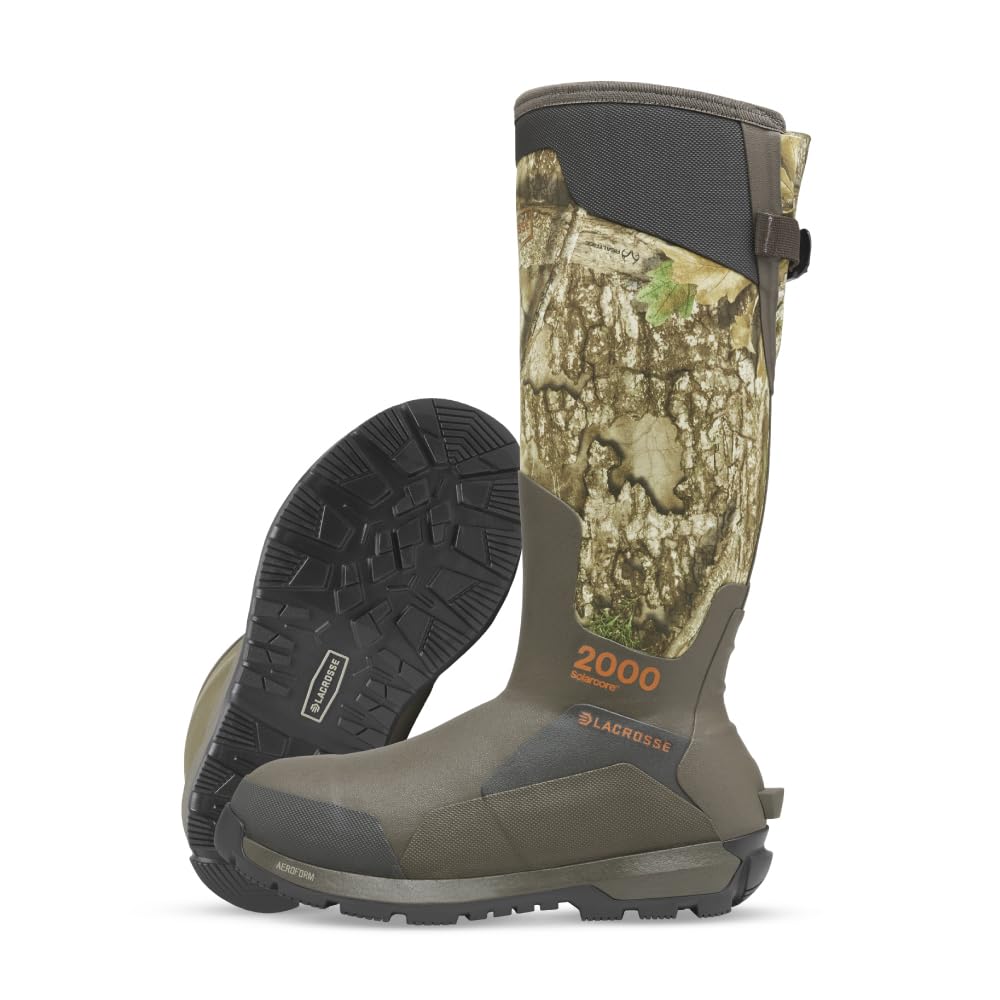
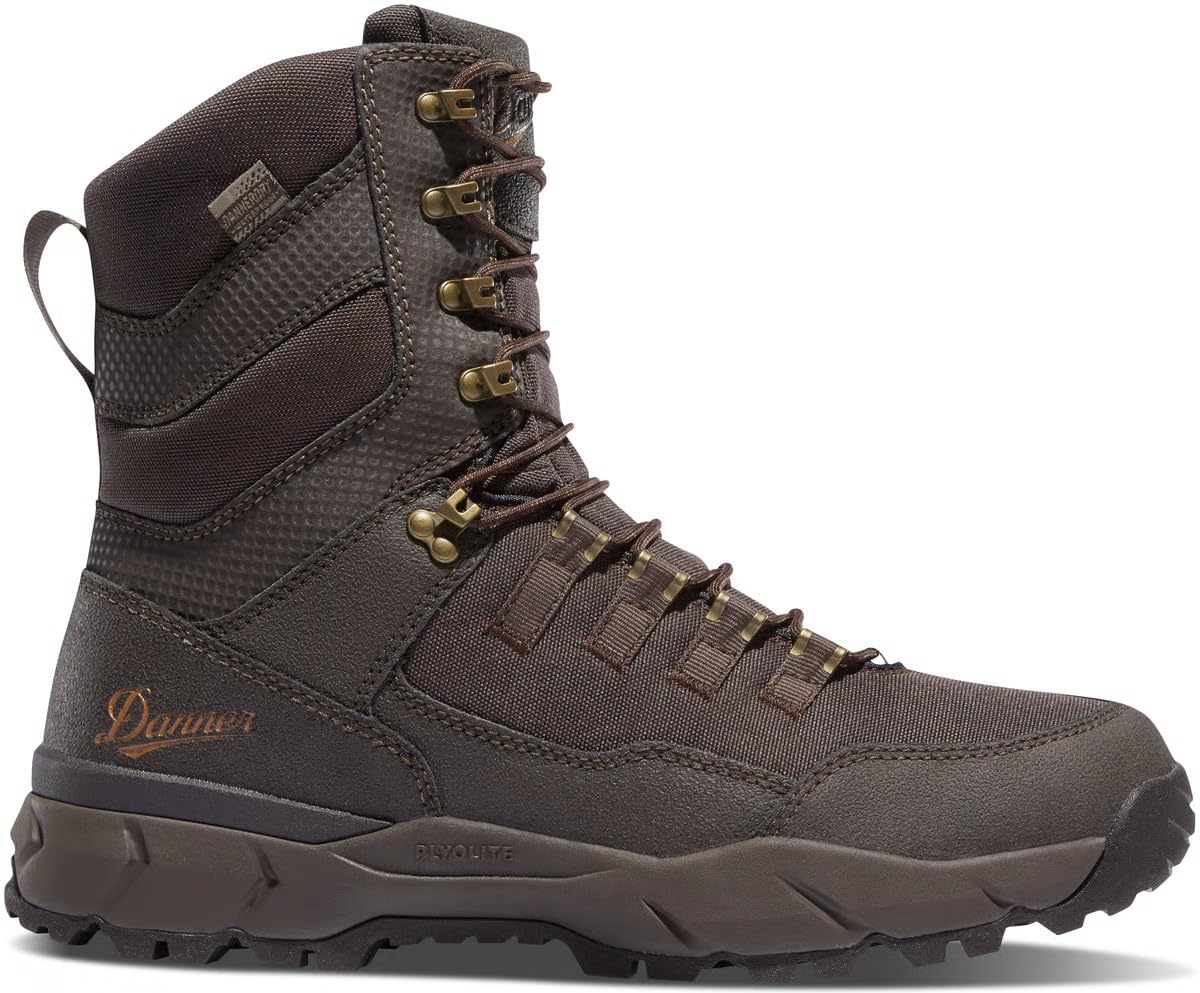


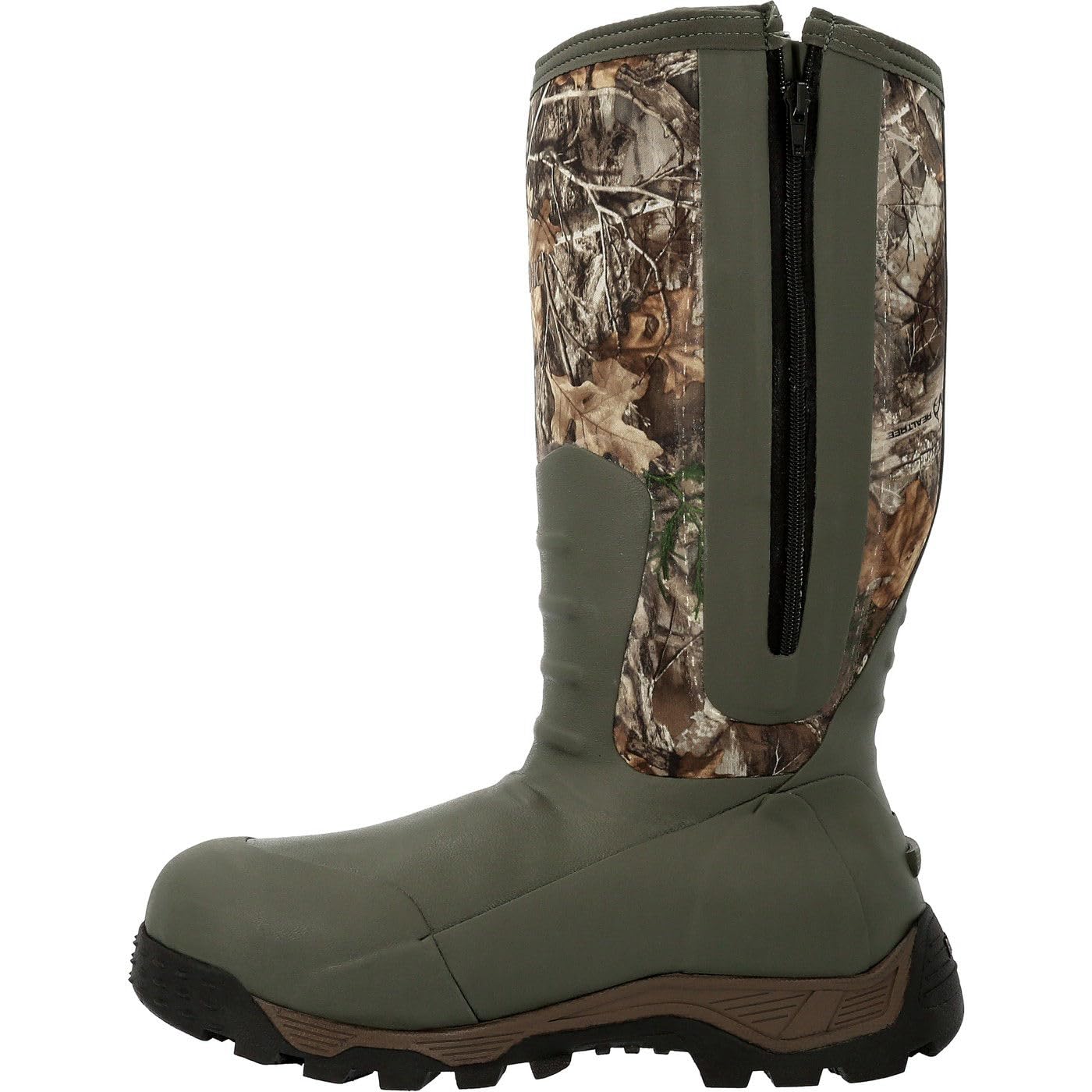

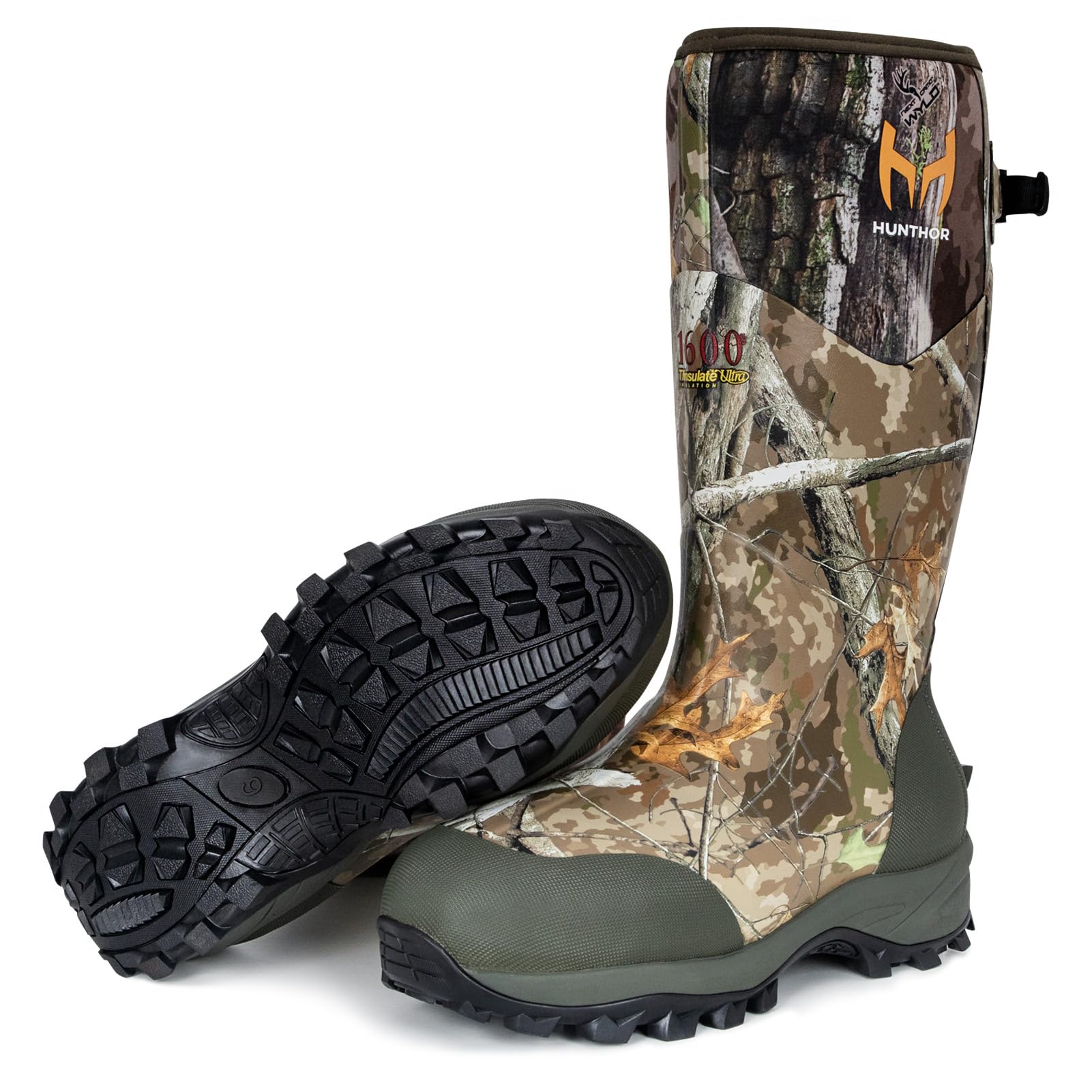

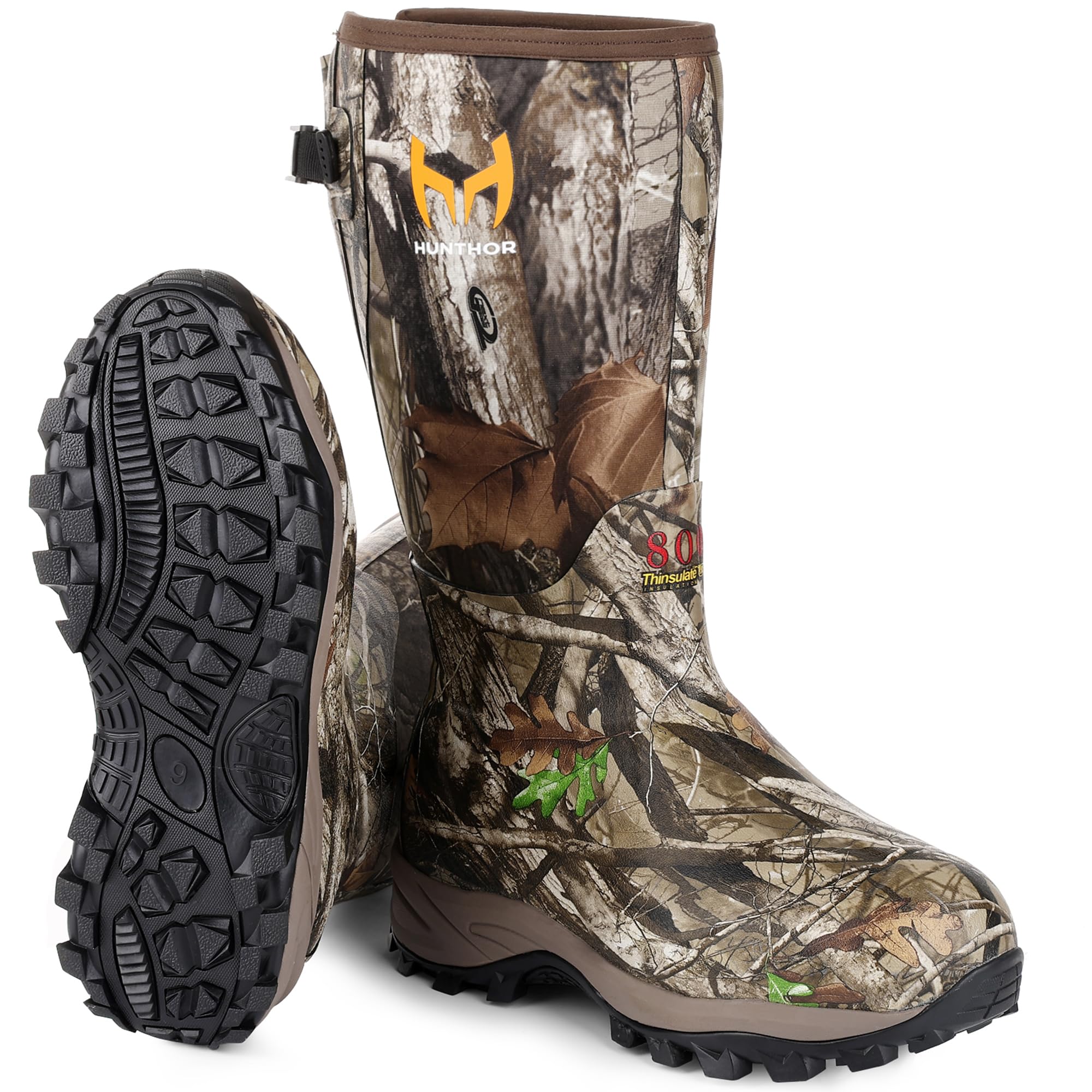
Boots 101: The Basics
A hunting boot has three parts that matter: the upper, which wraps your foot and ankle; the midsole, which cushions each step; and the outsole, whose tread grips the ground. Above the boot sit two extras that change how it performs: insulation, measured in grams, and a waterproof membrane that keeps water out while letting some sweat escape. Our guide to the best hunting boots covers the wider category, but archery hunting adds one demand other hunting styles share less: silence.
A rifle hunter may shoot from 200 yards, while a bowhunter must cross the last stretch of leaf litter, twigs, and frost without a crunch. That is why soft, flexible soles and a close, secure fit matter more here than stiff support or aggressive tread.
Key Specs for the Best Boots for Archery Hunting
Features That Matter for Archery Hunting
Four features decide how a boot performs for bowhunting. First, a soft rubber outsole with shallow, closely spaced tread flexes over sticks instead of snapping them, and it stays quieter on frozen ground. Second, scent control matters because deer trust their nose more than their eyes; full rubber boots hold the least scent, while leather and fabric uppers pick up odors from trucks and fuel.
Third, insulation from about 400 to 1200 grams keeps feet warm during long, still sits, when your body generates little heat. Fourth, a waterproof membrane handles dew soaked grass on the walk in. Purpose built best archery boots combine these traits, so use them as your reference point when comparing general hunting models.
Skill Level and Intended Use
Match the boot to how you actually hunt, not to the hardest trip you can imagine. Treestand and ground blind hunters walk a short, known path and then sit still, so warmth and a quiet sole outrank ankle support. Spot and stalk hunters cover broken ground and crawl into position, so they need a lighter boot with more flex and support.
Western bowhunters chasing elk add elevation and heavy packs, and our guide to the best boots for archery elk hunting covers that tougher mix. Beginners do best with one mid height, moderately insulated pair that handles their home ground well.
Indoor vs Outdoor Use
Hunting boots are field gear, and nearly everything about them is designed for outdoor ground: mud, wet leaves, shallow creeks, and frozen dirt. Indoor use means the archery range, where flat floors ask nothing of tread or waterproofing, so practice in whatever shoes you already own and save the boots for the field. The real split to think about is surface: soft forest floor rewards a flexible, quiet sole, while rocky or icy ground rewards deeper tread and a firmer shank. If your season includes both, choose the boot for the ground where a noisy step costs you the shot.
Safety and Certifications
Hunting boots are not sold under one common safety certification the way some work boots are, so do not shop by labels that may not apply to this product. What actually keeps you safe is simpler. Check your state and local hunting rules before the season, since many areas require blaze orange outerwear during overlapping firearms seasons, even for bowhunters.
Follow the boot maker's sizing and care guidance, keep tread in good condition for wet logs and stand steps, and treat any boot as worn out once the sole smooths down. Comfort is the other safety point: a fit that causes numb toes on a cold sit is a reason to change boots, not to endure.
Portability and Storage
Weight is the portability number for boots: a typical insulated pair weighs about 2.5 to 4 pounds, and every extra pound feels bigger at the end of a long stalk. If you pack boots to a distant camp, look for models that compress reasonably in a duffel and dry overnight near, but not on, a heat source. At home, store boots upright in a dry spot away from direct sun and extreme heat, which crack rubber and dry out leather. A pair of boot trees or loosely stuffed newspaper keeps the shape and pulls moisture after wet hunts.
Rookie Mistakes to Avoid
- Buying stiff mountain boots for treestand hunting, which leaves you with noisy steps and cold feet during long sits.
- Choosing by camo pattern instead of fit, even though deer notice movement and scent far more than what your feet look like.
- Wearing brand new boots on opening day without breaking them in, and spending the hunt thinking about a blister.
- Skipping insulation because the walk in feels warm, then shivering through the still hours when the shot finally comes.
- Driving to the field in your hunting boots, picking up fuel and food smells that undo your scent control before you start.
Getting Started: Setup and First Use
Start by wearing your new boots around the house and on short walks for a week or two, adding distance as the leather or fabric softens. Pair them with the exact socks you plan to hunt in, since sock thickness changes fit more than most beginners expect. Practice climbing into your stand and drawing your bow while wearing them, because bulky toes and stiff ankles feel different on narrow steps.
Before each hunt, check wear on the sole and stitching, confirm the laces are sound, and let damp boots dry fully at room temperature. Store them out of direct sun and extreme heat between trips, and keep a spare pair of laces in your pack.
FAQs
How quiet do boots need to be for archery hunting?
Boots for archery hunting need to be quiet enough that you can feel the ground through the sole during the final approach. A soft, flexible sole lets you roll each step and stop mid stride when a twig shifts underfoot, which stiff soles make almost impossible. Try a pair indoors by walking slowly across a hard floor: if you can hear your own heel strike from the next room, deer at 30 yards will hear it too on a calm morning.
Can the same boots work for treestand sits and stalking?
Yes, one pair can cover both jobs if you choose a mid height boot with a flexible sole and moderate insulation, around 400 to 800 grams. For very cold stand sits, add insulated boot blankets over your boots once you are settled, which adds warmth without forcing you to stalk in heavy footwear. The compromise fails at the extremes: swampy ground wants tall rubber boots, and steep elk country wants real ankle support.
What size archery hunting boots should I buy?
Buy archery hunting boots in the size that fits with your thickest hunting socks on, tried late in the day when your feet are slightly swollen. You want a thumb width of space in front of your toes and a heel that stays put when you walk downhill. If foot pain keeps returning after hunts despite a careful fit, see a doctor rather than cycling through more pairs.
Are premium boots worth it for a beginner bowhunter?
Premium boots are usually not the best first purchase, because beginners are still learning which hunting style suits them. A mid priced pair at about $120 to $200 covers a full season of treestand and ground hunting while you learn. Spend the savings on practice arrows and range time. Once you know whether you mostly sit, stalk, or travel for elk, an upgrade aimed at that style, at about $250 and up, pays off far more than a premium all purpose boot bought blind.
How long do archery hunting boots last?
A decent pair of archery hunting boots lasts about three to five seasons of regular use. The outsole usually goes first, smoothing down until wet leaves and stand steps feel slick, and waterproof membranes often lose their seal around the same age. Uppers that are cleaned and dried after hunts outlast neglected ones by a wide margin. When a boot starts leaking at the flex point above the toes and the tread is worn flat, replacement beats repair for anything beyond a simple lace or insole swap.
Wrapping Up
For your first pair, keep the priorities simple: a quiet, flexible sole for close approaches, enough insulation for still sits in your climate, and a fit tried with your real hunting socks. Match the boot to the ground you hunt most, follow local hunting rules, and break the pair in well before opening day. The best boots for archery hunting are the ones that let you forget your feet entirely, so check the product table above and pick the style that fits the way you plan to hunt.


