
Best Archery Binoculars: Matching the Right Binocular to Your Routine 2026
Disclosure: We may earn a commission when you buy through links on this page, at no extra cost to you. As an Amazon Associate I earn from qualifying purchases. Learn more

Match archery binoculars to your routine, from the target line to the field course, with guidance on power, field of view, exit pupil and price bands.
There is no single binocular that suits every archer, because a target shooter reading scoring rings at short range and a bowhunter glassing a field edge at dawn ask very different things of the glass. The best archery binoculars for your routine are the ones matched to your distances, your light and your budget. This guide sorts the choices by how you actually shoot, then covers the few specs that decide the view.
Use the comparison table below to see the main classes side by side, then read the sections that match your kind of archery. A modest pair with the right power and field of view will serve you better than an expensive pair built for the wrong job.

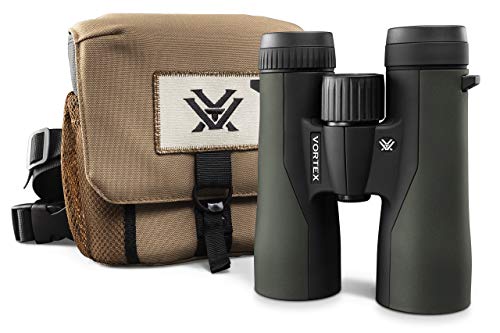


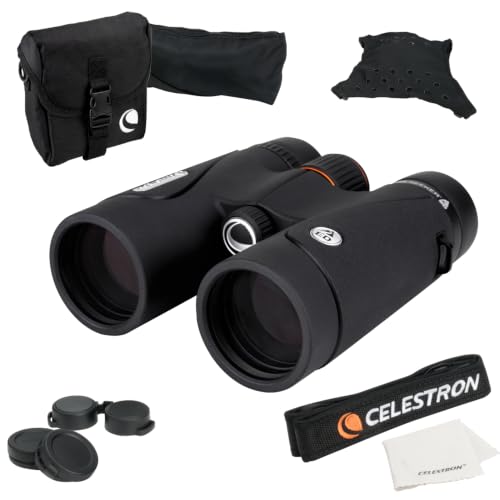

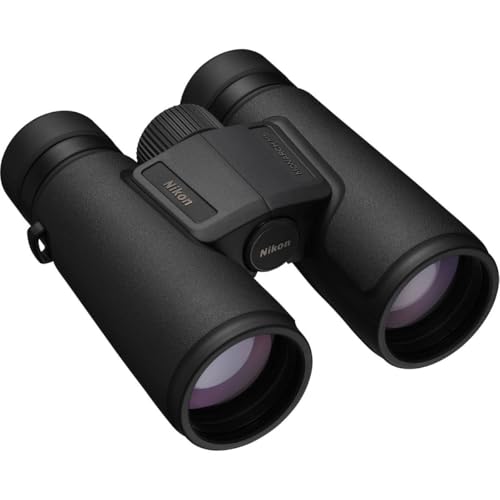


Who Should Buy Which Archery Binoculars?
For Target Archers at the Line
Your distances are known and short, and your real job is reading arrow holes and scoring rings clearly enough to call a line cutter with confidence. A steady view matters more than reach, so a moderate power class and a wide field serve you best. You shoot in open light most of the time, which means a mid priced pair with clean glass covers this routine without strain.
For Field Archers on the Course
You walk between targets all day, over slopes and through woods, and the range to each target changes every shot. Weight, grip and a strap or harness that carries well matter as much as the optics, because a pair left in the bag helps no one. Look for a compact mid size class with a tough rubber coating that shrugs off knocks against trees and target stands.
For Bowhunters in a Stand or Blind
Your key minutes come at first and last light, when a bright view matters more than anything printed on the box. Compact size helps in a stand, and quiet handling matters, since a clink against a rail can end a morning. Roundups of best rated binoculars for hunting compress many field hours into one score, so treat any score as a starting point and weigh light handling and size for your stand first; our guide to the best binoculars for archery hunting goes deeper on that routine.
For New Archers and Club Shooters
Start simple: a clear, sturdy pair with an easy focus wheel teaches you what you like before you spend serious money. Club shooting mixes target and field distances, so a general purpose class around eight power is the honest middle. Borrowing club glass for a few sessions first is a sound move, since it shows whether you prefer a compact pair or a fuller mid size one.
Key Features to Compare
Guides to best rated binoculars can sort the market for you, but a rating blends many uses into one score, so choosing the best archery binoculars starts with reading the features below against your own routine instead.
Magnification and Objective Size
The two numbers on every pair, such as 8x42, give power first and objective lens size in millimetres second. Archery is a close range pursuit, so power around eight is the working class: it enlarges the target face without magnifying hand shake into a blur. A ten power pair reaches a little further but narrows the field and trembles more, which is why most archers who try both settle on the steadier view.
Field of View
Field of view is the width of the scene you see at a set distance, and it governs how fast you find the right target face among a row of similar ones. A wide field forgives a rough aim of the glass and lets you scan a field edge without panning in slices. This is also why guides to best binoculars for birdwatching and best binoculars birding praise the same wide field class, since spotting a moving bird and spotting the correct target face are the same skill.
Exit Pupil and Low Light
Exit pupil is the objective size divided by the power, so an 8x42 pair gives about 5.3 millimetres. That small disc of light is what reaches your eye, and a larger disc keeps the view bright as light fades at dawn and dusk. Lens coatings support the same goal by cutting glare and reflections inside the glass, so a well coated 42 millimetre pair can look brighter than a larger pair with plain glass.
Close Focus and the Focus Wheel
Close focus is the shortest distance at which the pair still sharpens, and a class around two metres or less helps when a target stands near or an insect settles on the bow. Just as important is the wheel itself: it should turn smoothly with one finger, without grit or loose spots, because you refocus at every target. A diopter ring that locks is a quiet bonus, since it holds your eye correction once set.
Size, Weight and Weather Sealing
A full size pair is bright but heavy, a compact pair is light but dimmer, and the mid size class is where most archers land. Sealed, fog proof construction matters on cold mornings when you step from a warm car into damp air and cheaper glass mists inside. Rubber armour adds grip with gloves and guards the body against the small drops that happen around stands and target frames.
Common Mistakes to Avoid When Buying Archery Binoculars
- Choosing a twelve power pair for close targets, so hand shake blurs the very scoring rings you bought the glass to read.
- Buying the smallest compact pair, so the view turns dim at dawn and dusk when bowhunters need it most.
- Ignoring field of view, so finding the right target face takes longer than the shot itself.
- Skipping a harness or strap, so the pair rides in a bag instead of on your chest where it gets used.
- Judging by a single rating score, which blends rifle ranges, stadiums and birding into a number that says little about your distances.
Care and Maintenance Tips
Blow or brush grit off the lenses before you wipe them, and always use a clean lens cloth rather than a shirt, since trapped grit scratches coatings. Keep the caps on between uses, store the pair in a dry padded case away from heat, and let a wet pair dry at room temperature before casing it. Check the strap or harness mounts each season, because a worn loop fails at the worst moment, and keep the focus wheel free of mud so it stays smooth.
Archery Binoculars: Your Questions Answered
What does 8x42 or 10x42 mean on binoculars?
The first number is the power, so the target looks eight or ten times closer, and the second is the objective lens width in millimetres. One point buyers often miss is that the second number also drives size and weight: a 50 millimetre pair gathers more light but rides heavier on the chest all day. For most archery routines the 42 millimetre class balances brightness against carry comfort.
How much magnification do archery binoculars need?
About eight power covers nearly every archery distance, from indoor lanes to field courses. Extra power is not free reach, because it also magnifies your hand shake and narrows the field you search with. Archers who shoot mostly longer field rounds sometimes pick ten power, but they accept a trembling view on windy days as the price of that extra reach.
Are archery binoculars useful in low light?
Yes, a pair with a generous exit pupil stays useful well into dusk, which covers the first and last shooting light. A steady hold matters as much as the glass here: brace your elbows against your ribs or a rail and the dim view sharpens at once. If the image still looks grey and flat, the limit is the light itself, not your technique.
How much should a first pair of archery binoculars cost?
Around $60 to $150 buys a sound first pair with honest glass and solid build. Spending more, into about $150 to $300 and beyond, mainly buys edge clarity and better coatings, not more power, so the centre of the view improves rather than the size of the target. That is why a modest pair chosen for the right power class often satisfies longer than a costly pair chosen for reach.
Can a smartphone replace binoculars at the archery range?
Not well, because a phone zooms by cropping its sensor image, so the target face turns grainy exactly when you need fine detail. Phone screens also wash out in bright sun at outdoor ranges, while a binocular view stays shaded and steady. A phone is fine for photos of a good group after the shot, but it cannot do the glass work between ends.
The Bottom Line
Match the glass to your routine: power around eight for a steady close range view, a wide field for fast target finding, and an exit pupil near five millimetres for early and late light. The product table above gathers the main classes in one place, so compare it once more with your distances and light in mind. Chosen that way, the best archery binoculars are simply the pair that disappears in your hands while you shoot.


