Best Annuals for Sunny Planters for 2026
Disclosure: We may earn a commission when you buy through links on this page, at no extra cost to you. As an Amazon Associate I earn from qualifying purchases. Learn more

Best annuals for sunny planters: sun, water, soil and size checks that keep hot containers blooming all season.
A planter in full sun is a demanding home. Soil dries fast, roots heat up by afternoon, and a flower that looked fresh in the morning can wilt before dinner. Choosing the best annuals for sunny planters means matching heat tolerance and water needs to the pot you actually own, not just picking pretty colors at the store.
This guide walks you through sun hours, growth habit, soil, and feeding so you can build a display that lasts from late spring to frost. You will also find the product table helpful for checking sizes and plant types side by side before you buy.

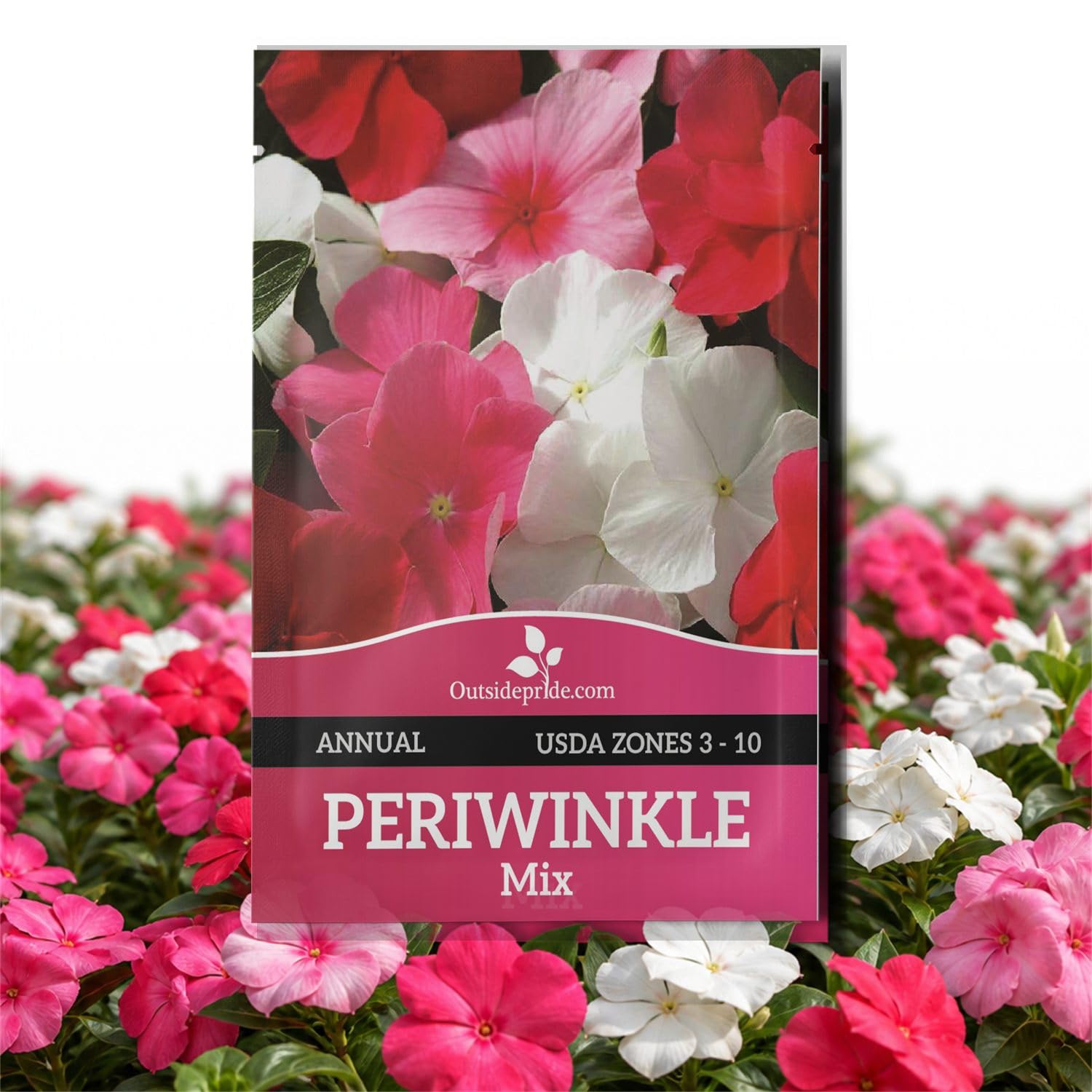
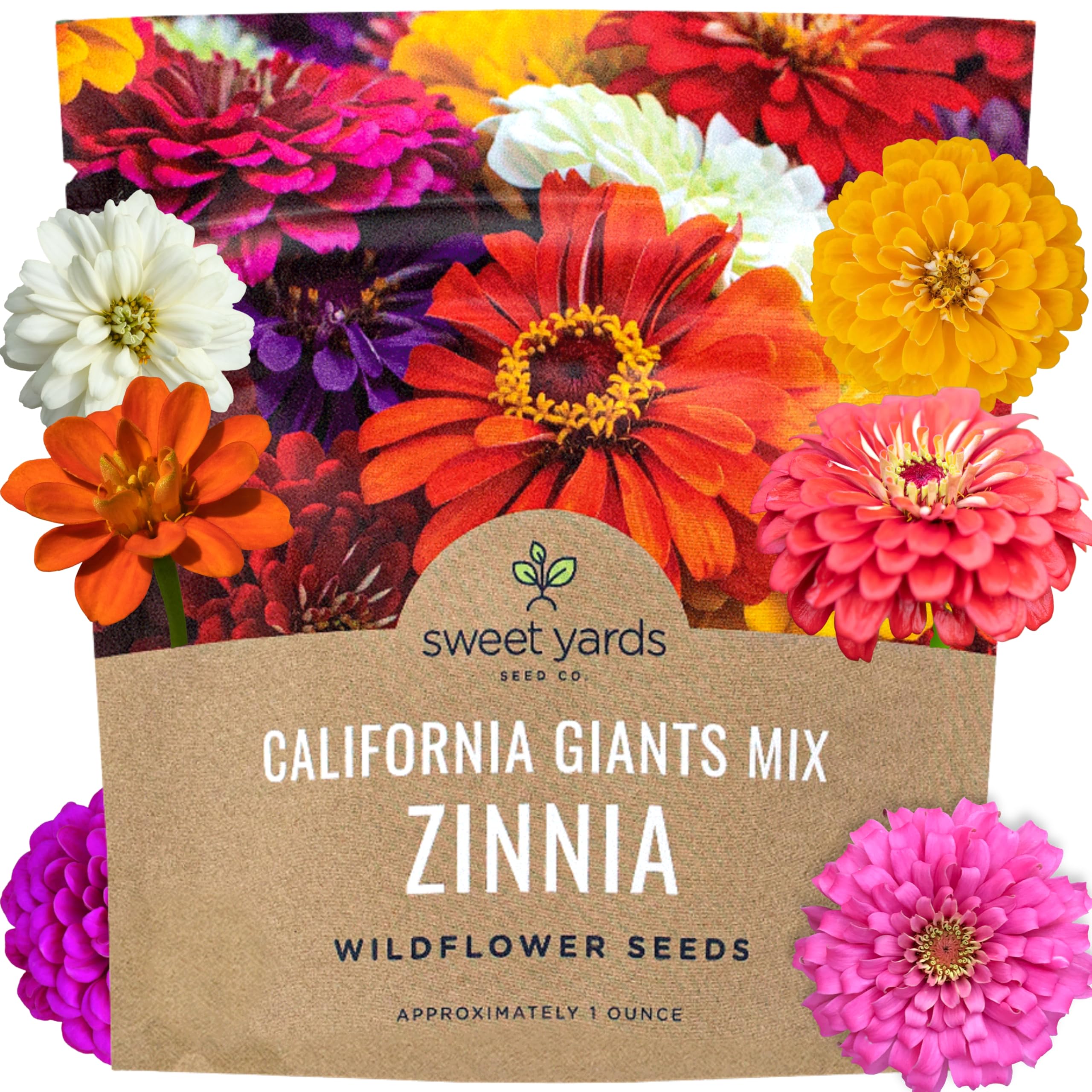



Choosing by Tier: What Each Price Level Gives You
Annuals are sold as seed, small starter plants, and larger nursery pots, and each route trades money for time. Understanding the tiers helps you spend on the plants that anchor your display and save on the fillers around them.
Budget Friendly Starters
Small cell packs and seed are the lowest cost way to fill a large planter. You get many plants for little money, but you wait weeks for full coverage and you must water tiny roots very consistently. This tier suits gardeners who start early indoors or who enjoy tending young plants daily. Choose sturdy, fast growing types for this route, because slow or fussy varieties can stall in small cells and never catch up once summer heat arrives.
Midrange Nursery Plants
Plants in four inch or six inch pots cost more per plant, yet they arrive with strong roots and often with buds already formed. For most sunny planters this is the sweet spot, since you see color within days and the root ball holds moisture better than a tiny plug. Spend at this level for the center and edge positions people see first. A practical know how point is to gently loosen circling roots before planting, which helps roots spread into fresh mix instead of staying in a tight ball.
Premium and Large Specimen Plants
Large gallon pots and premium varieties with dense branching or unusual colors cost the most, and they make sense when you need instant impact for an event or a front door display. You are paying for months of nursery care, not for a different kind of plant. Use one or two as focal points and fill around them with midrange plants. Check that a premium plant is not root bound or dried out in the store, because a stressed large plant can decline faster than a smaller, fresher one.
How to Choose Annuals for Sunny Planters
A sunny planter succeeds when sun, pot size, soil, and watering all point in the same direction. Work through the points below before you shop, and bring your pot measurements and sun notes with you.
Features That Matter for Sunny Planters
Look for plants labeled for full sun, which means at least six hours of direct sun, and favor types known for heat tolerance if your planter sits on concrete or near a reflective wall. Compact or mounding habits suit small pots, while trailing habits soften edges. Check the mature width on the tag and space plants so air can move between leaves. Crowded, wet foliage in hot sun invites mildew and rot, so a little empty space at planting time is a feature, not a waste.
Match the Product to Your Garden Size and Layout
Measure the planter diameter and depth before choosing. A shallow box dries in hours and suits only very drought tolerant, small rooted plants, while a deep pot of fourteen inches or more holds moisture for larger, thirstier flowers. Use the classic layout of one tall plant in the center or back, mounding fillers around it, and trailers at the rim. If you are comparing broader choices, see our guide to the best annuals for planters for layout ideas that work in shade and sun alike.
Value and Coverage per Dollar
Judge value by coverage area at maturity, not by the count in a pack. One vigorous plant that spreads twelve inches can replace three weak plants and will root more deeply. Seed packets list coverage only loosely, so think in terms of final spacing from the tag. Buying a six pack that needs replacing in July costs more than a healthy midrange plant that lasts to frost. Save receipts and note which varieties covered fastest, because that record makes next year shopping far more accurate.
Ease of Use and Daily Care
Be honest about your routine. If you can water only every other day, choose drought tolerant types and the largest pot you can fit, and skip thirsty flowers that need daily drinks. Self cleaning types that drop spent blooms save deadheading time, while plants that need pinching reward gardeners who enjoy daily tidying. Group planters with similar water needs together so one watering pass serves them all. A moisture meter or a simple finger test to the second knuckle removes guesswork on hot, windy days.
Durability and Weather Resistance
Sunny planters face wind, sudden storms, and heat waves. Sturdy stems and flexible growth handle wind better than tall, brittle growth, especially on balconies. After a storm, tip out standing water, remove broken stems cleanly, and let the mix dry before watering again. In regions with early frost, choose plants that tolerate light cold so one chilly night does not end the display. For a wider view of sun loving choices, read our guide to the best plants for sunny planters, which includes perennials that return each year.
Soil, Drainage, and Food
Use fresh potting mix, not garden soil, because garden soil compacts in pots, drains poorly, and can carry weed seed and disease. A good mix feels light, contains perlite or bark for drainage, and wets evenly after drying. Confirm the planter has drainage holes, and empty saucers after watering so roots never sit in water. Feed with a balanced liquid fertilizer at half strength every one to two weeks, since frequent watering washes nutrients out of pots quickly. If you prefer organic inputs, look for OMRI listed fertilizers and compost based mixes. Check that any product used near edibles is labeled safe for food gardens.
Types of Annuals for Sunny Planters
Annuals fall into simple habit groups. Mixing one plant from each group gives a full, layered look without crowding.
Premium and Heavy Duty Options
Heat proven, vegetatively grown varieties are bred for nonstop bloom, strong branching, and tolerance of hot nights. They cost more and are sold as individual pots rather than seed. They suit front door planters and hot patios where failure would be very visible. Their main drawback is price and the fact that you cannot collect true seed from many of them for next year.
Standard Options
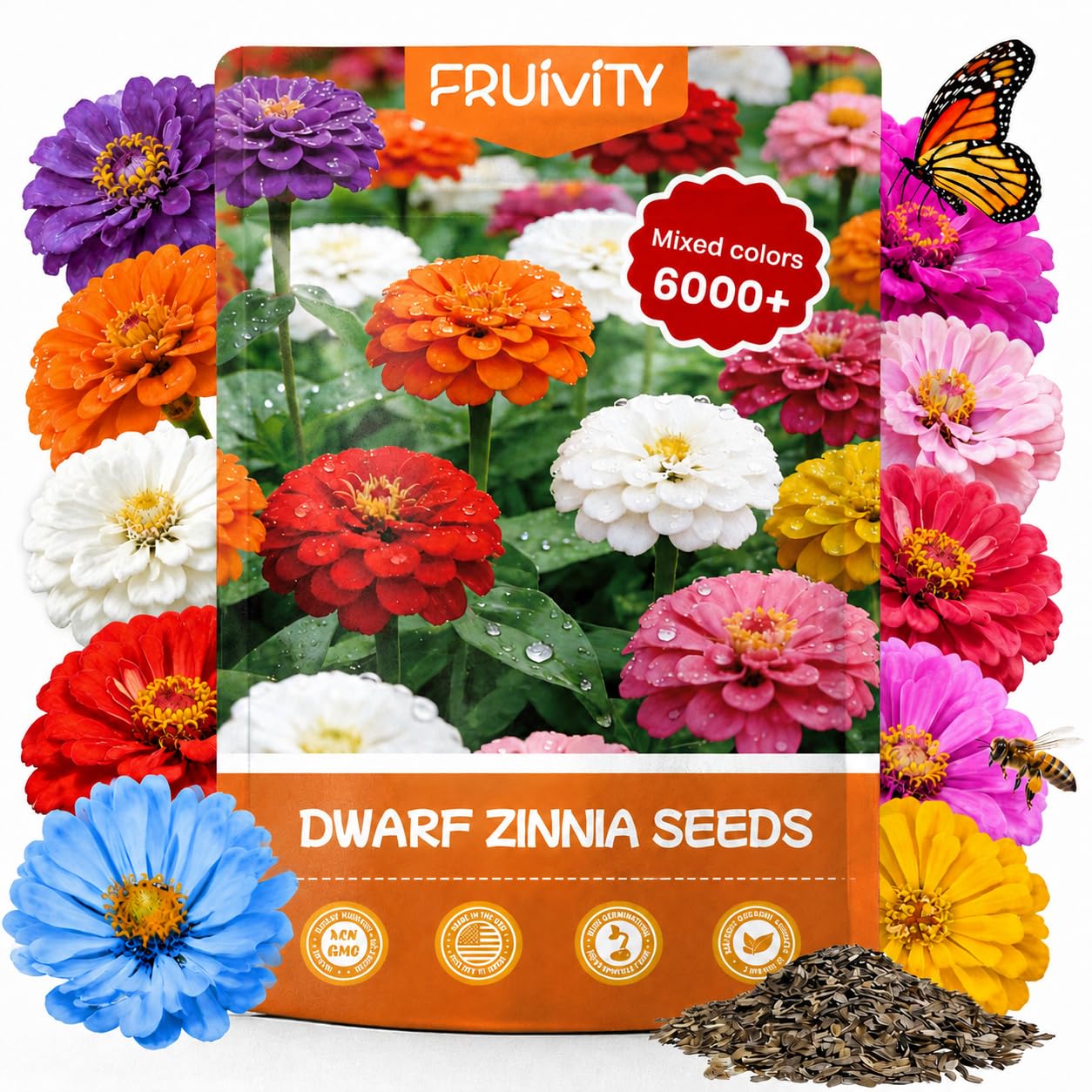
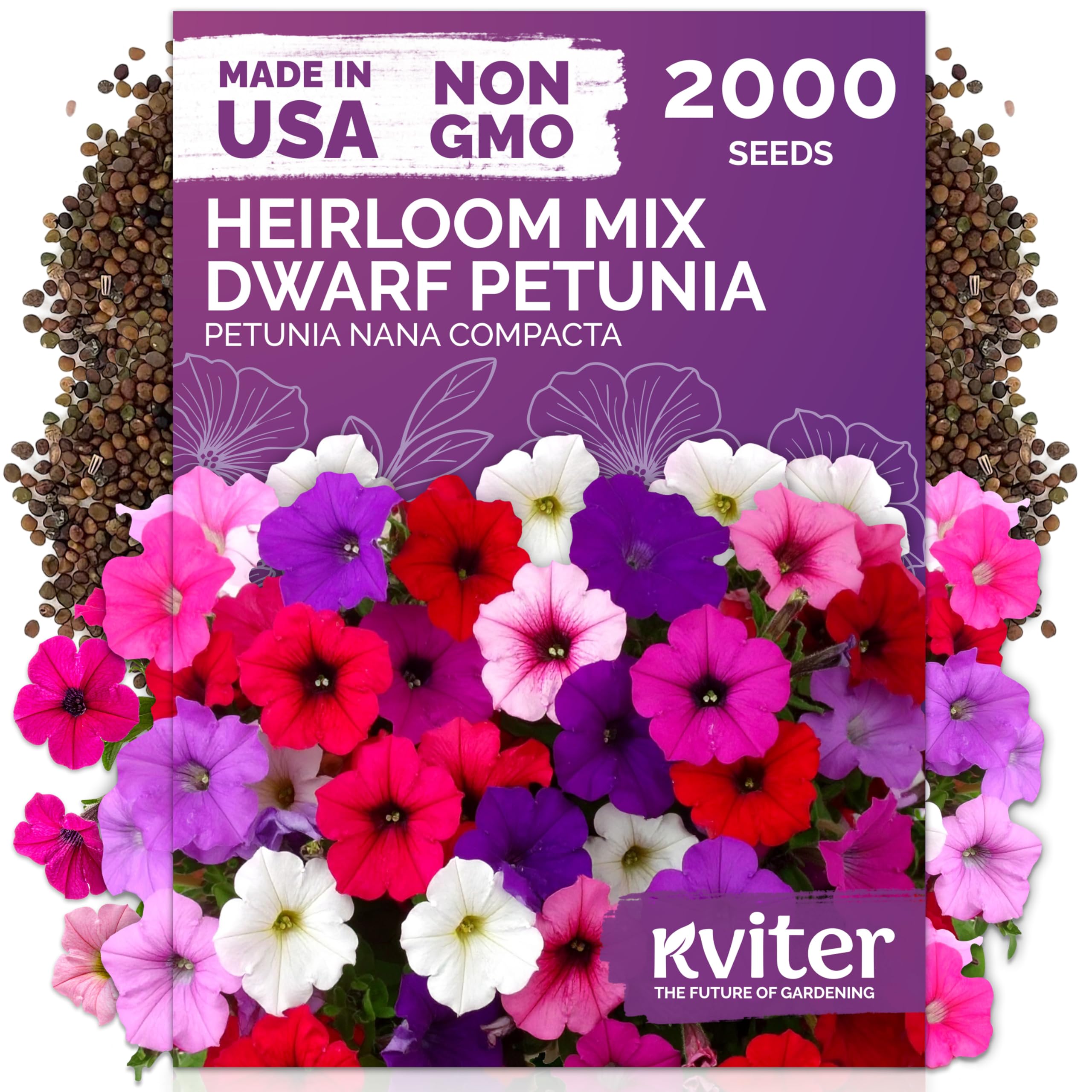
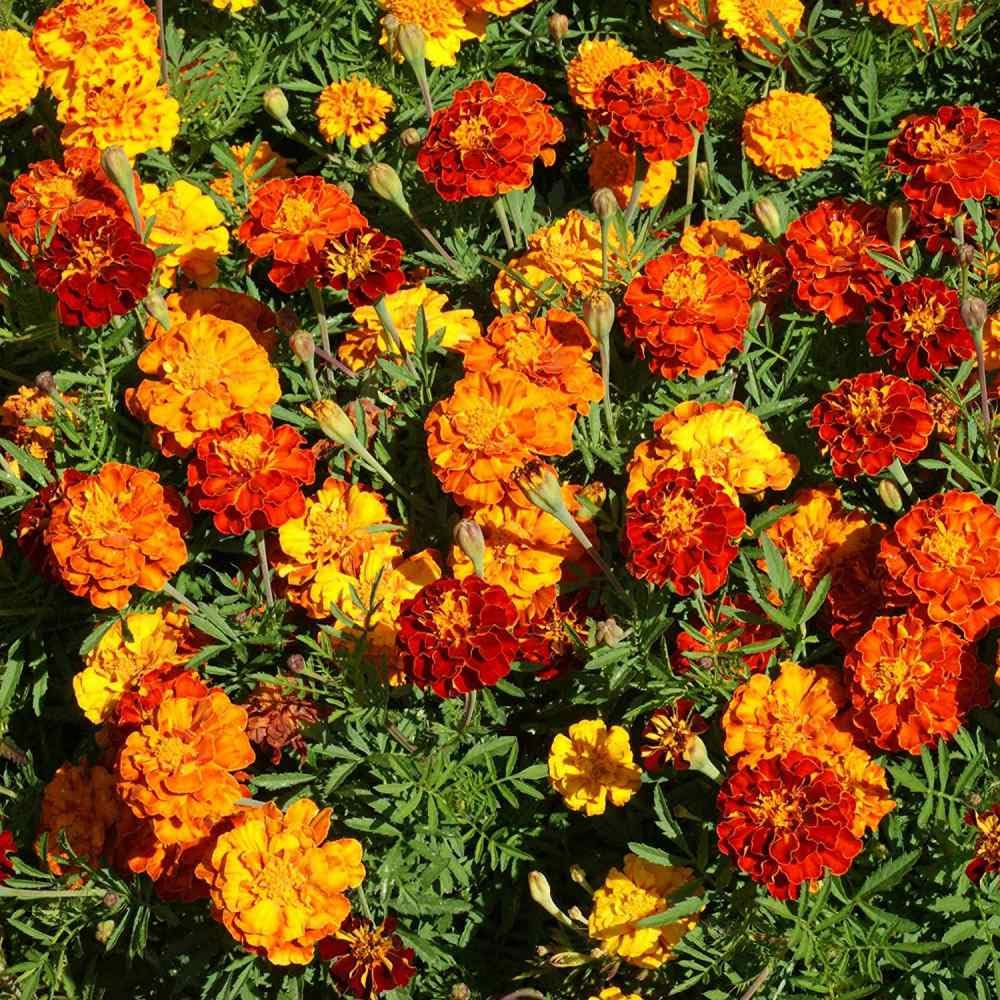
Common seed grown annuals such as marigold, zinnia, and petunia types give reliable color at modest cost. They are easy to find, easy to replace, and forgiving for new gardeners. Performance varies more from plant to plant than with premium lines, and some need regular deadheading to keep blooming. For most home planters, standard options deliver the best balance of color, cost, and ease.
Trailing and Spreading Options
Trailing plants spill over the rim, cool the soil surface with shade, and make a small pot look generous. Use them at edges, and give them room so stems do not tangle into a mat that traps moisture. Pinch long stems in midsummer if growth gets leggy, and feed lightly after pinching to push fresh side growth. If your other containers sit in shade, our guide to the best annuals for shade planters covers the very different varieties those pots need.
Setup and Care Tips
- Water early in the morning. Morning watering fills roots before peak heat and lets wet leaves dry fast, which lowers disease risk.
- Check drainage after planting. Water should flow freely from the holes within a minute. If it pools, lift the pot and clear blocked holes.
- Mulch the surface lightly. A thin layer of fine bark slows evaporation and keeps mix from splashing onto leaves during watering.
- Check soil pH every couple of years for reused mix. Most annuals prefer a slightly acidic to neutral range, and old mix can drift as fertilizer salts build up.
- Refresh mix each season. Replace at least the top half with fresh mix and compost, because old mix loses structure and holds less air at the roots.
- Move pots during heat waves. Even sun lovers benefit from afternoon shade for two or three extreme days, and casters or a plant stand make moving easy.
For more flower focused ideas that pair well with these habits, see our guide to the best annual flowers for planters and note which bloom shapes attract pollinators to your patio.
FAQs
What features matter most in annuals for sunny planters?
Heat tolerance and mature size matter most. A plant rated for full sun with a compact or trailing habit that fits your pot depth will outlast a larger, thirstier choice. Also check water needs honestly against your routine, because even the toughest flower fails in a tiny pot that dries twice a day. Good drainage and fresh potting mix support every other choice you make.
Is organic worth it for planter annuals?
Organic inputs are worth it when the planter holds herbs or sits where children and pets play, and when you value soil biology over fast results. OMRI listed fertilizers feed more slowly, so start earlier and apply steadily. For purely ornamental pots, a conventional balanced feed can be simpler and cheaper. Either way, avoid overfeeding, since excess fertilizer causes soft, leafy growth with fewer blooms and more aphid problems.
How much do I need for my garden planter?
Count plants from mature spacing, not from pot size at purchase. For a twelve inch planter, plan on one center plant, three to four fillers, and two trailers as a starting point. Larger pots need proportionally more mix, roughly one cubic foot per fourteen inch pot. Buying one extra filler is smart insurance, because replacing a single failed plant in June is easier when you have a spare growing on.
What is the difference between garden soil and potting mix?
Garden soil is dense mineral soil made for ground beds, while potting mix is a light, soilless blend built for containers. In a pot, garden soil compacts, drains slowly, and starves roots of air, so plants yellow and stall. Potting mix holds moisture yet drains freely and starts clean. If a bag feels heavy and muddy when wet, save it for raised beds and buy a lighter mix for planters.
How long should annuals in a sunny planter last?
Most annuals in a sunny planter bloom from late spring until the first hard frost, roughly four to six months in many regions. Lifespan shortens when pots dry out repeatedly, feeding stops, or spent blooms are left to set seed. A midsummer trim of about one third, followed by feeding and steady water, often triggers a fresh flush that carries the display well into fall.
Our Verdict
Start with sun hours and pot depth, then choose habits that layer well and water needs you can truly meet. The product table can help you compare sizes and plant types once those basics are set. Chosen that way, the best annuals for sunny planters will reward you with steady color instead of a cycle of wilting and replacement.