Best Annuals for Planters: A Practical Buying Guide for 2026
Disclosure: We may earn a commission when you buy through links on this page, at no extra cost to you. As an Amazon Associate I earn from qualifying purchases. Learn more

Best annuals for planters: matching sun and shade, container size, watering and feeding for color all season.
Annuals are the fastest way to fill a planter with color, yet the wrong choice fades by midsummer. This guide to the best annuals for planters explains how to match plants to sun, container size, and watering habits. The product table gives a quick side by side view of popular choices. With the right mix of thriller, filler, and spiller plants, a planter can look full from spring through fall.
Start with your planter location and how often you can water. A sunny balcony dries fast and needs heat tolerant plants, while a shaded porch needs plants that bloom without direct sun. Matching plants to those conditions matters more than picking the prettiest flower in the shop.

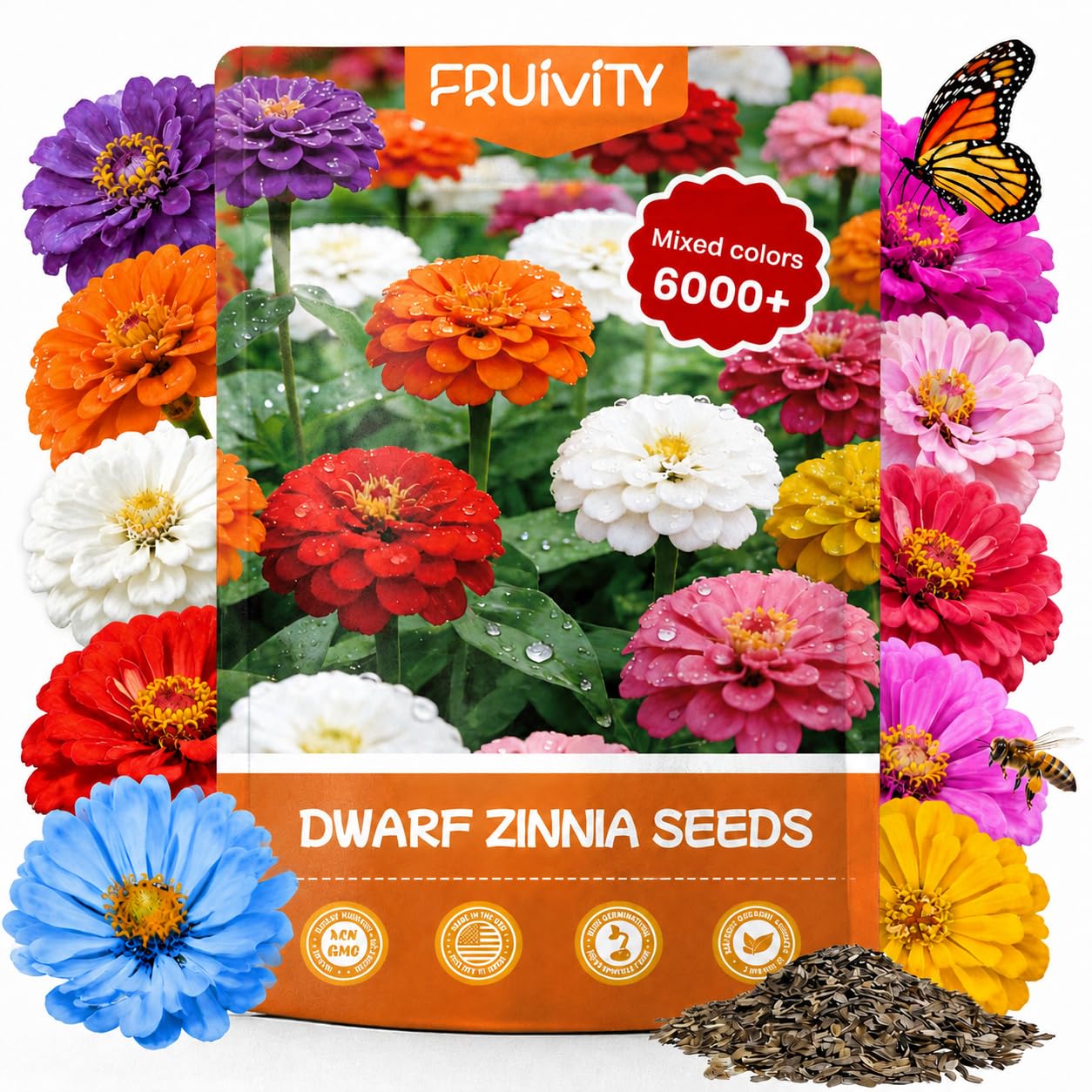
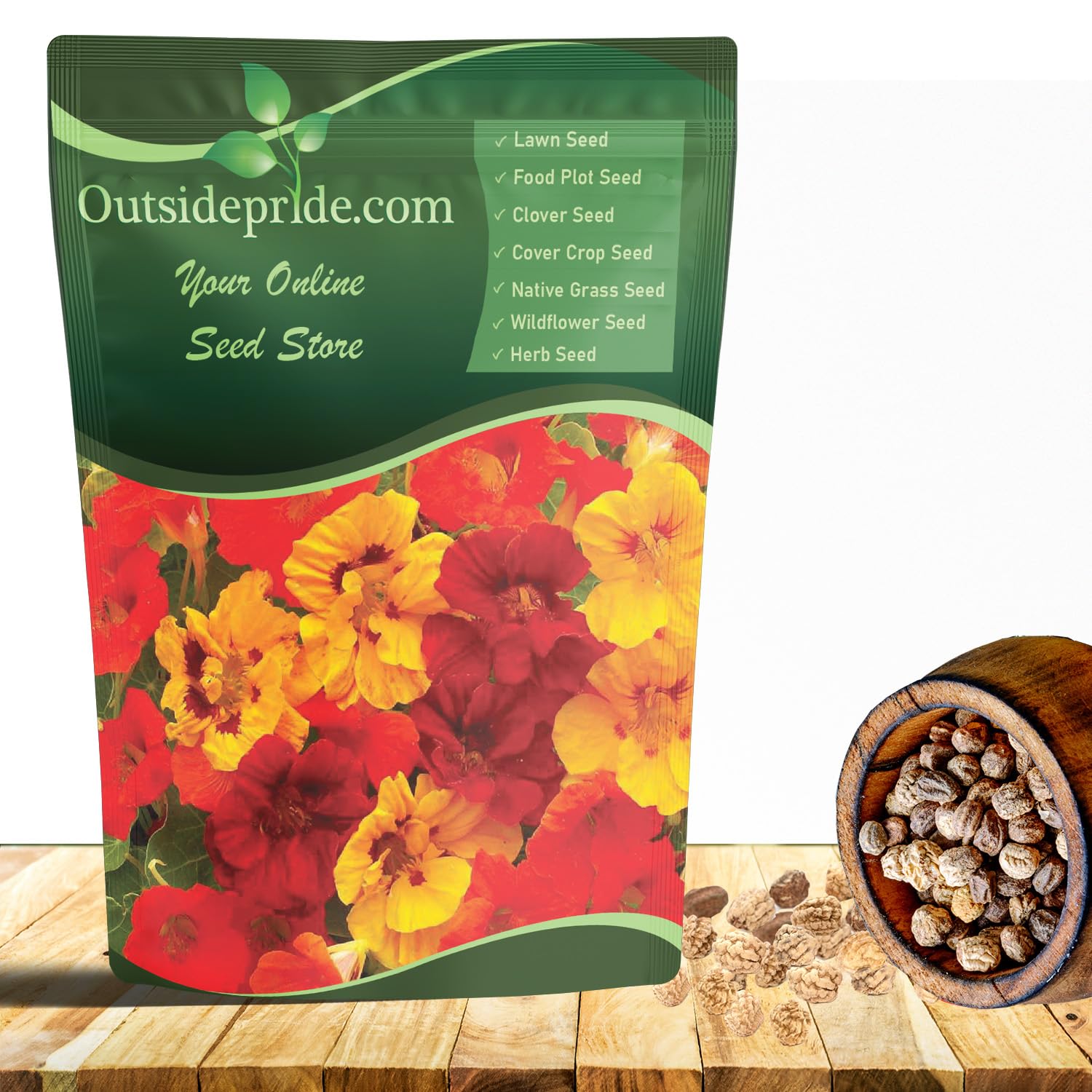
Who Should Plant Annuals in Containers
Annuals suit gardeners who want instant color, renters who cannot plant in the ground, and anyone who likes changing displays each year. They are ideal for balconies, patios, and doorways, where a container is the only option. They also suit beginners, since annuals grow fast and show results quickly.
Annuals need more watering and feeding than perennials, so they suit gardeners who can check containers regularly. If you travel often or forget watering, choose drought tolerant annuals and larger containers that dry out more slowly. Self watering planters also help during hot spells, as covered in best annuals for sunny planters.
Matching Annuals to Sun and Shade
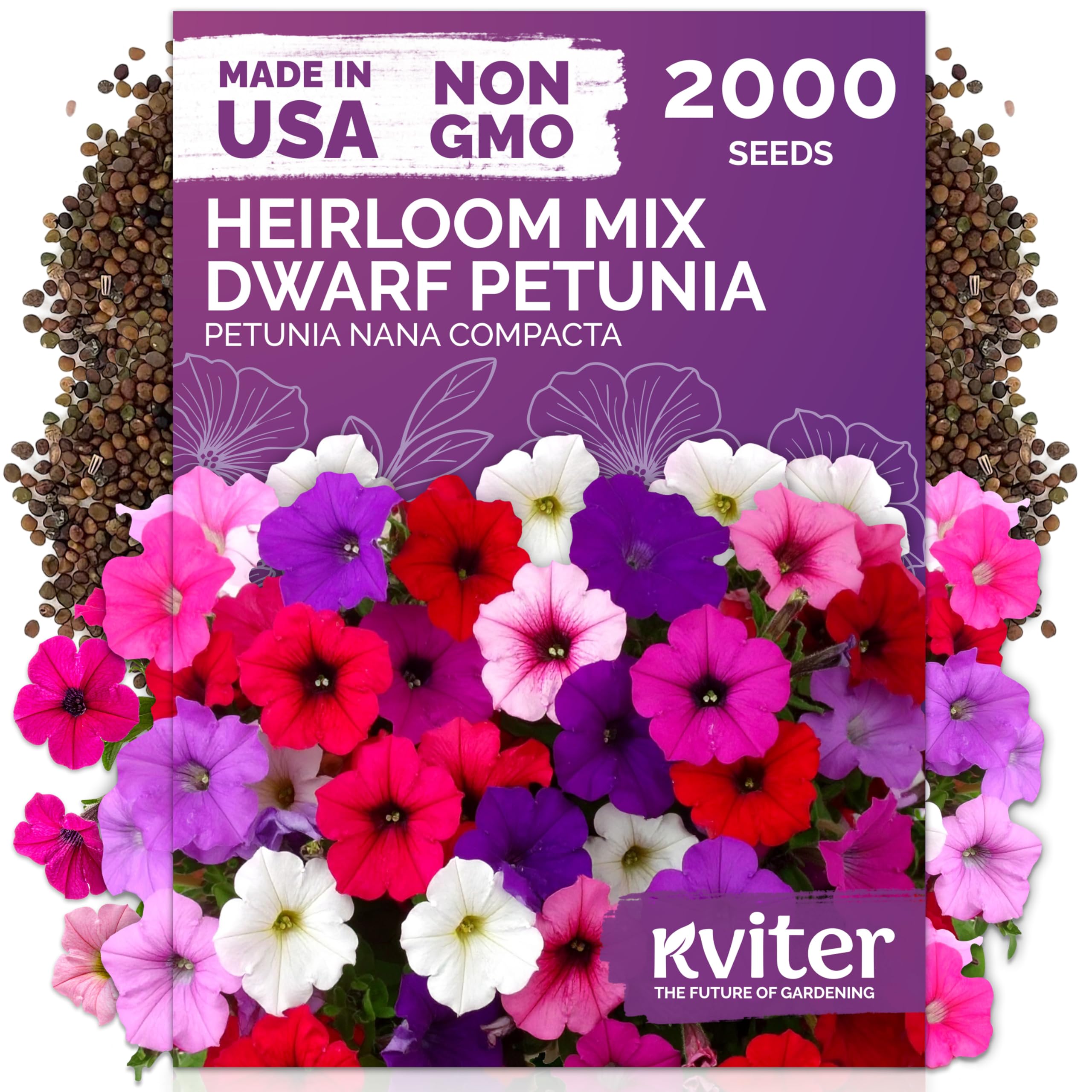
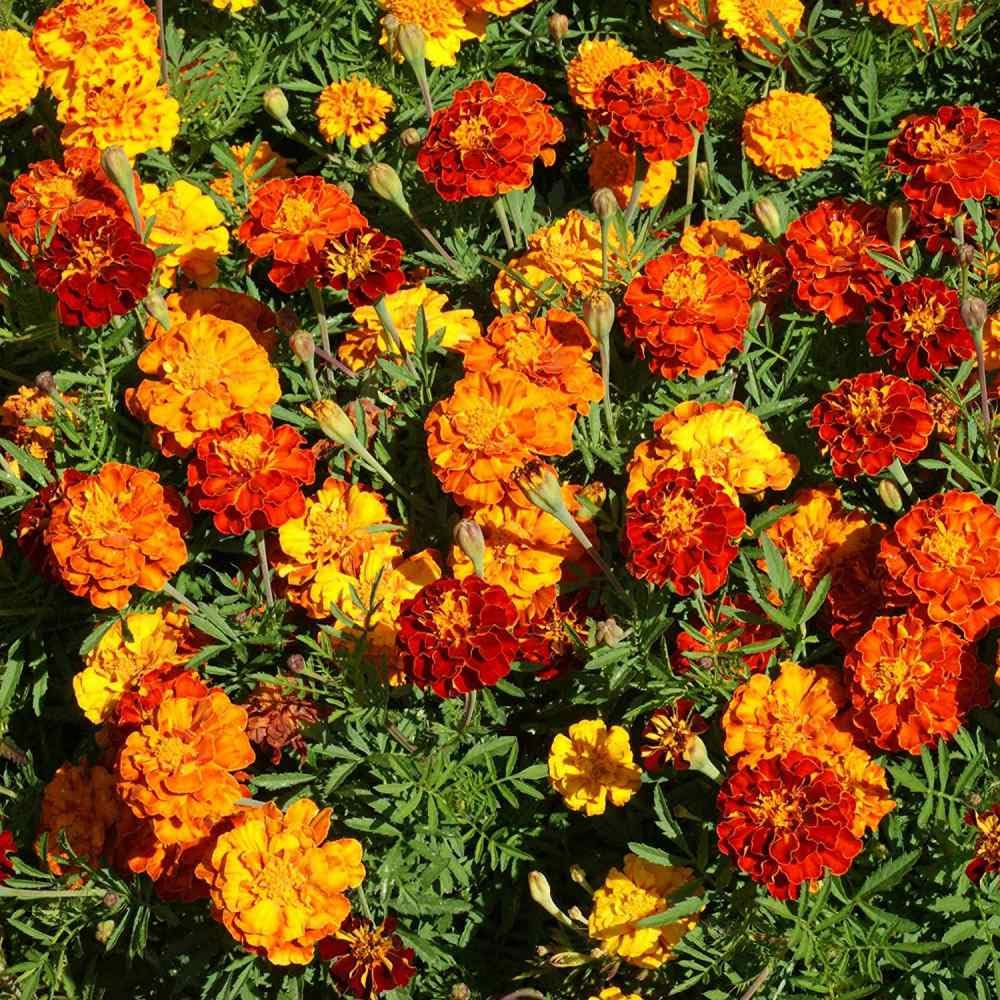
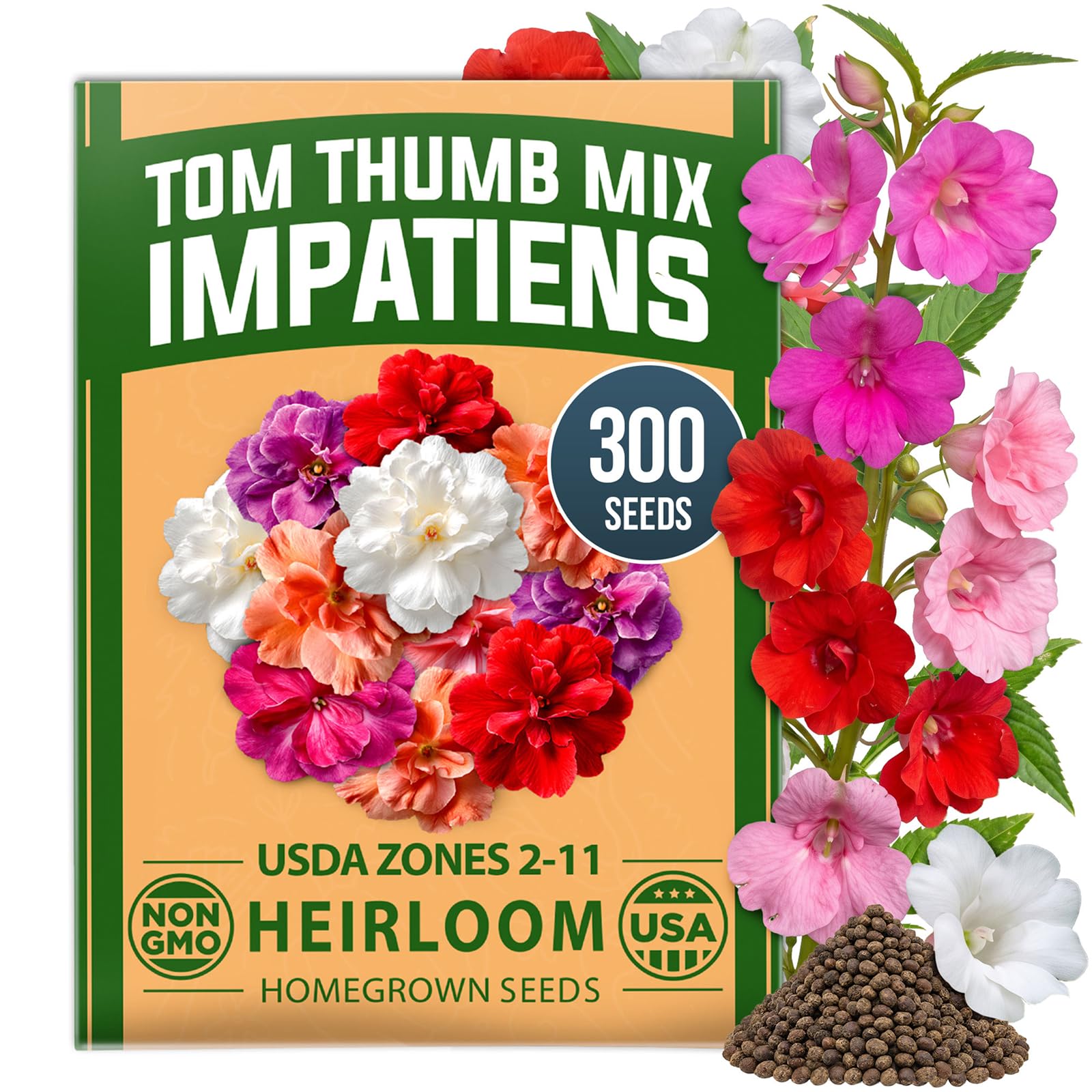
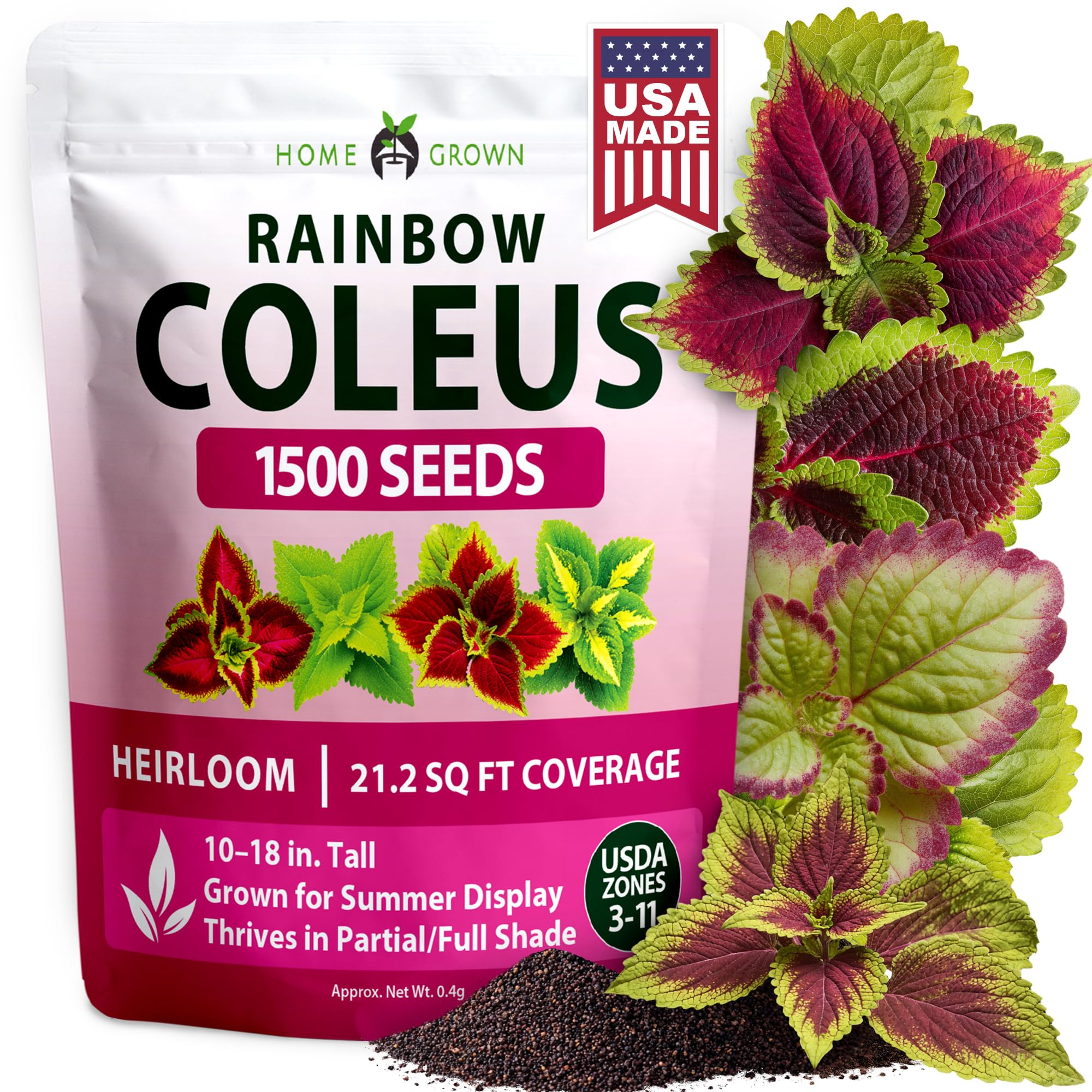
Sun loving annuals need at least six hours of direct sun to bloom well. Petunias, geraniums, and marigolds thrive in sun but fade in deep shade. Shade tolerant annuals such as impatiens, begonias, and coleus bloom with indirect light, though they still need bright shade rather than darkness.
Observe your planter spot through the day before buying, since morning sun differs from harsh afternoon sun. A spot that seems sunny at noon may be shaded by a building in the afternoon. Matching plants to the real light, not the assumed light, prevents weak growth and poor flowering.
Container Size, Soil, and Drainage
Container size shapes watering and root health. Small pots dry out fast and need frequent watering, while larger planters hold moisture longer and support fuller displays. Choose containers with drainage holes, since annuals rot quickly in standing water.
Use fresh, good quality potting mix rather than garden soil, which compacts in pots. Mix in slow release fertilizer at planting, then feed regularly during the season, since container plants exhaust nutrients faster than garden plants. Mulching the surface with bark or pebbles slows drying, as covered in best annuals for shade planters.
Designing a Full, Balanced Planter
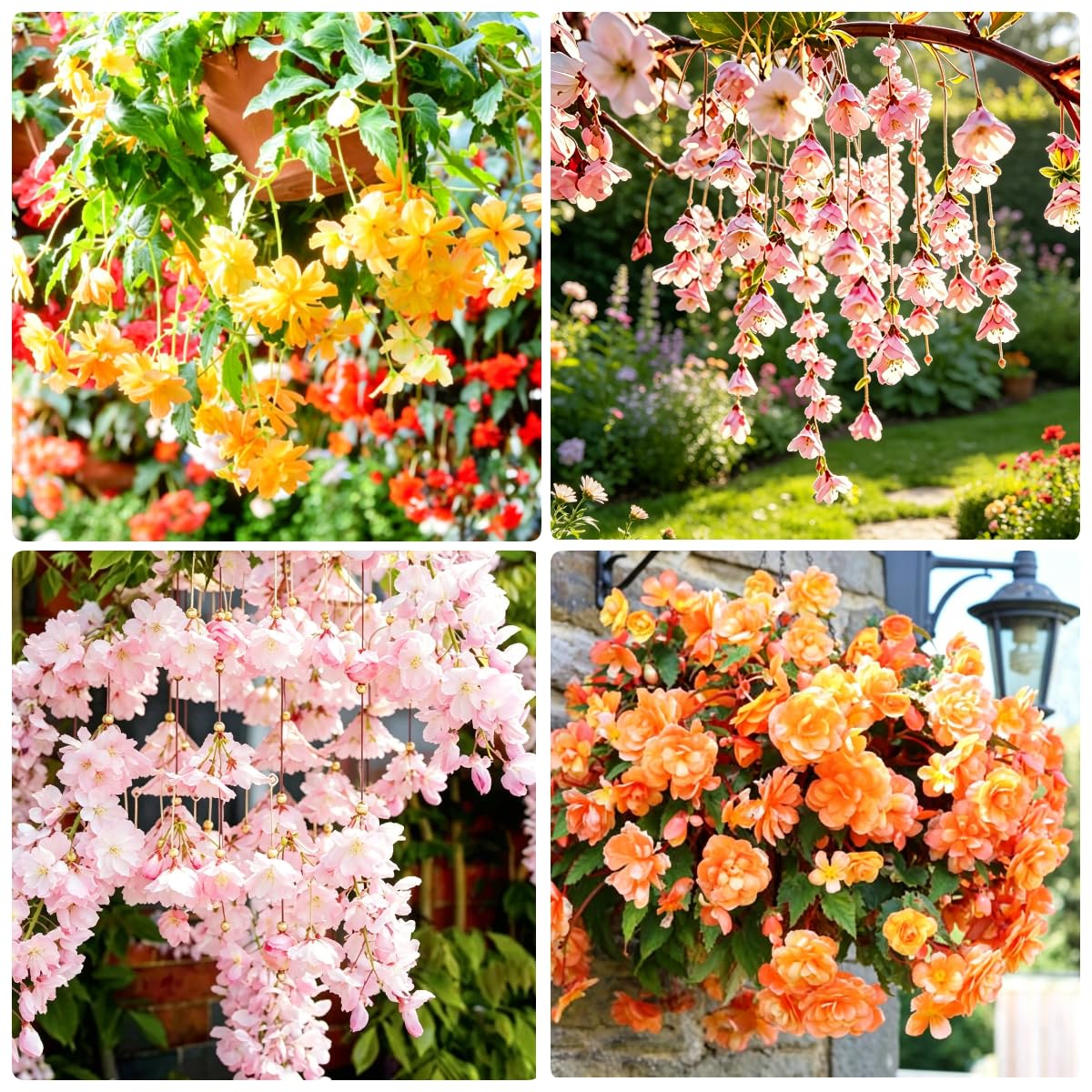
A classic formula uses a tall thriller in the center, mounding fillers around it, and trailing spillers at the edge. This structure looks full from all sides and fills gaps as plants grow. Choose colors that complement your home and each other, rather than mixing every bright color at once.
Leave room for growth at planting time, since overcrowded planters compete for water and air. Plants that look sparse in spring often fill in by early summer. Pinch back leggy growth to encourage branching, and deadhead spent flowers to keep blooming going.
Watering, Feeding, and Season Care
Water when the top inch or two of soil feels dry, and water thoroughly until it drains from the bottom. Shallow daily sprinkles encourage weak roots, while deep watering builds stronger plants. In heat waves, containers may need watering twice a day, especially small pots in full sun.
Feed container annuals every one to two weeks with a balanced liquid feed during peak growth. Watch for yellowing leaves, which can signal underfeeding or overwatering. Remove faded flowers regularly, and replace tired plants midseason if a display starts to look thin, as covered in best annual flowers for planters.
Planning for the Whole Season
Check plant hardiness and wind exposure for your site. A variety that thrives in mild regions may struggle with your heat, cold, or wind, and tall annuals on balconies and rooftops snap or dry out quickly, so choose compact, sturdy varieties and heavier planters there. Local garden centers usually stock varieties suited to your area.
Read plant labels for mature size, since annuals grow fast and can crowd each other within weeks, and group planters by water needs so one thirsty planter does not push you to overwater a drought tolerant one. Mixing early, peak, and late performers keeps displays interesting into fall, and replacing a tired plant midseason is normal container gardening, not failure.
Plan a simple watering routine with a backup for holidays or heat waves, such as a self watering planter, a drip tray, or a neighbor watering rota. Many annuals also feed bees and butterflies, so avoid broad insecticides on flowering planters, and keep brief notes each year on what worked so next spring goes faster.
Related reading can help you compare nearby choices, including best looking planters.
Frequently Asked Questions
How often should I water annuals in planters?
Check soil daily in warm weather and water when the top inch or two feels dry. Most planters need watering every one to two days in summer, and small sunny pots may need daily watering. Water deeply until it drains, rather than giving shallow sprinkles that leave roots dry.
Do annuals need full sun to flower well?
It depends on the variety. Sun lovers need six or more hours of direct sun, while shade annuals bloom in bright indirect light. Always match the plant to your actual light conditions, and check the label before buying, since a sun plant in shade will grow leggy and flower poorly.
How long do planter annuals last?
Most annuals bloom from planting until the first frost, provided they receive water and feeding. Some varieties fade in extreme heat and recover in cooler weather, while others bloom steadily all season. Deadheading and regular feeding extend flowering significantly.
Can I reuse potting soil next year?
Old potting mix can be reused if it is refreshed with new compost and fertilizer, but it may harbour disease or be depleted. Many gardeners replace at least half the mix each year for the best results. Always remove old roots and check drainage before replanting.
What is the easiest annual combination for beginners?
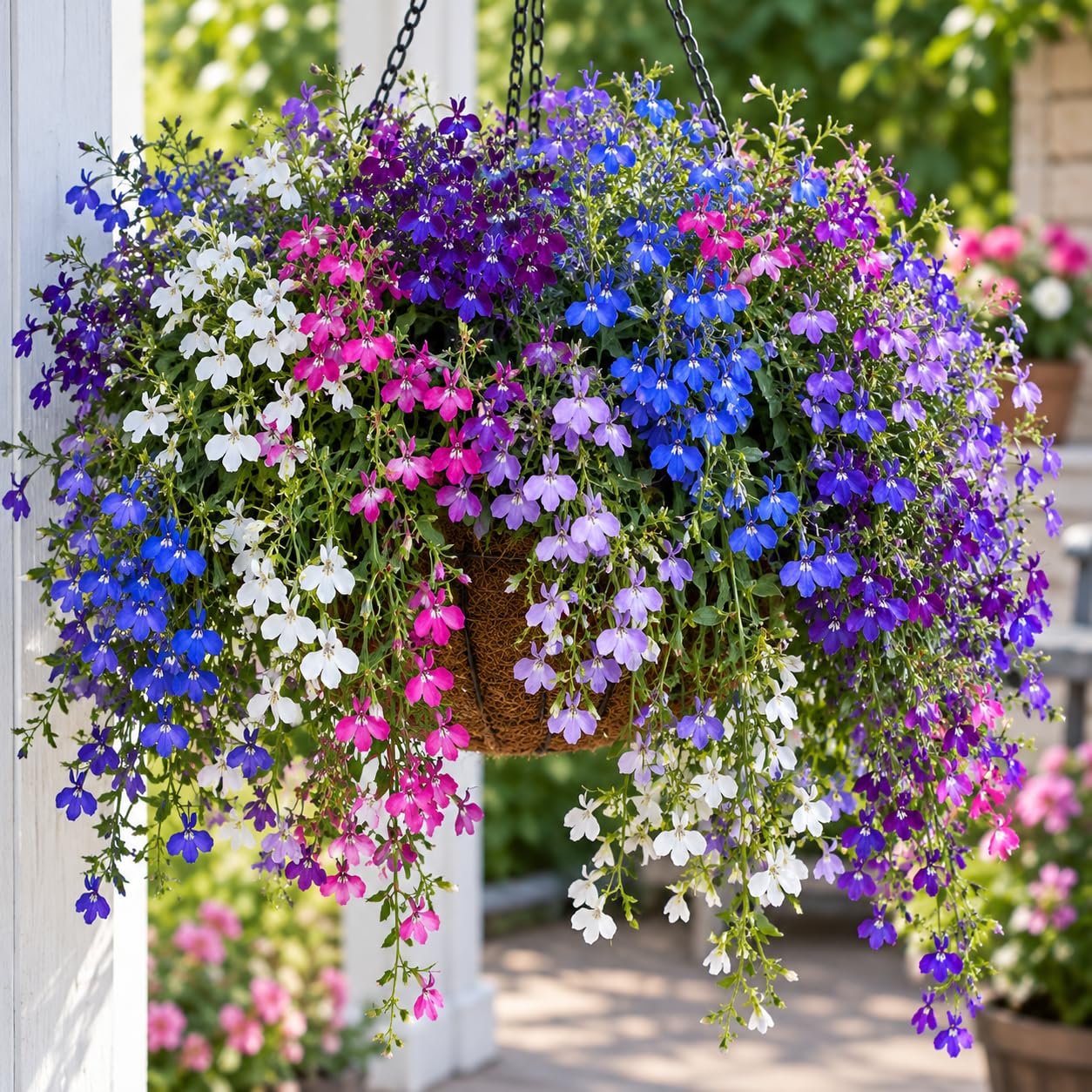
A sunny planter of petunias, marigolds, and trailing lobelia is forgiving and colorful, while a shady planter of impatiens and coleus is equally easy. Both combinations need regular watering and deadheading, but they tolerate beginner mistakes better than fussier varieties.
Final Thoughts
The best annuals for your planters are the ones matched to your light, container size, and watering routine. Use the product table to compare popular choices, then design with thriller, filler, and spiller structure for a full display.
Water deeply, feed regularly, and deadhead spent blooms. With those habits, a planter of annuals can deliver color from spring until frost. The best annuals for planters are simply the ones that match your light, container, and routine.